


*Before we begin, a note about old restaurants. St. Peter Stiftskulinarium in Salzburg, where we had dinner, is officially recognized as the oldest restaurant in Europe, and is technically the oldest restaurant in the world. However, Sobrino de Botín in Madrid, Spain, holds the Guinness World Record for the oldest restaurant in continuous operation (since 1725), as St. Peter Stiftskulinarium has closed several times throughout its history, including during the Napoleonic Wars. So, if you look up “oldest restaurant in the world”, Sobrino de Botin will come up, even though St. Peter is 922 years older (dating back to AD 803.
The Sound of Music
If you’ve seen The Sound of Music, you know that it’s set in Salzburg, and much of it was filmed in and around Salzburg. We began the day with the “original” Sound of Music Tour. The company, Panorama Tours, really can make the claim as the original, since they were contracted by the production company of the film to take them around scouting potential locations, then again once filming began to shuttle cast and crew from place to place.
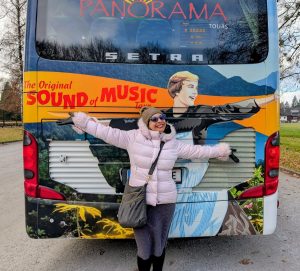
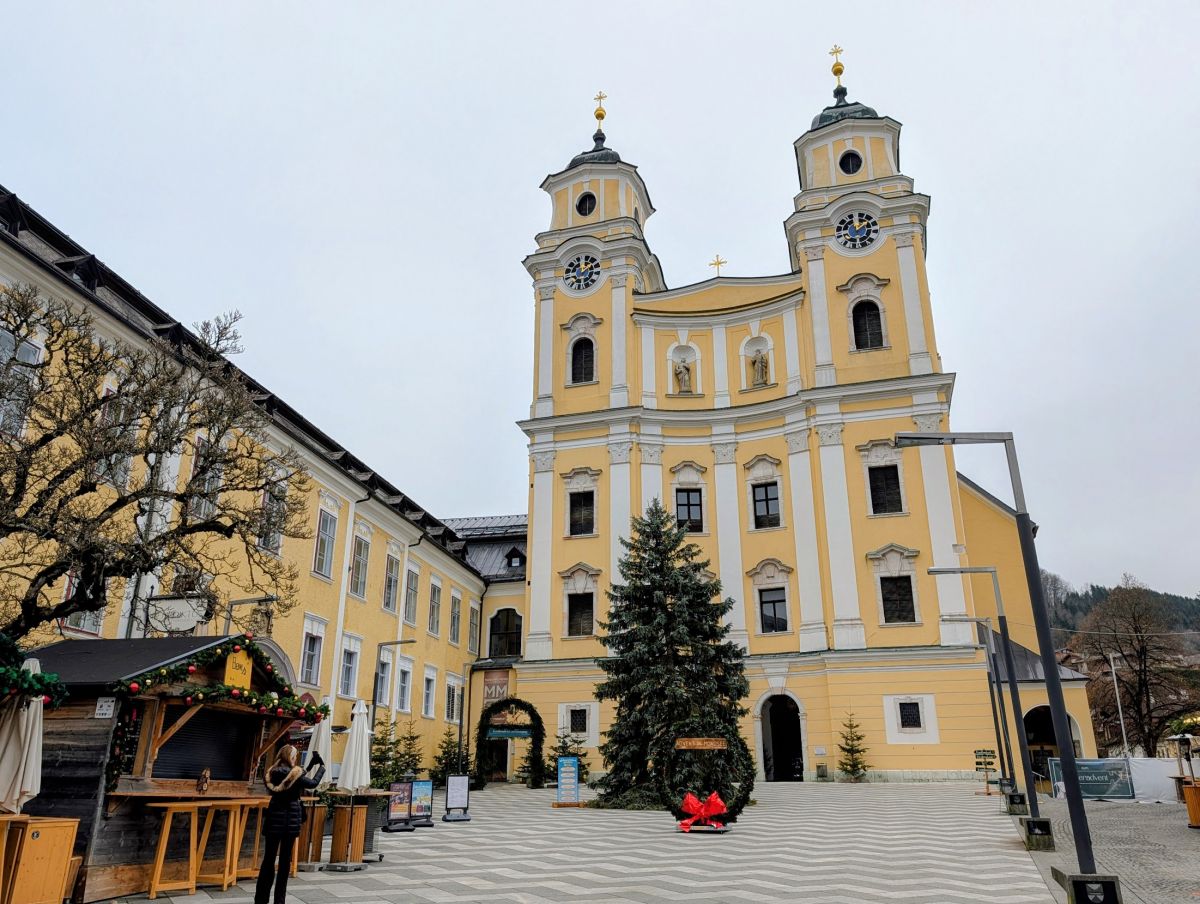
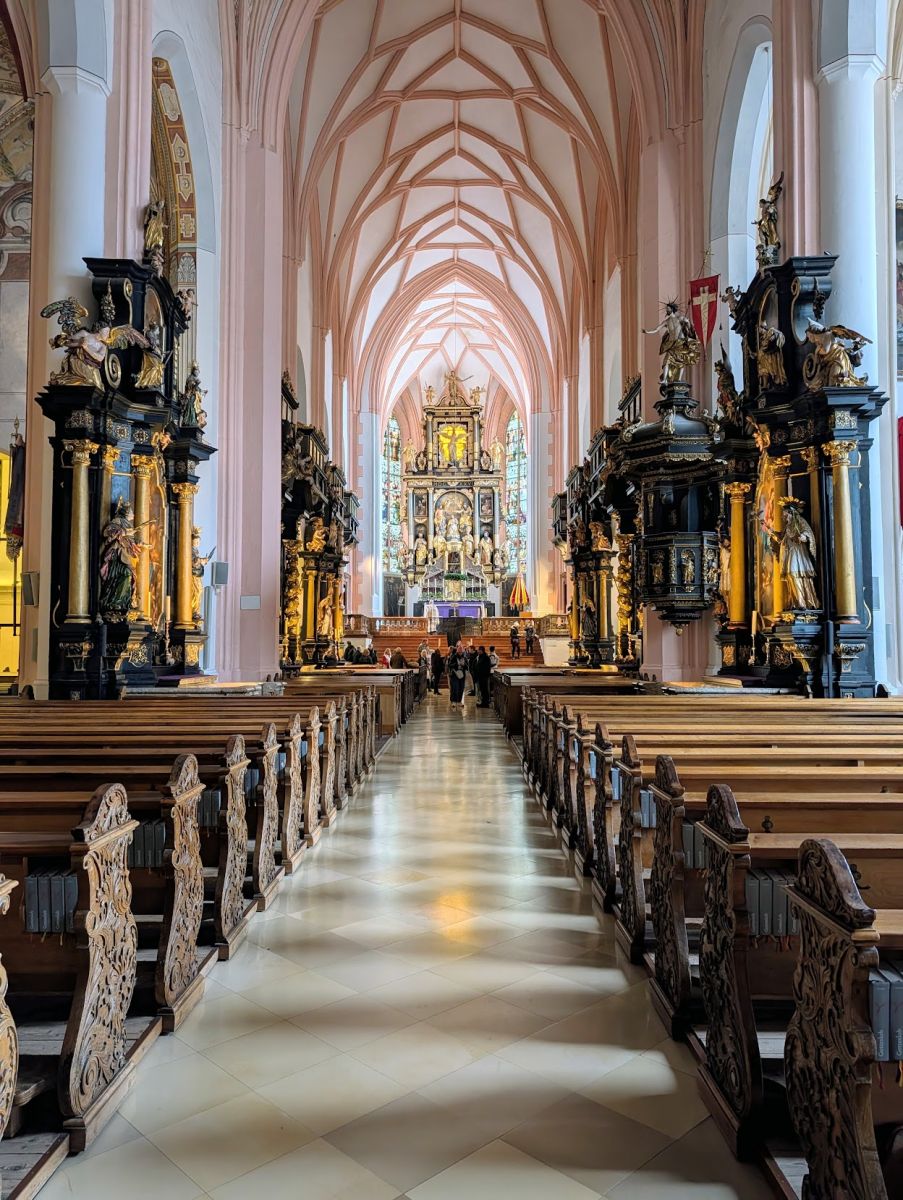
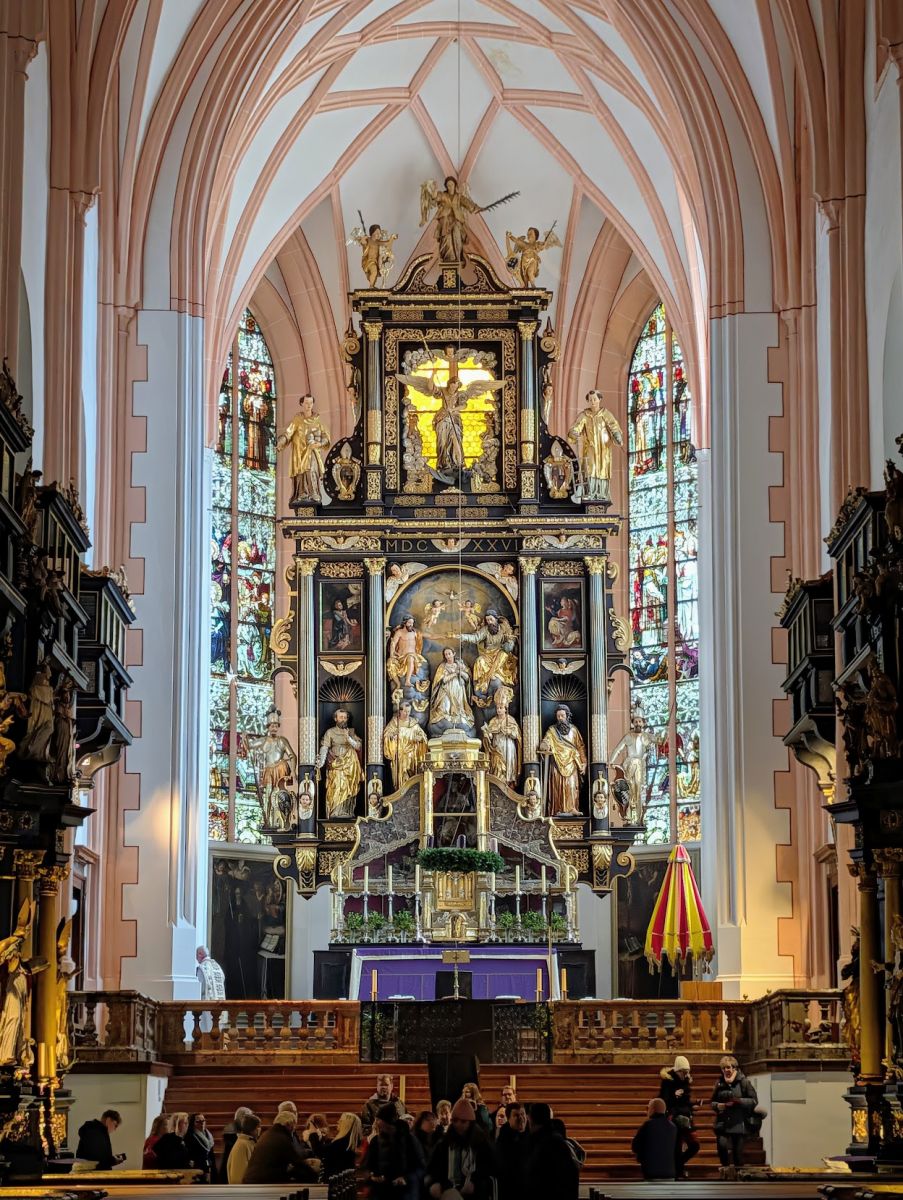
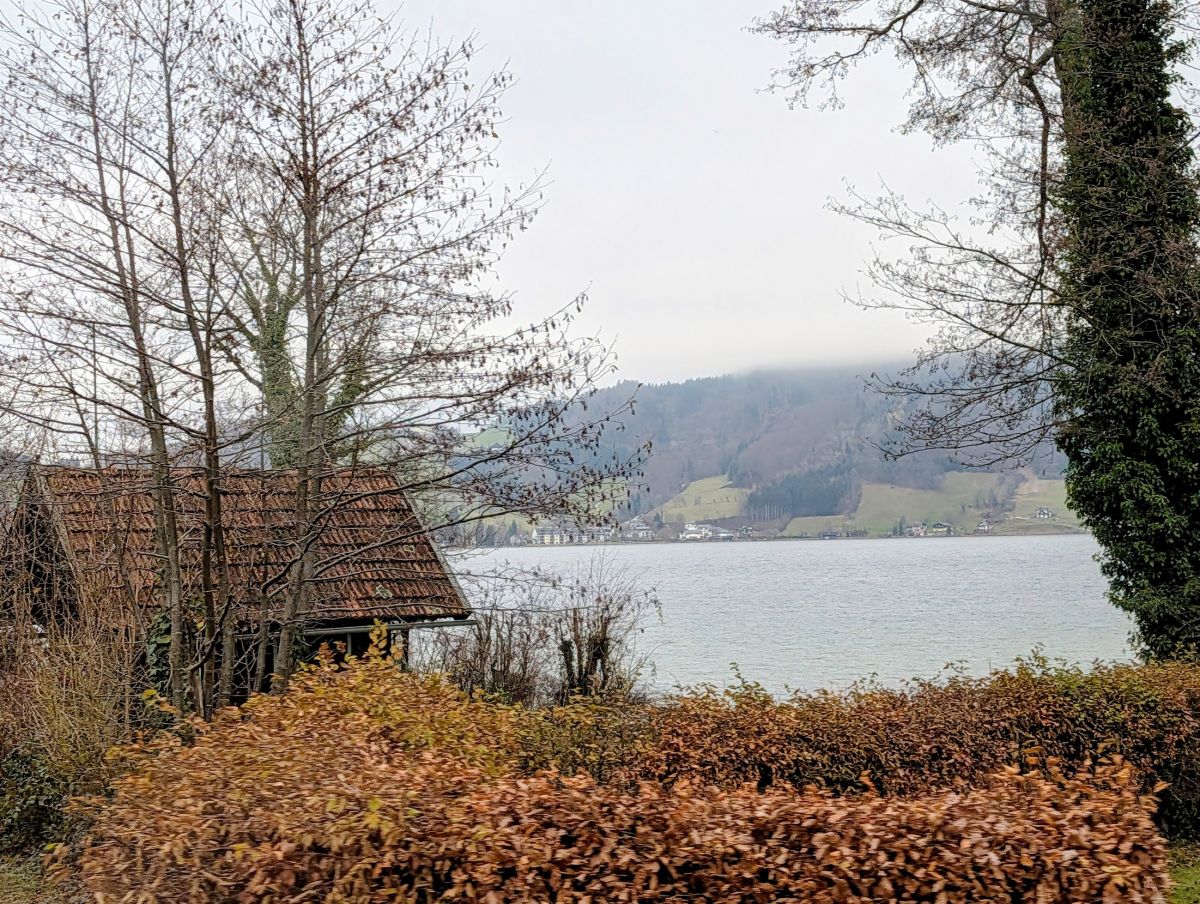
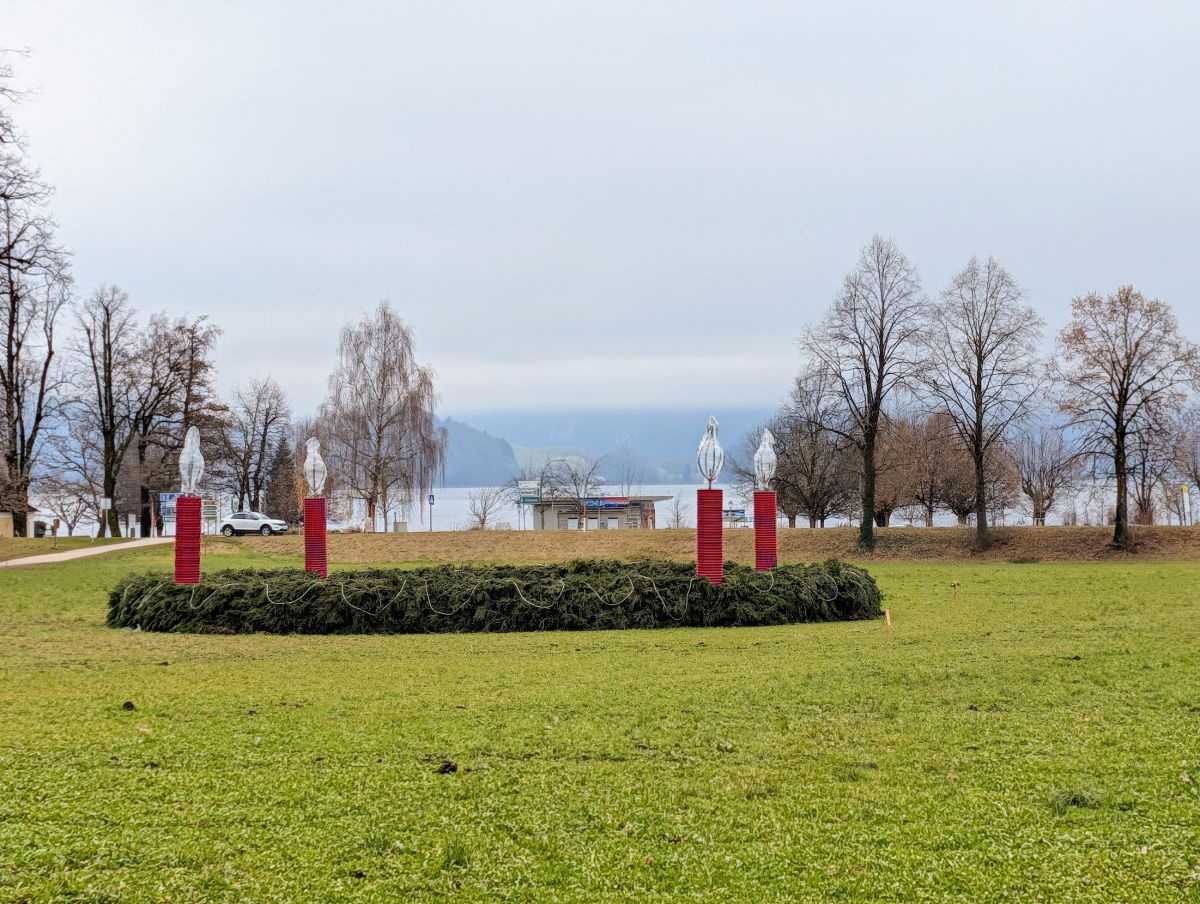
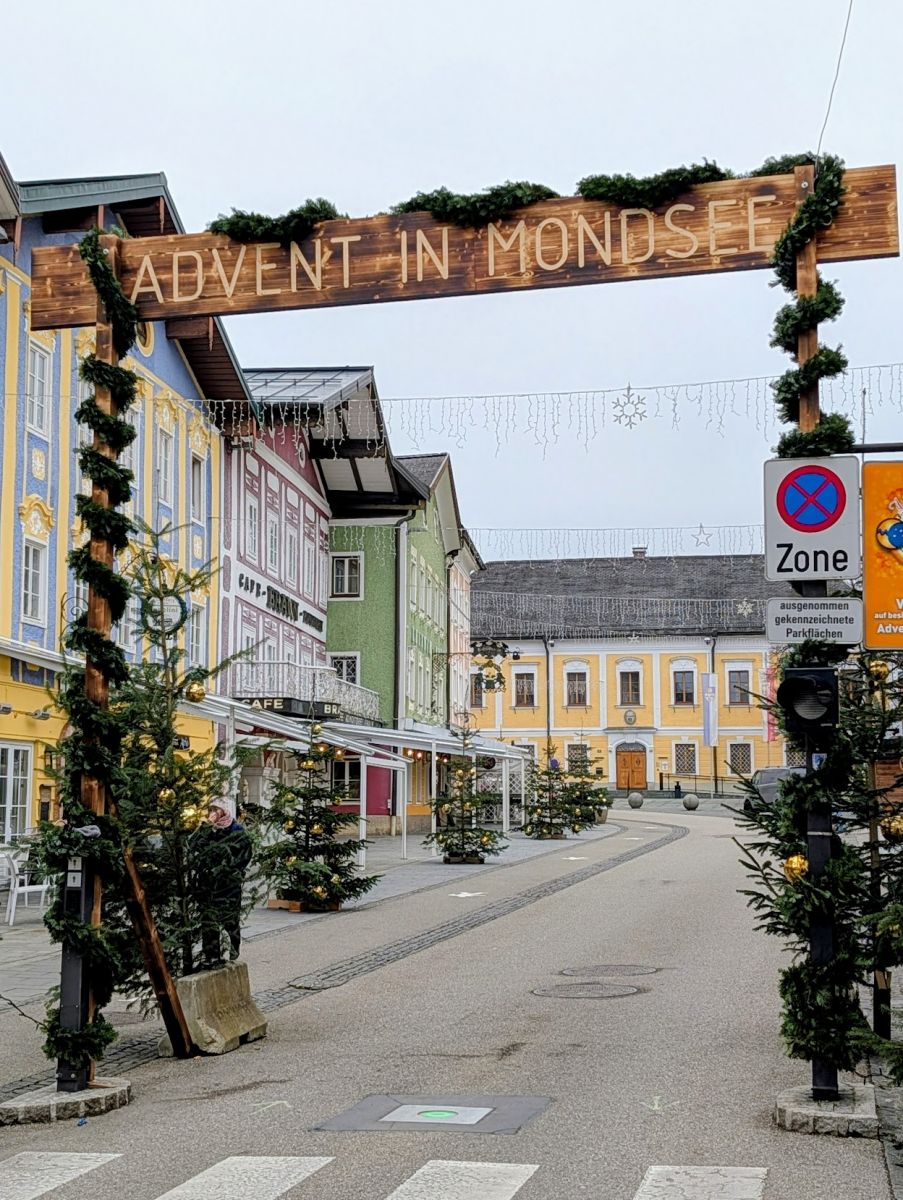
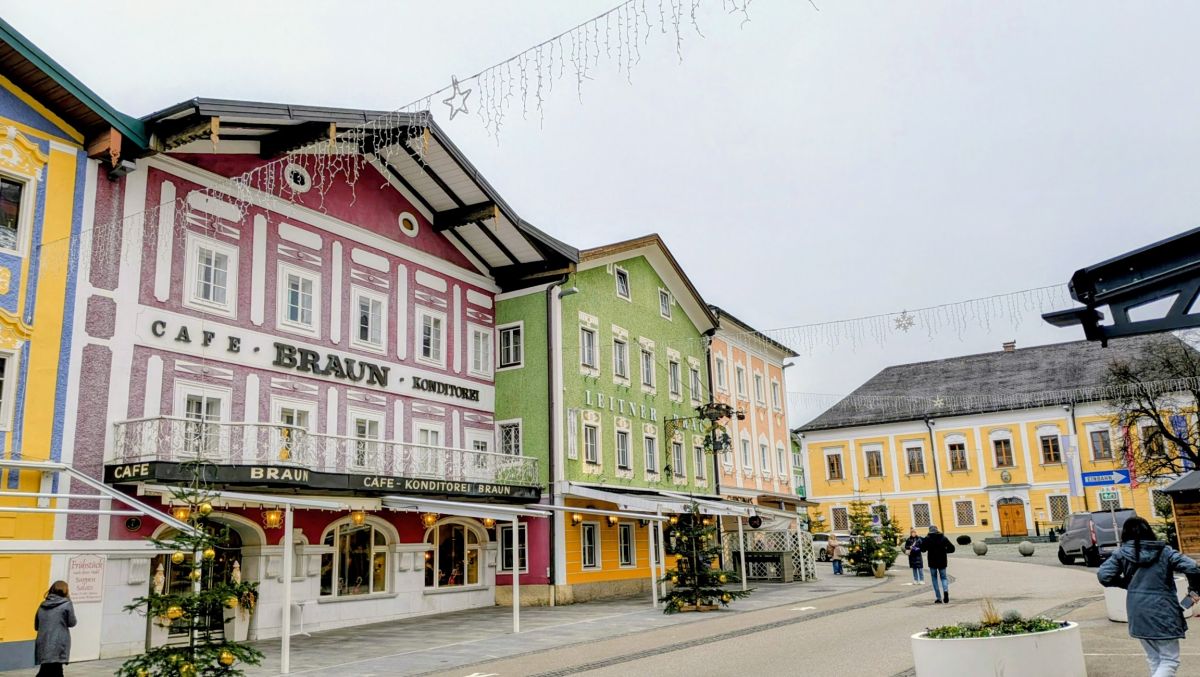
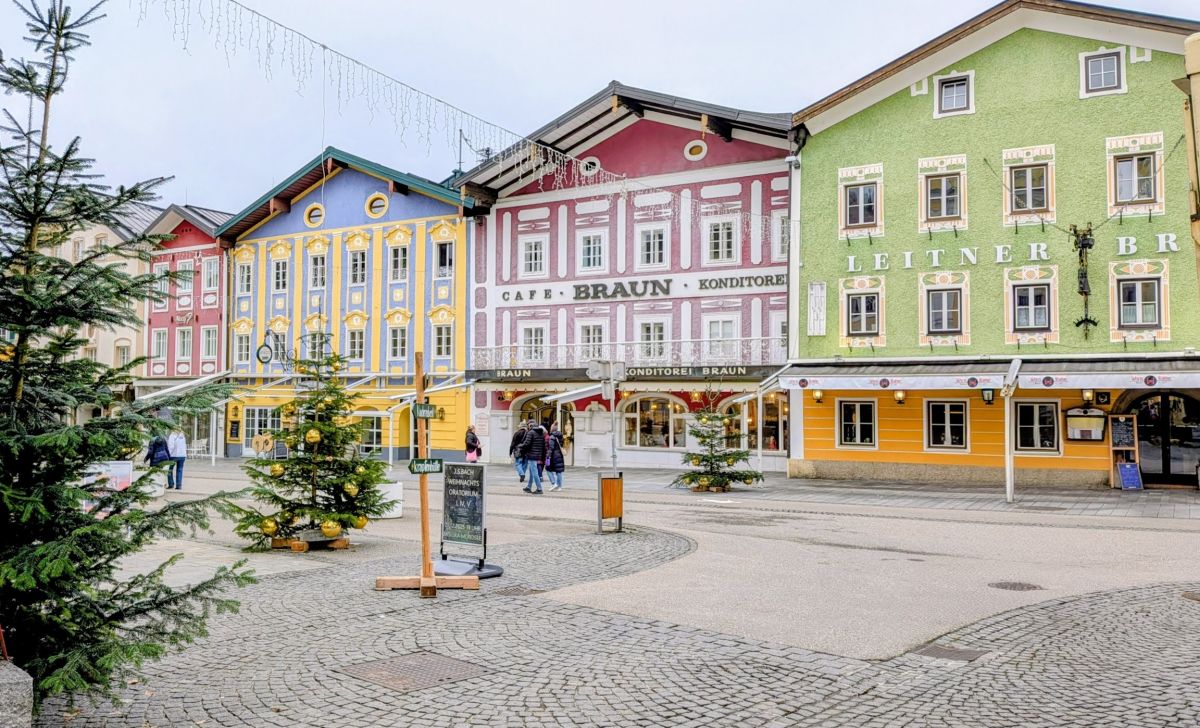
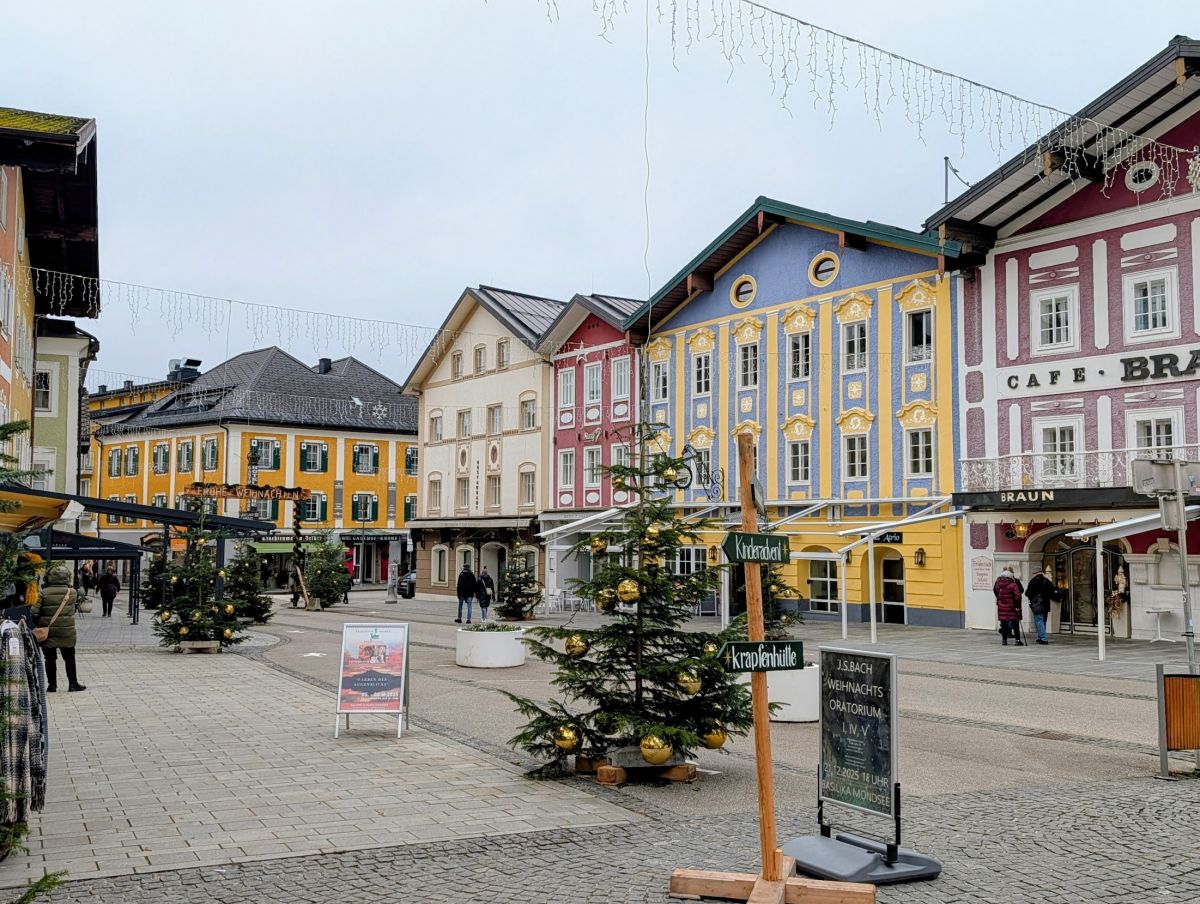
The four-hour tour was great! Our guide, April, is originally from Lake Tahoe. We learned about the filming of the movie, as well as the real story of the von Trapp family, with some general Salzburg history thrown in as well. We visited several locations in town, plus some locations outside of Salzburg. We toured the lake district, and stopped for a bit in the charming lakeside mountain town of Mondsee, where the church (interior only) that was used in the movie for the wedding of Maria and the Captain is located. Here are some of the spots we visited:
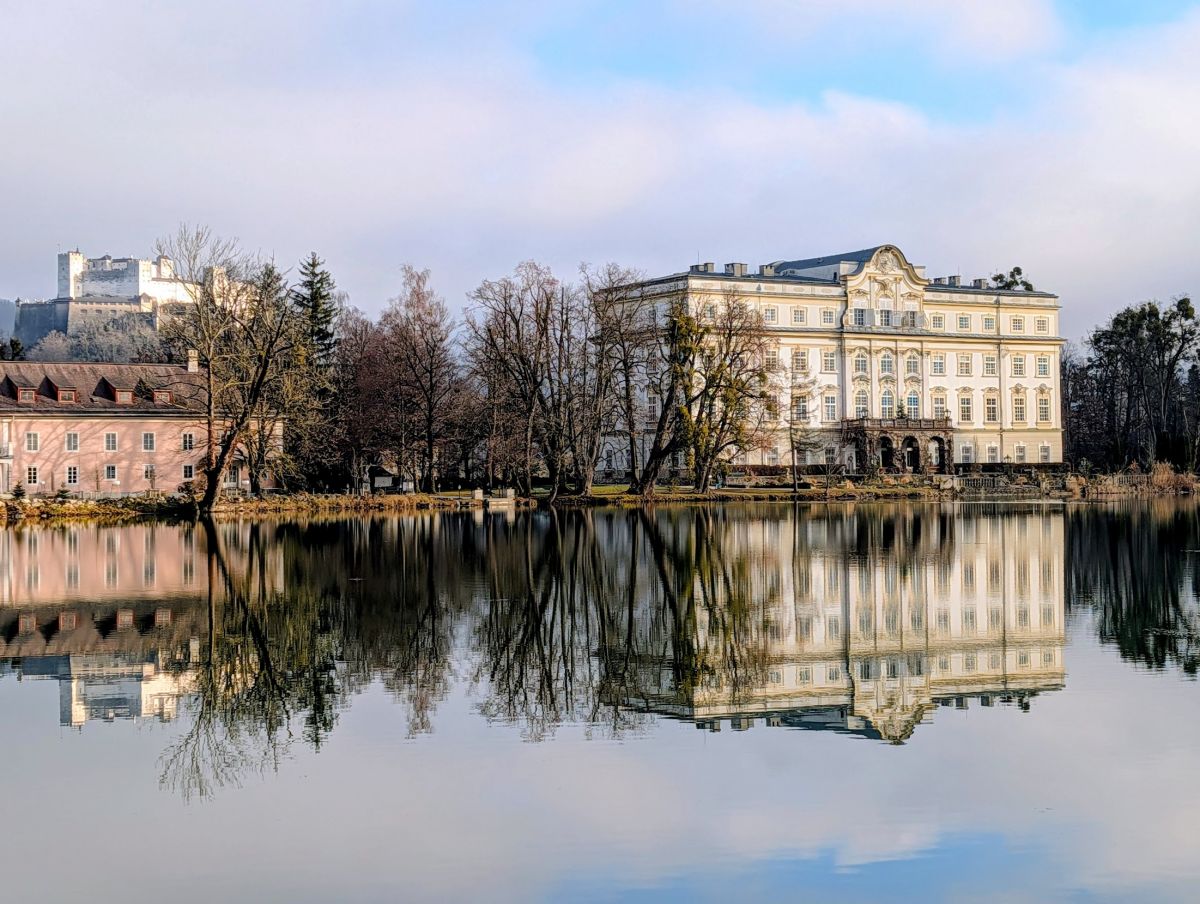
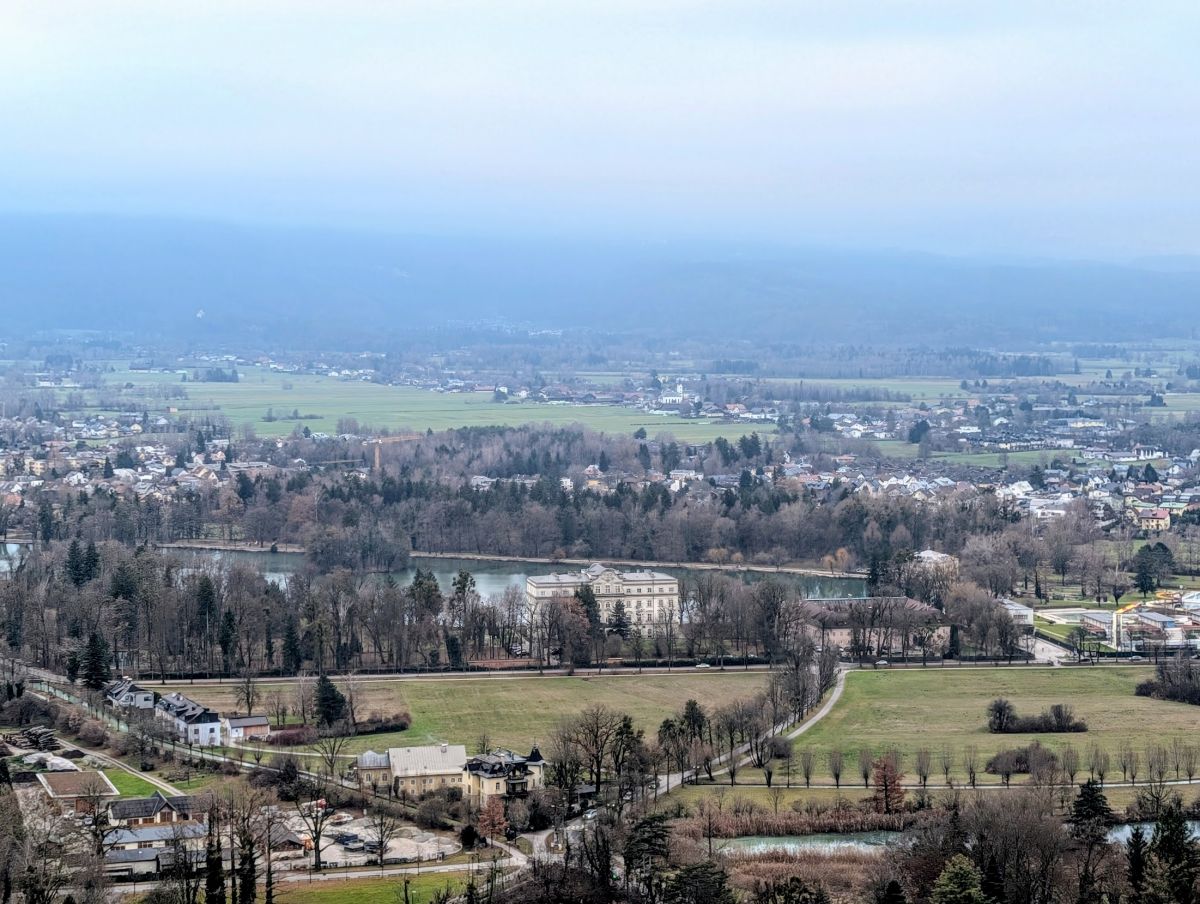
- Hotel Schloss Leopoldskron – This hotel was used as the backyard of the von Trapp family estate. The lake, dock, and gazebo (which was originally located here) were all prominently featured in the film. The gazebo has since been moved, as too many tourists were disrupting the guests staying at the hotel. Interestingly, the actual rear of the hotel itself isn’t used in the movie. There are a few parts where two characters are having a conversation, one with their back to the lake, and the other with their back to the rear of the estate. They were filmed in separate locations. Also, the hotel wouldn’t allow filming in the ballroom, fearing the tight quarters would cause a problem and risk damage, so copious photos were taken and the ballroom was recreated (albeit on a larger scale) on a sound stage in Los Angeles.
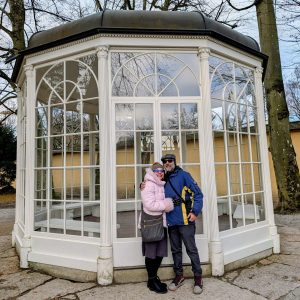
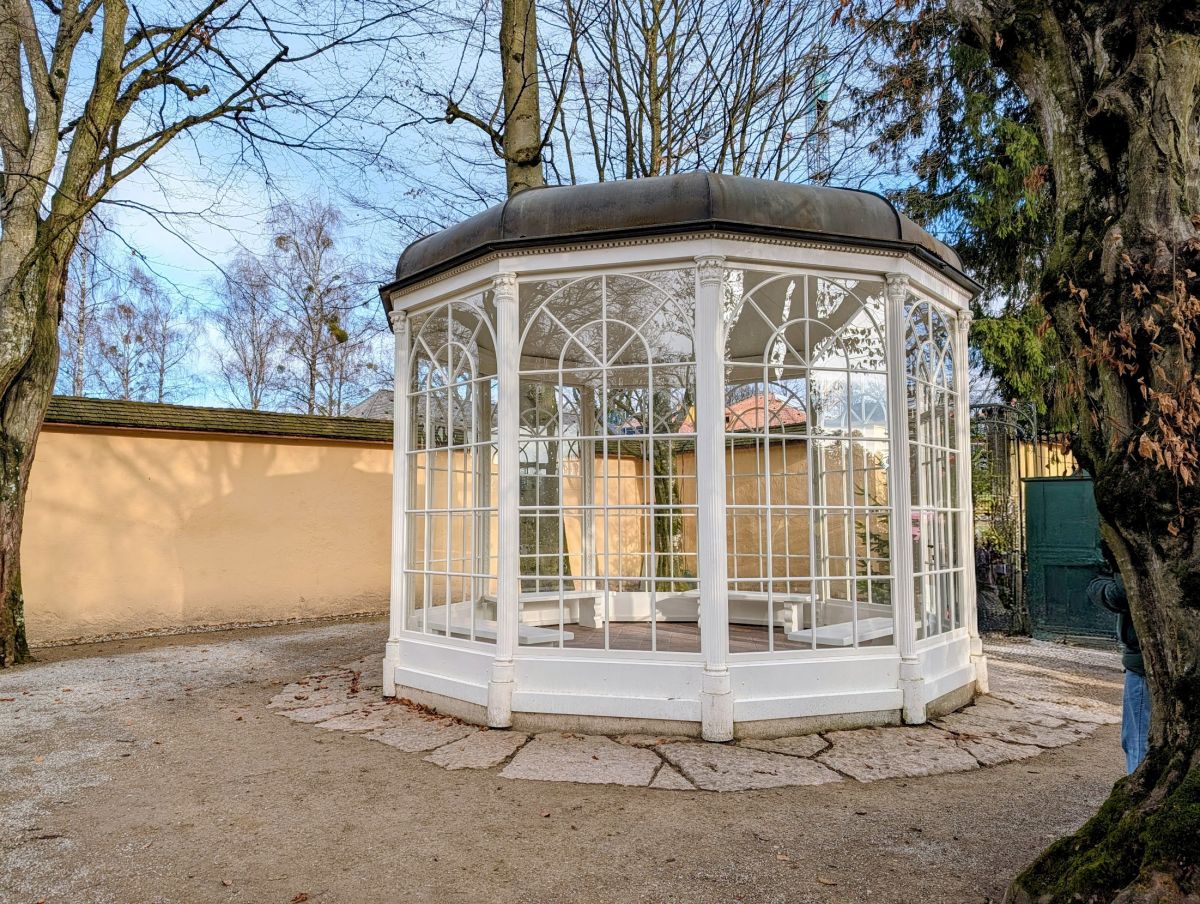
- Hellbrunn Palace – The gazebo used for all external shots is now located here. We all took turns posing for photos. They also have a nice looking Christmas Market. We had planned to take a bus back here to visit the Market, but never found the time.
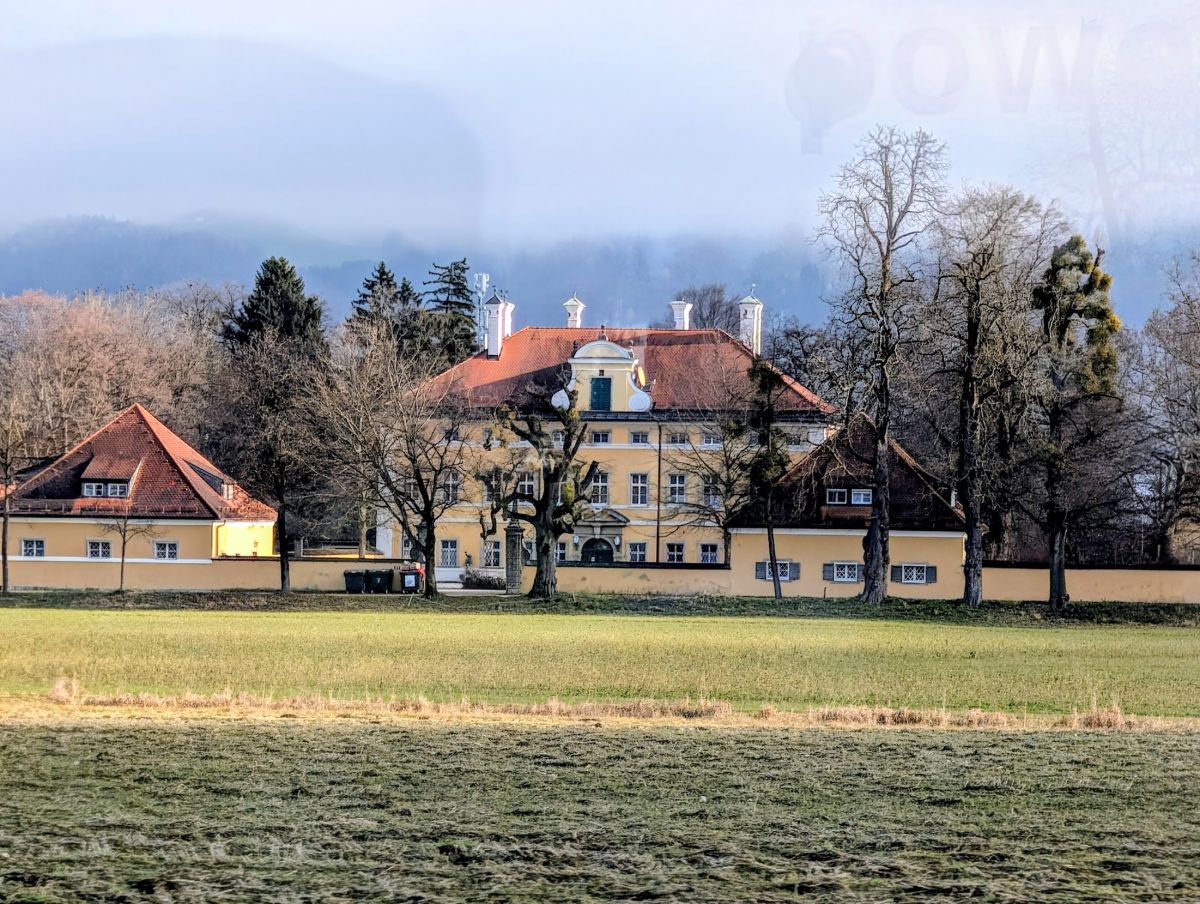
- Schloss Frohnburg – We only saw this palace from the bus as we drove through the countryside. The yellow walls, gate, and entrance area were used as the entrance to the von Trapp estate. You’ll notice it right away when Maria is singing “I Have Confidence” on her way to the von Trapp estate for the first time.
- Mondsee – As noted above, we stopped here primarily to see the Mondsee Abbey, whose interior was used in the movie, but we had time to explore the town a bit as well.
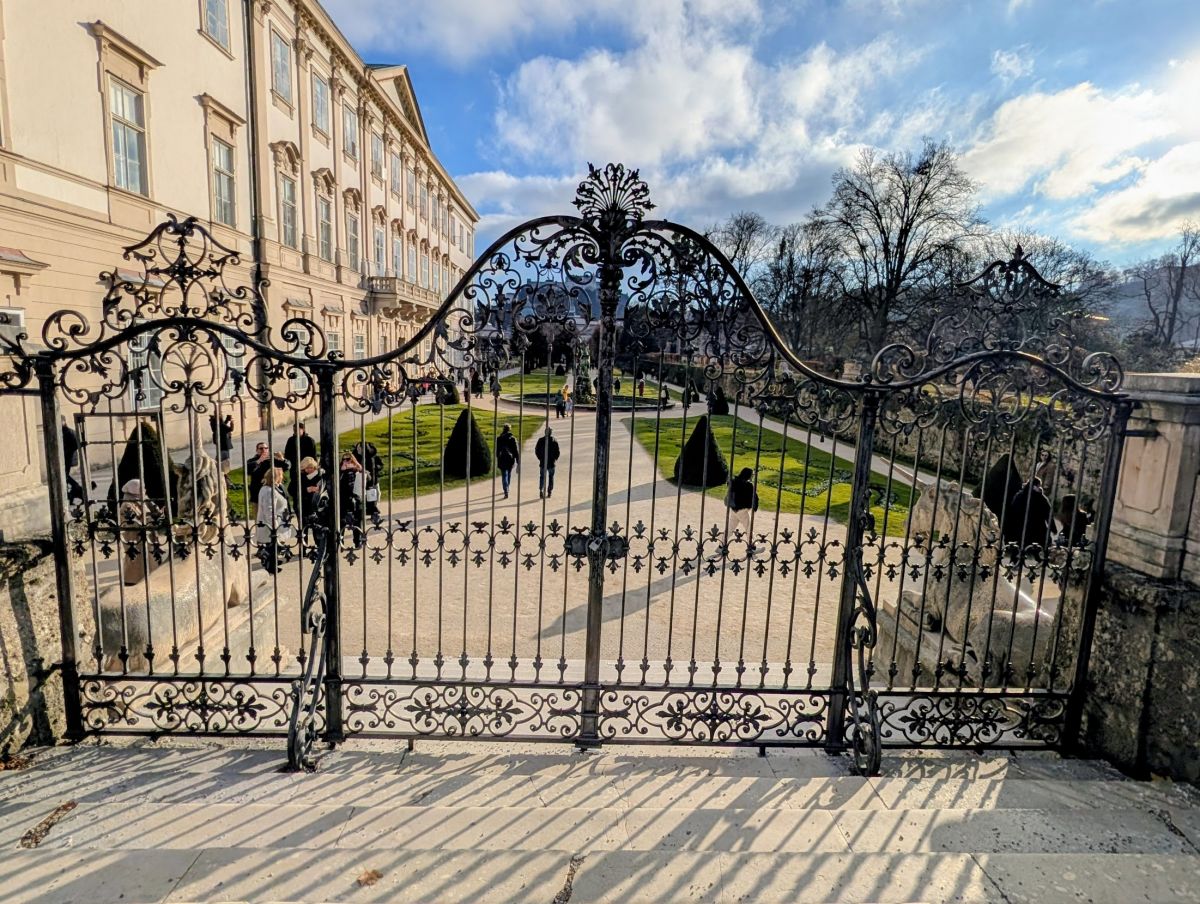
- Mirabell Gardens – The gardens, including the rear gate and steps, are used during the song Do-Re-Me.
If you’re a fan of The Sound of Music, this is a must-do tour, and even if you’re not, and you’ve been dragged along against your will, I think you’ll find it very enjoyable. Driving through the snow-covered mountains in a comfortable tour bus, and visiting Mondsee, make it worthwhile to anyone. If you just want to see the filming locations inside the city of Salzburg, you can probably do your own research and locate many of them yourself, but you’ll miss out on some of the fun anecdotes the guides provide.
Hohensalzburg Fortress
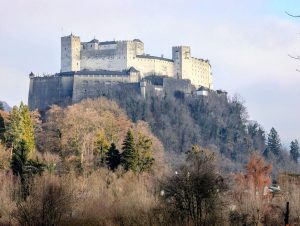
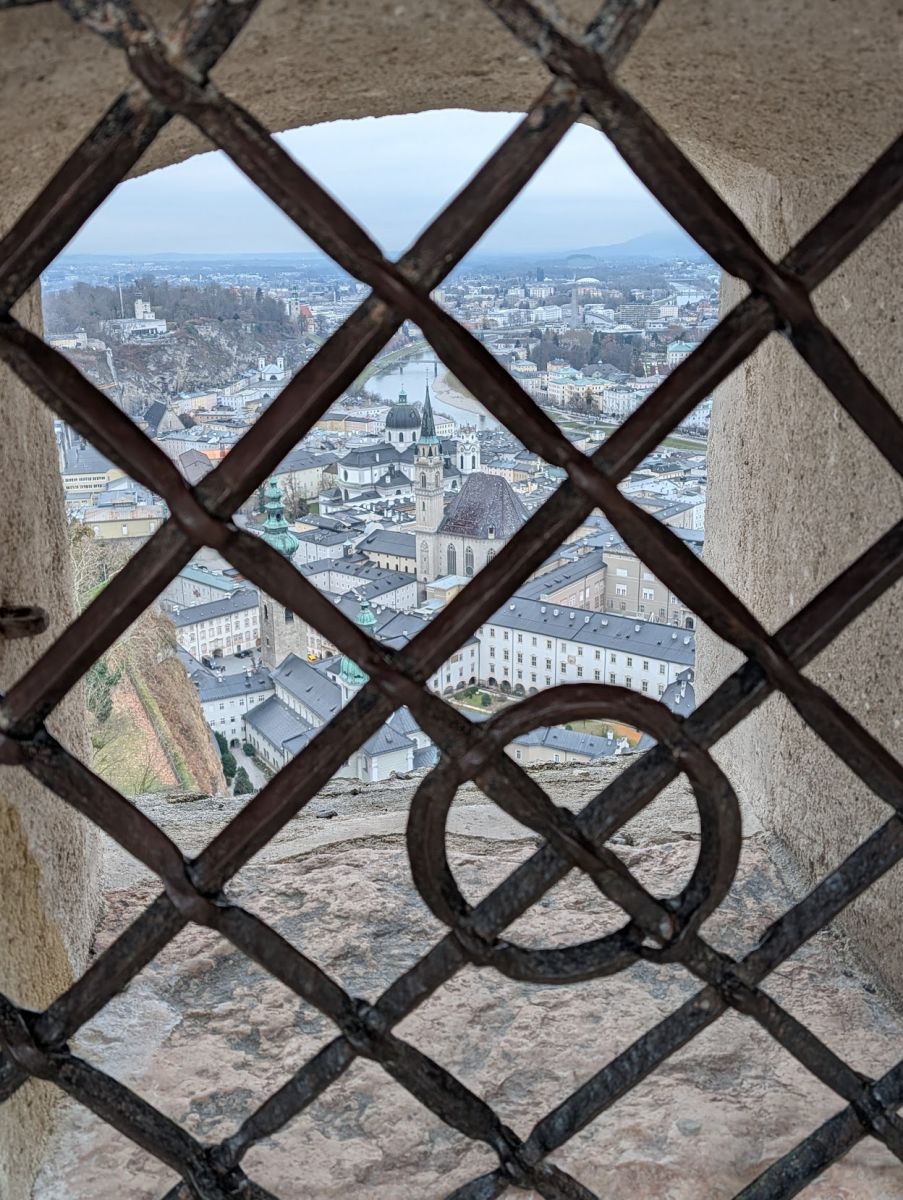
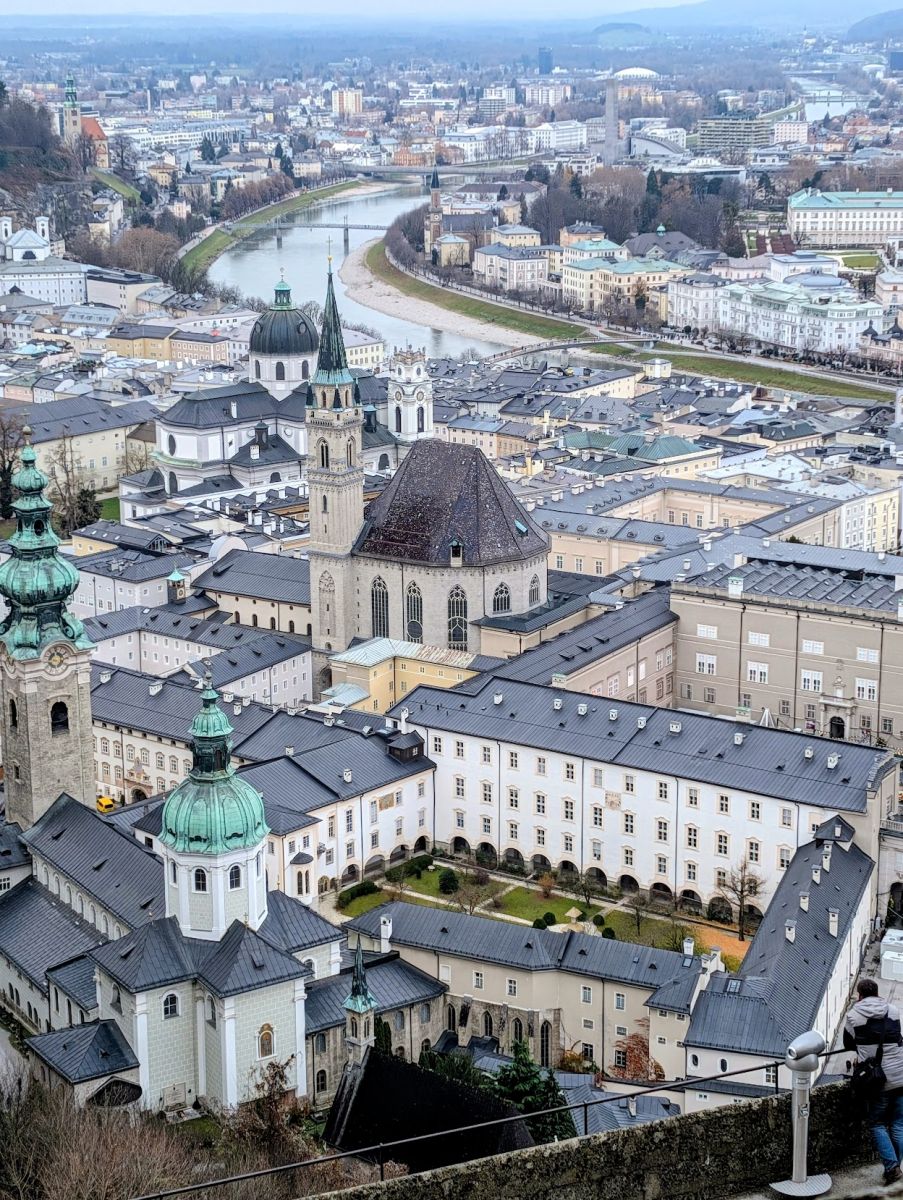
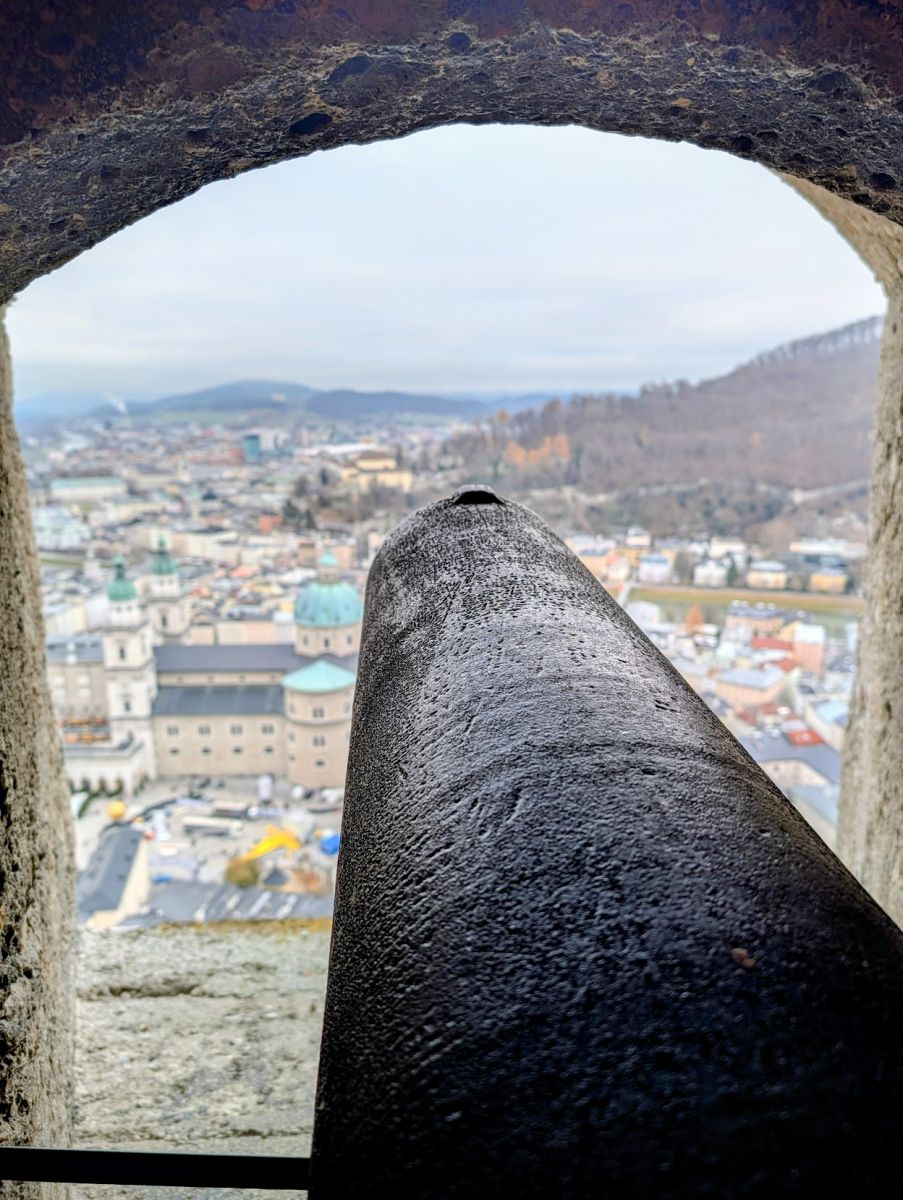
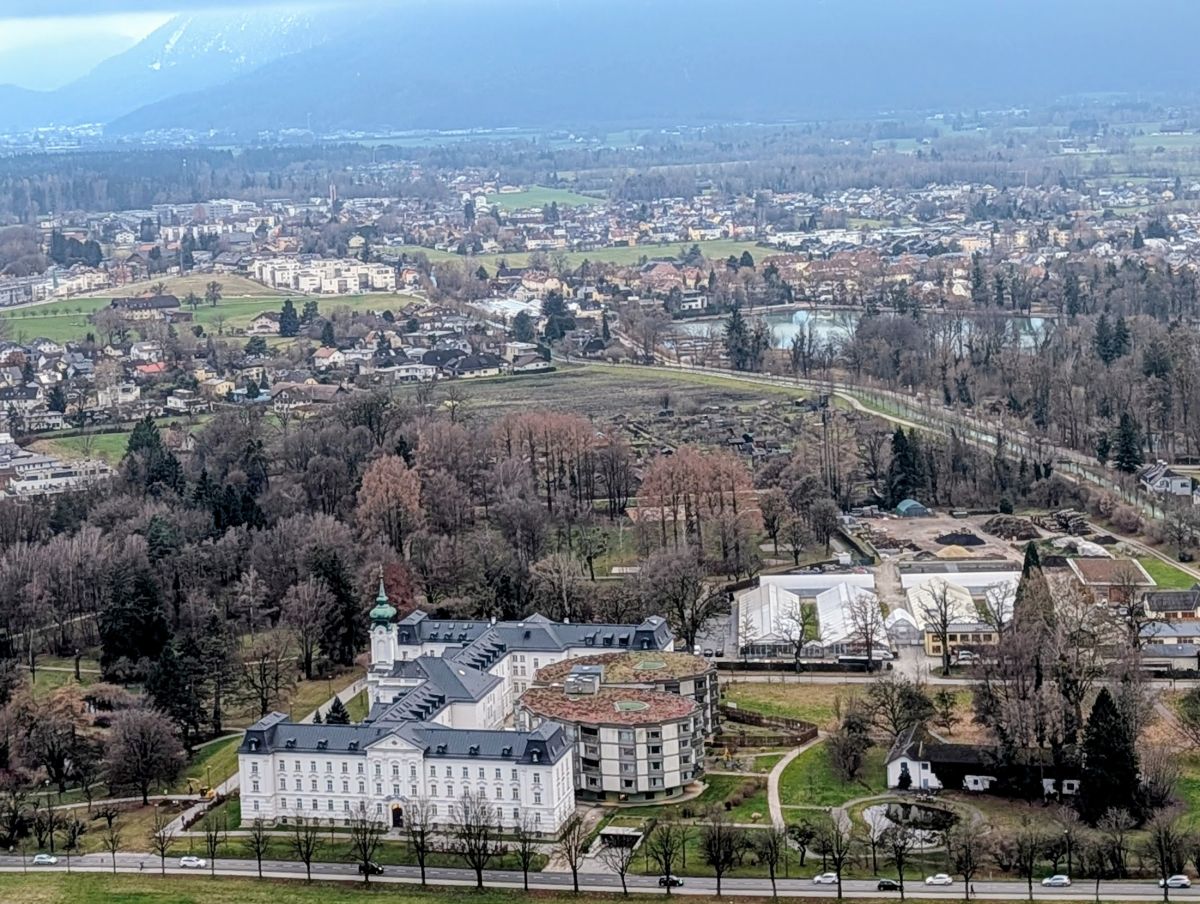
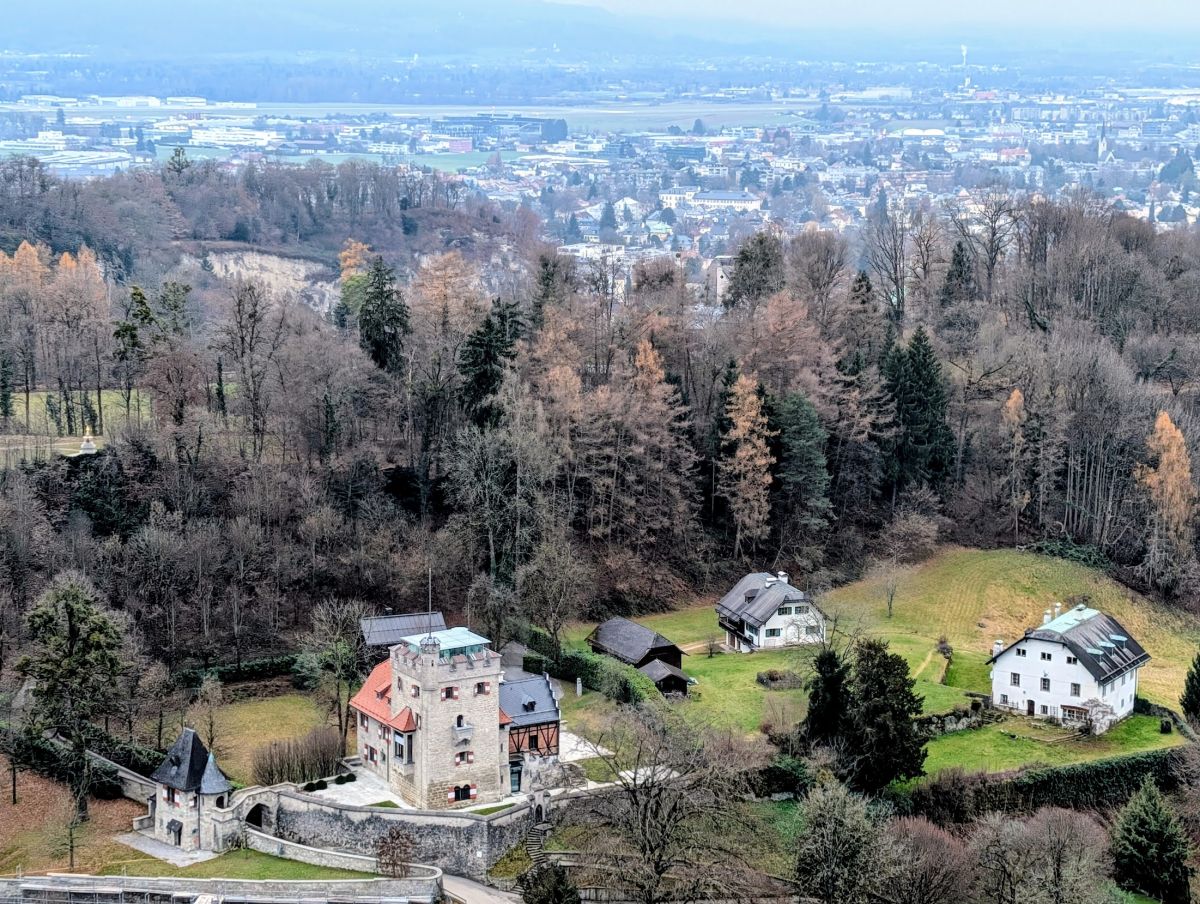
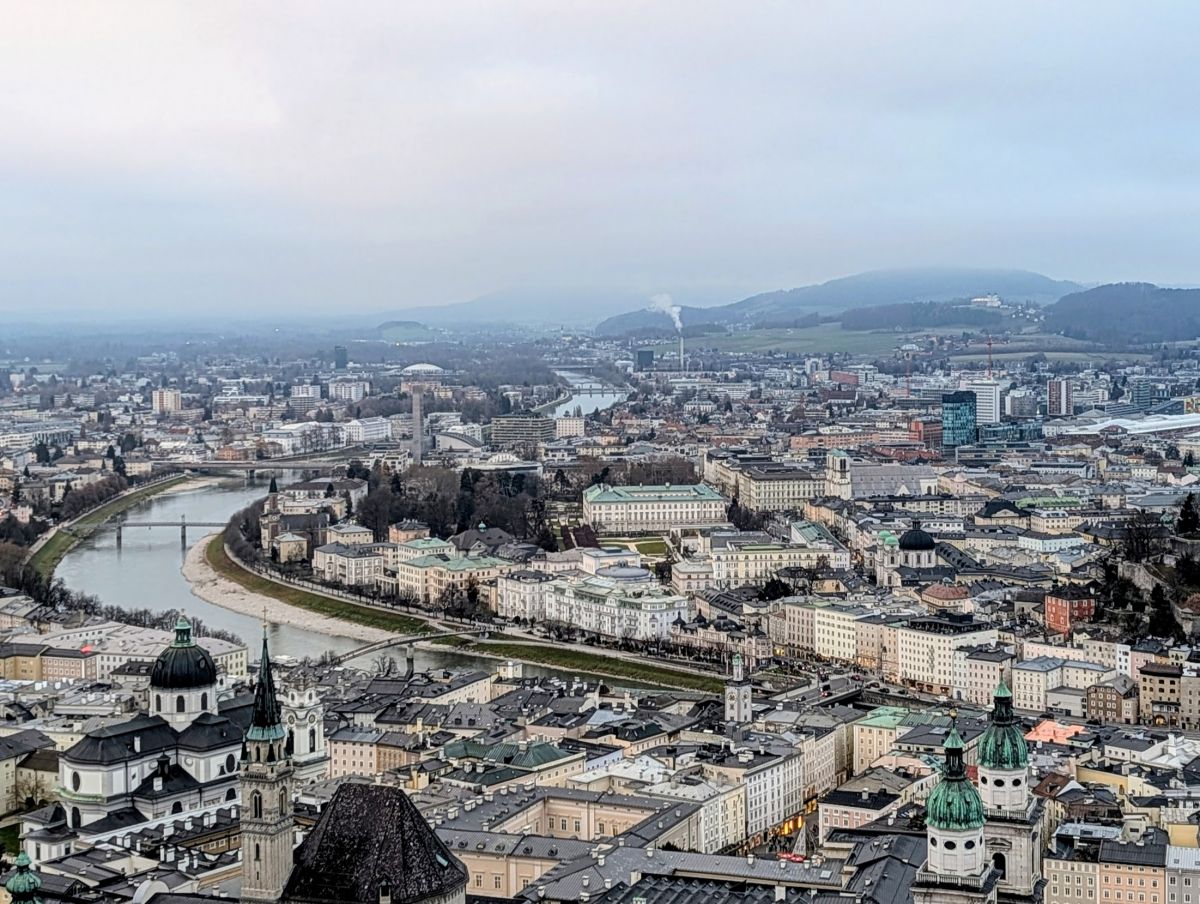
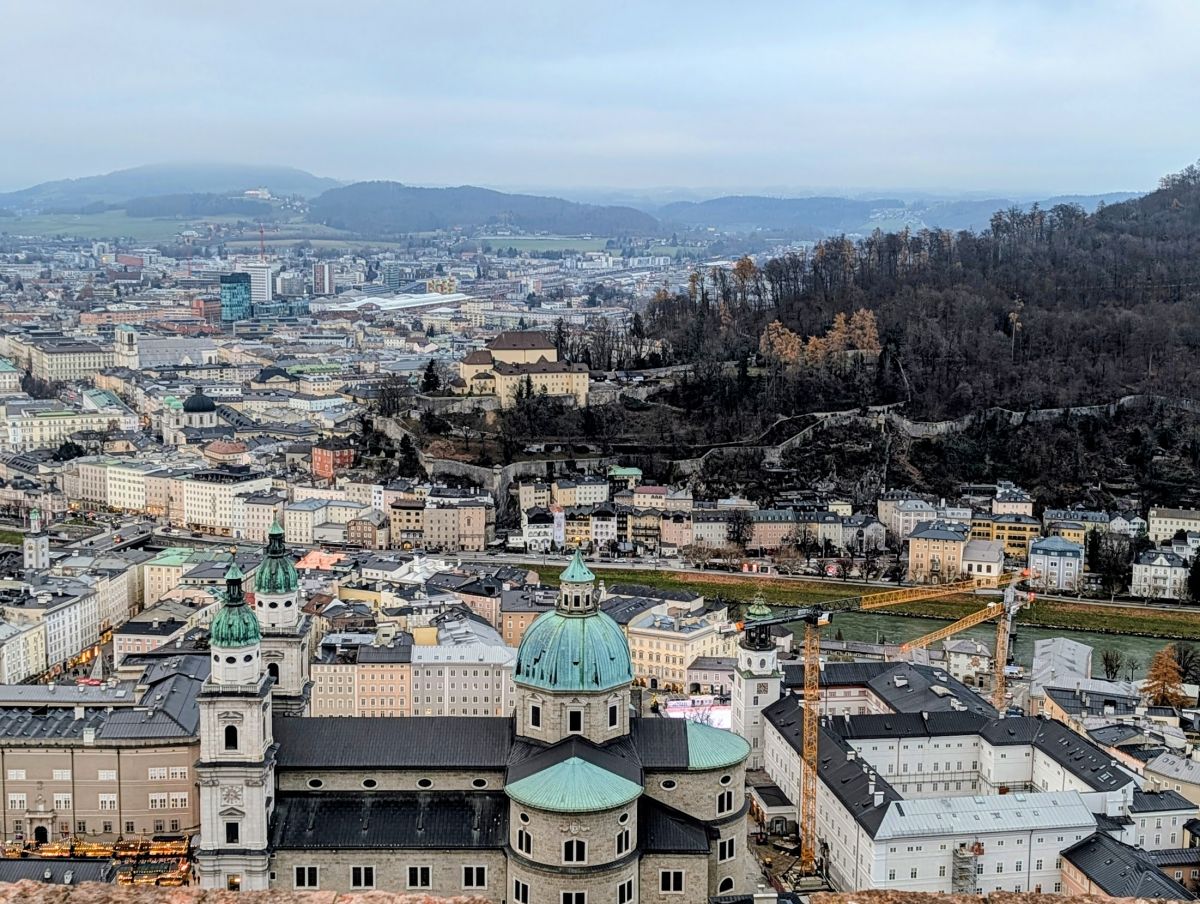
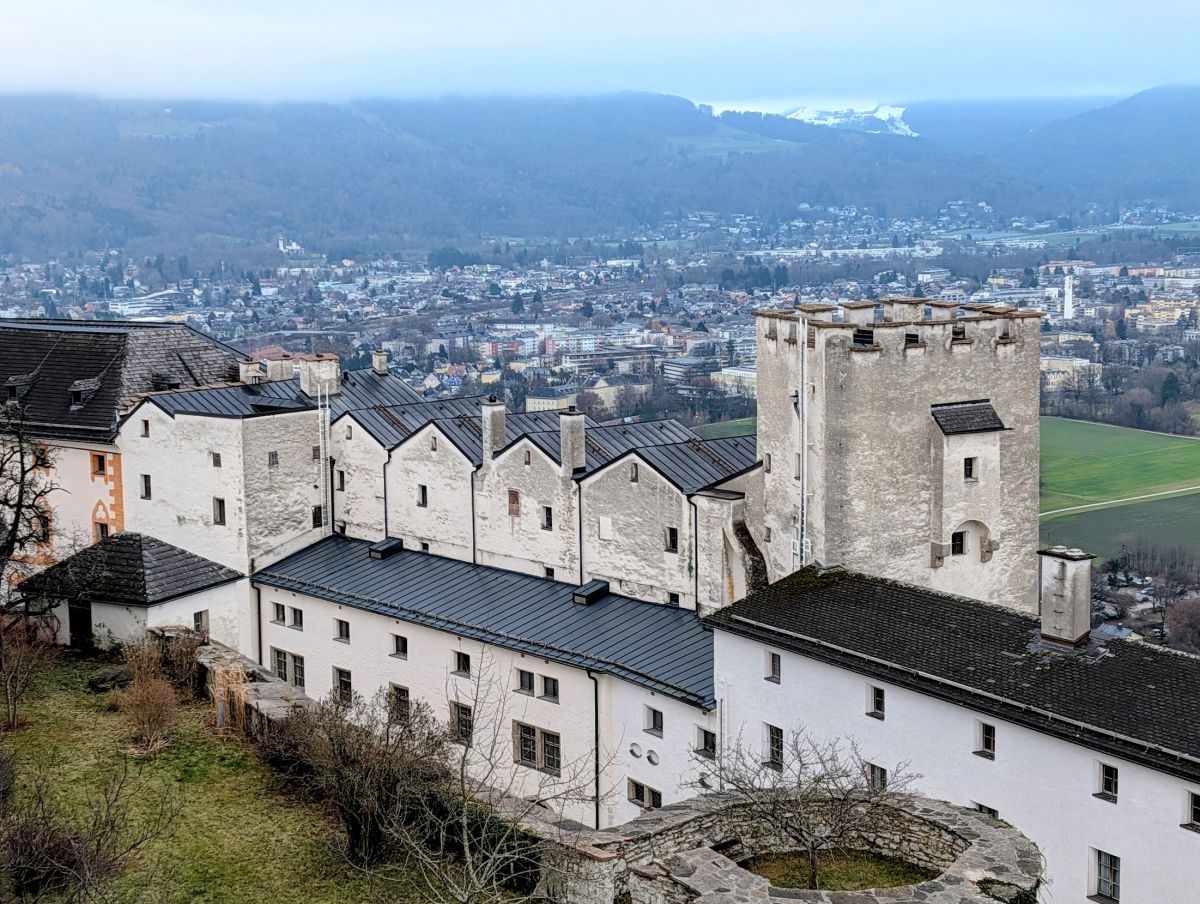
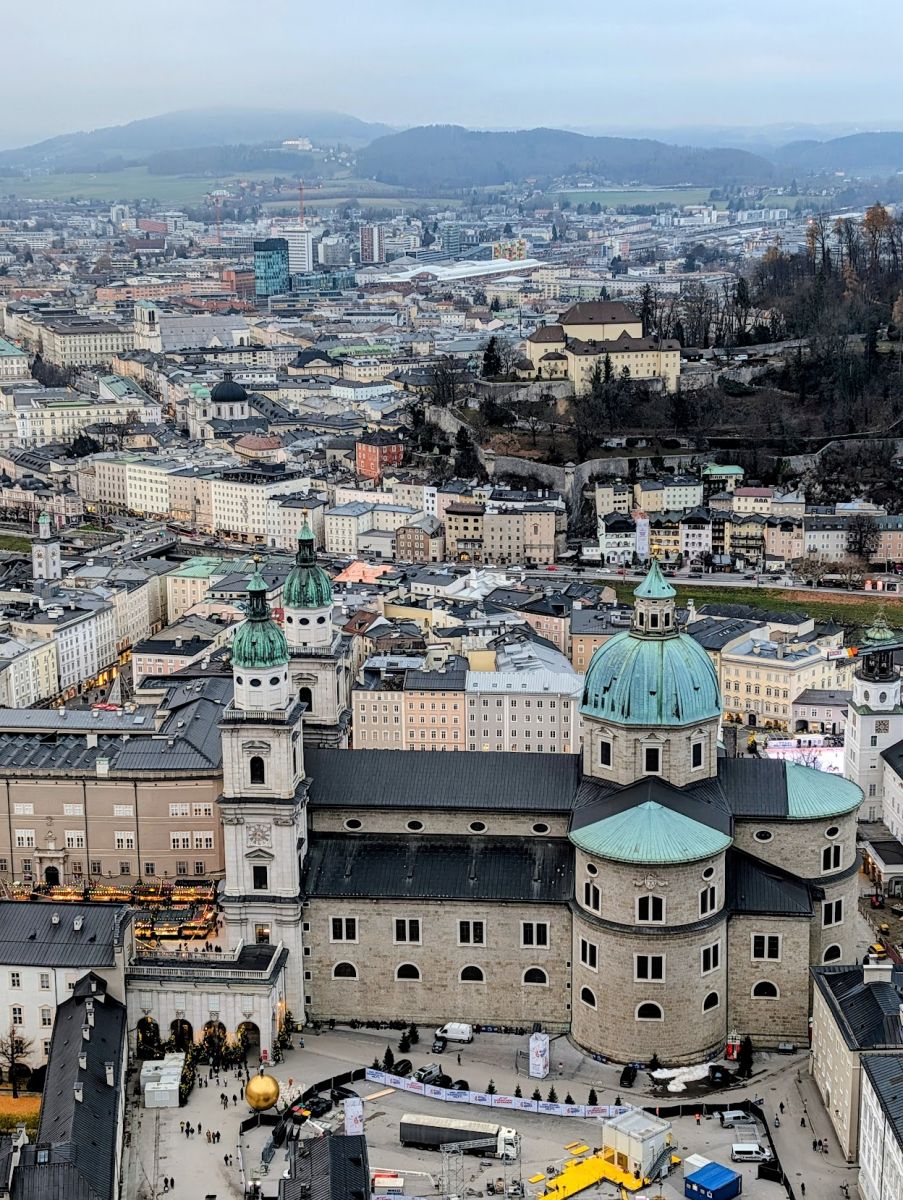
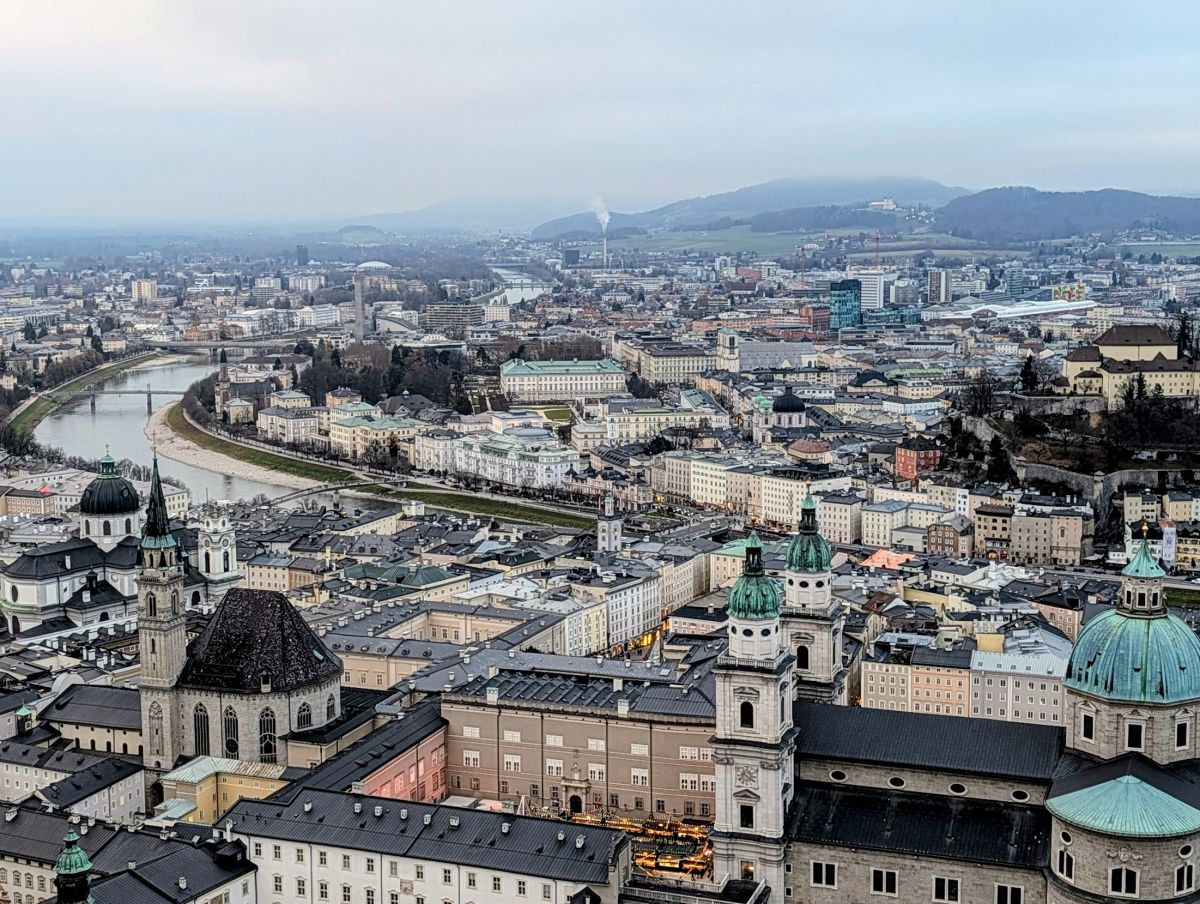
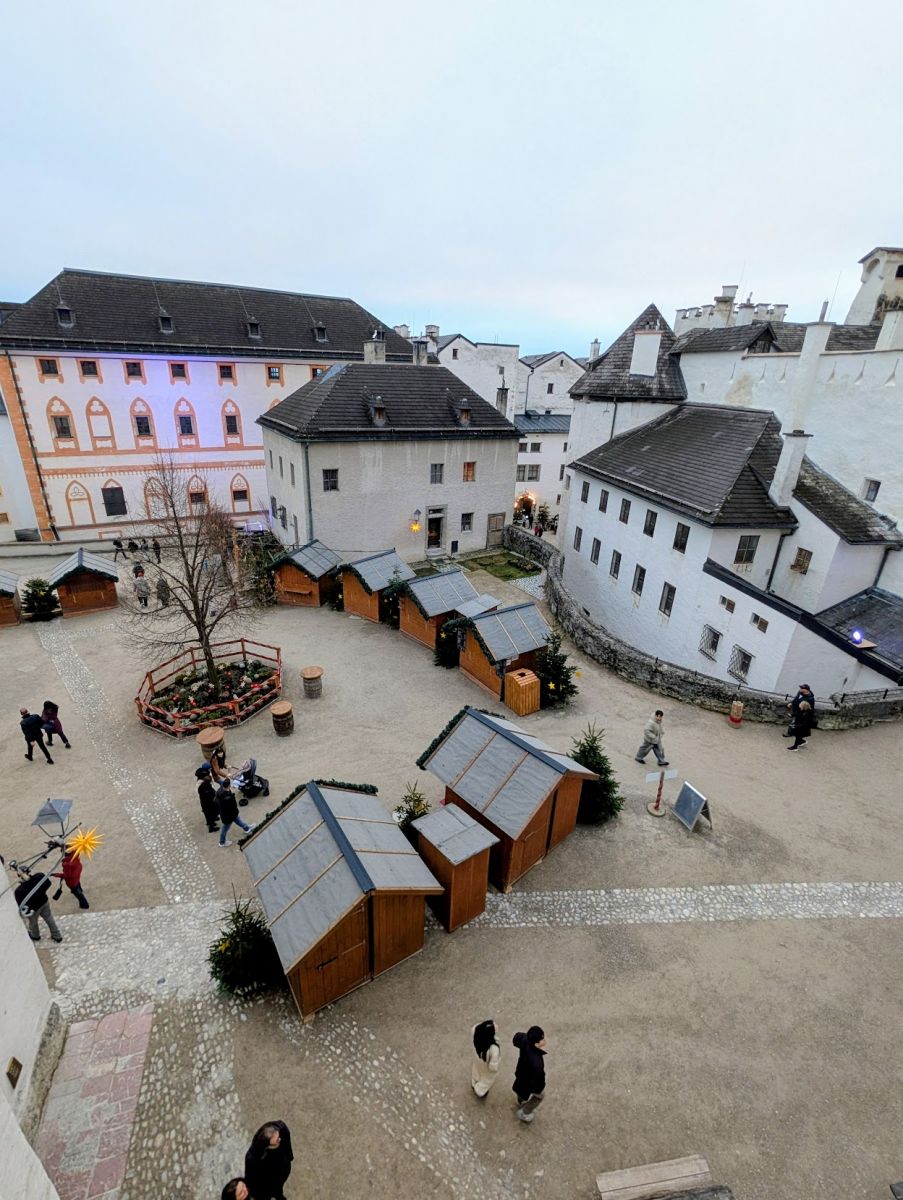
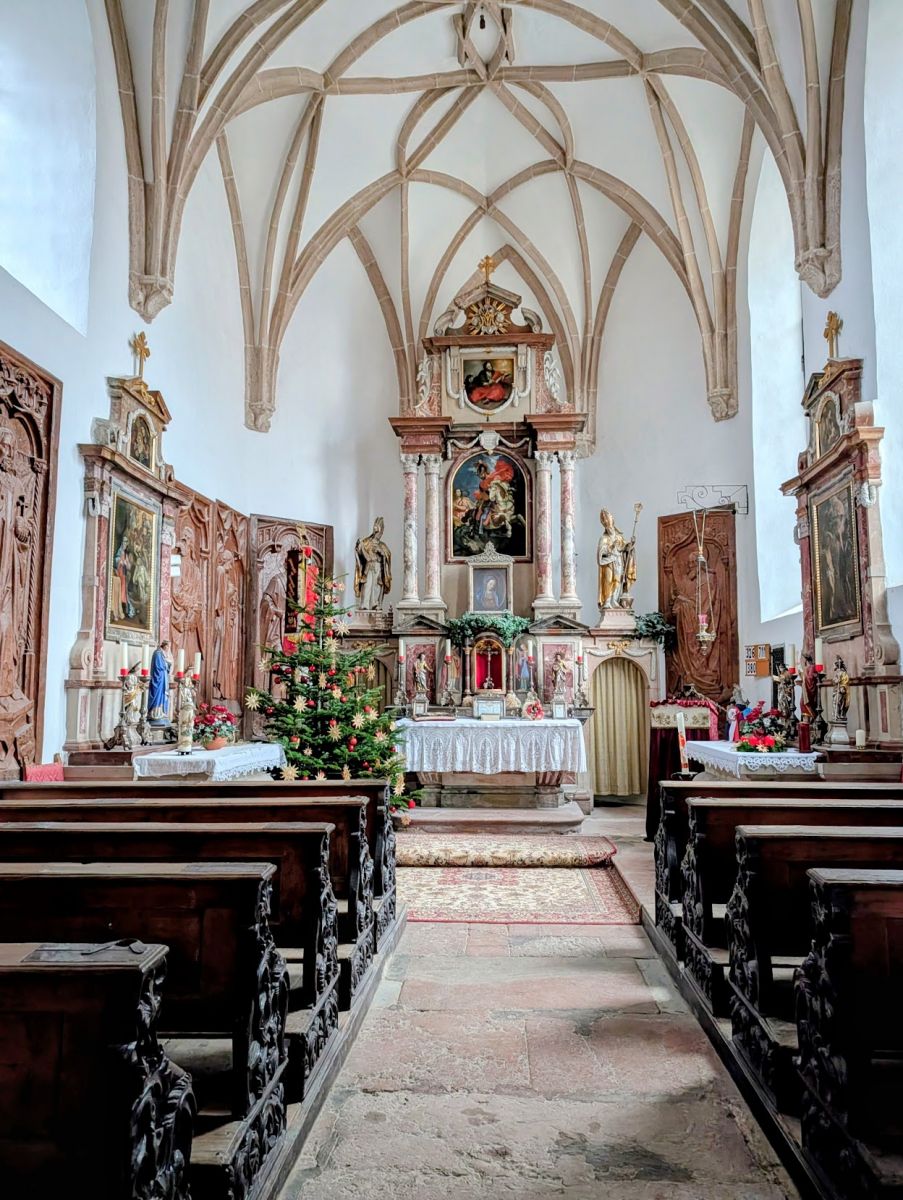
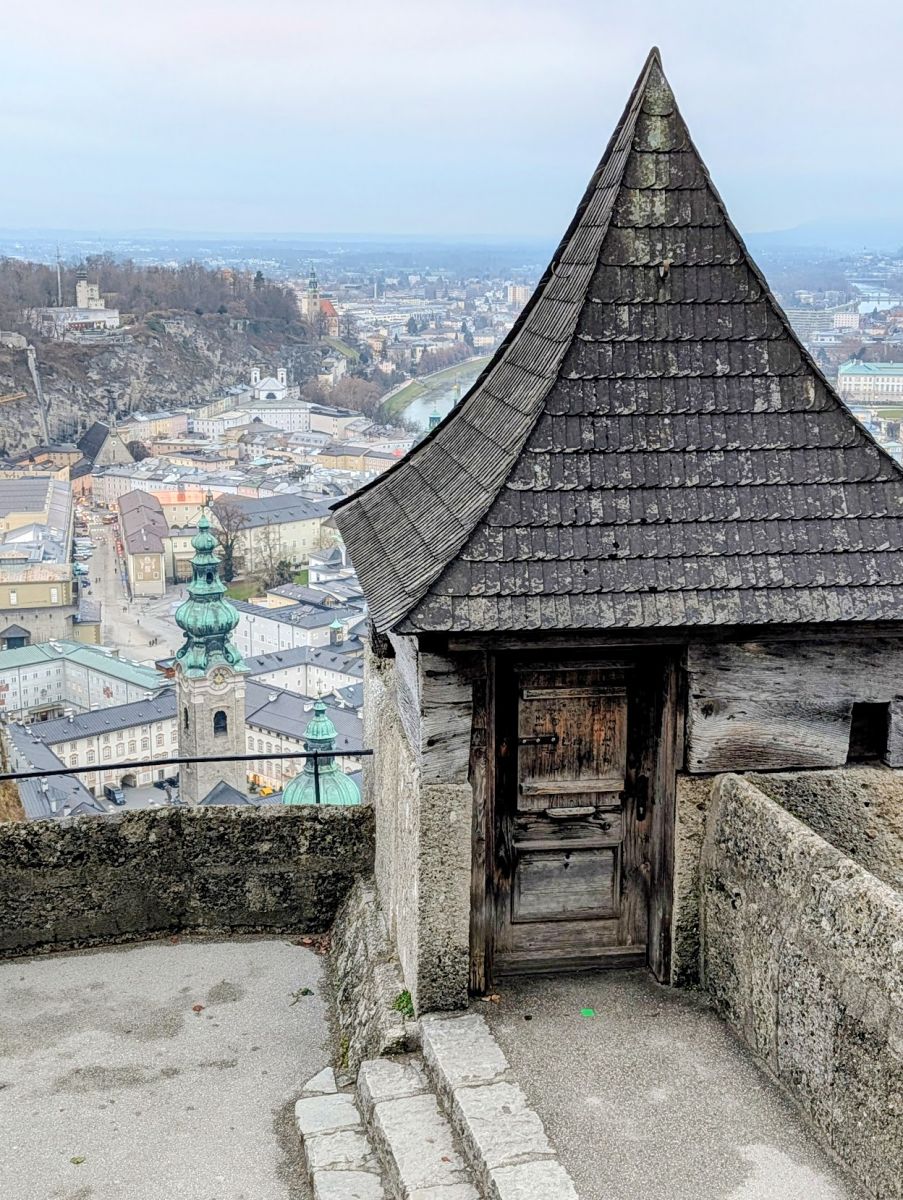
After lunch, we headed up the funicular to Hohensalzburg Fortress. The views from the top are spectacular, and visiting the fortress is a must-do when visiting Salzburg. I visited the fortress when I was here in 2001, and it was worth doing again. Since we all had a 24-hour Salzburg Card (more on that in a bit), we had an express line for the funicular, and the ride up as well as entrance to the fortress itself were covered.
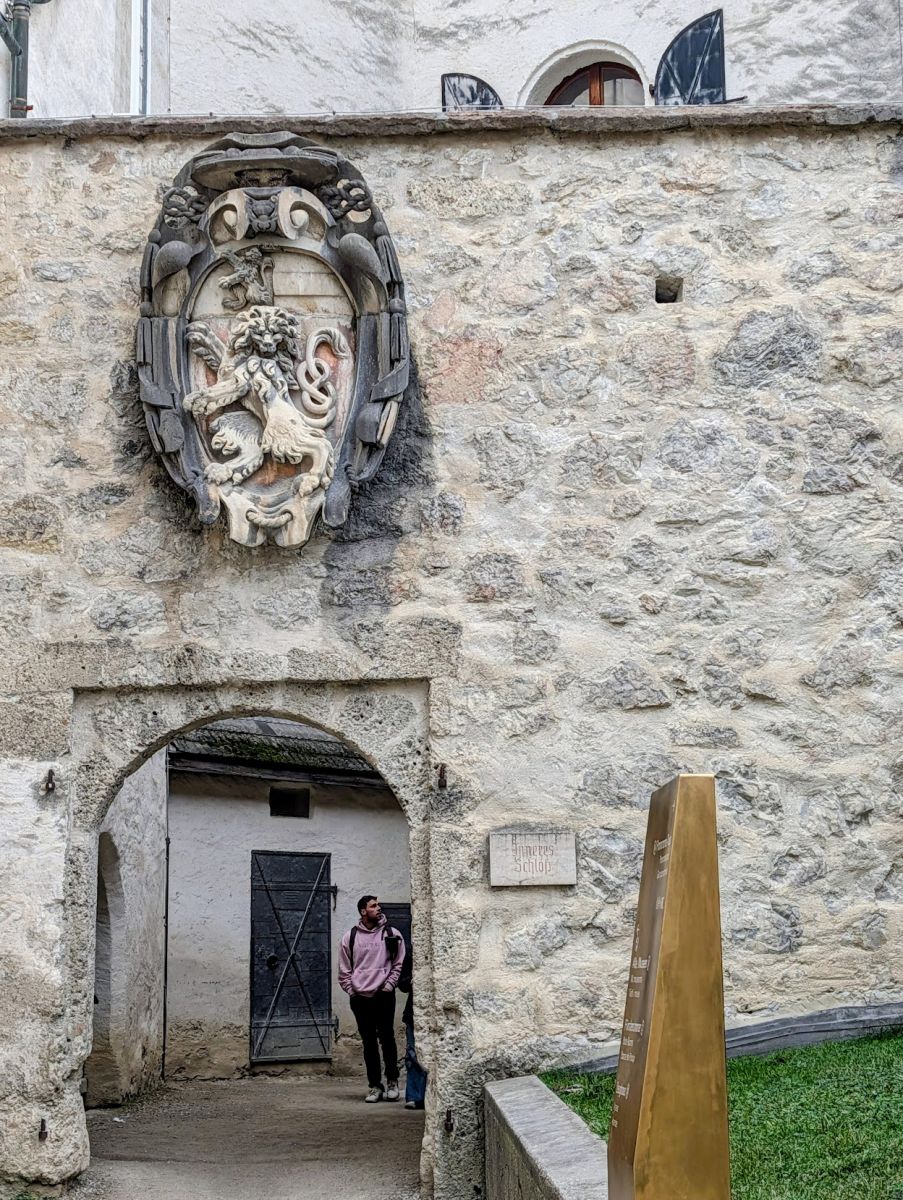
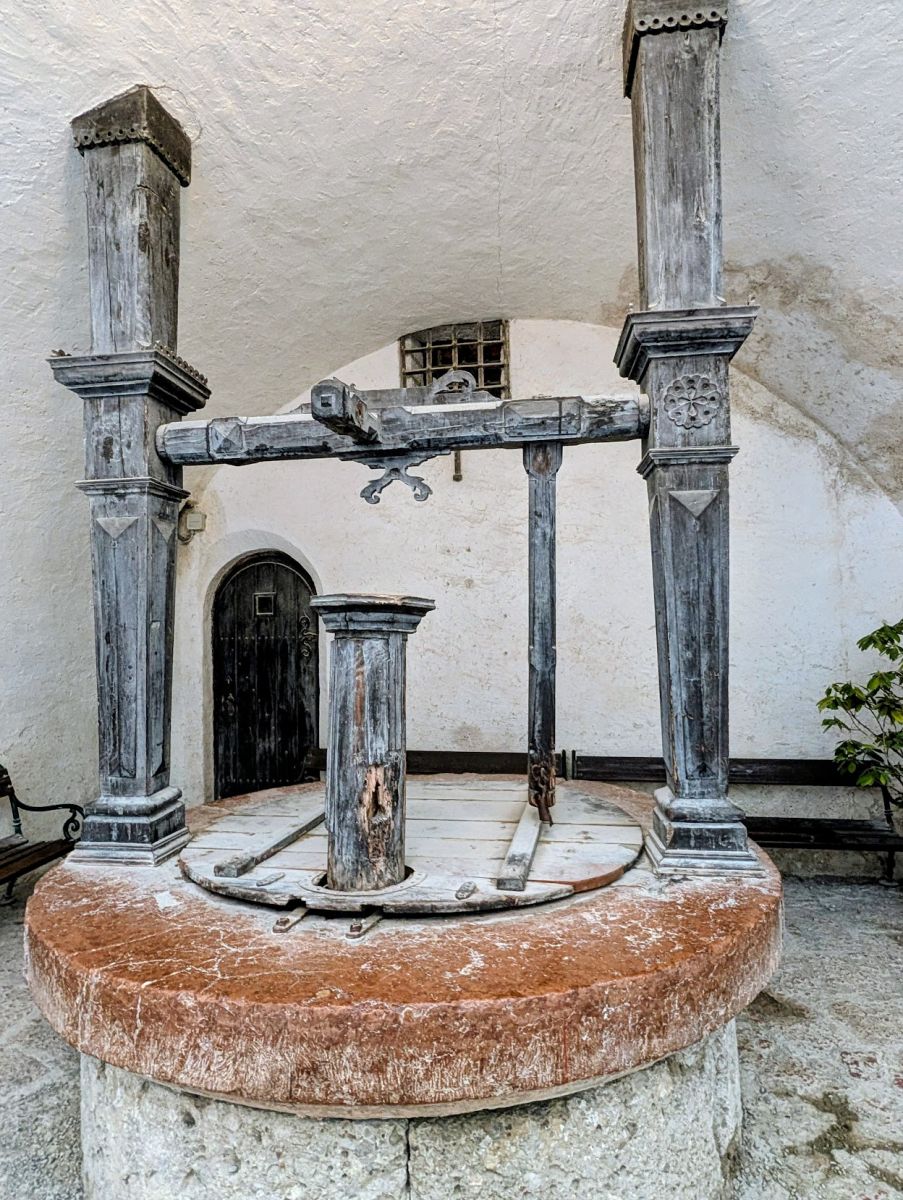
Hohensalzburg Fortress, also known as Festung Hohensalzburg, is a large medieval fortress dominating the city from the summit of the Festungsberg mountain at an altitude of 506 meters (1660 feet). It is considered one of the largest and best-preserved castles in Europe, with a length of 250 meters (820 feet) and a width of 150 meters (492 feet), covering an area of approximately 7,000 square meters (75,347 square feet), expanding to 14,000 square meters (150,694 square feet) when ramparts are included. The fortress complex spans 32,000 square meters (344,445 square feet) and is recognized as the largest fully preserved fortress in Central Europe.
Here’s a short video of the funicular ride up to the fortress:
The Salzbur Card is a great way to get around and see Salzburg, and I highly recommend it if you’re visiting for a full day or more. You get free admission to all city tourist attractions and museums, free travel on public transportation (except S-Bahn trains, but almost everything in Salzburg is accessible by the fantastic bus system), discounts on various events and excursions, and in some cases express lines to attractions (like the funicular!)
Speaking of buses, I noticed they have “hop on, hop off” busses in Salzburg. I don’t know why anyone would use one, though, since the city buses are plentiful, go everywhere, and are very inexpensive. Even without the Salzburg Card, you can get a 24/48/72 hour bus ticket for next to nothing. Buses seem to come every 5-7 minutes at most stops.
Dinner at St. Peter Stiftskulinarium
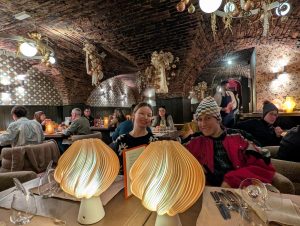
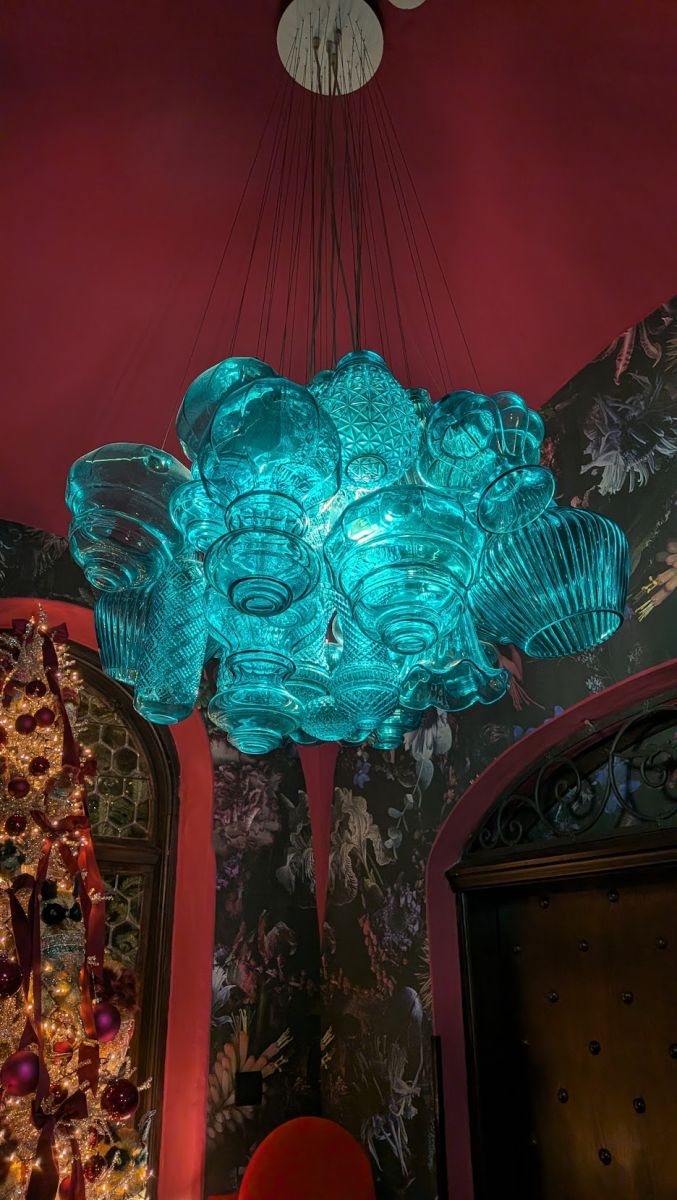
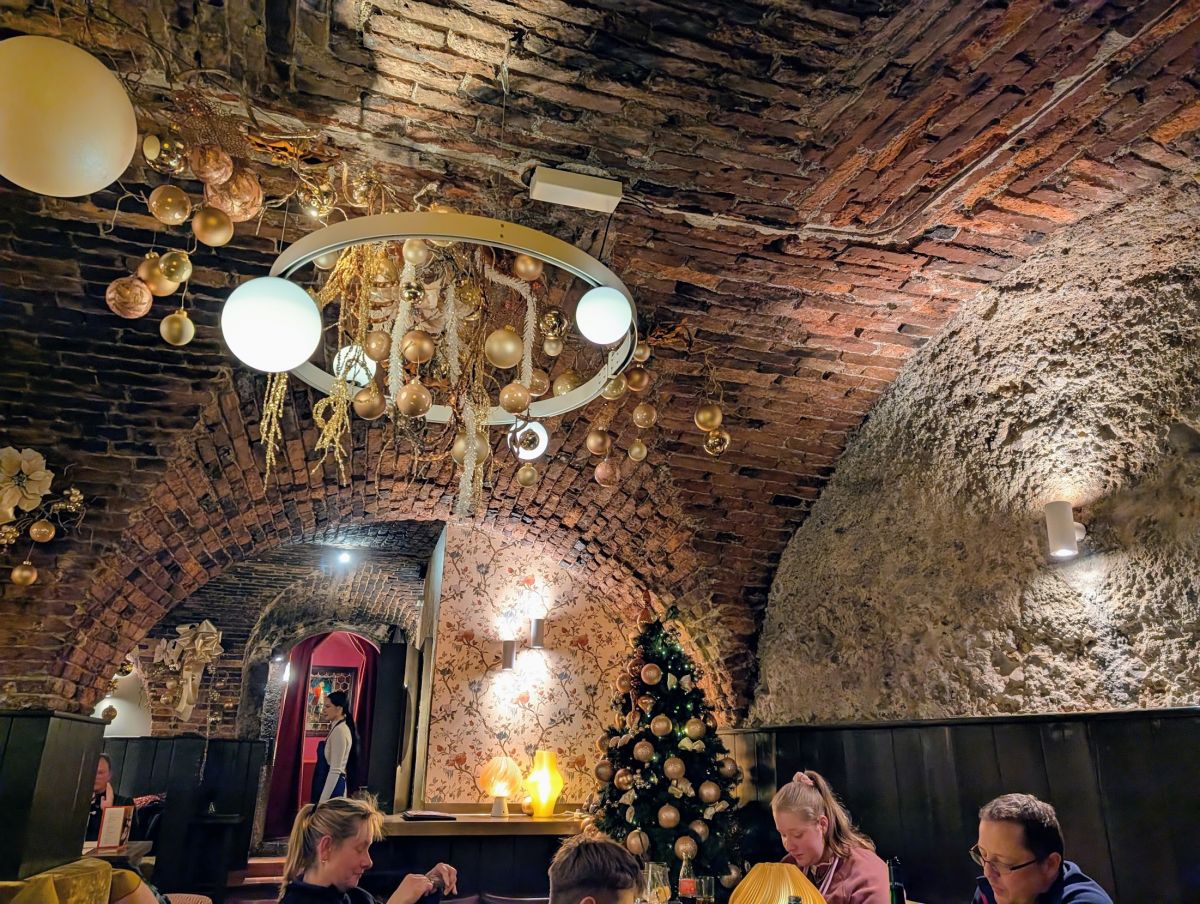
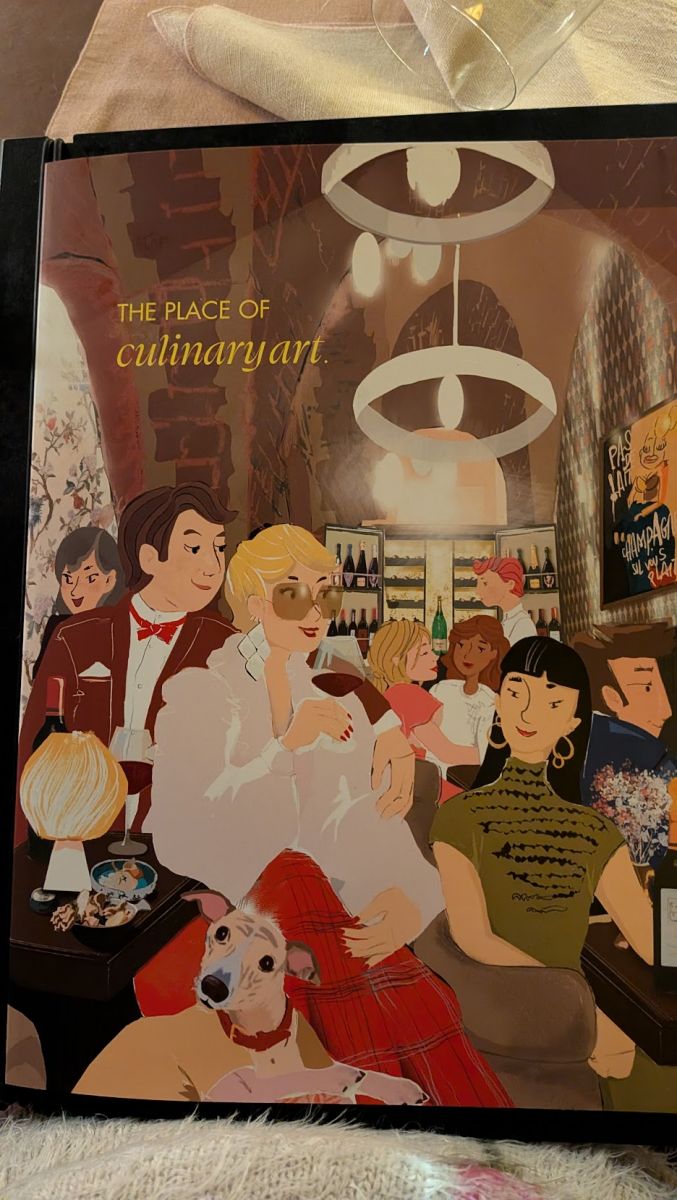
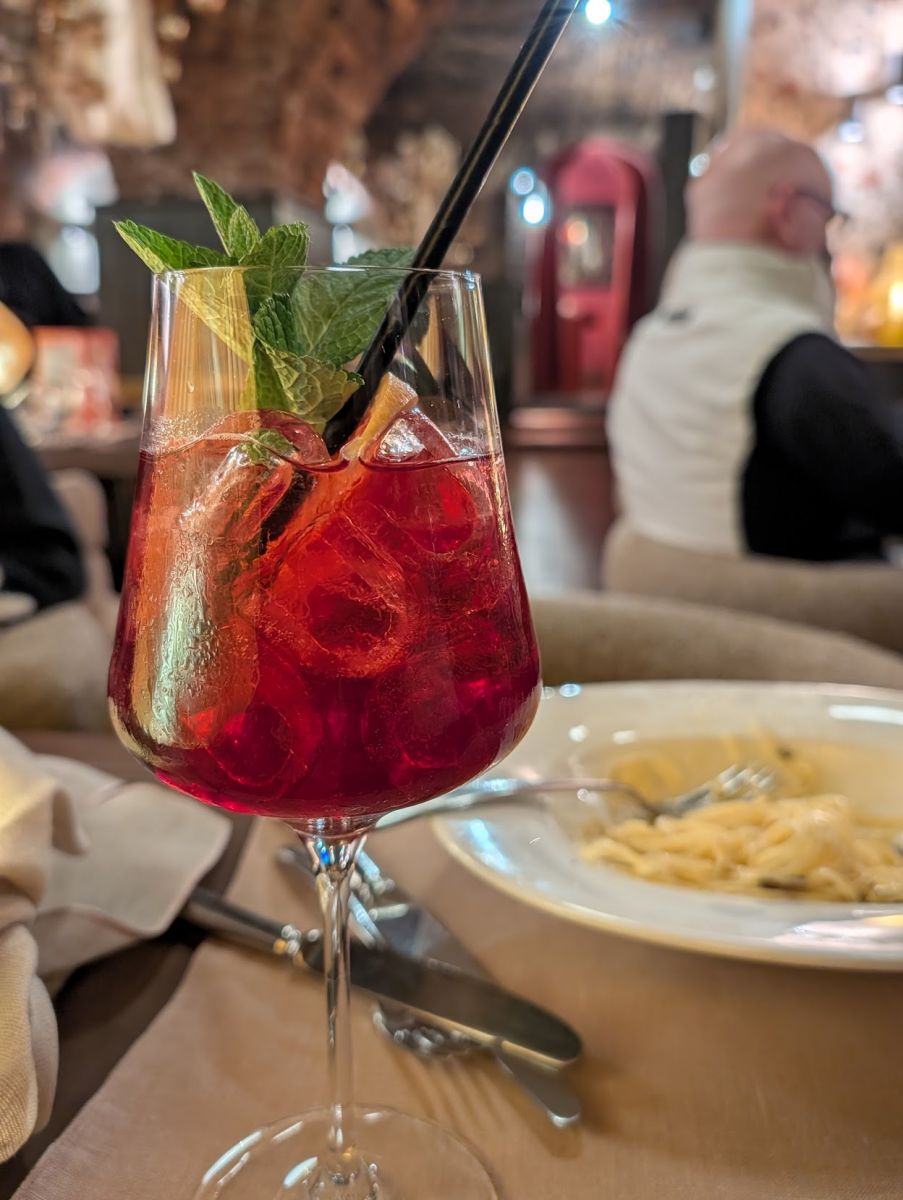
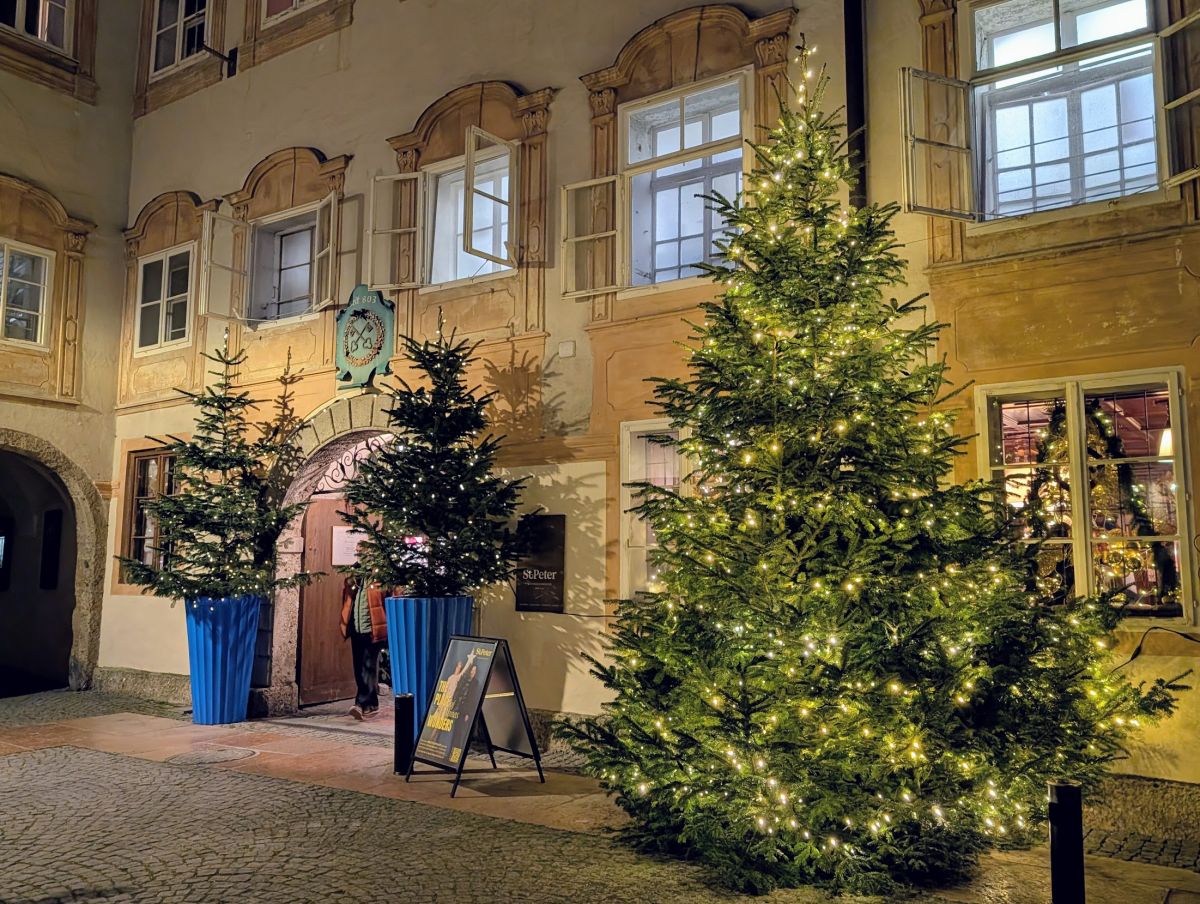
If you’re planning to visit Salzburg, do yourself a favor and make a reservation at the oldest restaurant in the world (see Note at the top of this post for more on that designation). It was a pretty amazing experience. The restaurant is located within the Benedictine Archabbey of St. Peter, in what was considered the cellar, although it’s not below ground. The first documented mention of the St. Peter “Stiftskeller” appears in a letter to Charlemagne written by Alcuin of York, a scholar and advisor to the emperor. Since then it has hosted the likes of Faust, Mozart, and even Christopher Columbus.
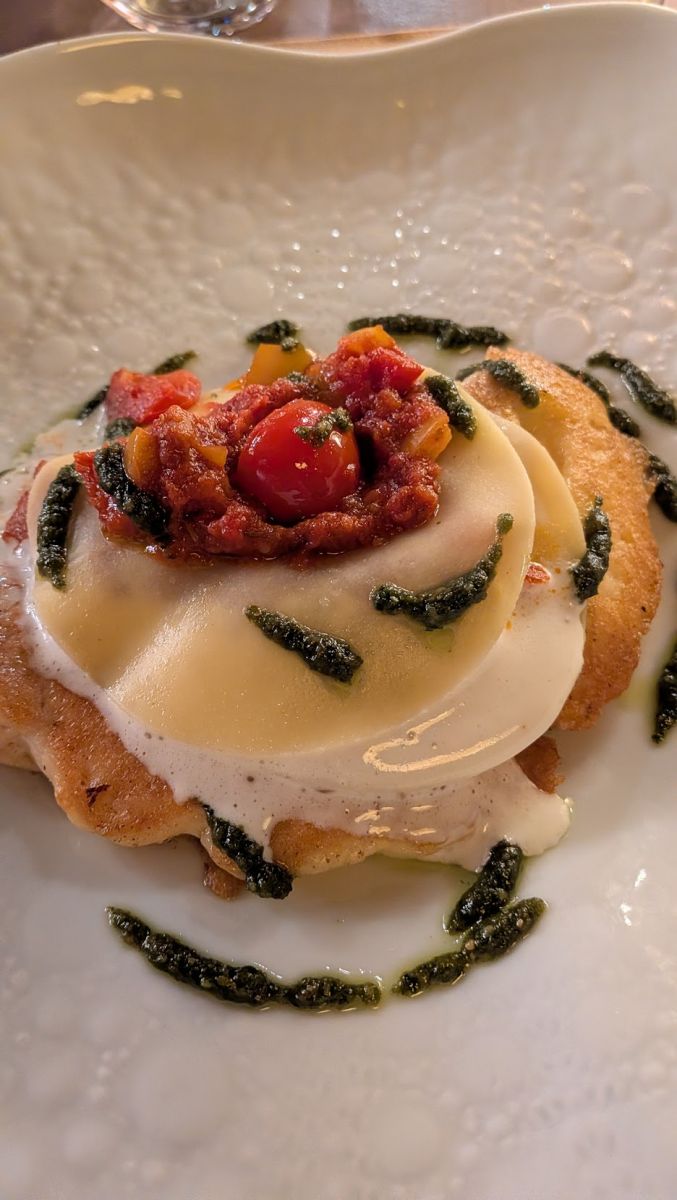
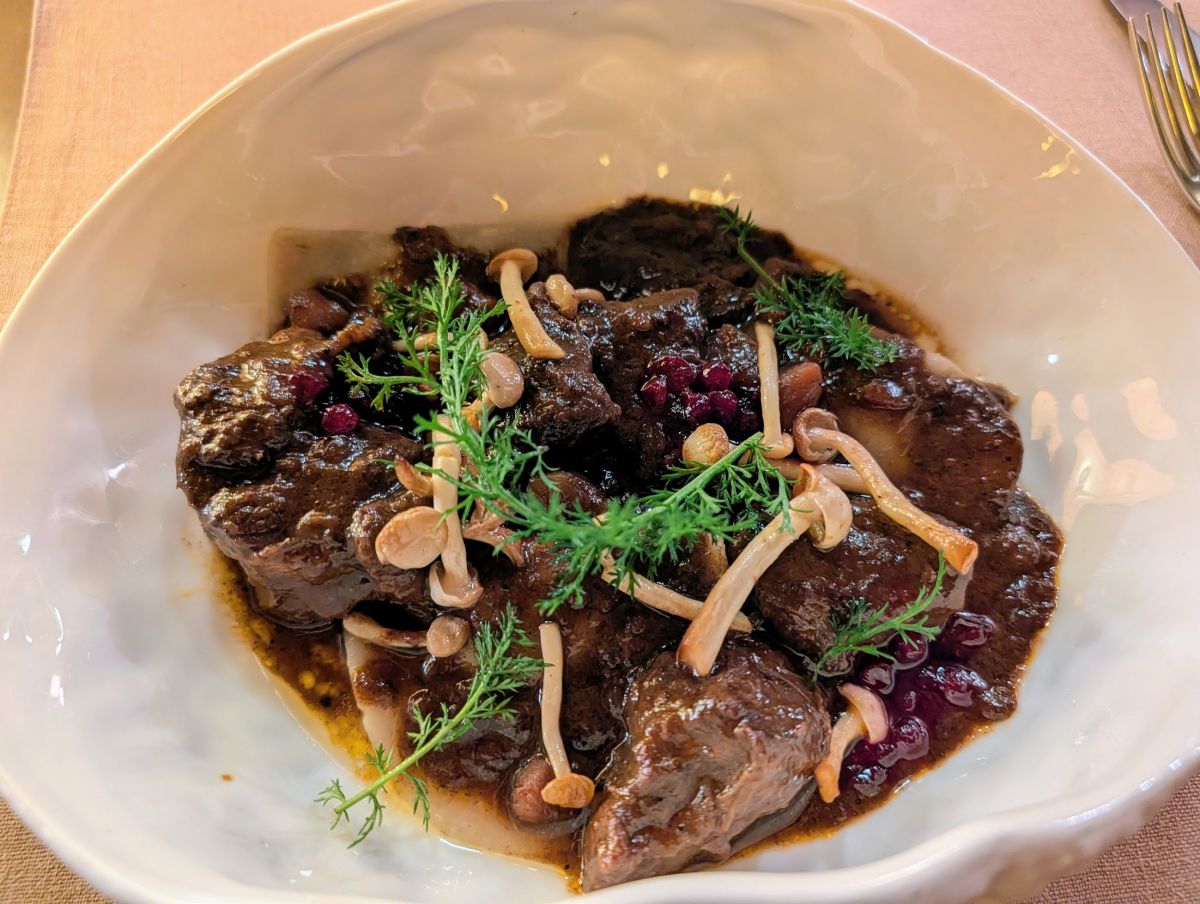
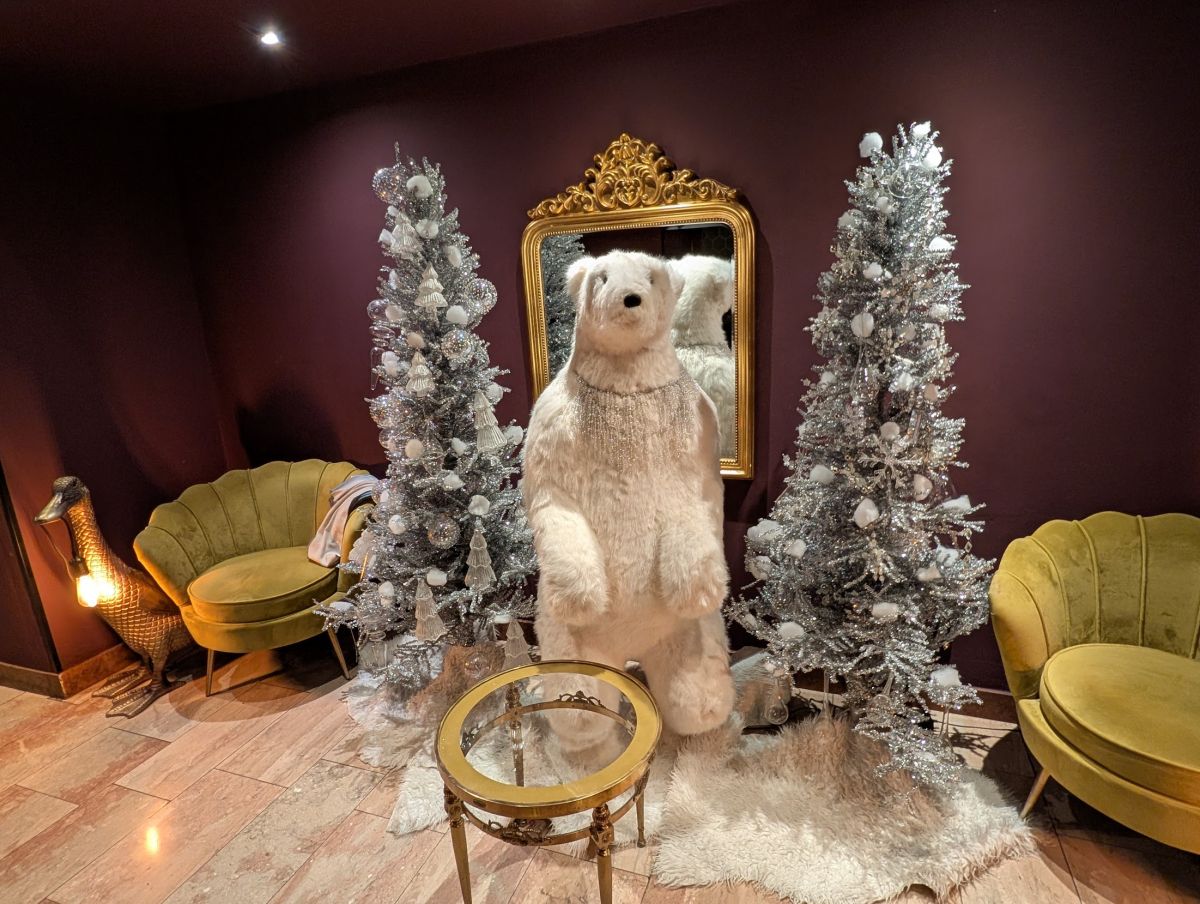
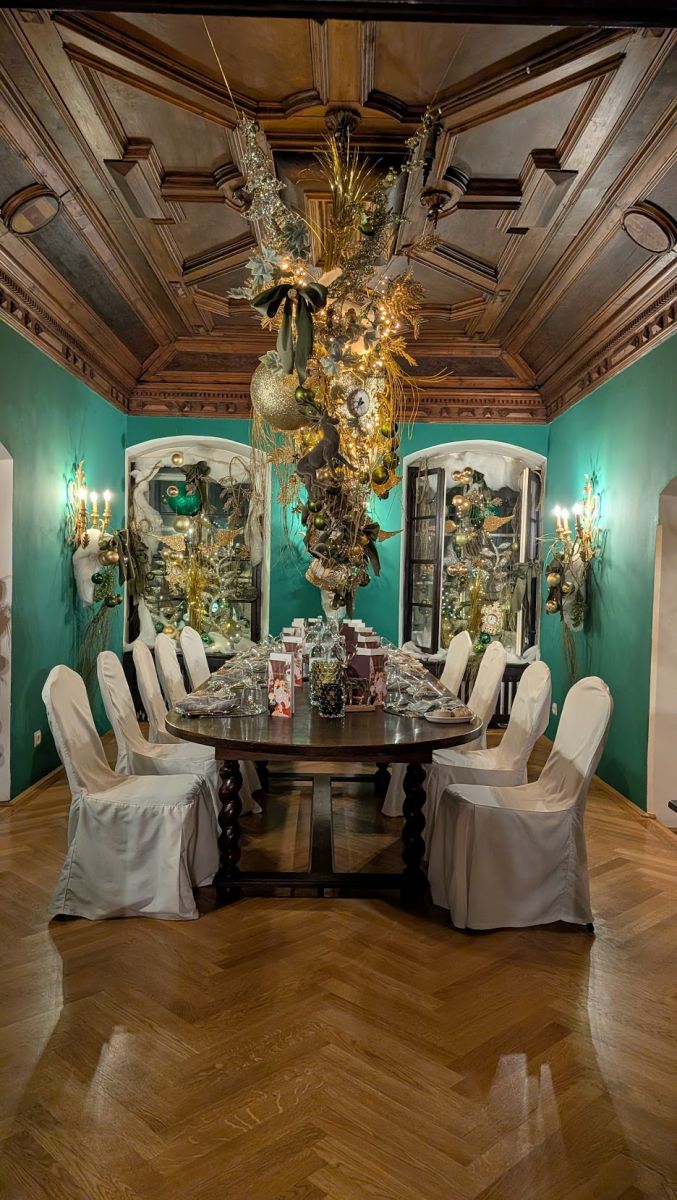
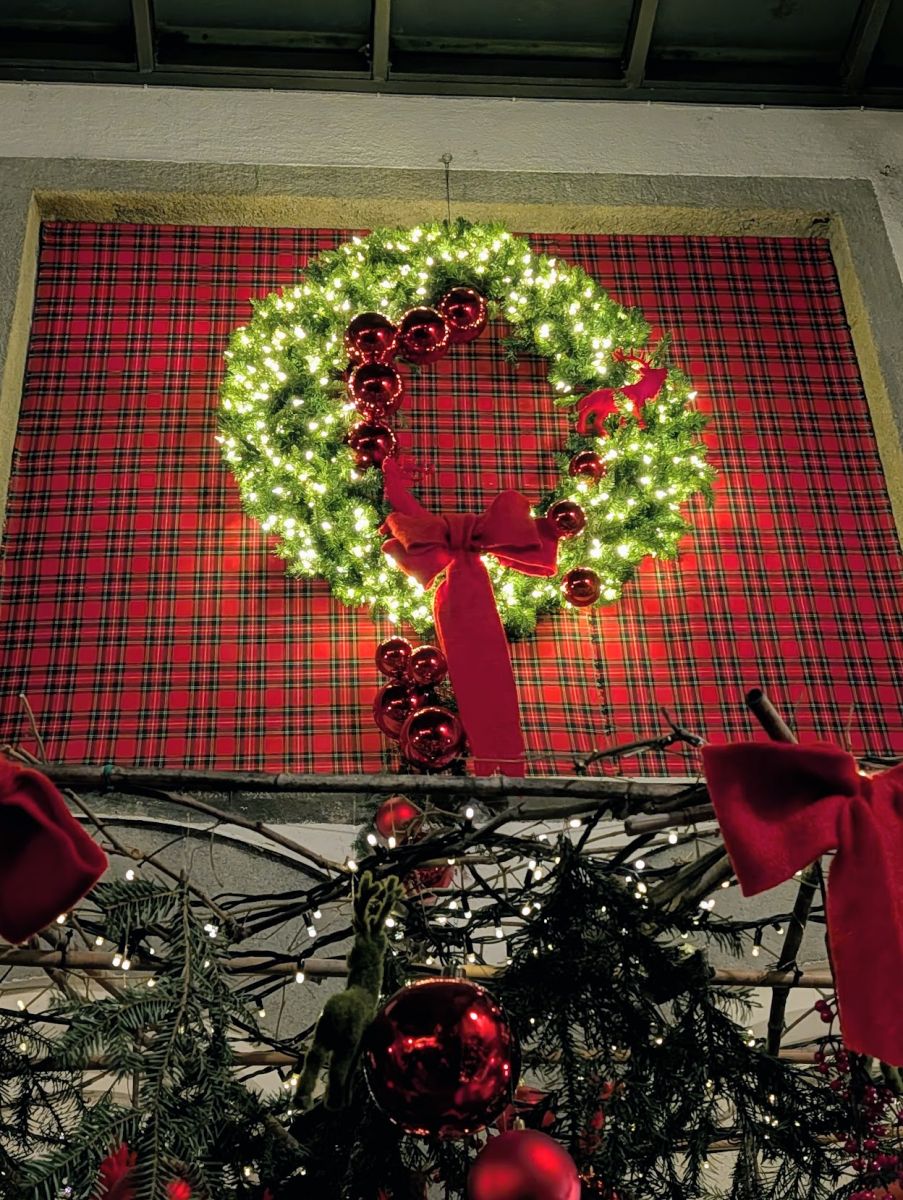
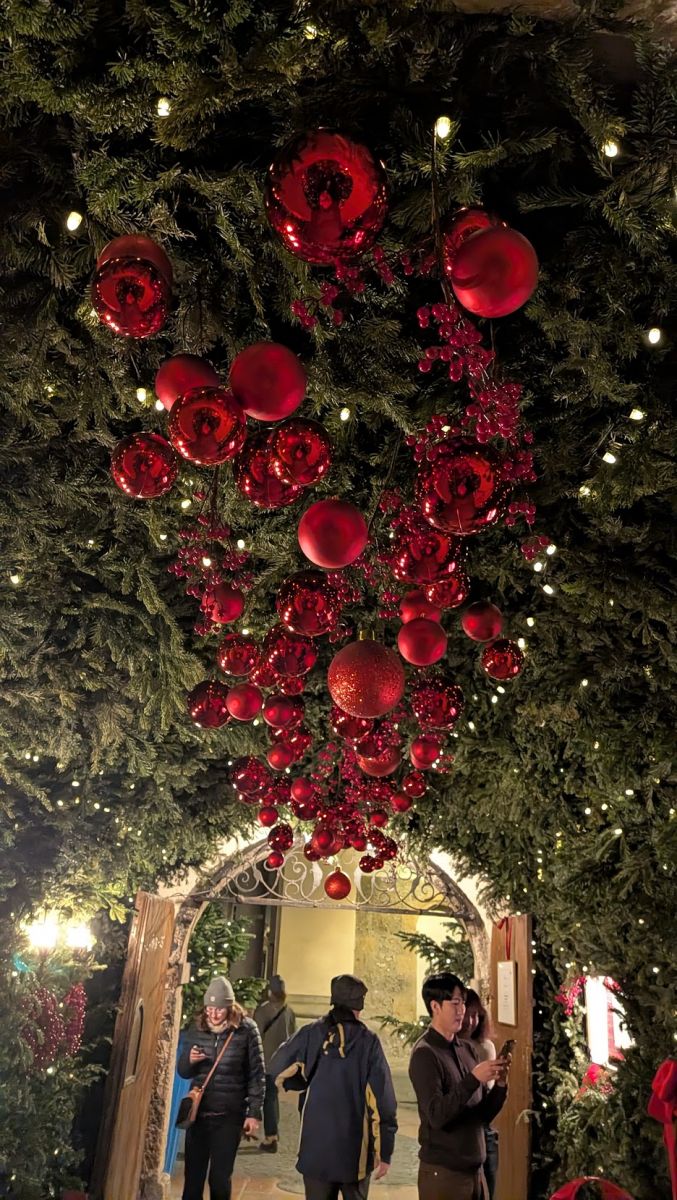
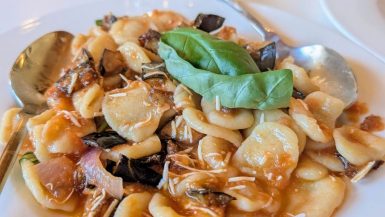
The food and the festive Christmas decorations were both great. I had the ragout of Austrian deer (with dwarf pine ravioli and lingonberries). It was the most interesting dish I’ve ever had. The lingonberries were incorporated into the sauce, lending just a hint of sweetness to the otherwise savory dish, and went very well with the venison. But the most interesting part was the dwarf pine ravioli. It tasted like a Christmas tree. The meat was served on top of the ravioli, so you’re meant to get a bit of both in each bite, and the combination was like nothing I’ve had before.
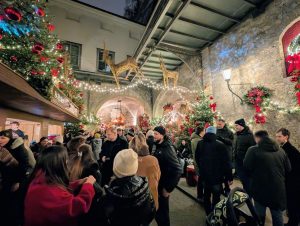
We spent some time exploring the many side-rooms at the restaurant, as well as the grounds. They had their own (very small) Christmas Market with only a single stall, plus a lively brass band. It must be a local favorite, because it was packed and everyone was having a great time!
On our way back from dinner, we encountered a group of carolers singing Winter Wonderland. Here’s a short video of the carolers:
Photo Dumps
Sound of Music + Mondsee Photos
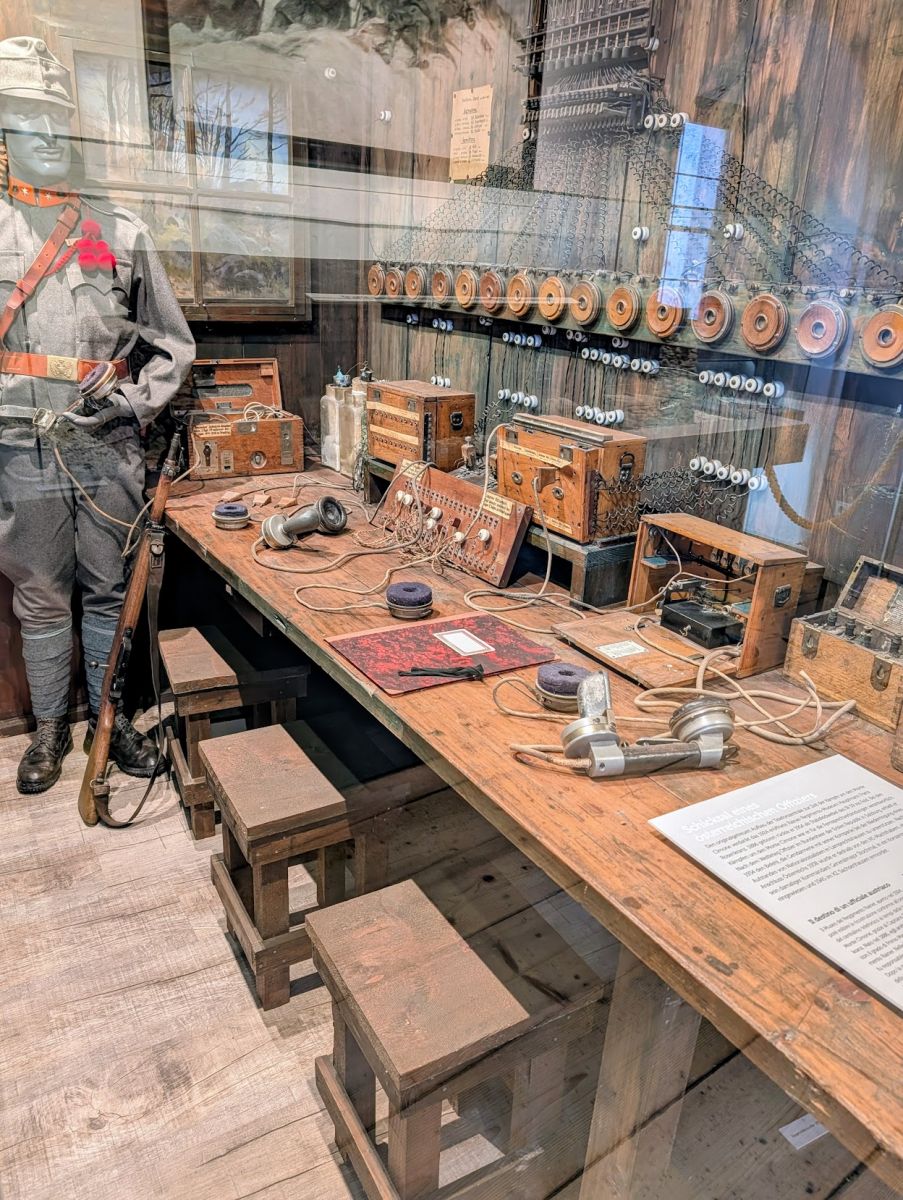
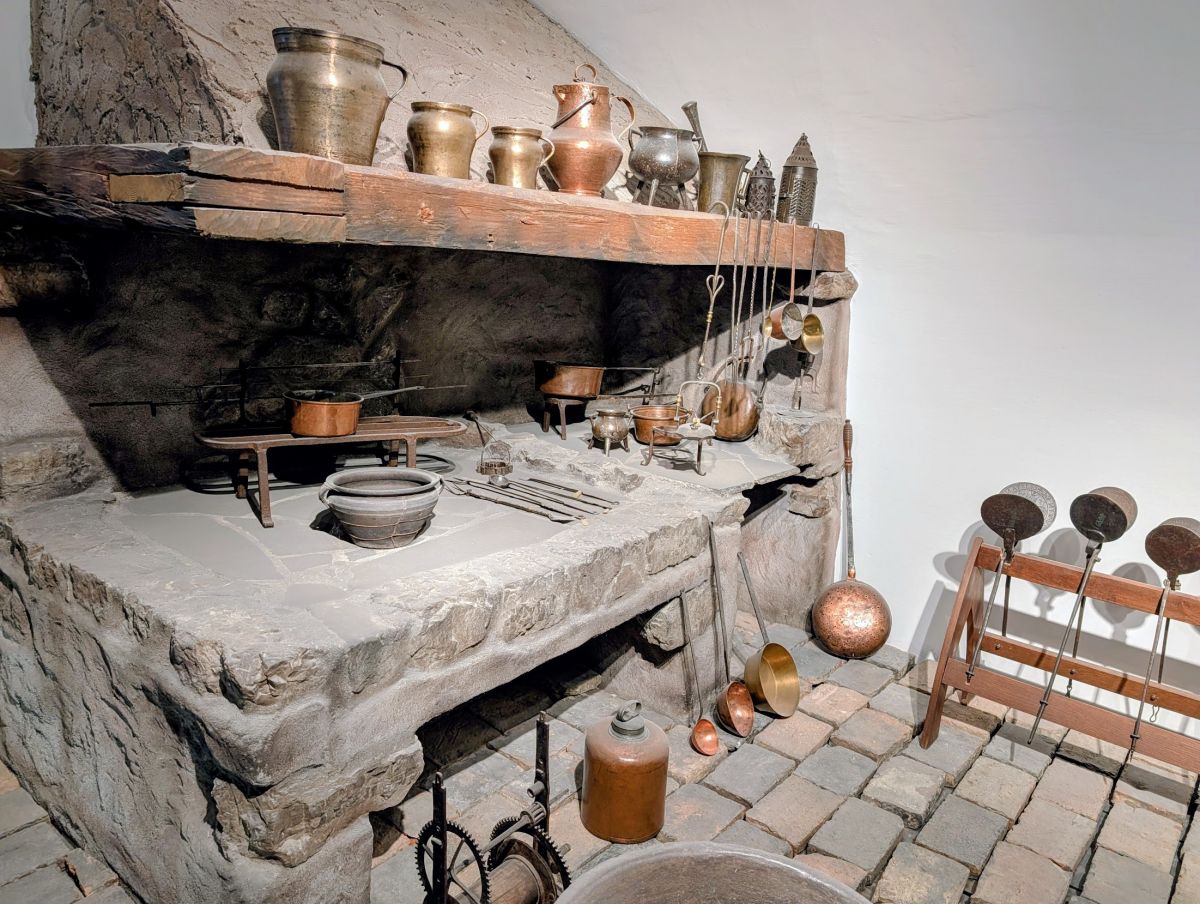
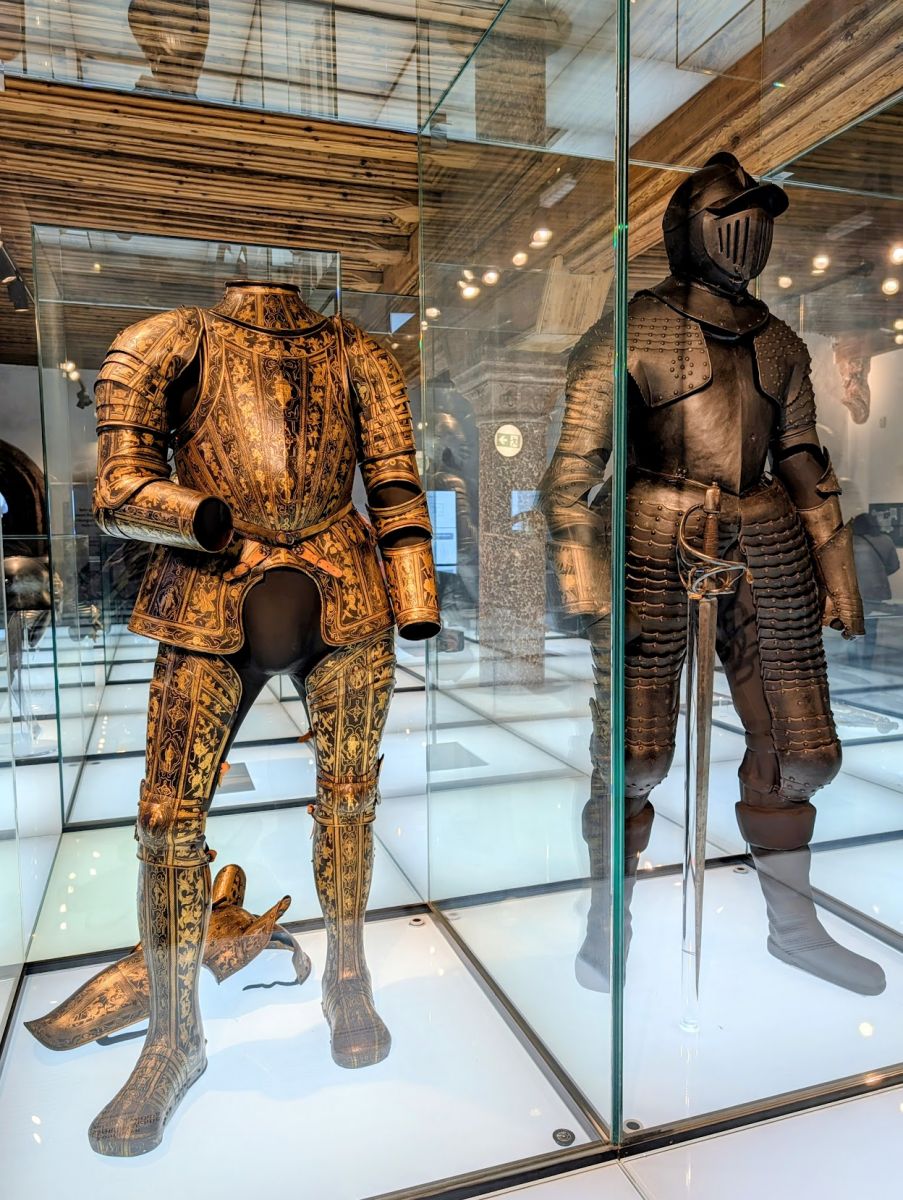
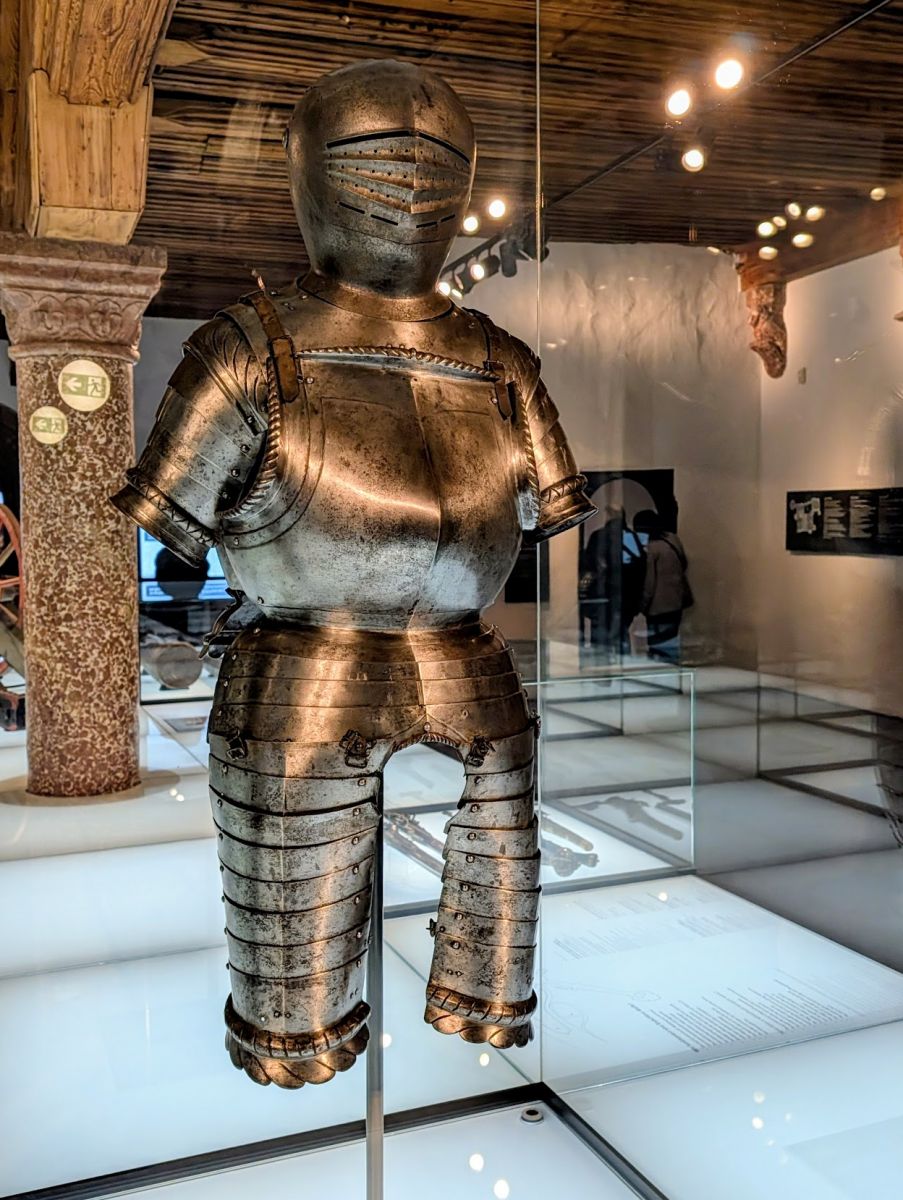
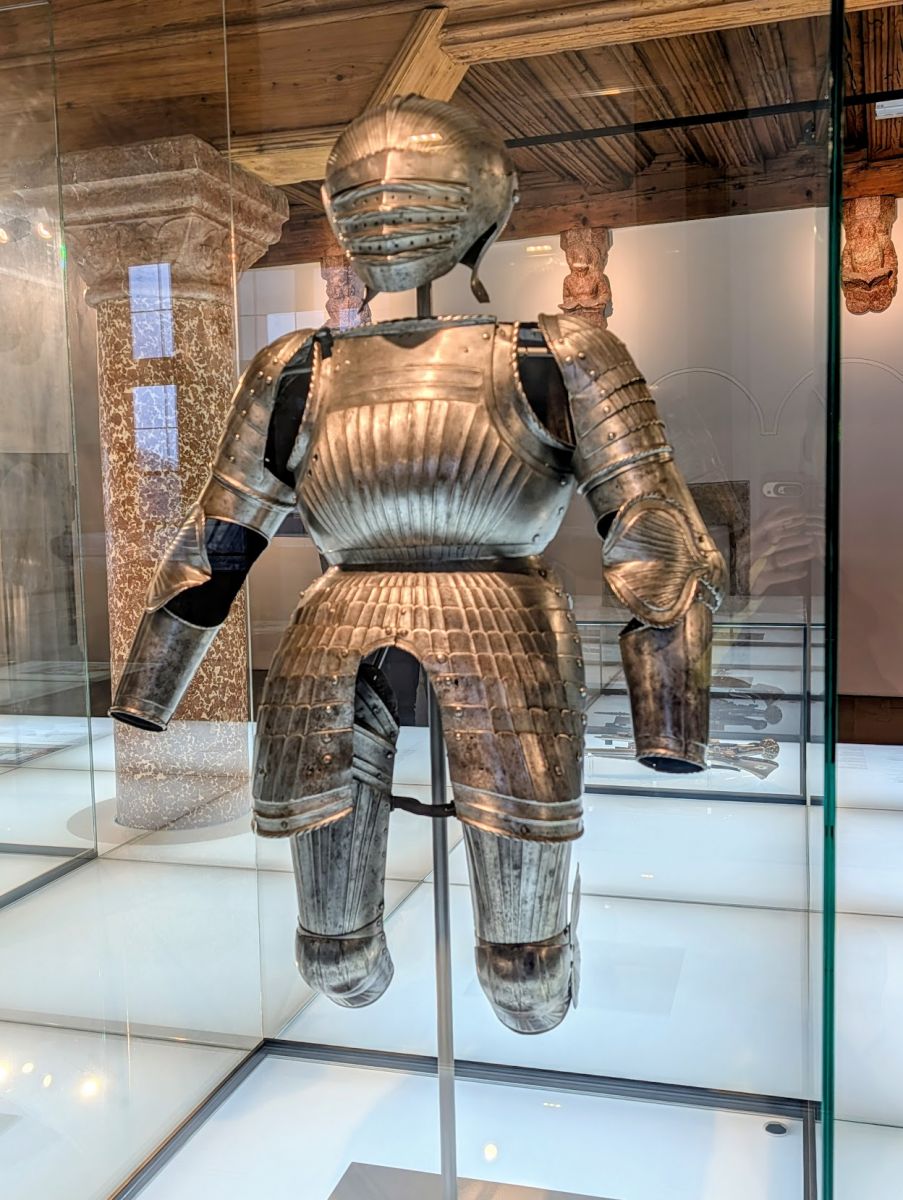
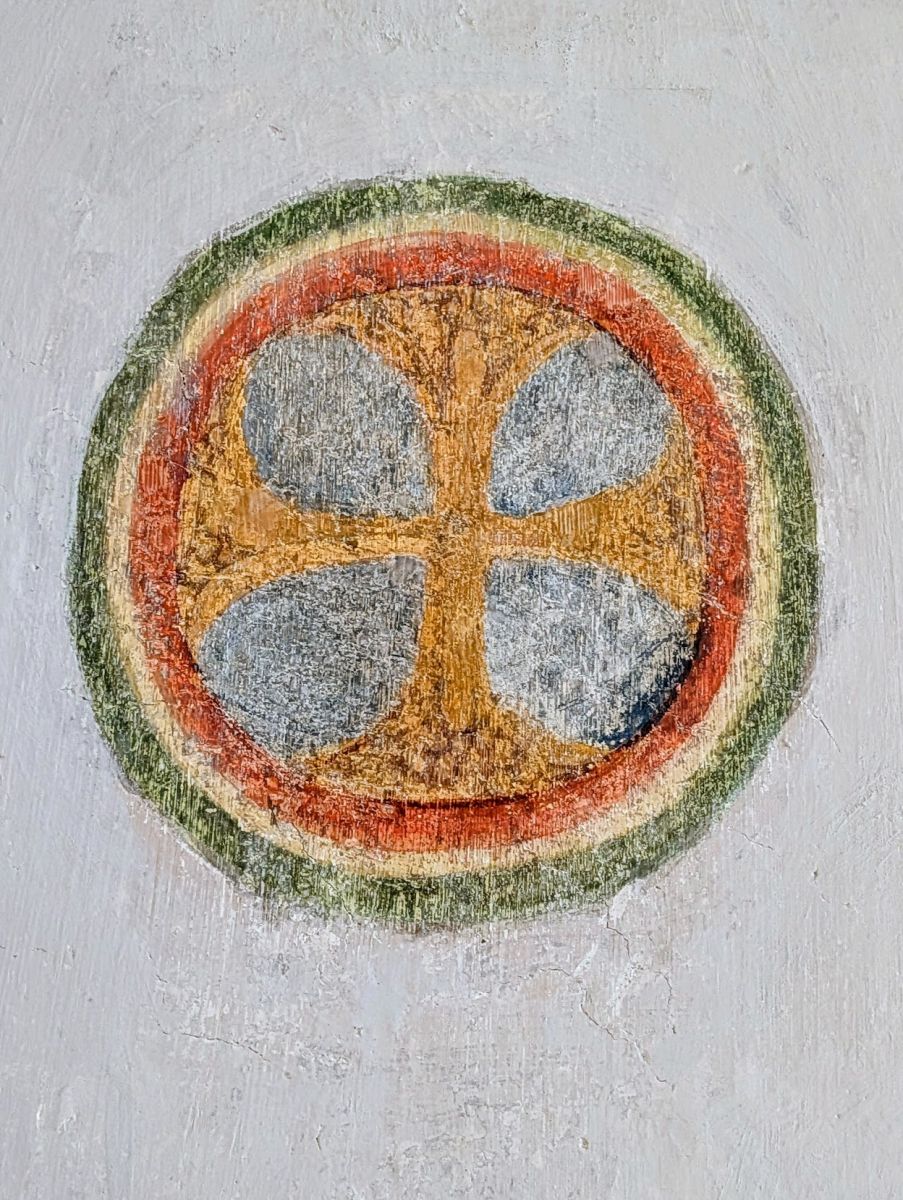
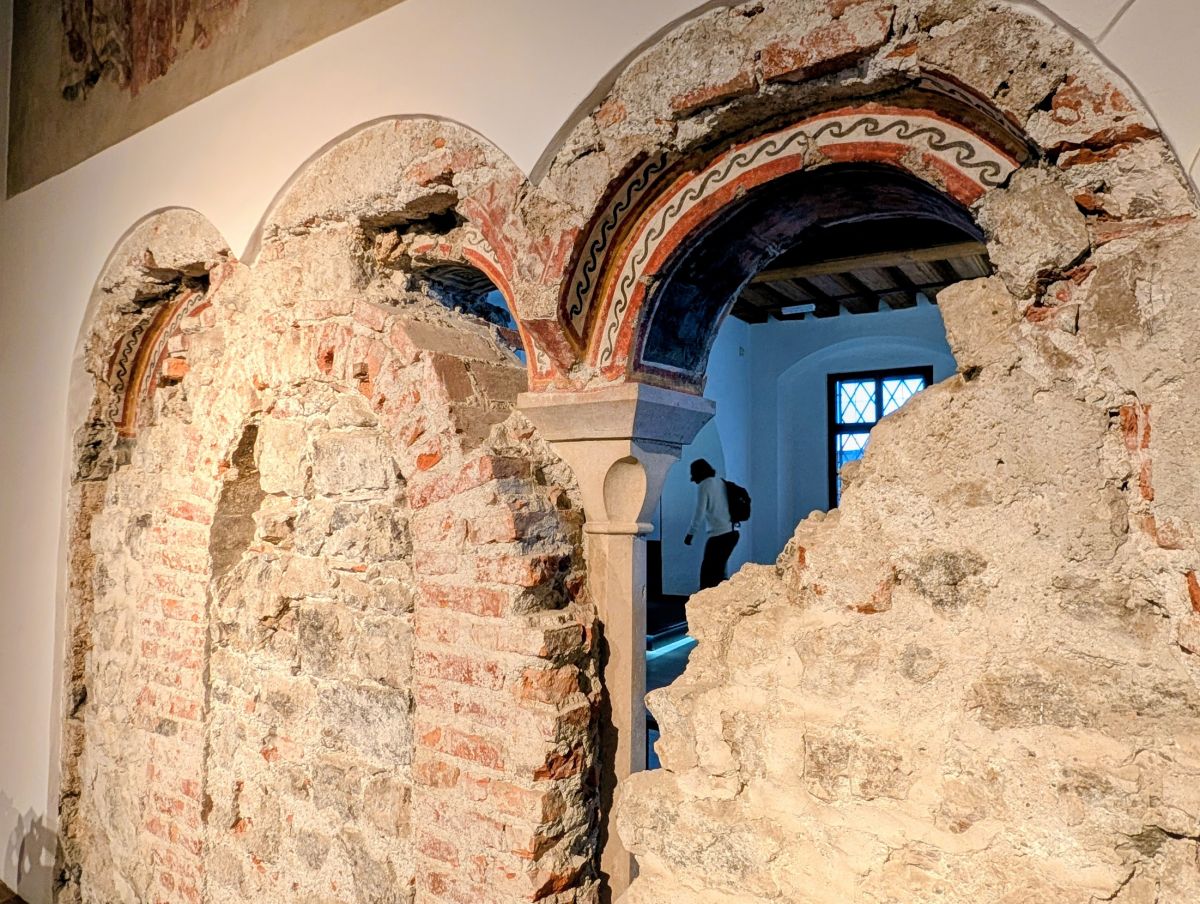
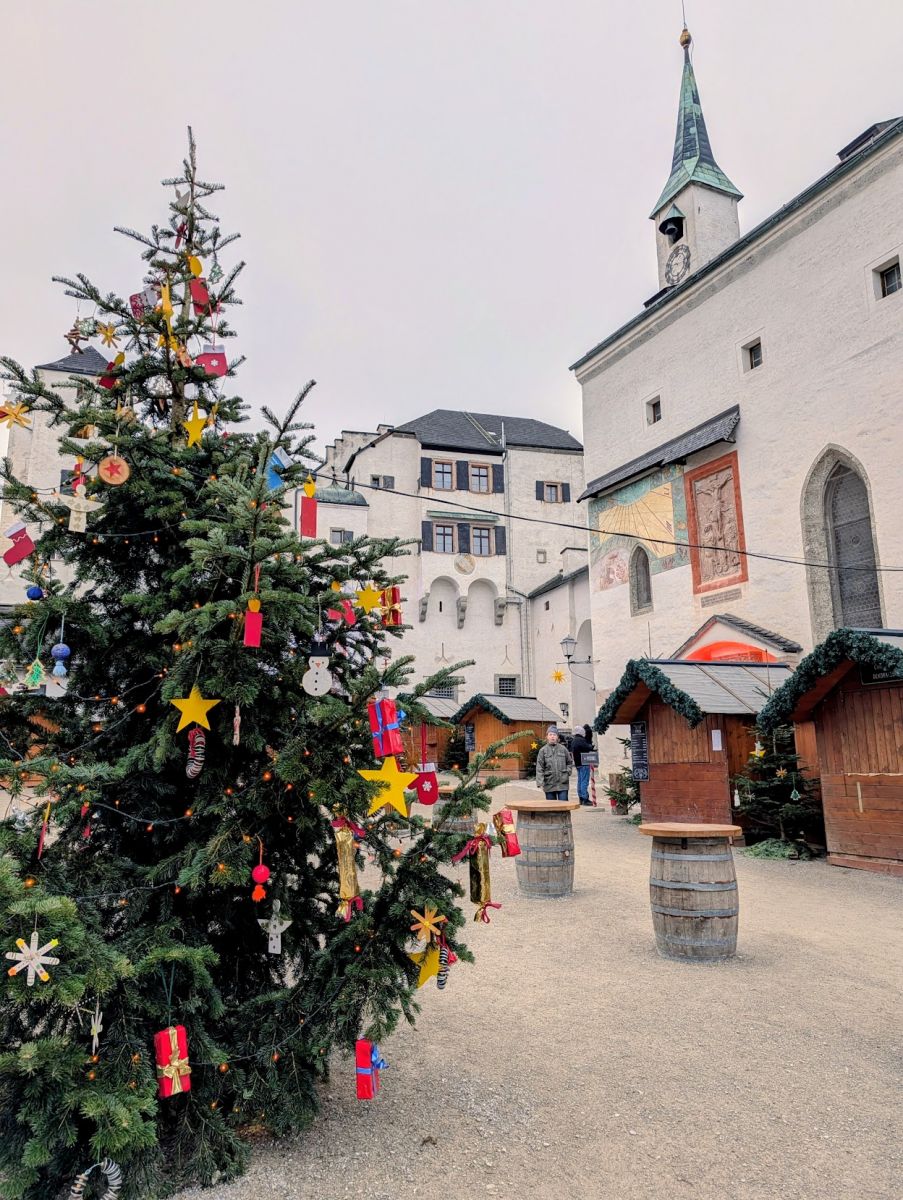
Hohensalzburg Fortress Photos

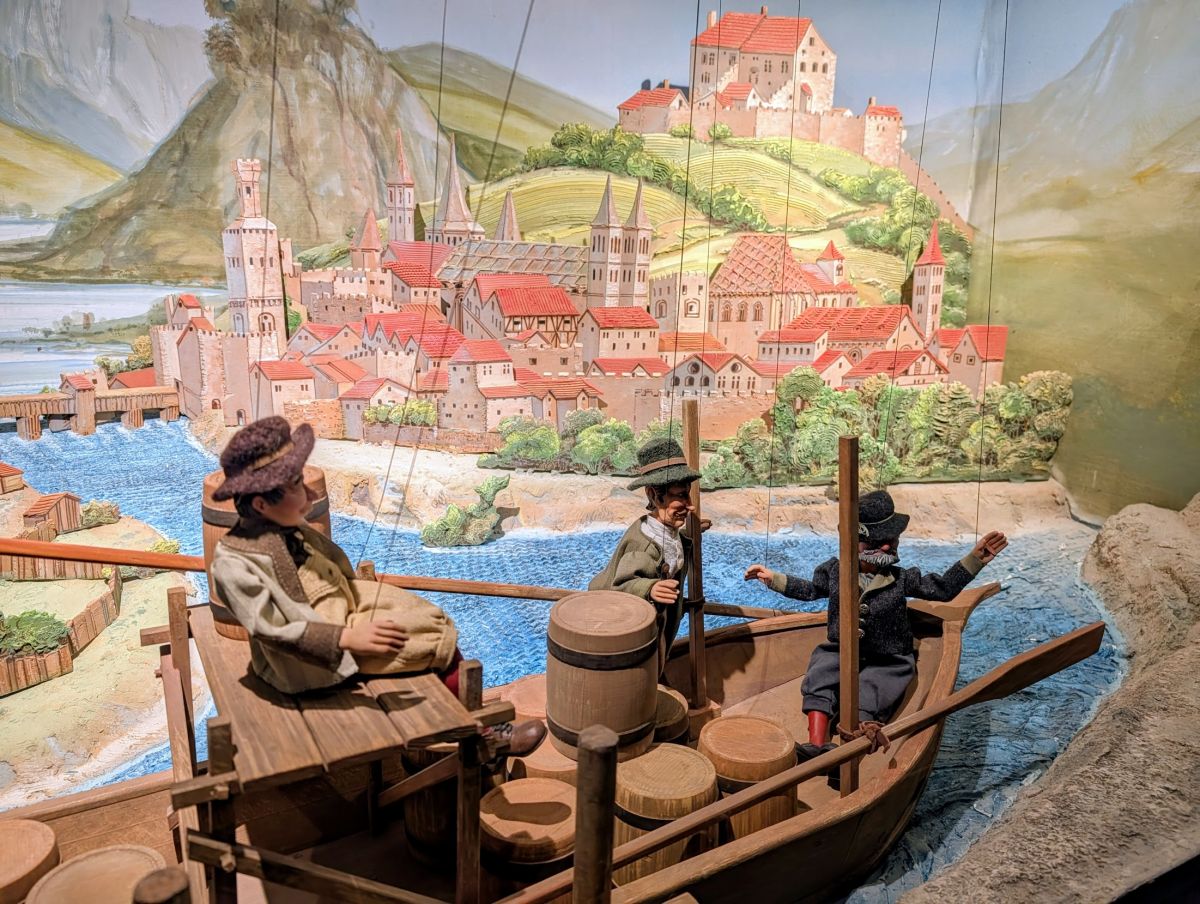

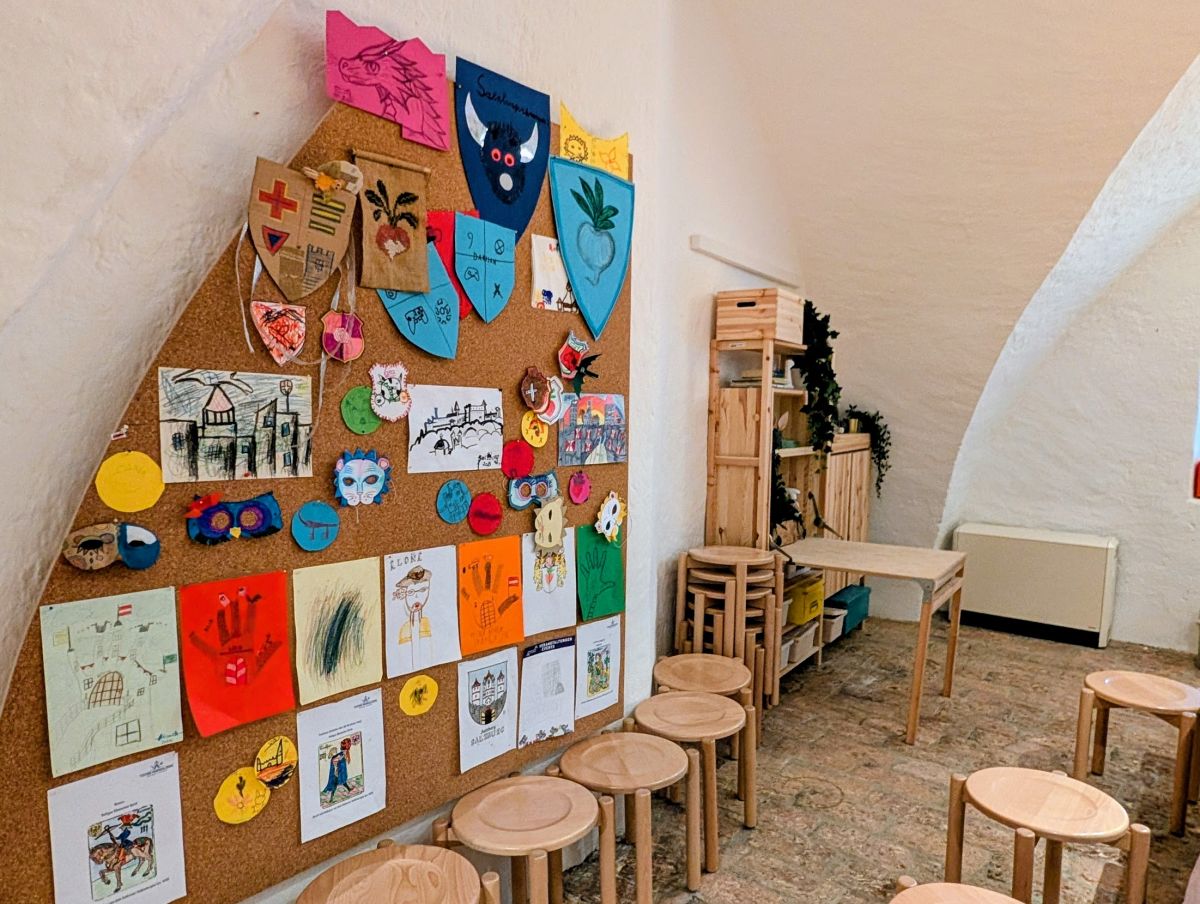
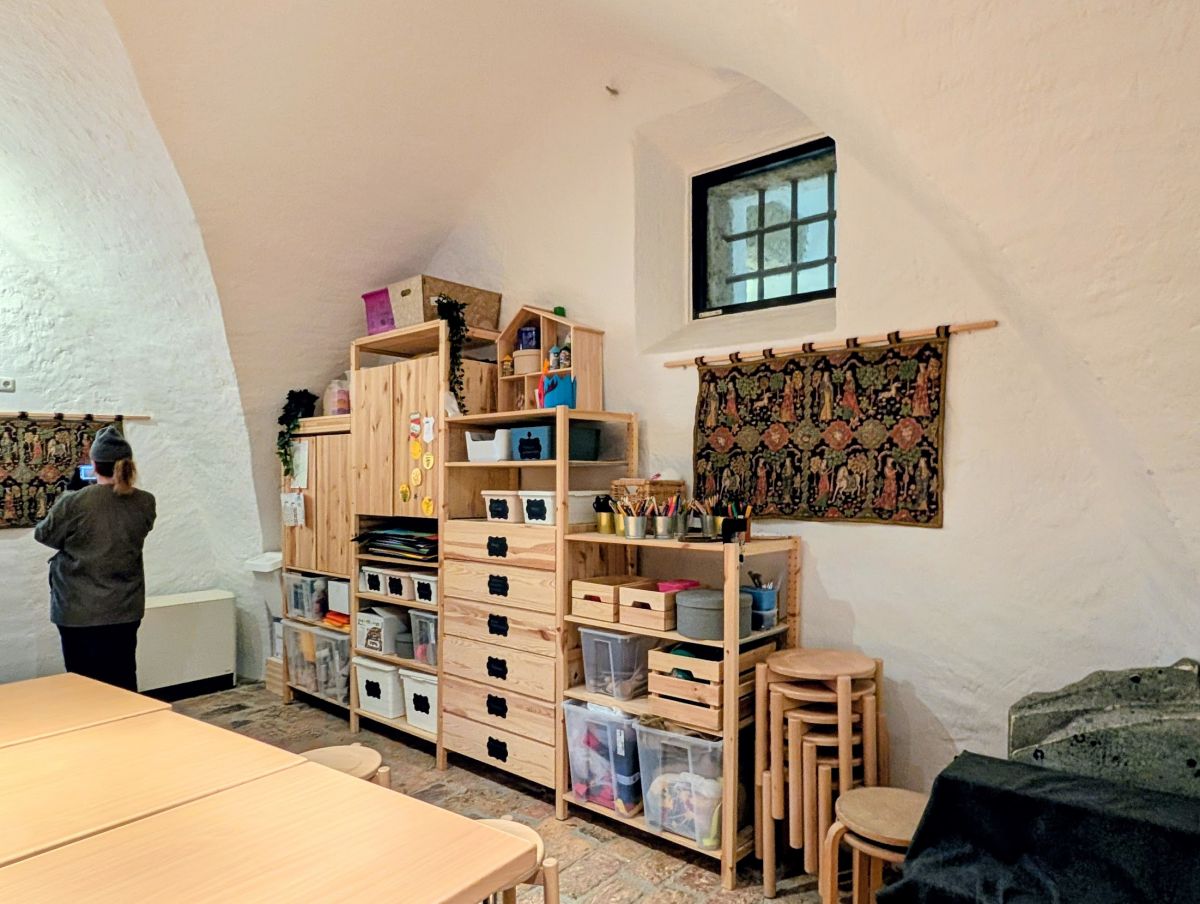
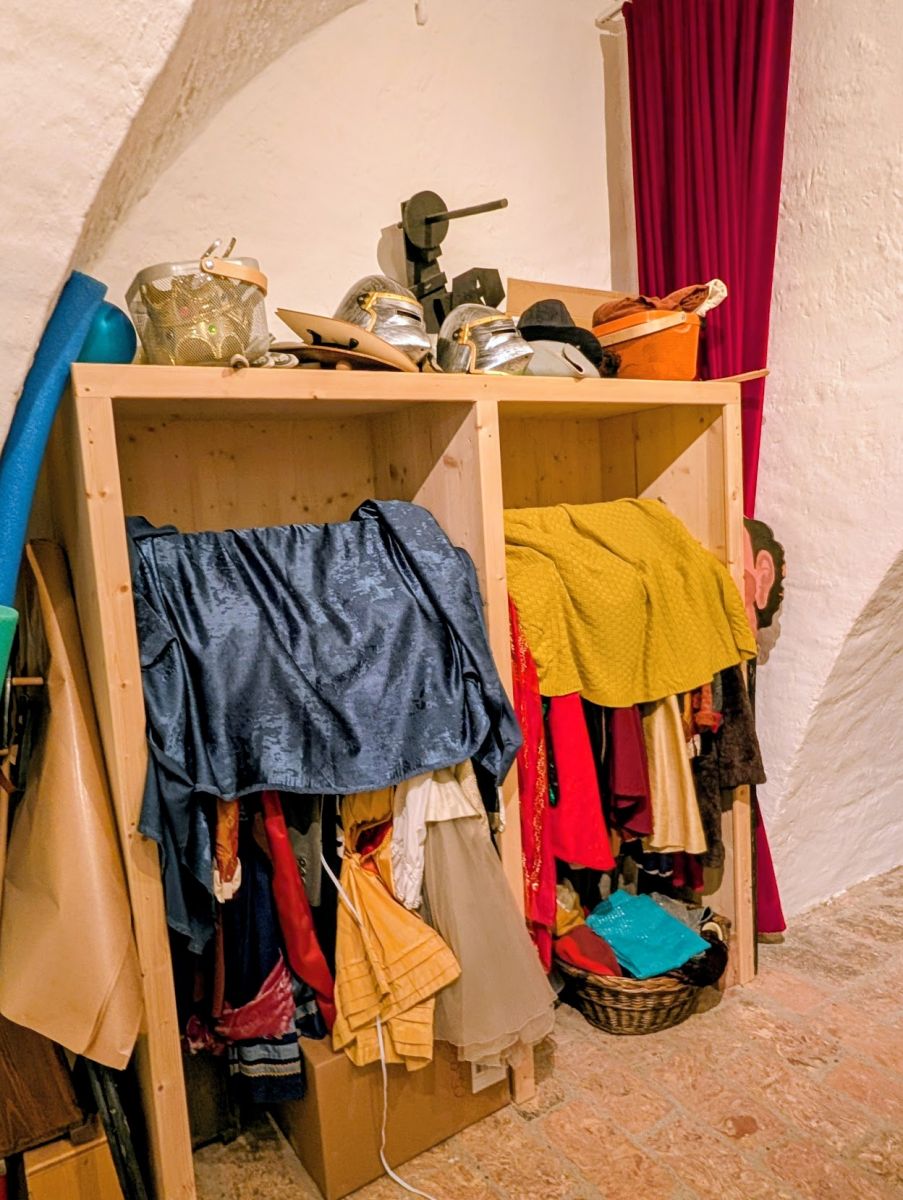





St. Peter Stiftskulinarium Photos






My favorite restaurant in the world! Delicious and gorgeous 🥰
Unbelievable experiences and gorgeous photos! Enjoyed reading all about your travels!