


We met our guide from Enjoy Rome at 8:45am for a 3-hour tour (cue Gilligan’s Island theme song) of the Colosseum, Palatine Hill, and the Roman Forum. I had tried to get tickets from the official website, but the guided tours all sold out immediately. They go on sale 30 days in advance, and I was up in the middle of the night (morning, Rome time), but no luck.
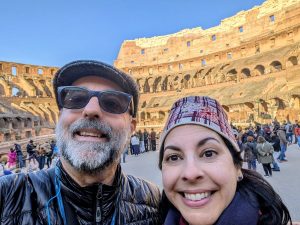
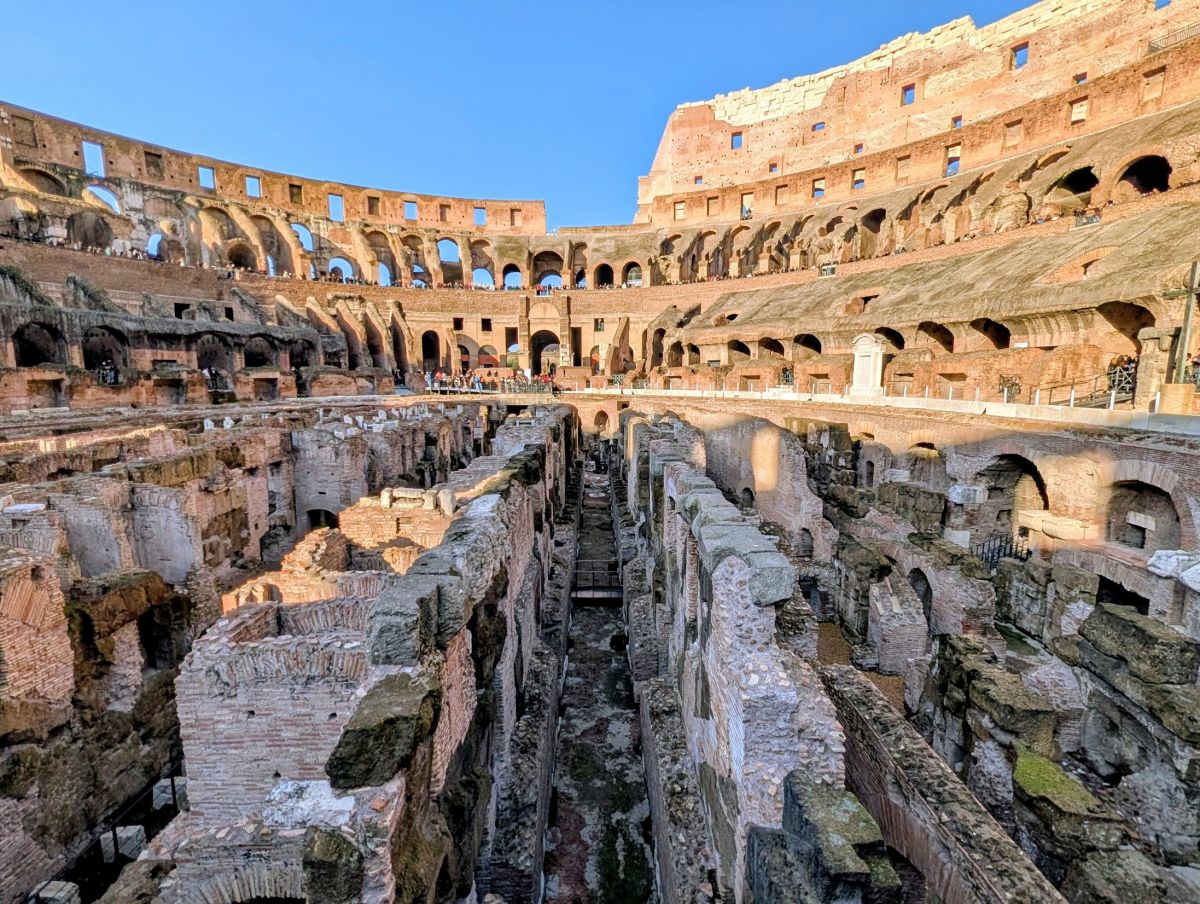
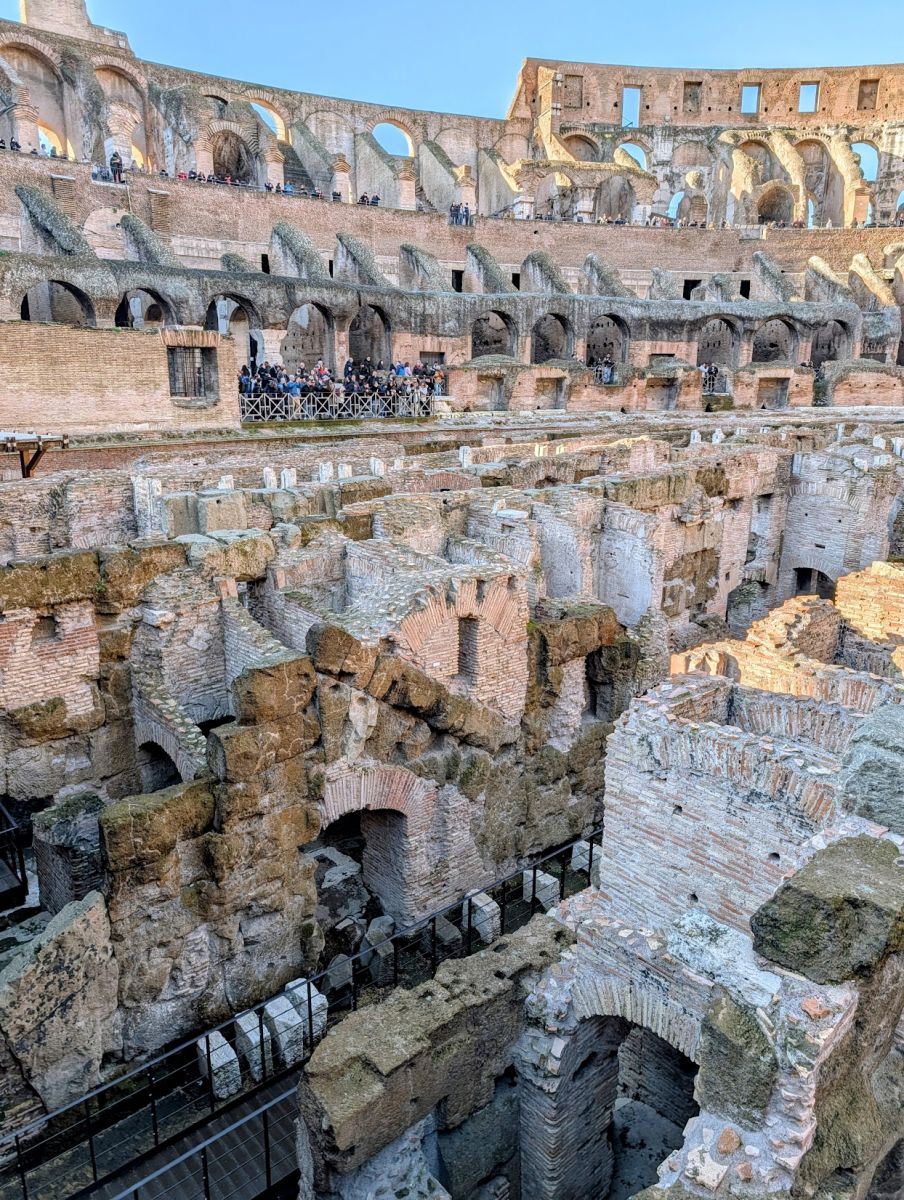
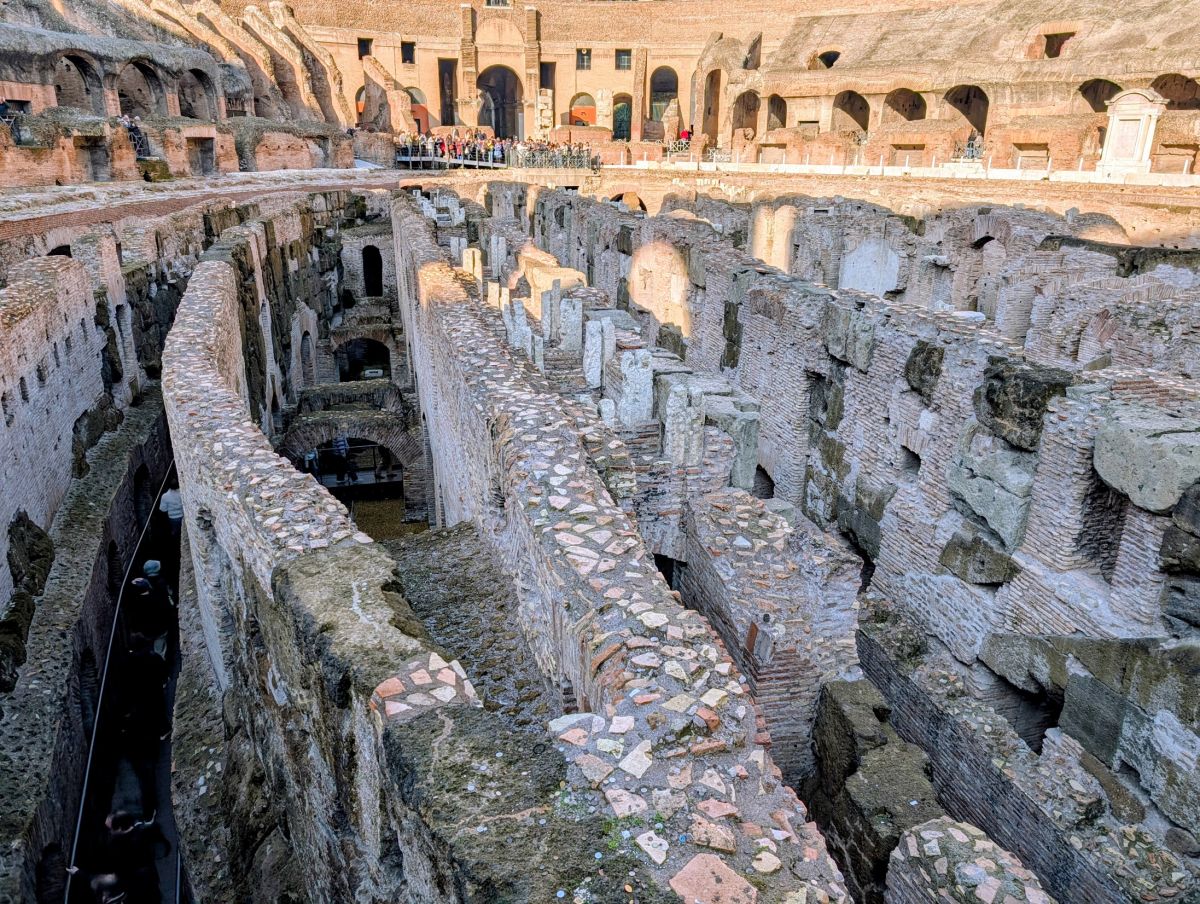
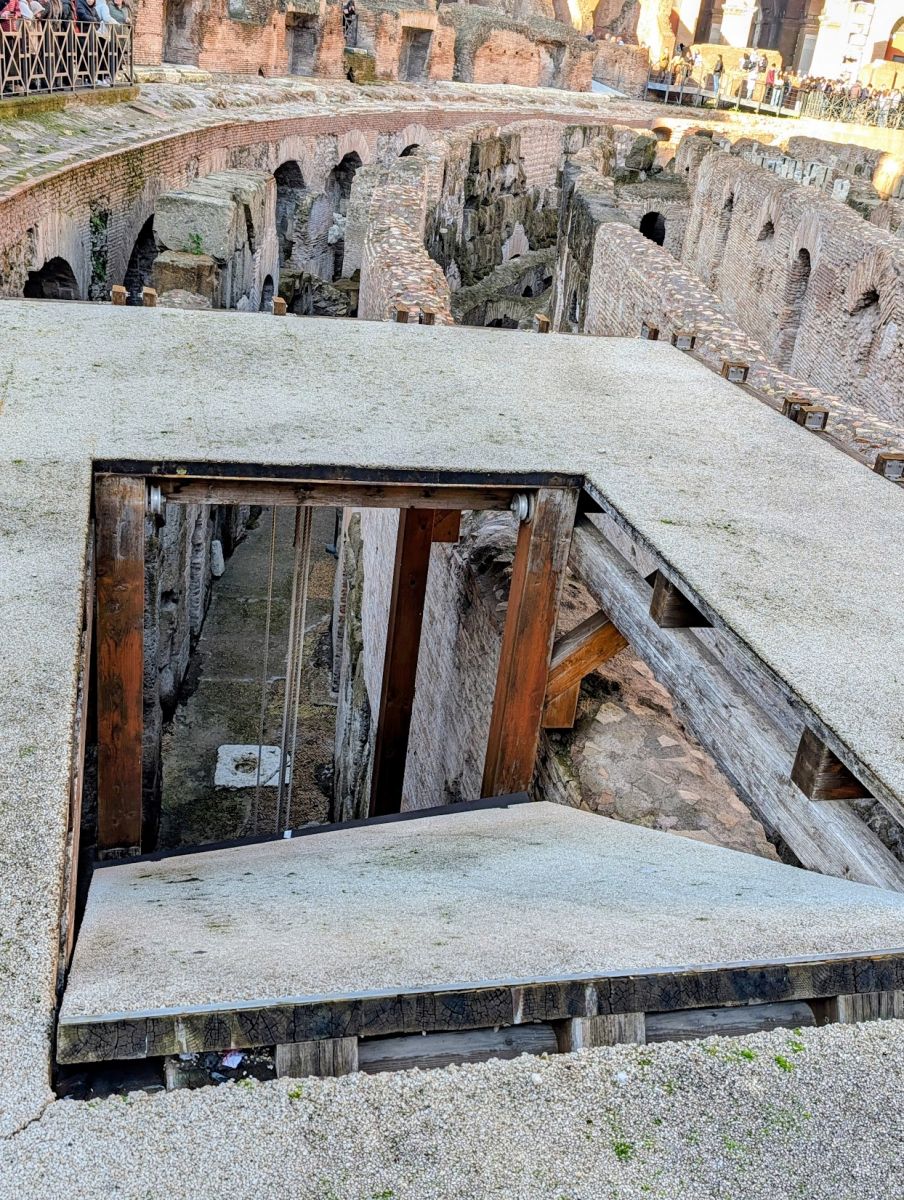
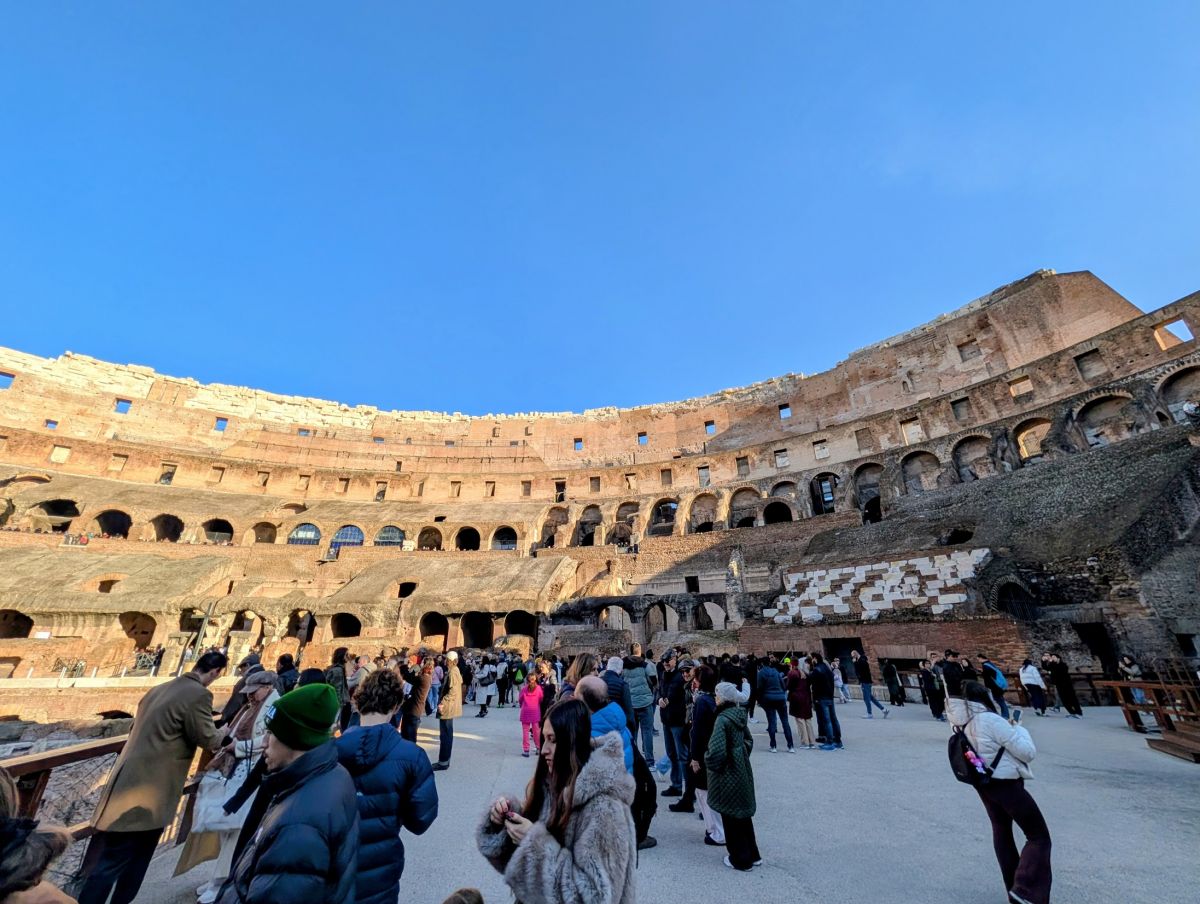
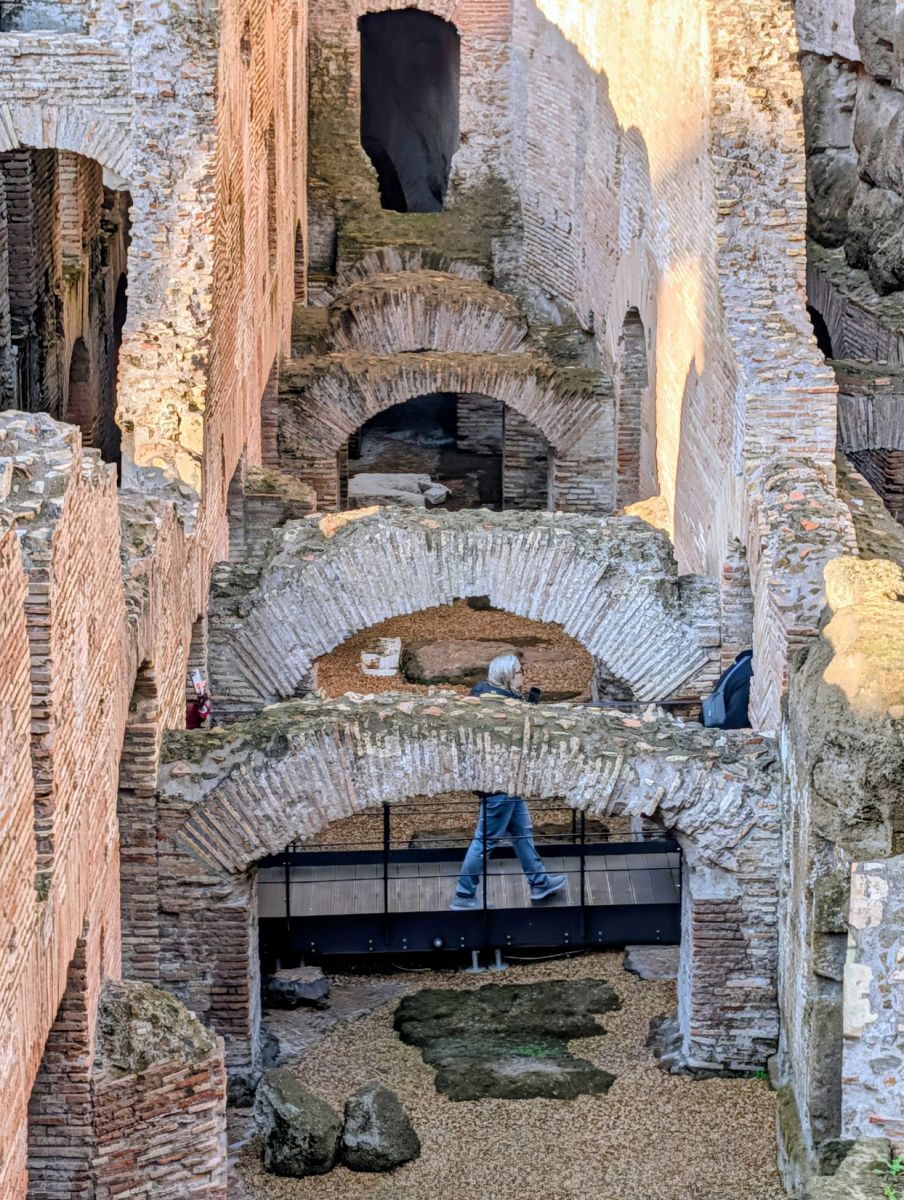
Our guide told us that only 1% of tickets sold include the underground areas (which we wanted), so they sell out immediately, followed by the “full experience”, which includes the arena floor, but not the underground (which they call the attic for some reason). So, we resorted to a guided “full experience” tour booked through Viator. Our ticket included entrance to the Palatine Hill/Roman Forum area as well.
Our guide, Lucille (or Lucy), was an archeologist, and was very knowledgeable. Three hours isn’t enough time to explore everything, but we could continue to explore the Forum and Palatine Hill areas on our own after Lucy finished showing us a few of the sites.
If you’re able to get the “full experience” tickets via the website, split it into 2 days, if possible. The Colosseum is a timed entry on a specific day, but entrance to the Palatine Hill/Forum area is good for the same day OR one day before or after. If you get a guide for the Colosseum, you can do Palatine Hill/Forum on your own either the day before or after. Pro Tip: If you’re not with a guide/group for Palatine Hill/Forum, be careful at the entrances. The far right side is for individuals (not in a group with a guide), and is a relatively narrow line, while the larger left side is for groups/tours only. We saw many people wait in line with the groups, only to be turned away at the front and have to go all the way to the back of the smaller line.
Colosseum Cats
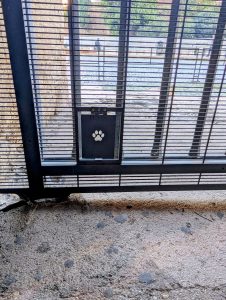
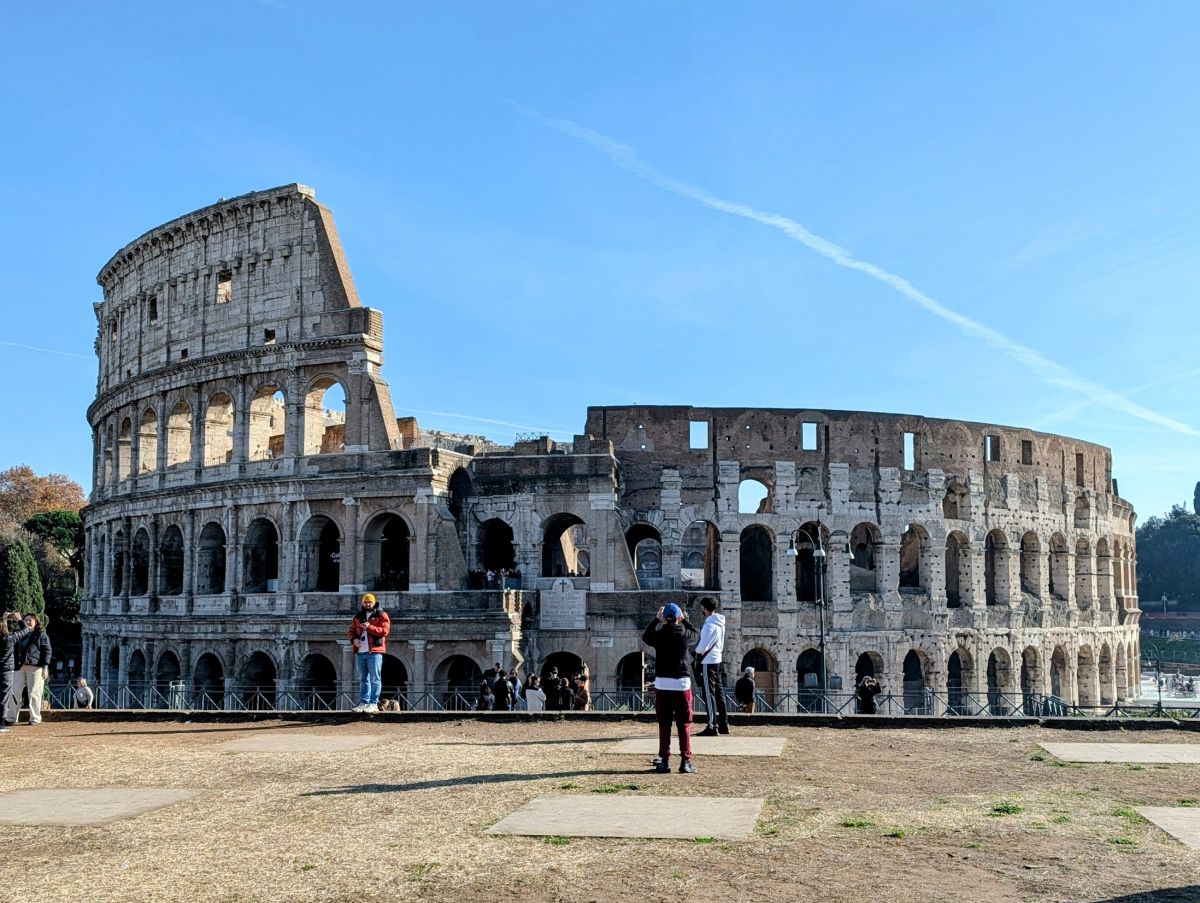
One of the first things we learned about were the Colosseum cats. There are cat doors built into the Colosseum gates to allow the 200+ cats who live in the Colosseum to come and go. These cats have resided in the ancient ruins for generations, drawn by the sheltered crevices and the abundance of rodents, which they help control.
The cats are protected by a regional law that recognizes colonies of five or more cats as legally protected, ensuring they receive food, shelter, and medical care, including sterilization to manage population growth. Volunteers, known as “gattare,” play a crucial role in their care, with some forming organized groups like the Rome Largo Argentina Cat Sanctuary. While the Colosseum is not the only site with cats, it remains one of the most famous locations, alongside the Torre Argentina Cat Sanctuary (which we’ll visit on another day) and the Roman Forum.
The Colosseum’s Colorful Past
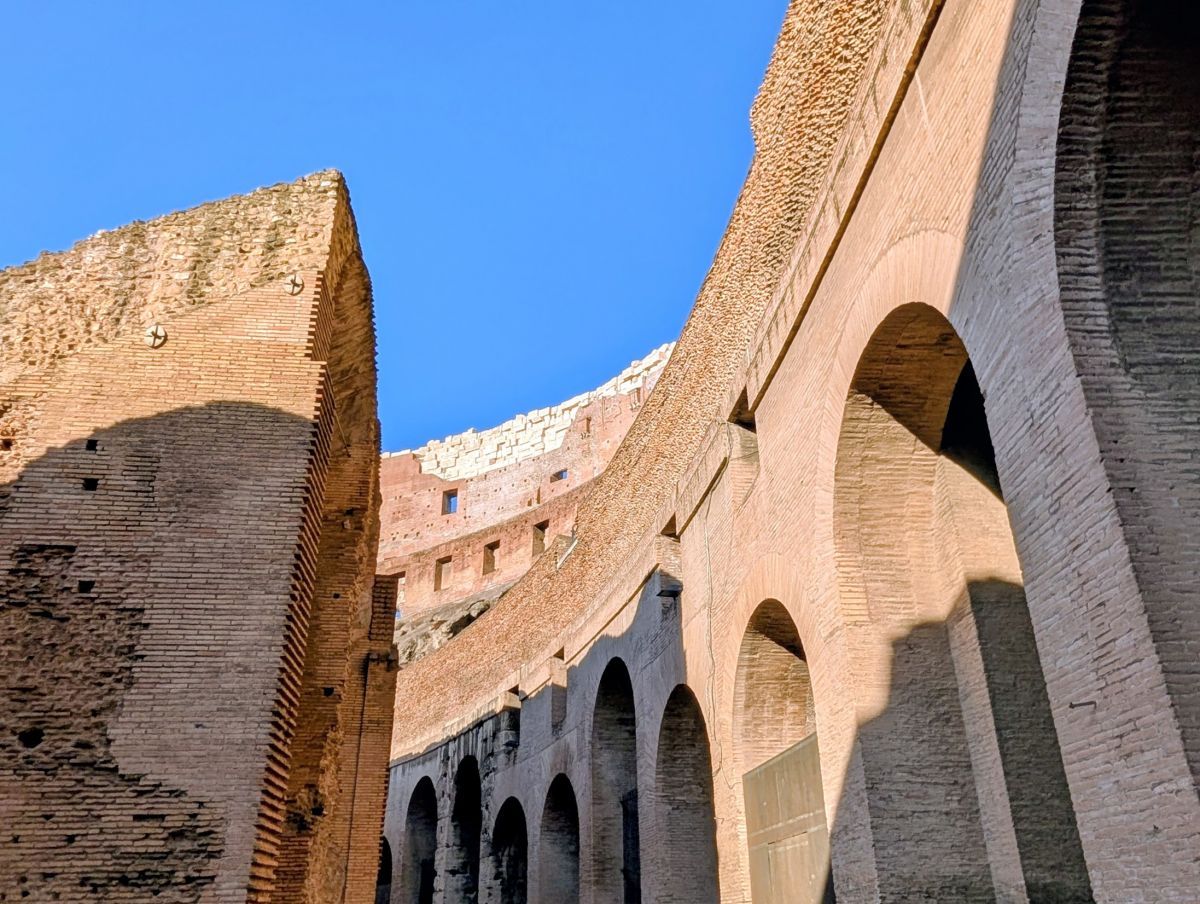
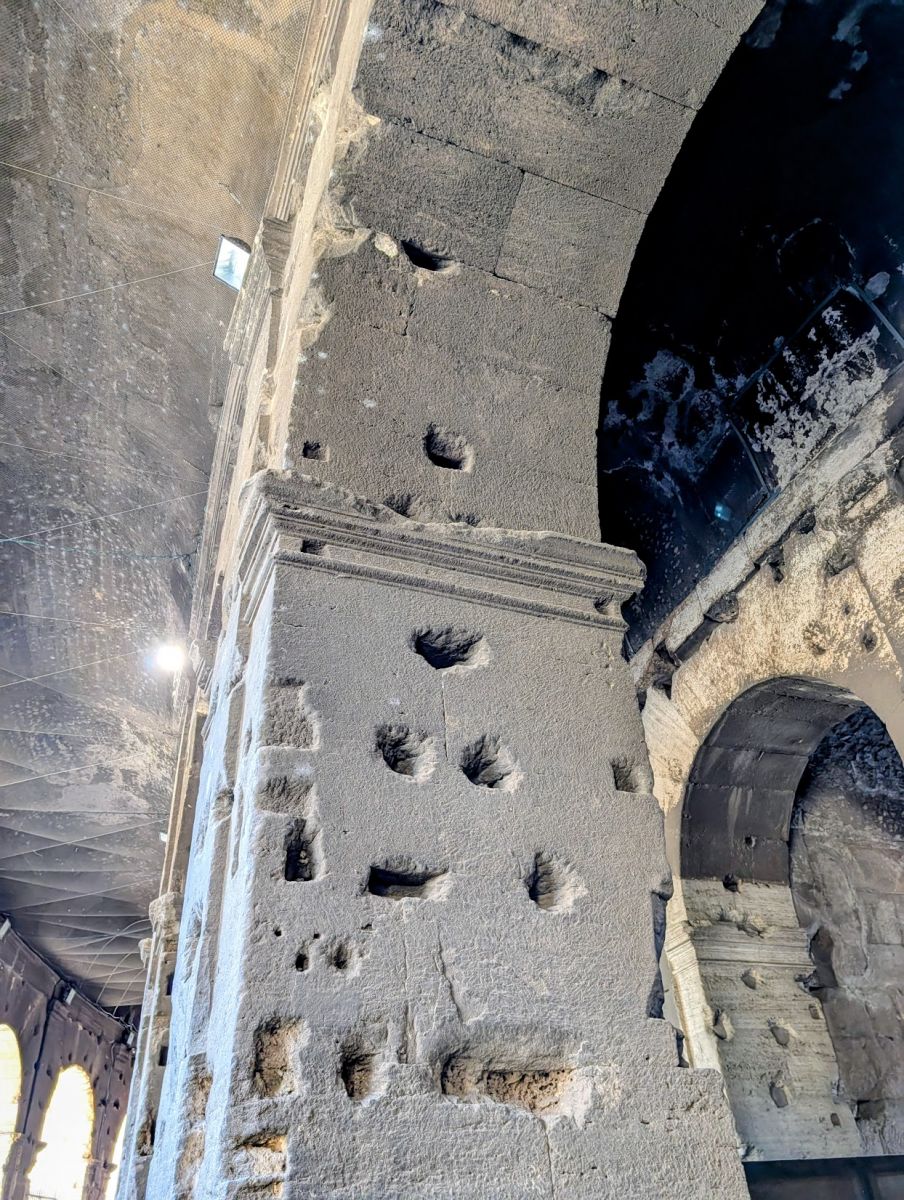
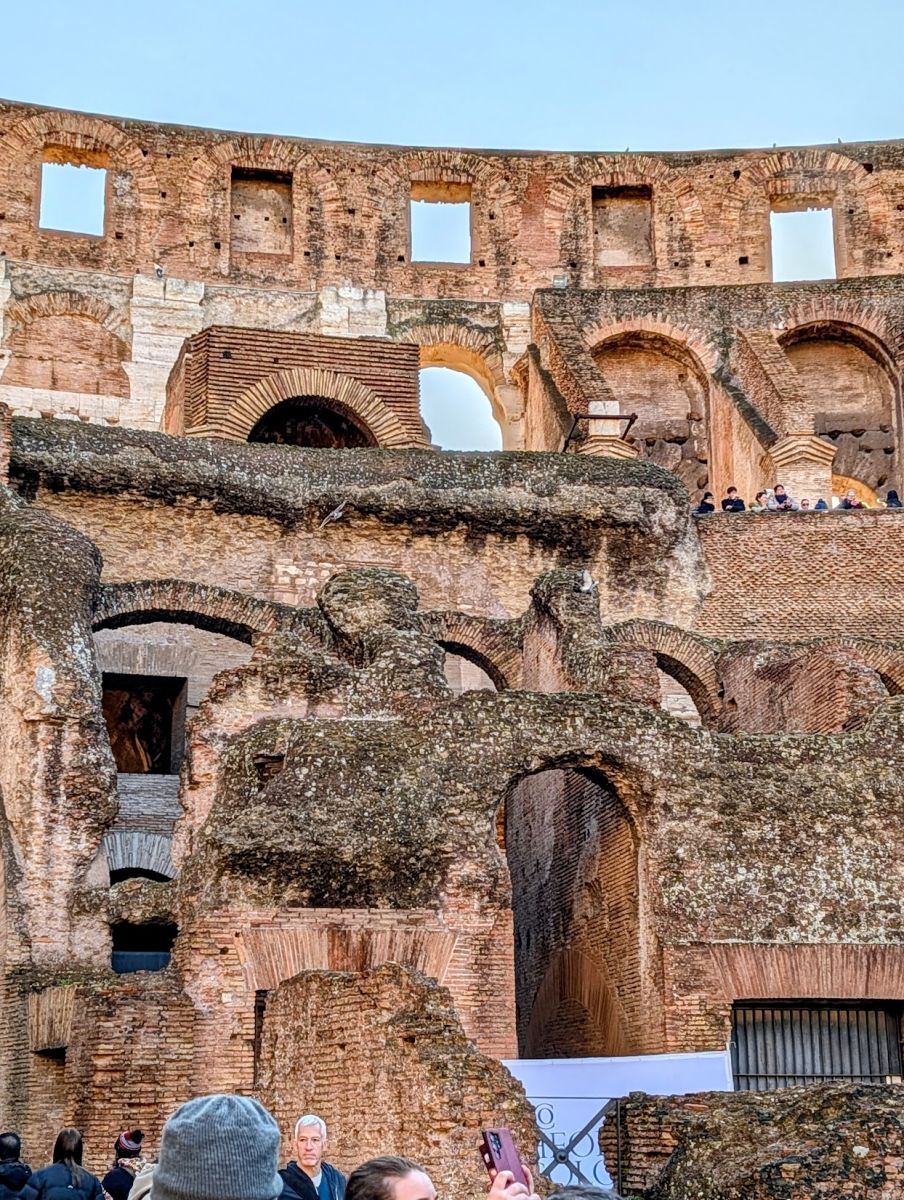
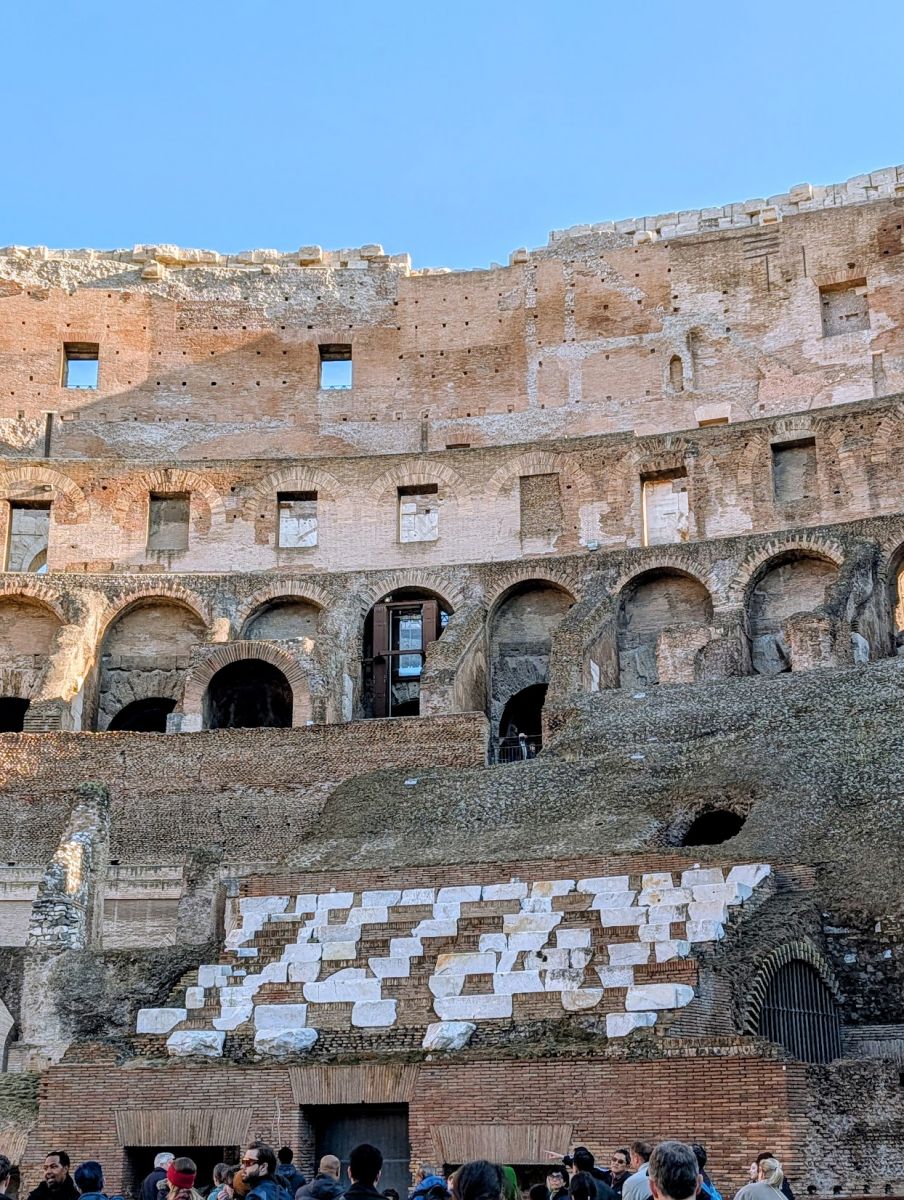
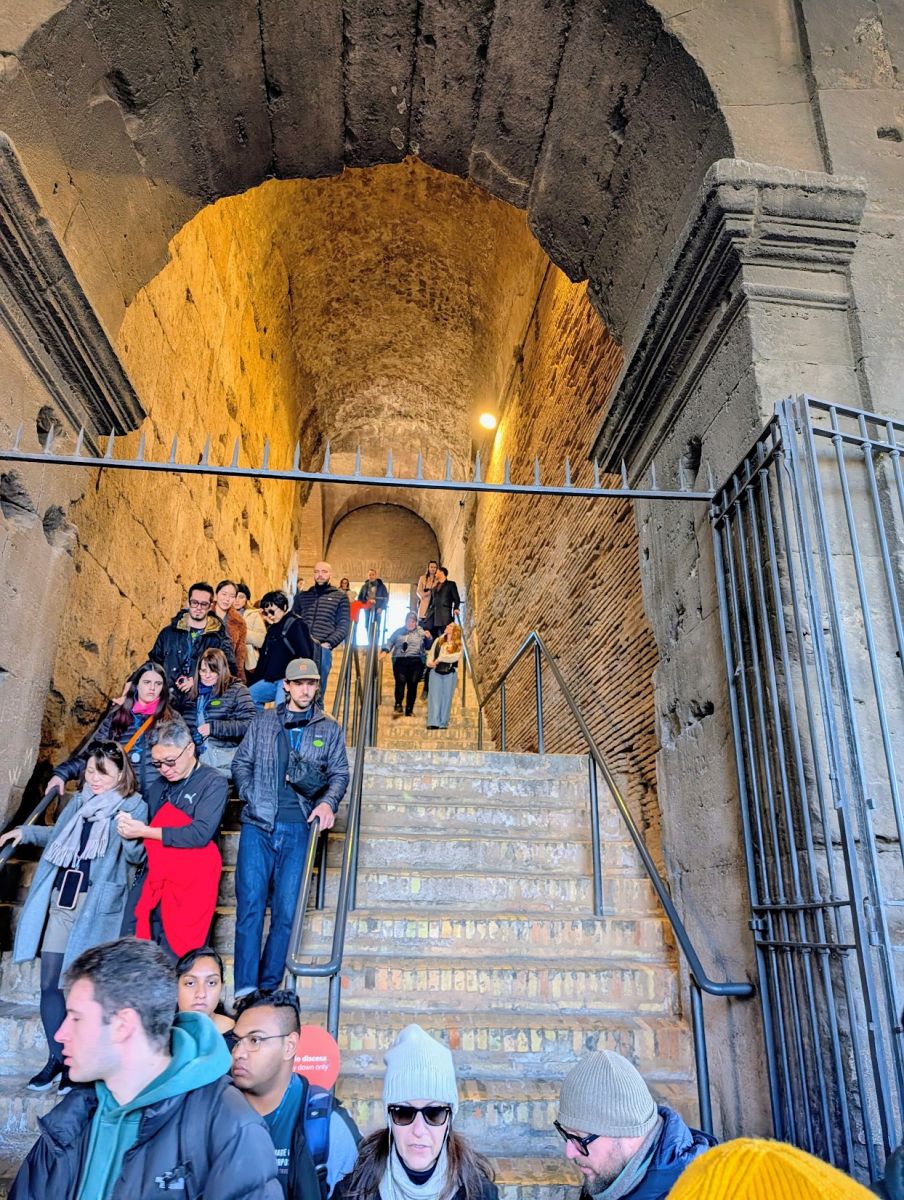
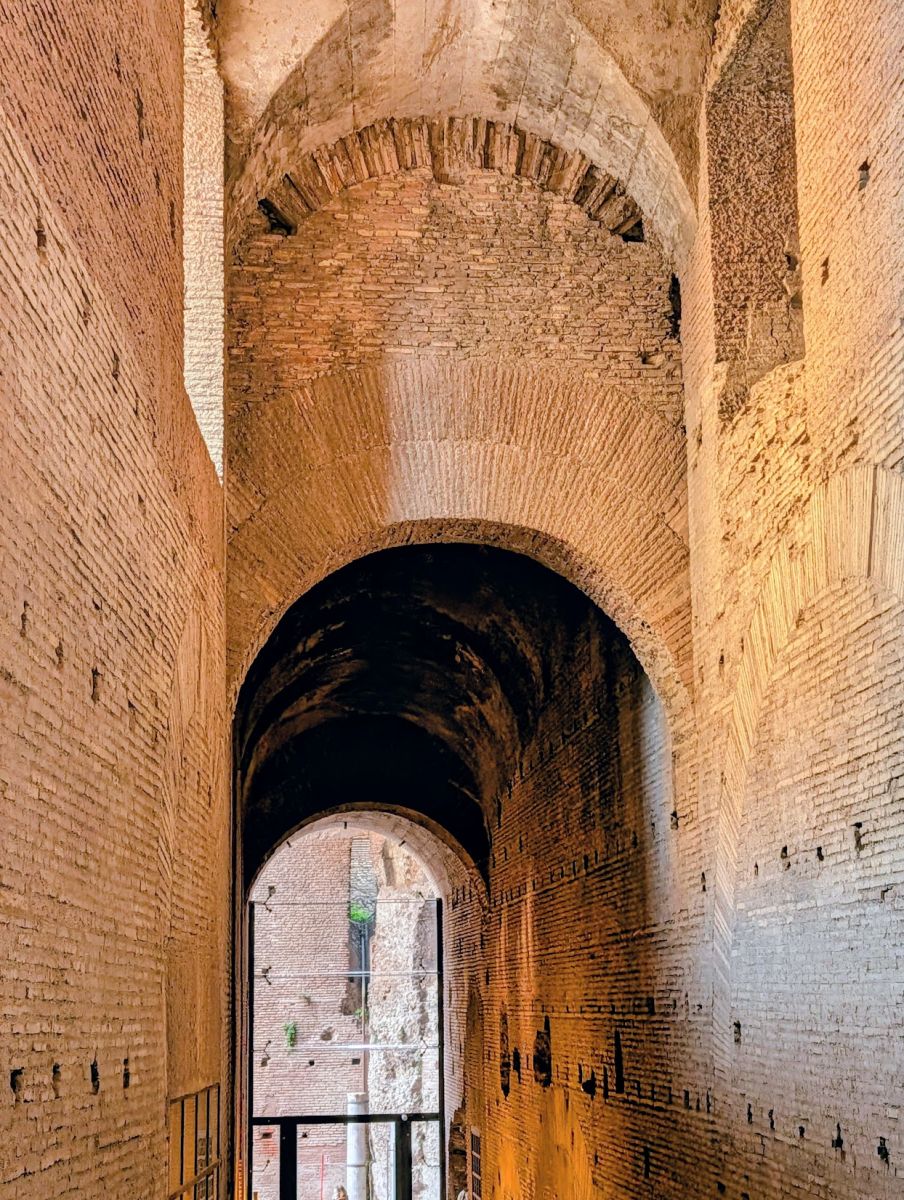
The Colosseum in Rome was originally decorated with vibrant, vivid colors. Archaeological restoration work, particularly on the only intact internal passageway, has revealed traces of red, black, green, blue, and ochre frescoes on the plastered walls, indicating that the interior corridors and galleries were richly painted.
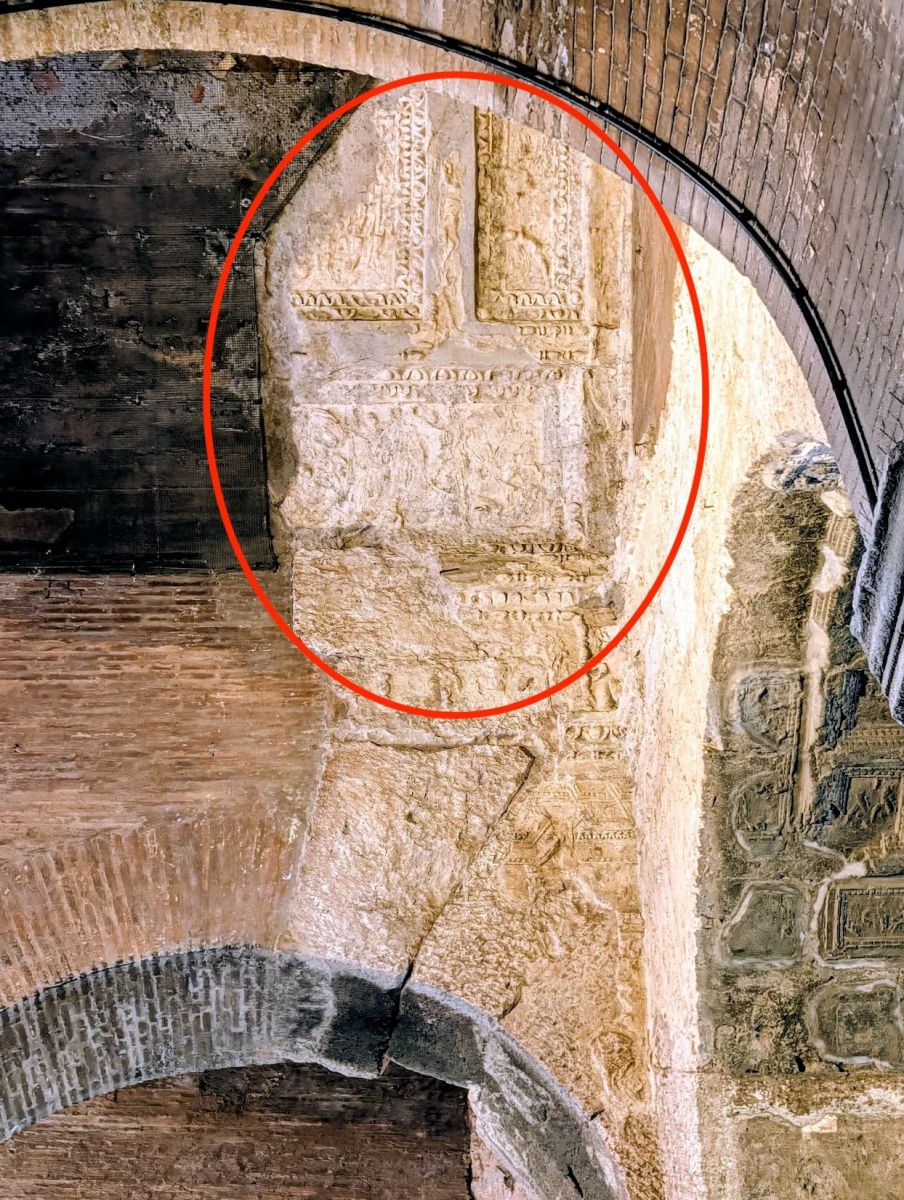
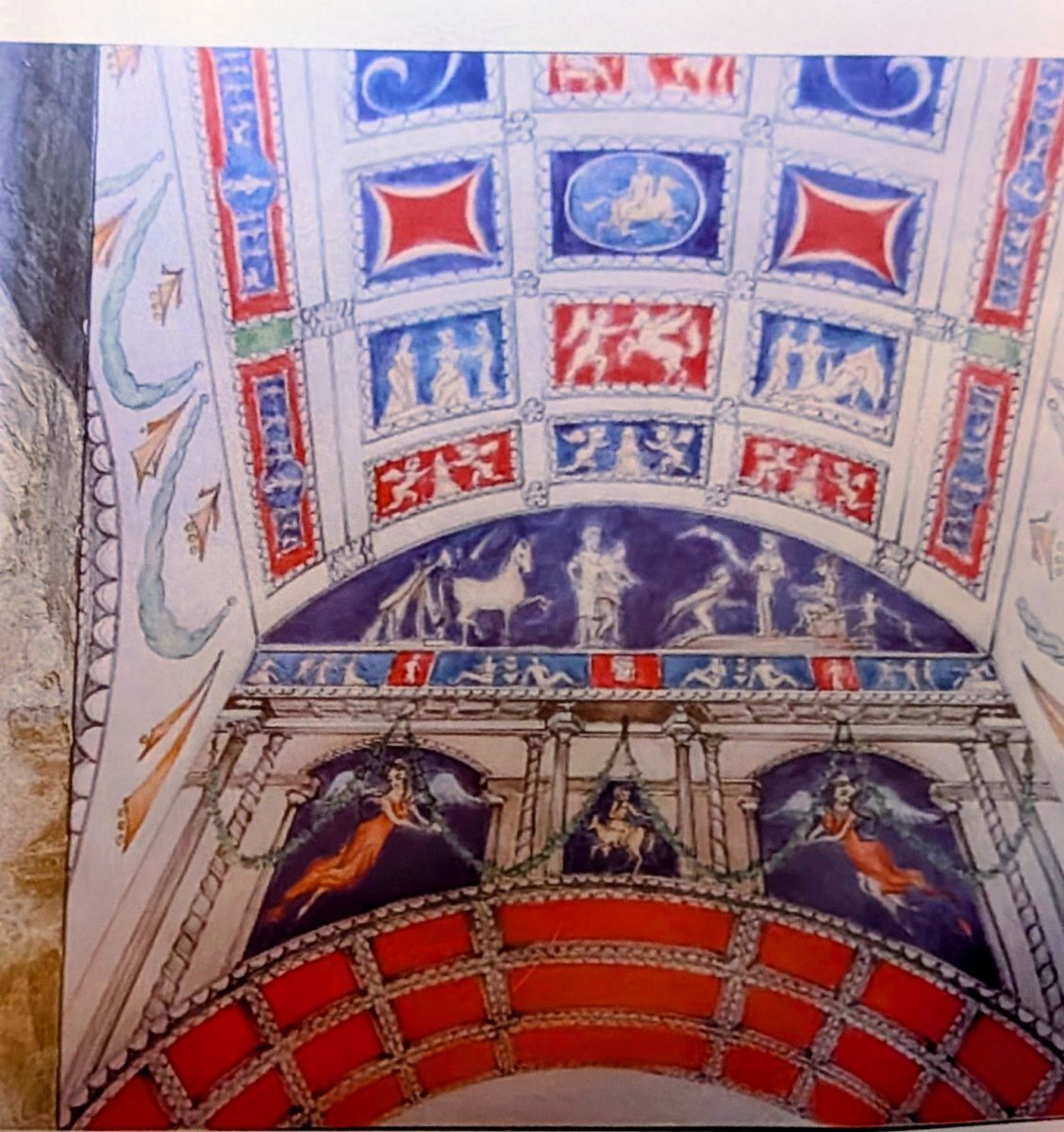
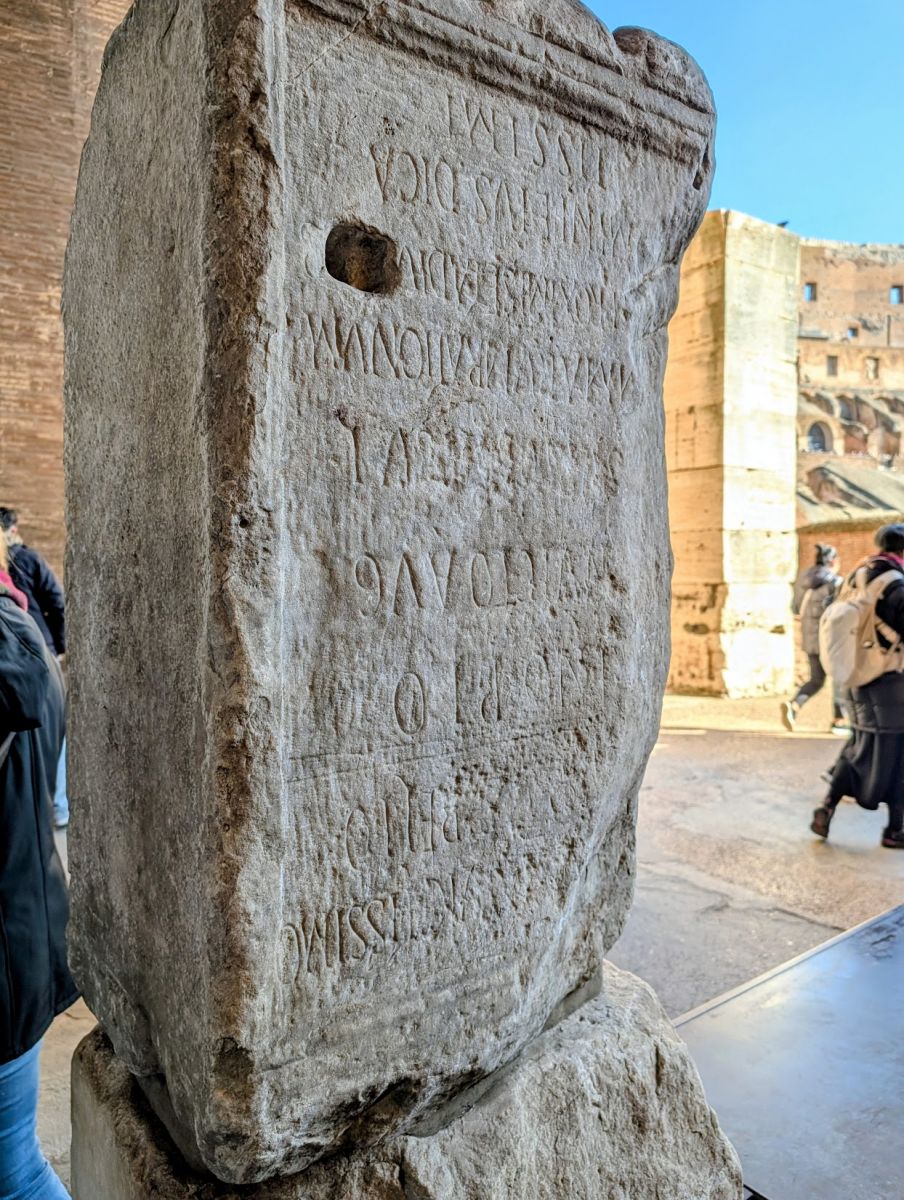
These colors included red and white travertine blocks, with blue pigment—derived from azurite—used to depict skies or seascapes, signifying the high cost and significance of such materials in Roman times. The numbers on the arches were also painted red to ensure visibility from a distance, aiding spectators in finding their designated entrances among the 76 possible ones.
Caesar’s Tomb and Mark Antony’s Speech
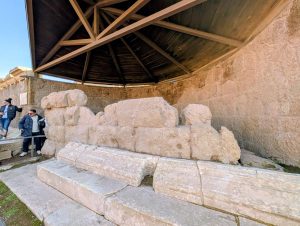
In the Roman Forum is Caesar’s Tomb, at the site of Caesar’s Temple. It was here that Mark Antony gave Caesar’s eulogy—a demagogic speech that riled the crowd into a riot, leading to several buildings in the Forum as well as houses of some of the conspirators to be burned to the ground.
Friends, Romans, countrymen, lend me your ears…
Mark Antony’s speech in Shakespear’s Julius Caesar was fictionalized—made up by Shakespear based on historical evidence. The speech draws inspiration from historical accounts, particularly those of the Roman historian Plutarch, who documented Caesar’s life and death. However, the exact words of Antony’s funeral oration were not recorded in historical sources and are believed to be Shakespeare’s invention to serve the dramatic and rhetorical purposes of the play.
Domus Tiberiana
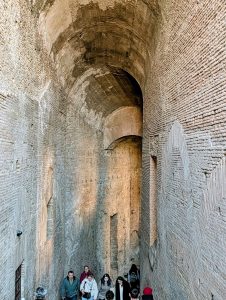
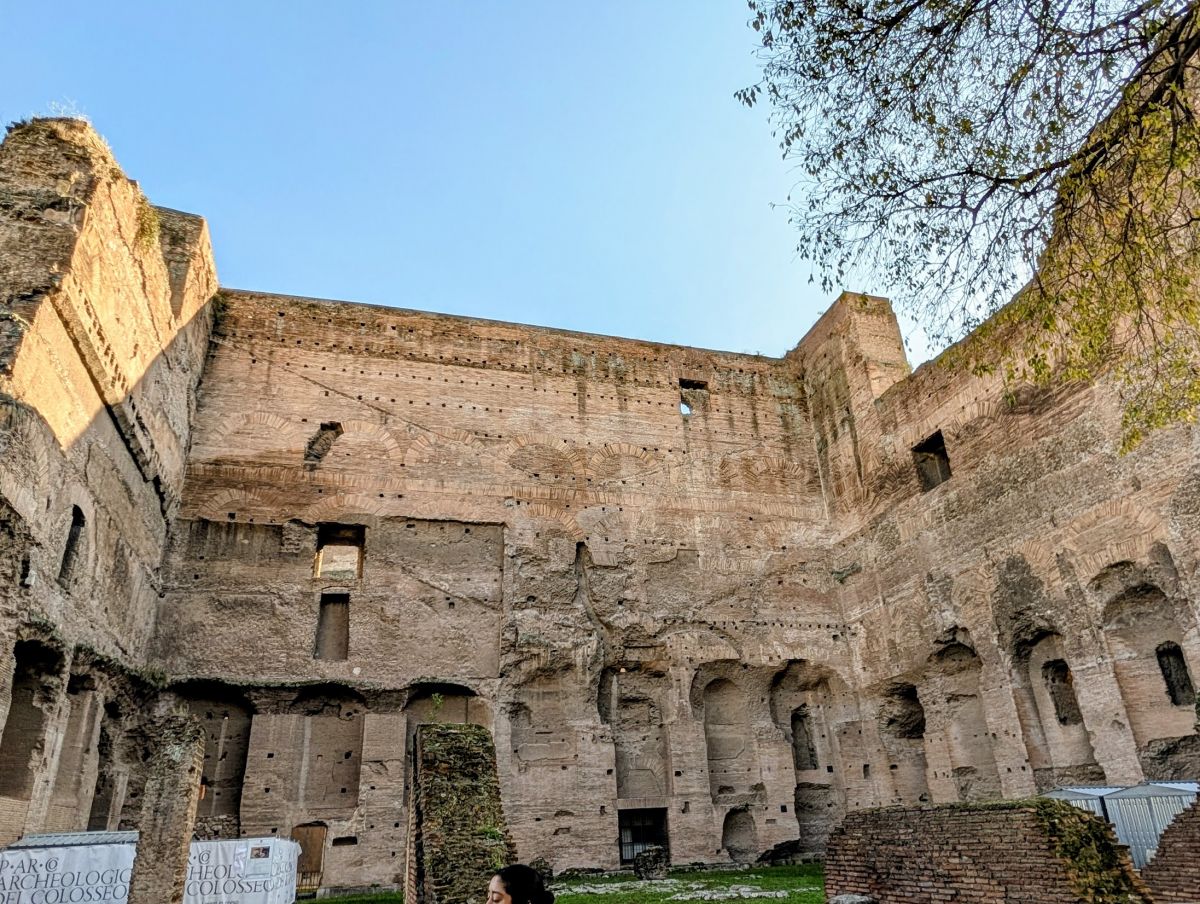
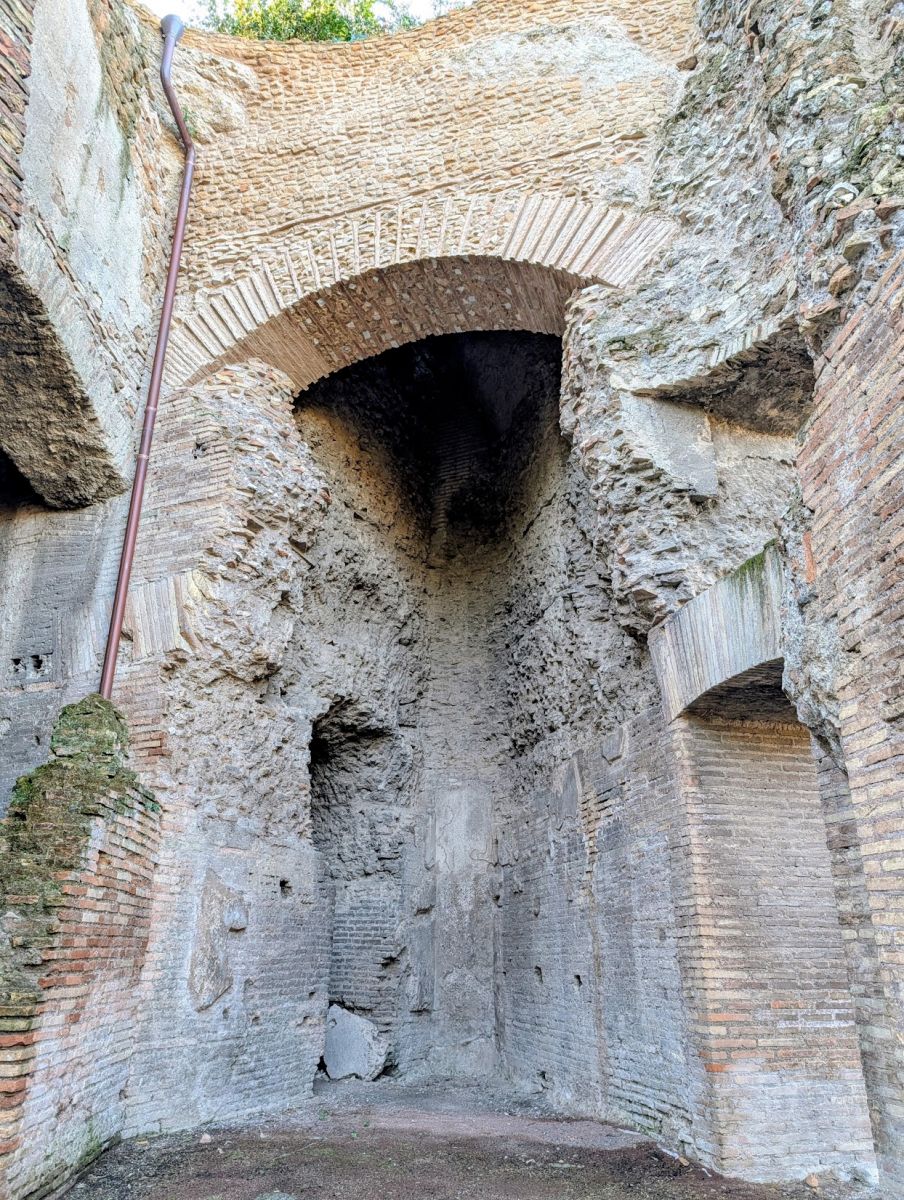
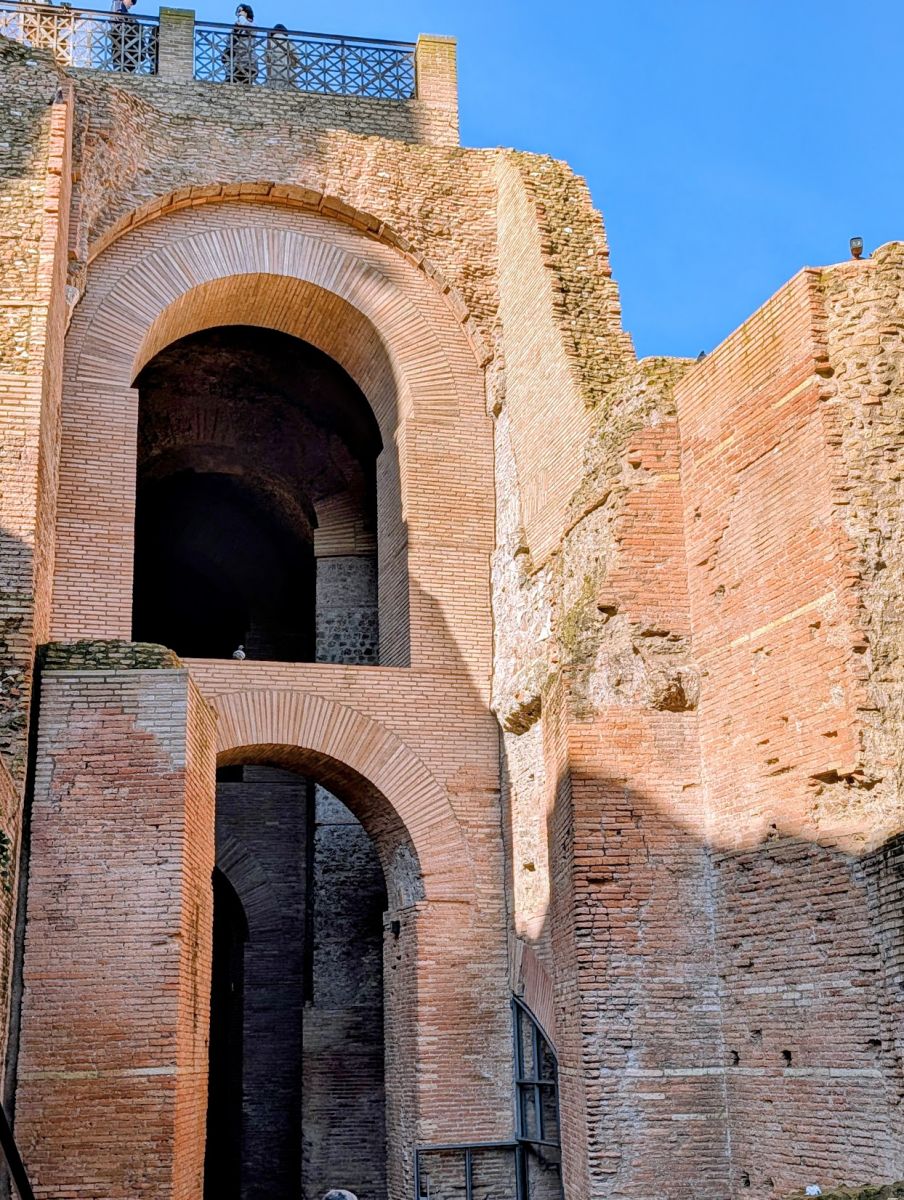
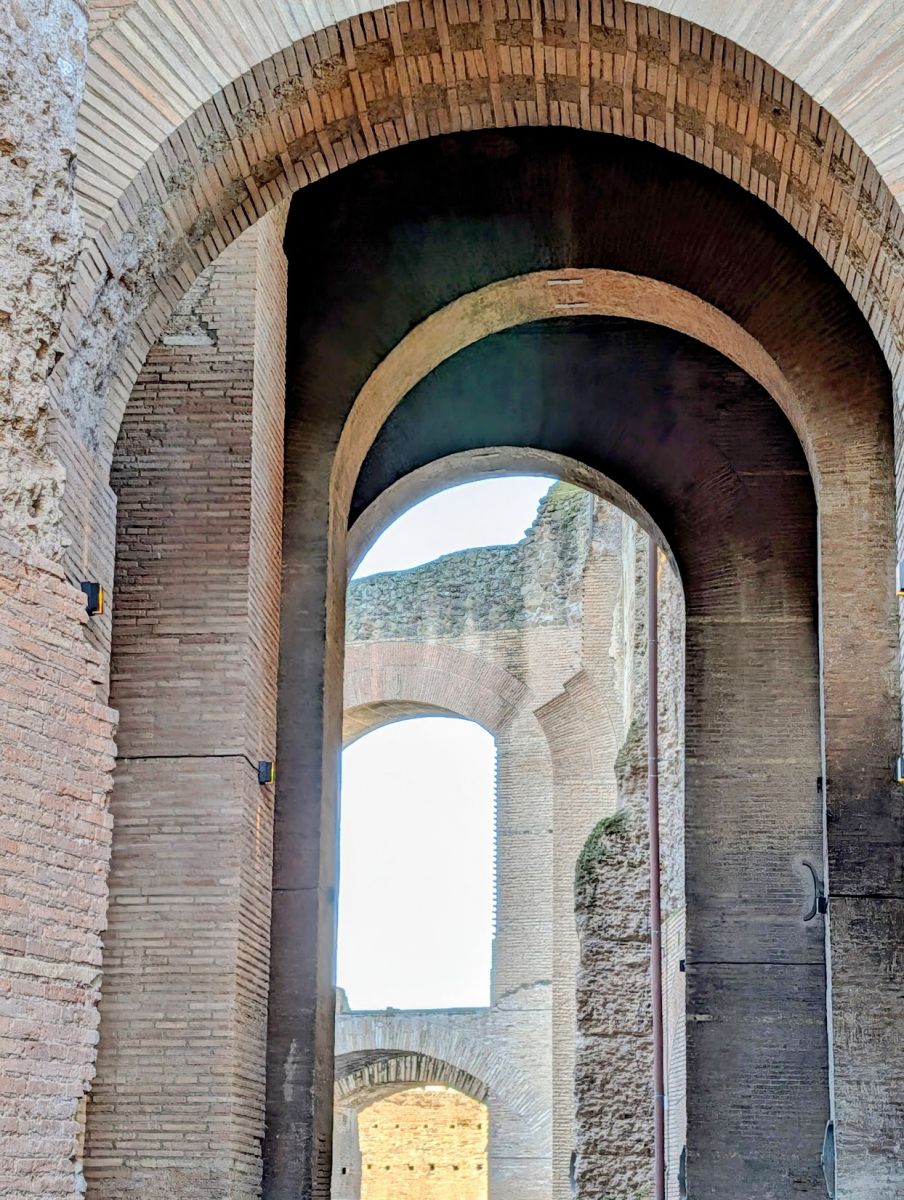
The Domus Tiberiana was an Imperial Roman palace located on the northwest corner of the Palatine Hill. It probably takes its name from a house built by the Emperor Tiberius, who is known to have lived on the Palatine. It was enlarged by the successors to Tiberius, and would have been the principal Roman residence of Tiberius, Caligula, Claudius, and Nero during the early part of his reign. Relatively little is known of the structure archaeologically, since the Farnese Gardens have occupied the site of the main level since the 16th century, making excavation difficult.
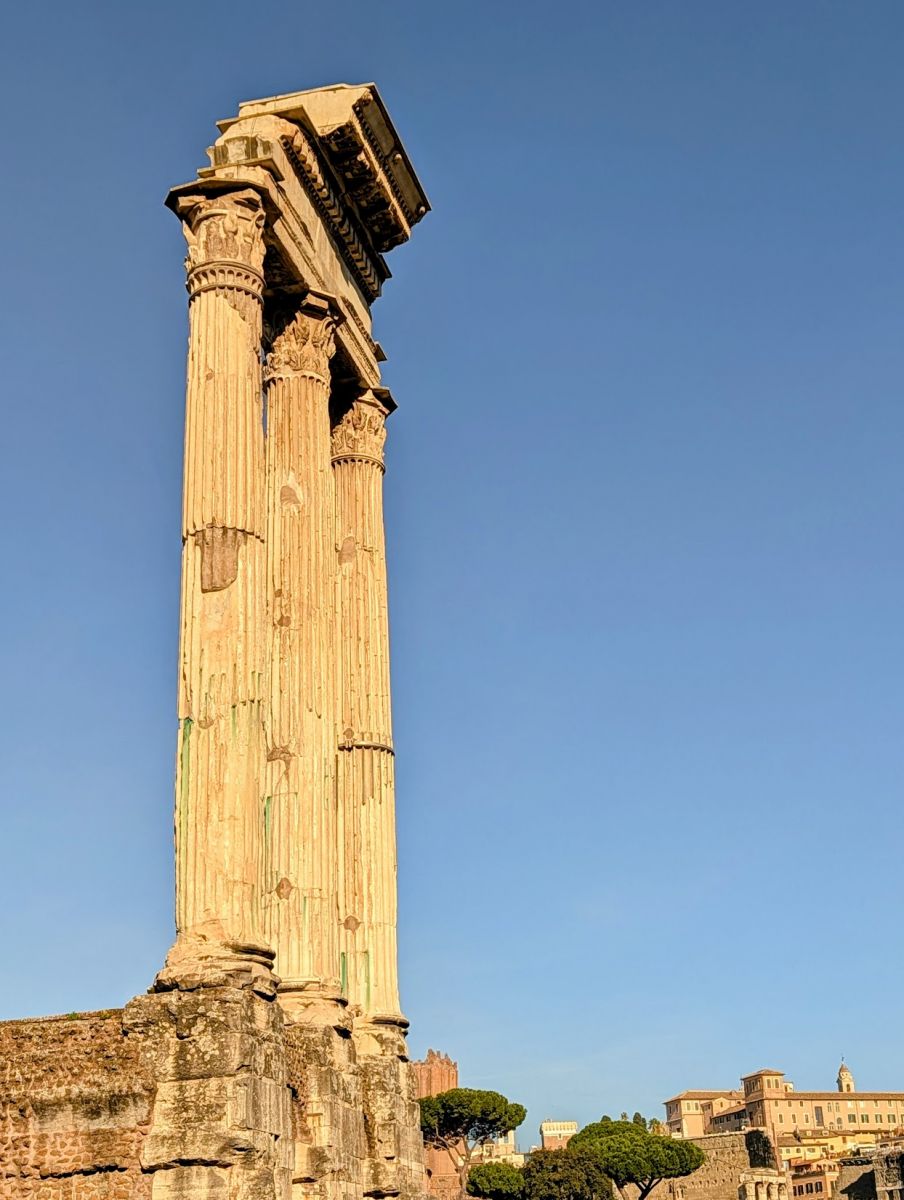
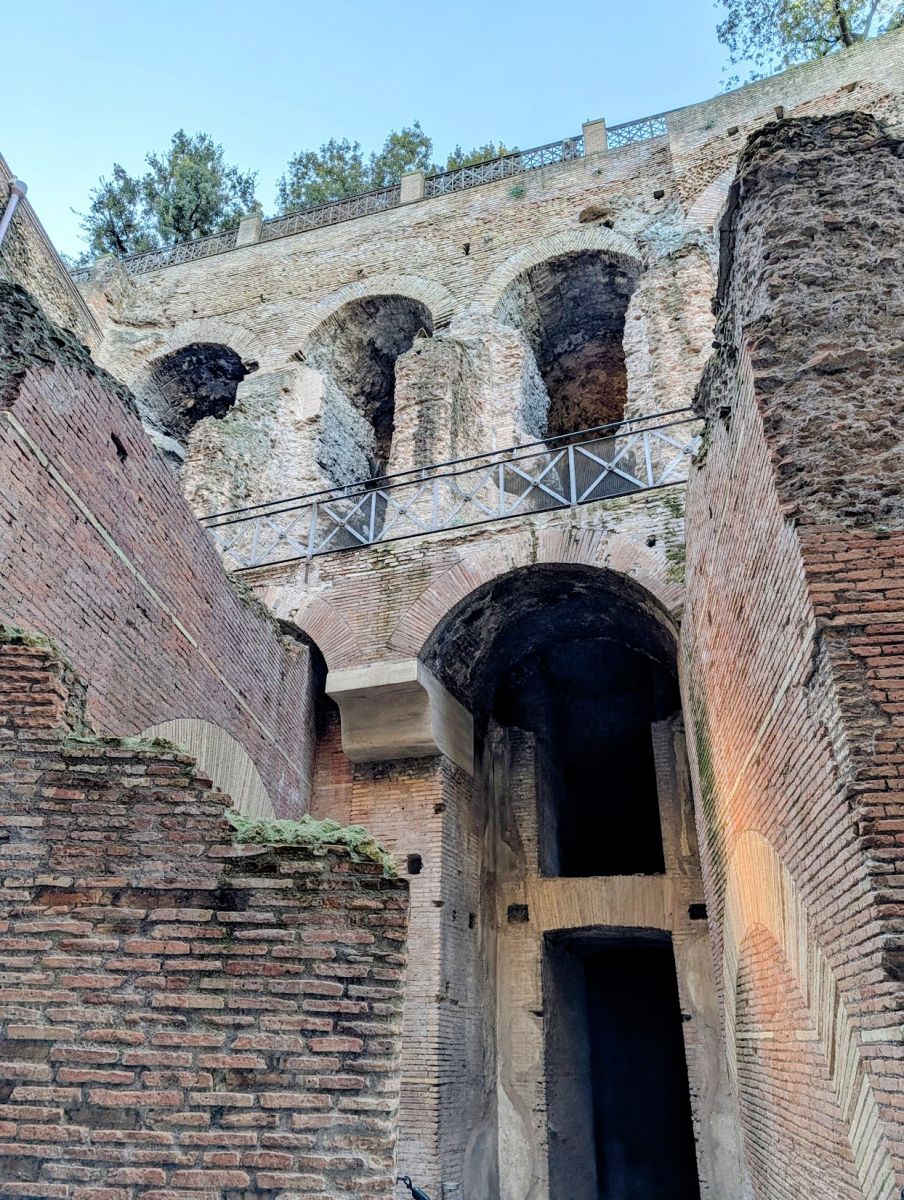
The visible remains are those of the imposing arcaded support structures on the northern slope of the hill, built under Domitian, Trajan and Hadrian. On the level of the Forum the ruins of a vestibule complex, begun by Domitian and completed by Hadrian, lie behind the Temple of Castor and Pollux. From here there was an access ramp which led up the slope of the hill to the Domus Tiberiana on the summit.
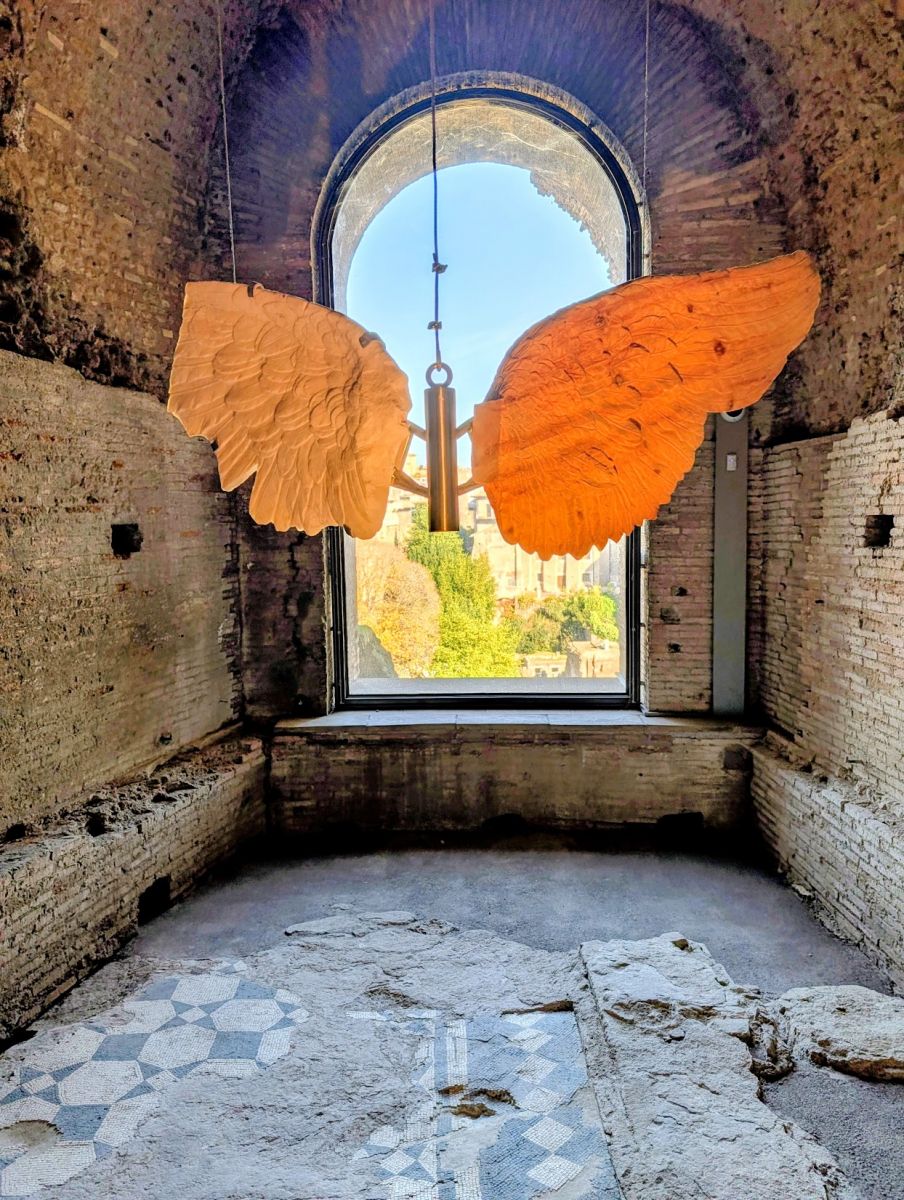
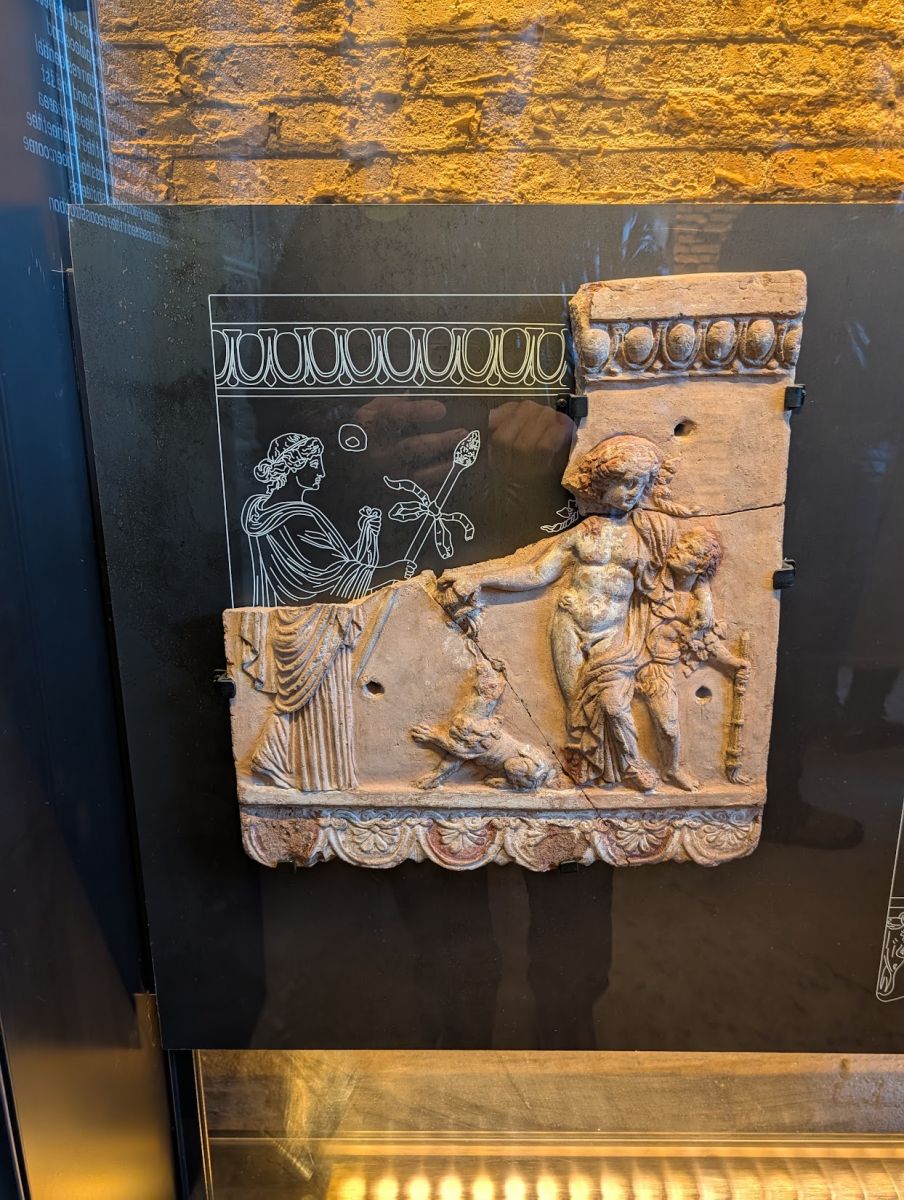
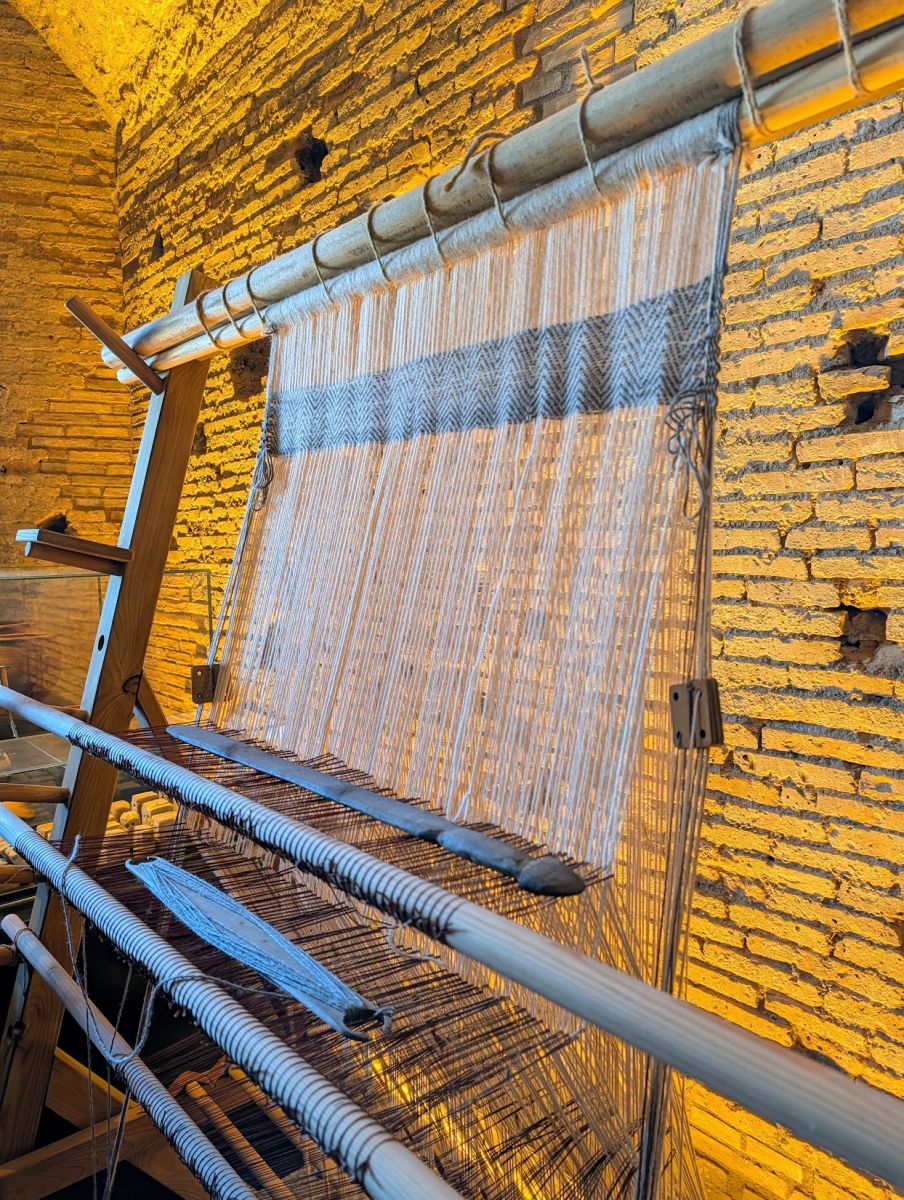
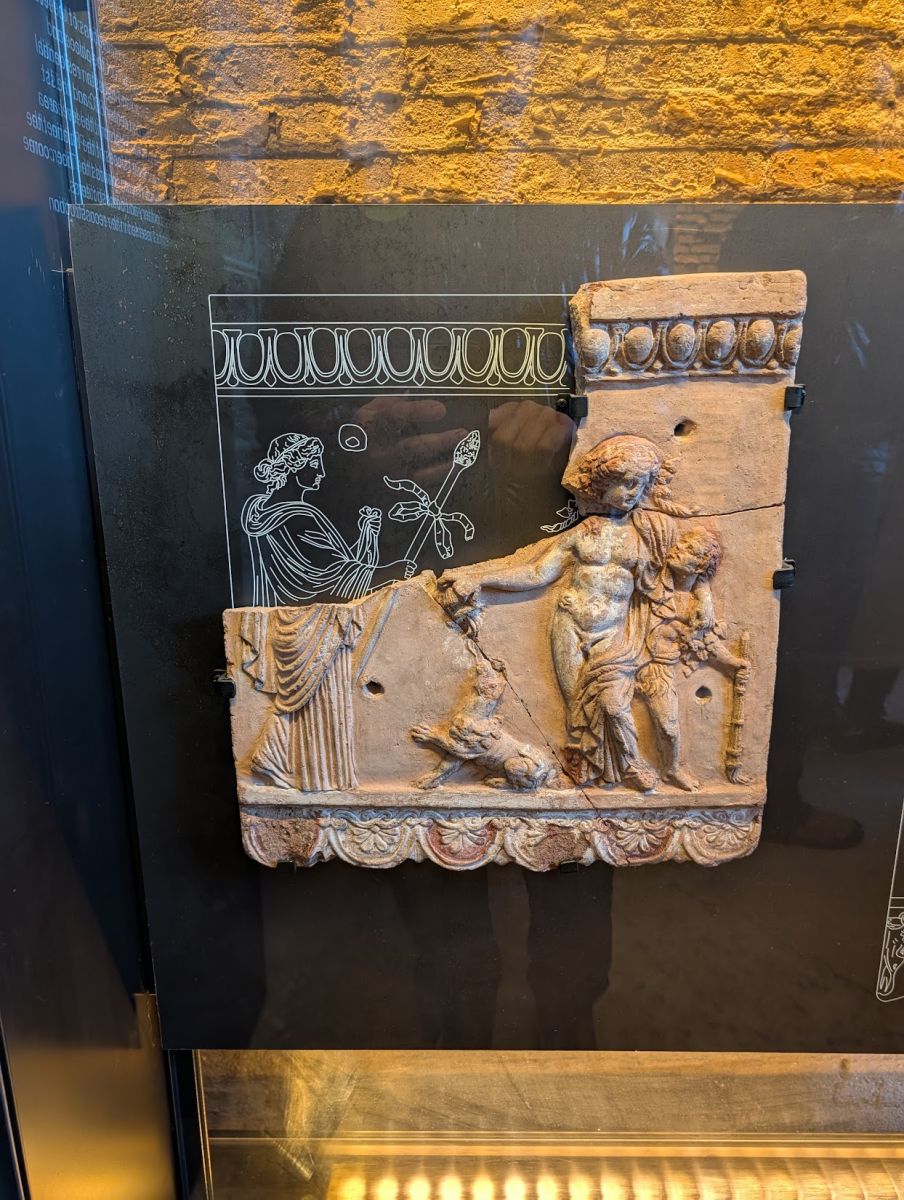
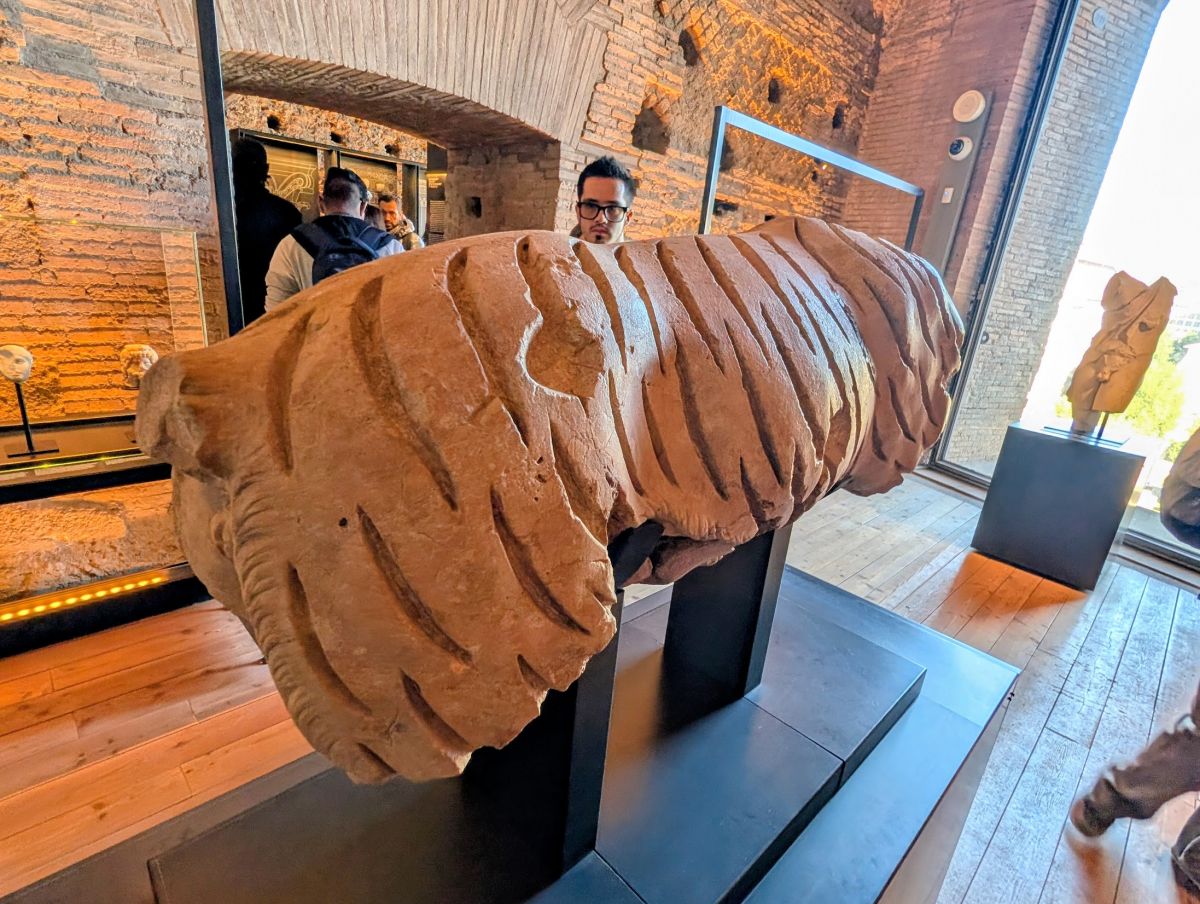
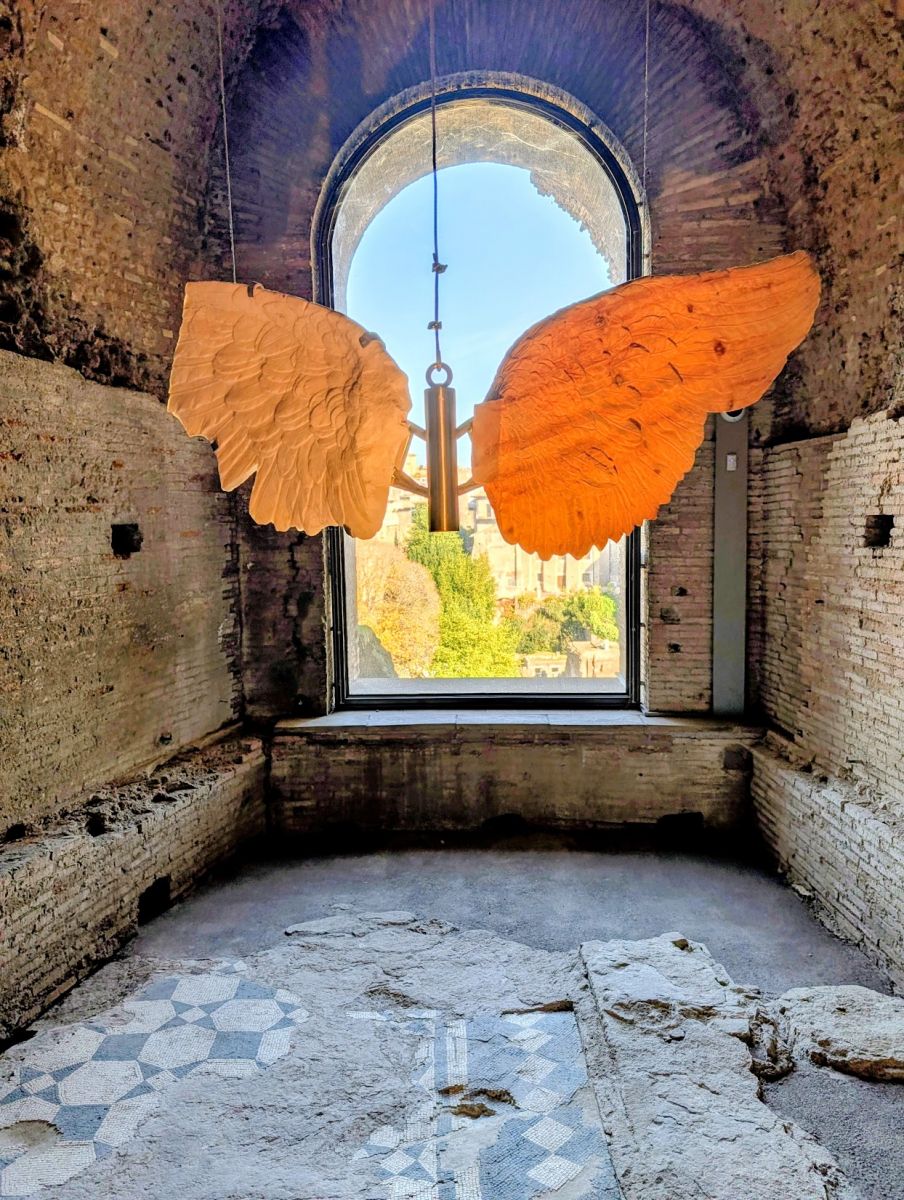
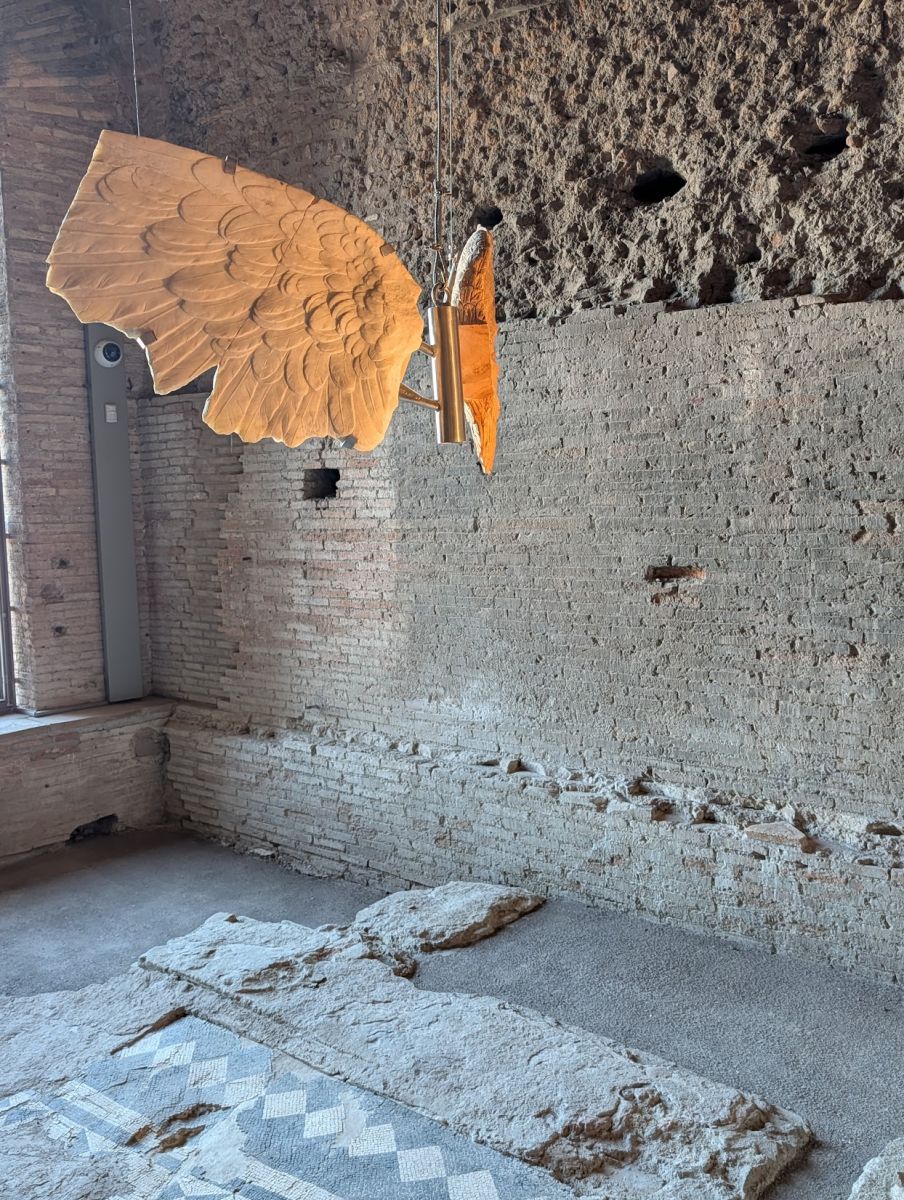
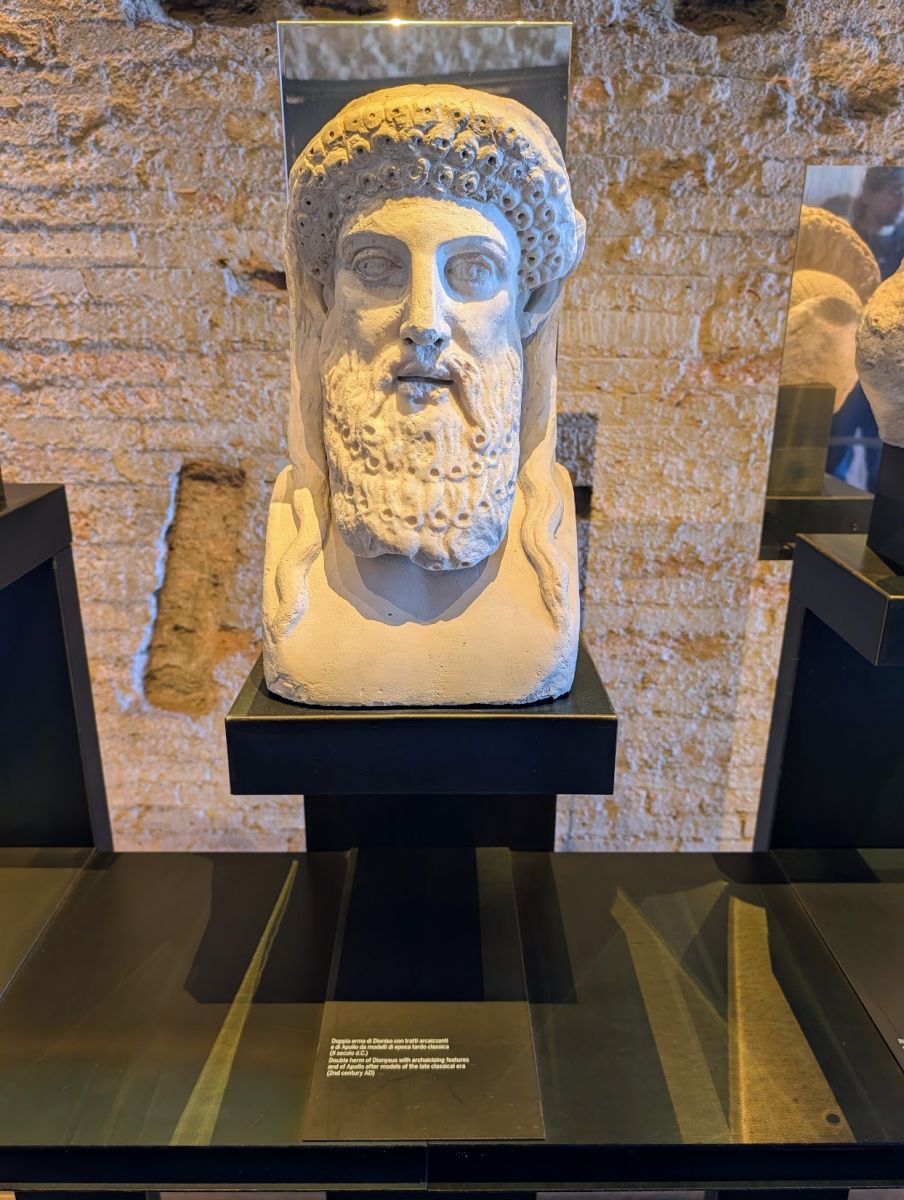
Various sculptures and architectural ornaments were discovered in 2008 on or near the site of the Domus Tiberiana. These include a pair of white marble wings that would have belonged to a large Victory/Nike statue, and a statue of Aphrodite. A high quality panel of opus sectile flooring, composed of several types of marble inlaid in a geometric pattern, was found during the excavations (1865–67) by Pietro Rosa and is on display in the Palatine Museum, along with the statues discovered at the site. Significant finds have been made within the Hadrianic arcades which covered the old Clivus Victoriae, including altars to Minerva and Lucina. Several fragments of high-quality terracotta statues were also found within these arcades; they are believed to have been working models for making copies of Greek statues for Roman clients in the time of Caesar and Augustus.
This entire area was closed for over 50 years, and re-opened in 2023 after a long renovation project.
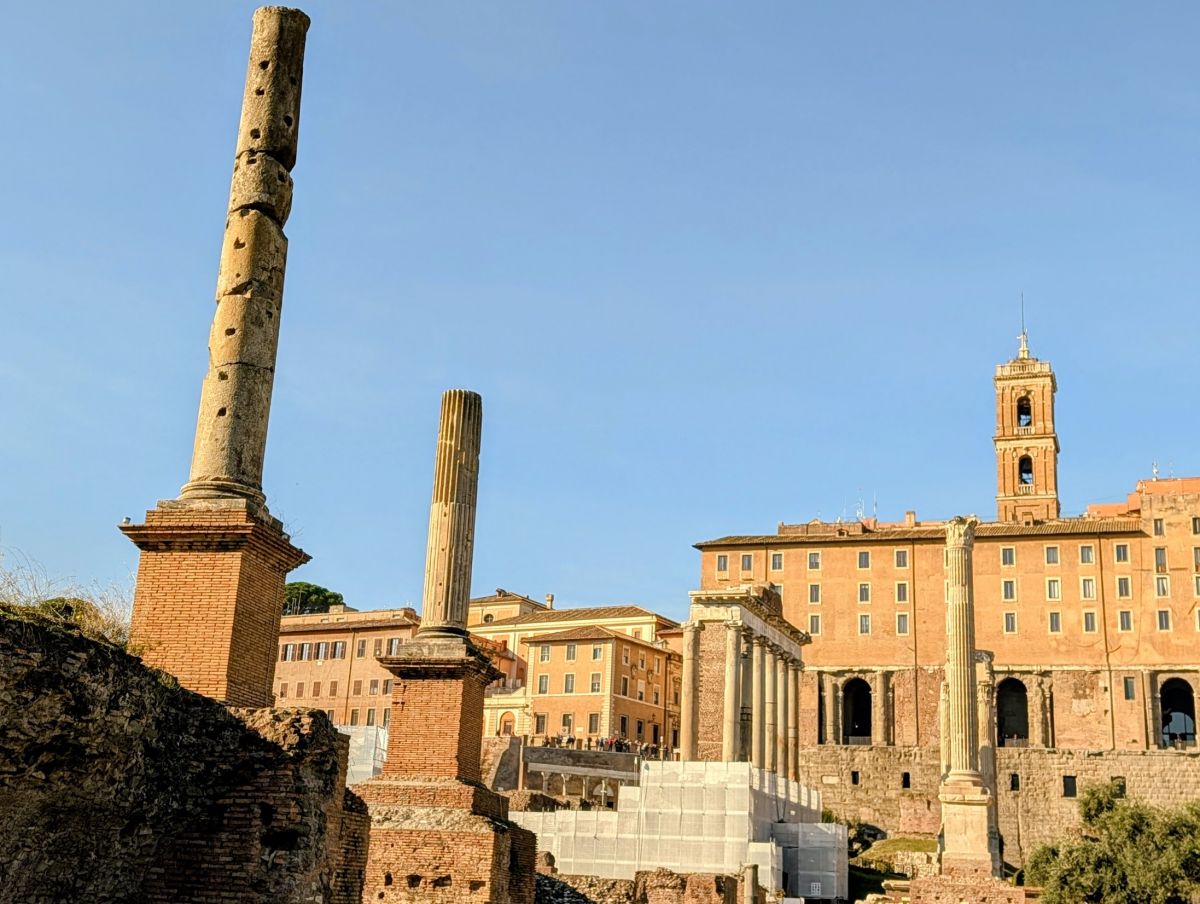
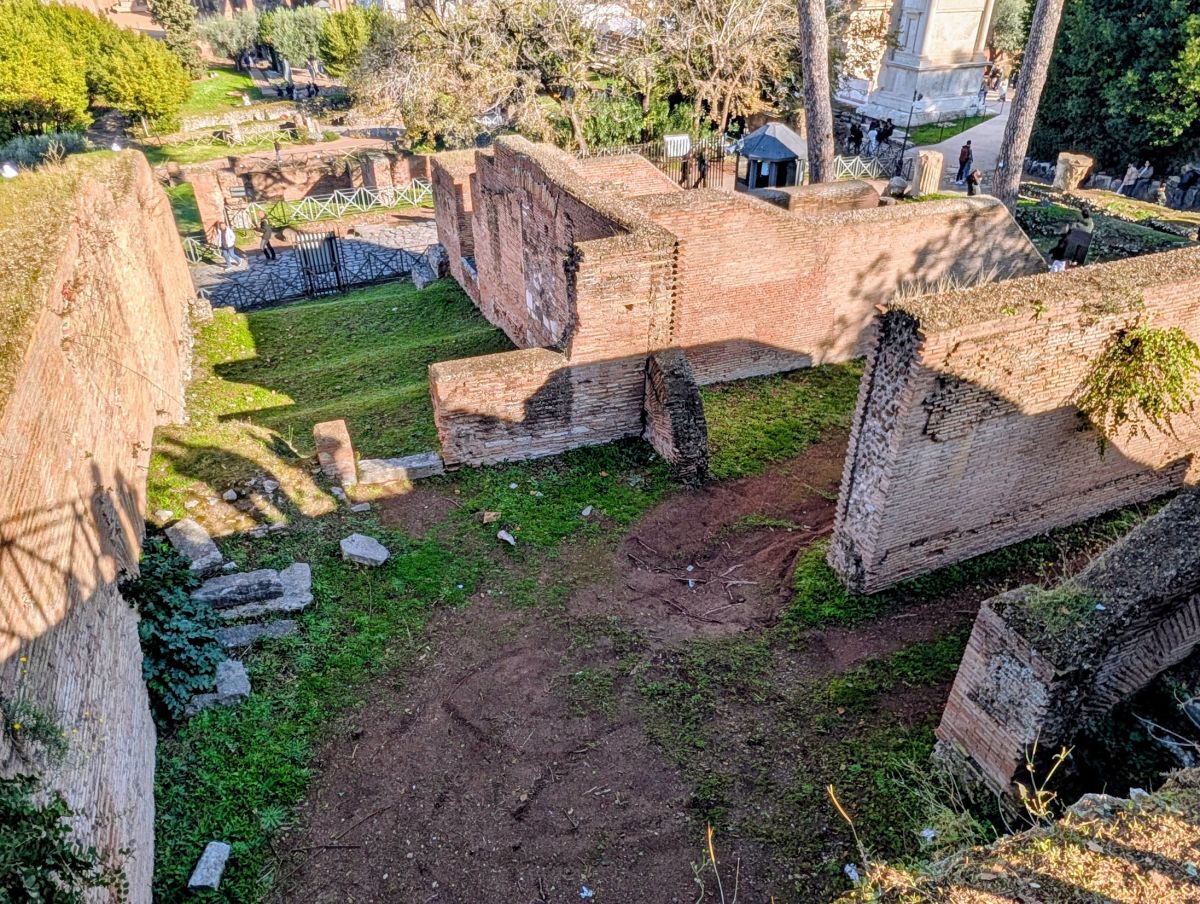
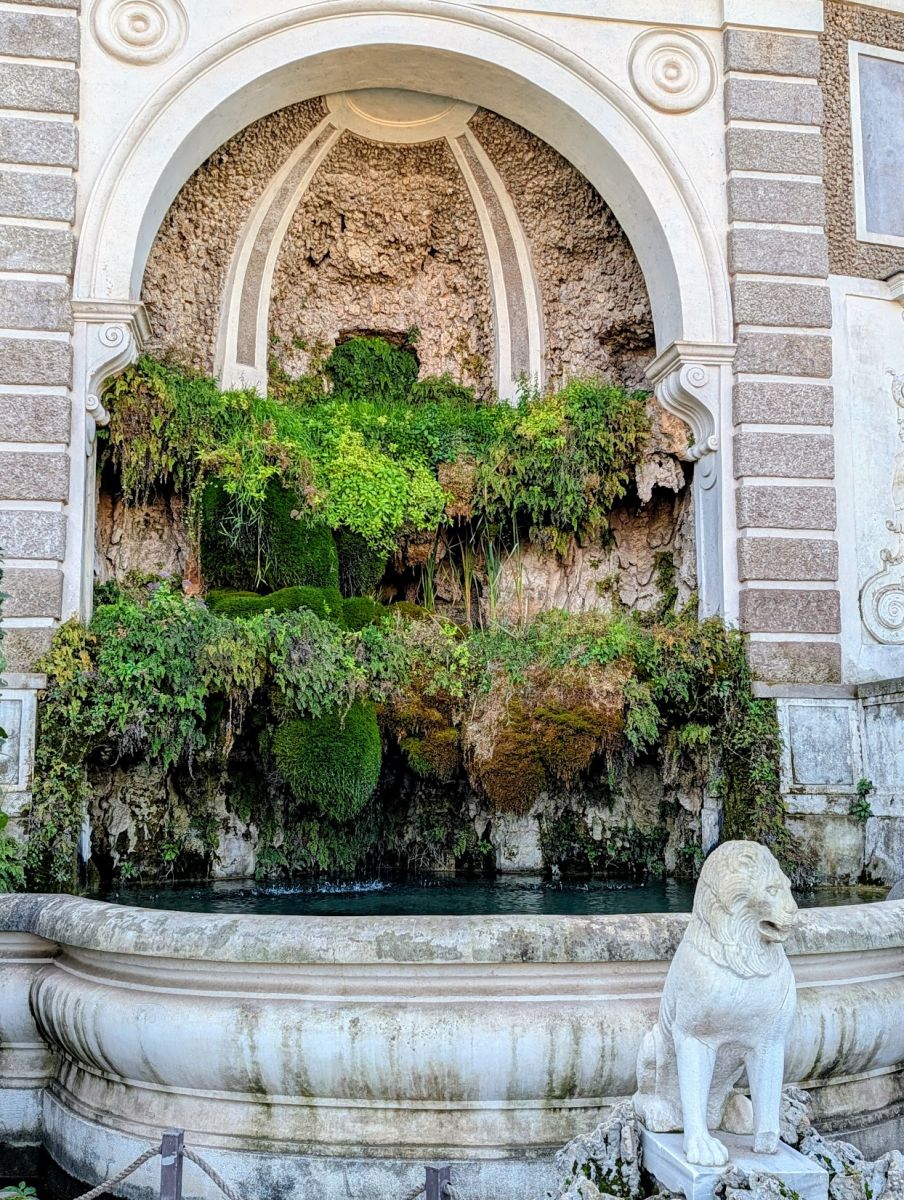
There was a lot more to see in the Roman Forum/Palatine Hill area, but detailing each would make for a very long post. There are many photos (with captions, so you know what you’re looking at) down below. If you decide to do Palatine Hill/Forum on your own, you can download a free audio guide for the Roman Forum in the Rick Steves Audio Europe app.
Roman Ghetto/Jewish Quarter
The Roman Ghetto, established in 1555 by Pope Paul IV, was the first Jewish ghetto in the Western world and located in the Rione Sant’Angelo near the Tiber River. It confined Rome’s Jewish population—numbering about 2,000 at the time—within a walled, flood-prone area that was previously one of the city’s most undesirable quarters. The ghetto’s gates were locked at night, and Jews were required to wear yellow garments when leaving, while being restricted to unskilled occupations such as ragmen, secondhand dealers, and pawnbrokers. Despite severe overcrowding, poverty, and disease, a distinct Roman-Jewish culture and culinary tradition flourished within its walls.
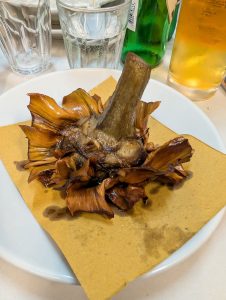
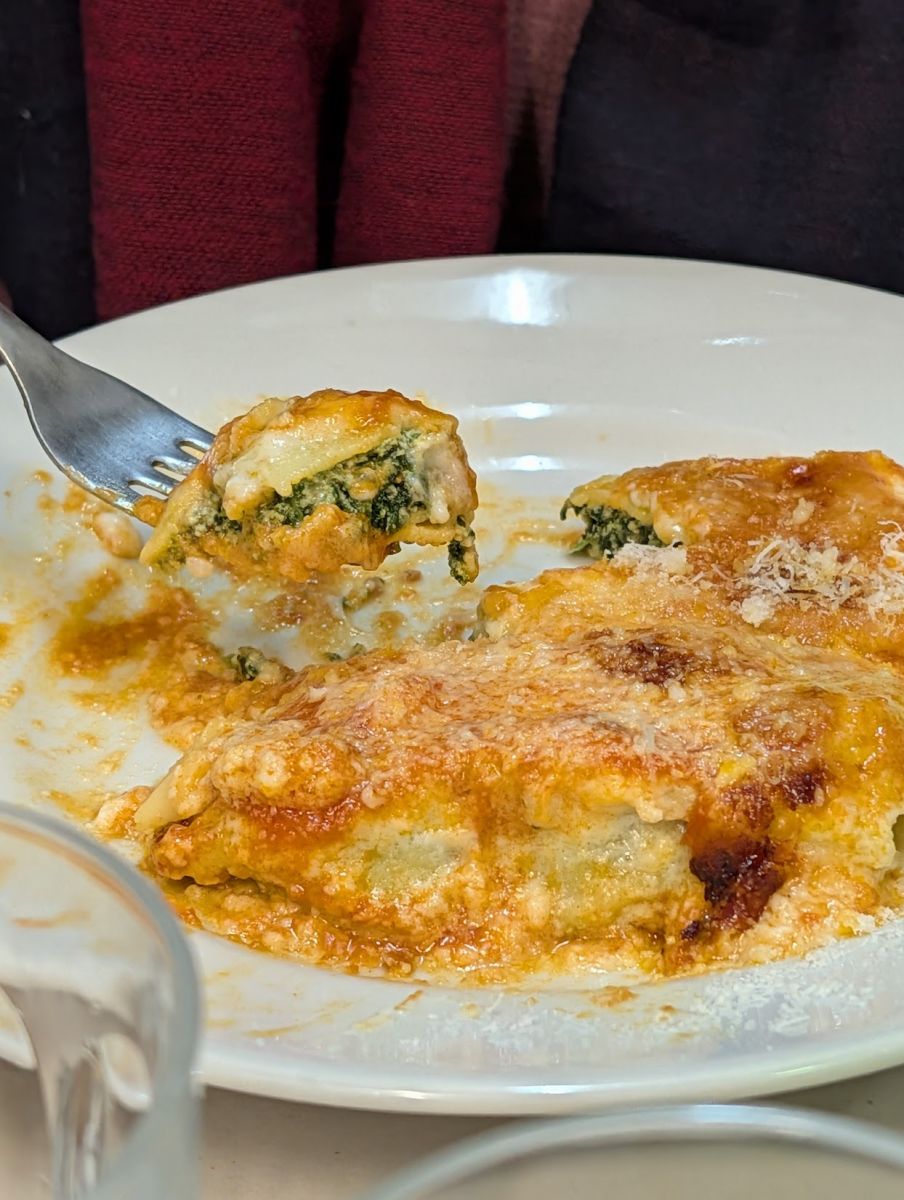
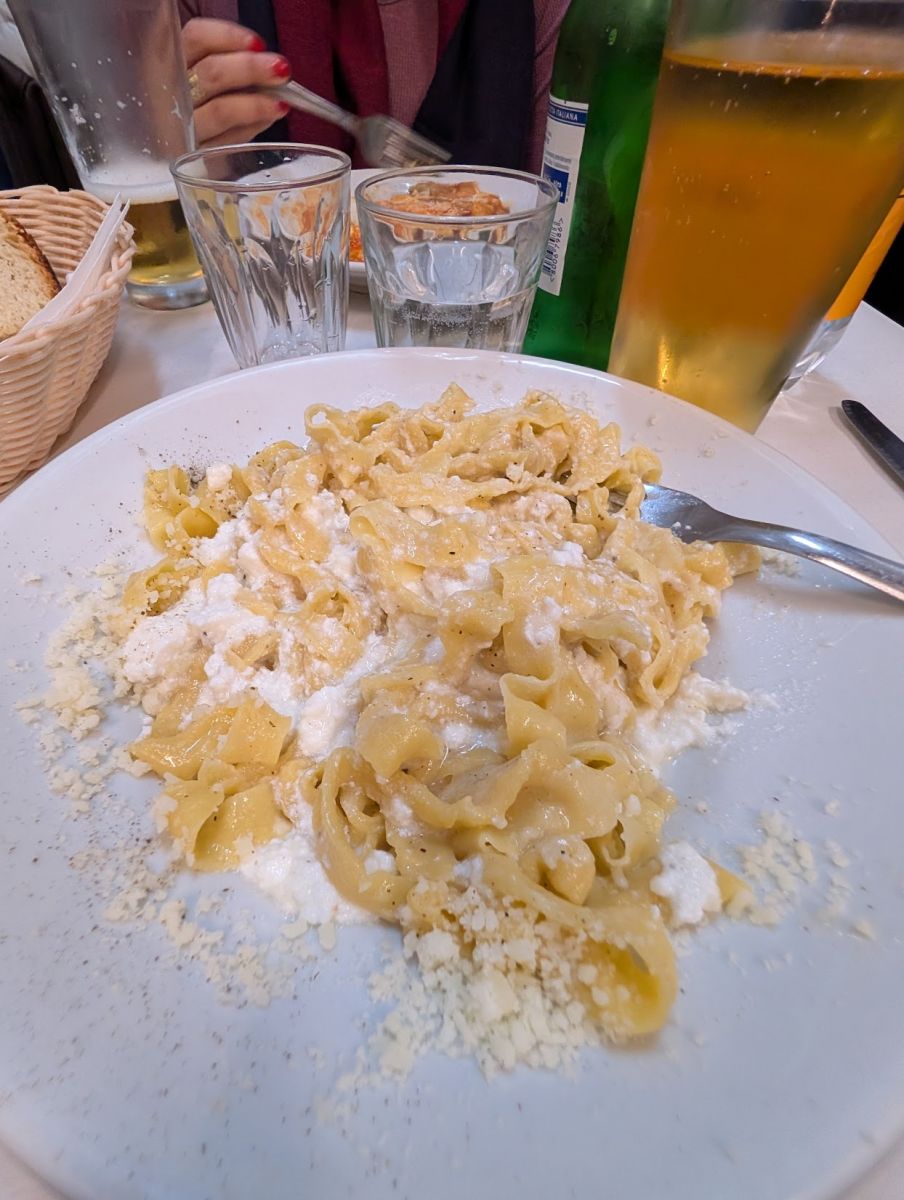
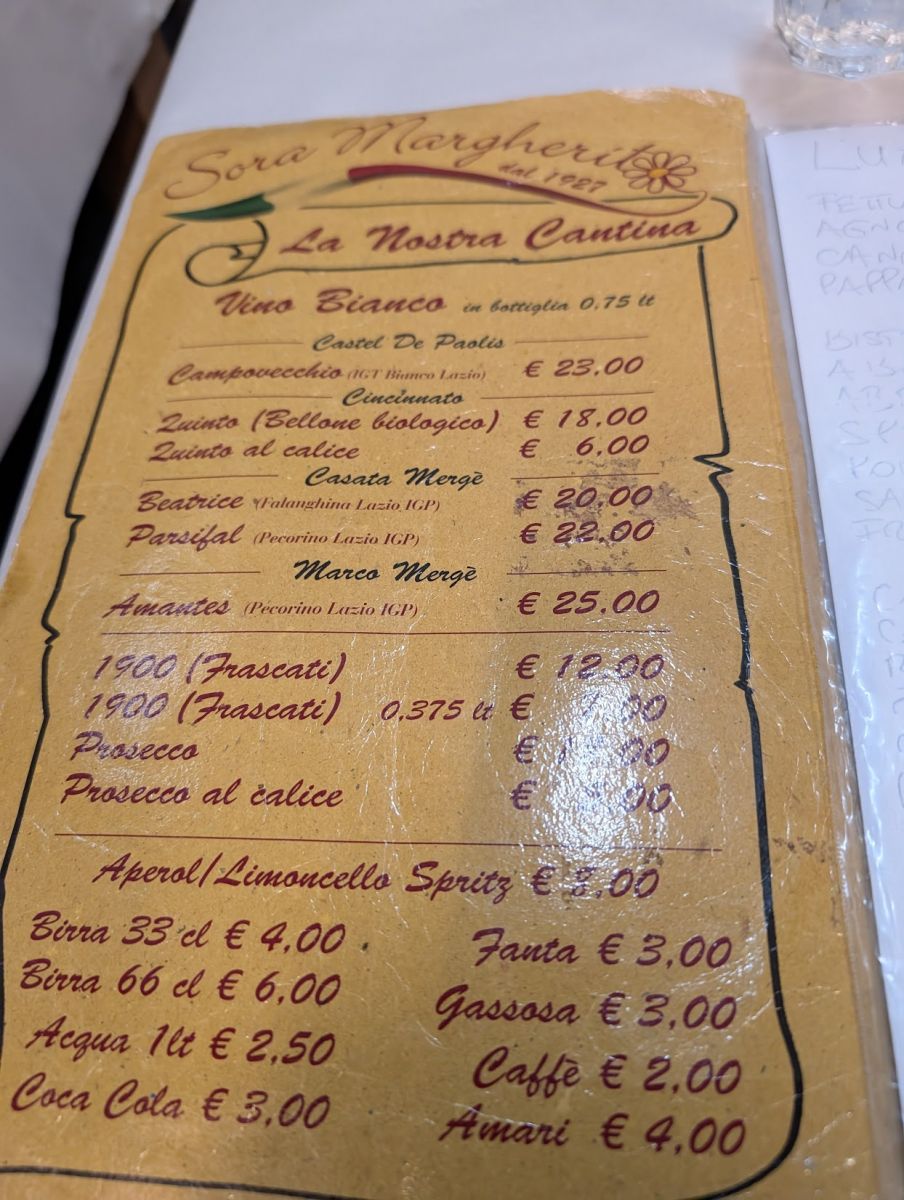
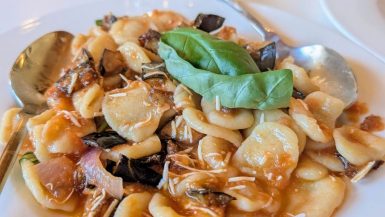
The ghetto remained under papal control until 1870, when Rome was captured by the Kingdom of Italy and the ghetto was officially abolished, granting Jews full citizenship. The area was later rebuilt under a modern urban plan, with the old structures demolished between 1886 and 1904. Today, the area is a mix of Jewish heritage and Roman architecture, featuring landmarks like the Portico d’Ottavia, synagogues, and fabulous restaurants. The area is often referred to as the Jewish Quarter out of respect, with the older name of Jewish Ghetto now out of favor. One of the best known food items in the area are the carciofi alla giudia, or ‘Jewish-style artichokes”, which we enjoyed at Sora Margherita, a no-frills trattoria in the heart of the quarter that we later learned is a local favorite. The spinach and ricotta cannelloni was the best Teresa has ever had, and my cacio e pepe with ricotta was very good (although next time I’d opt for the more traditional cacio e pepe that doesn’t include ricotta).
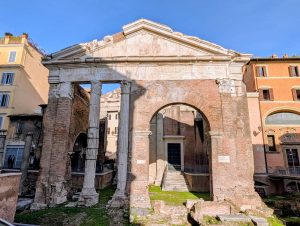
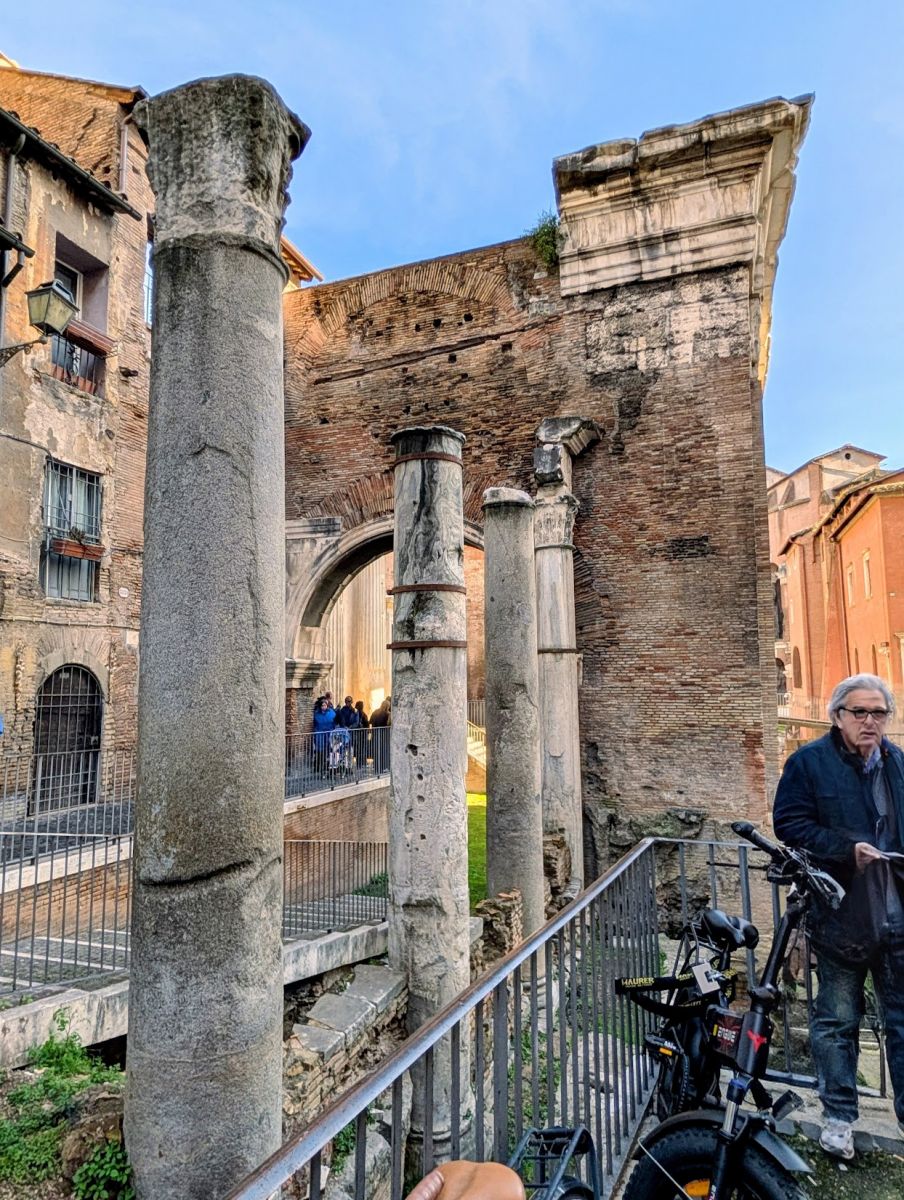
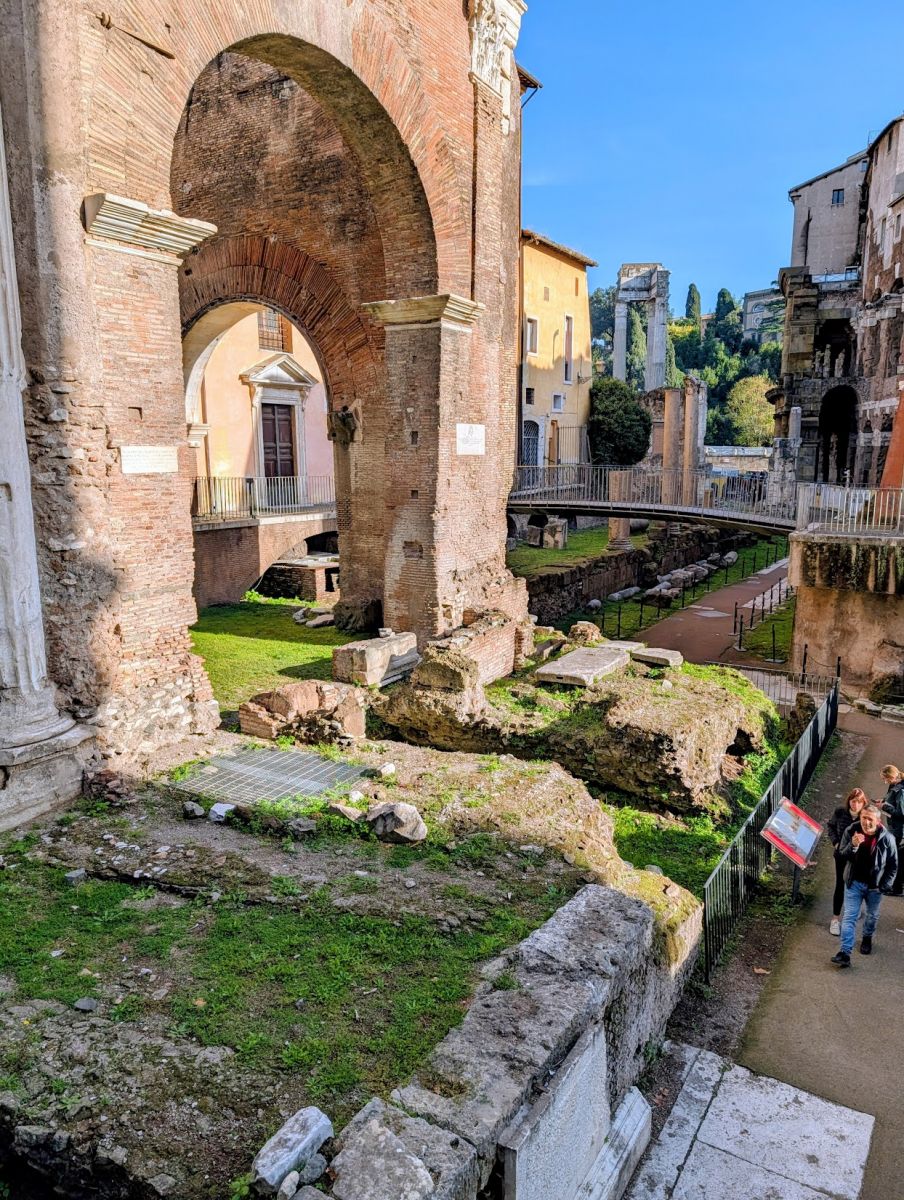
After lunch we took a short walk from Sora Margherita to the Portico d’Ottavia (Portico of Octavia), the remains of an ancient walkway originally built in the 2nd century B.C. to link two Roman temples.
We had over 10,000 steps at this point, so headed back to the hotel for a much needed nap.
Dinner at La Cabana
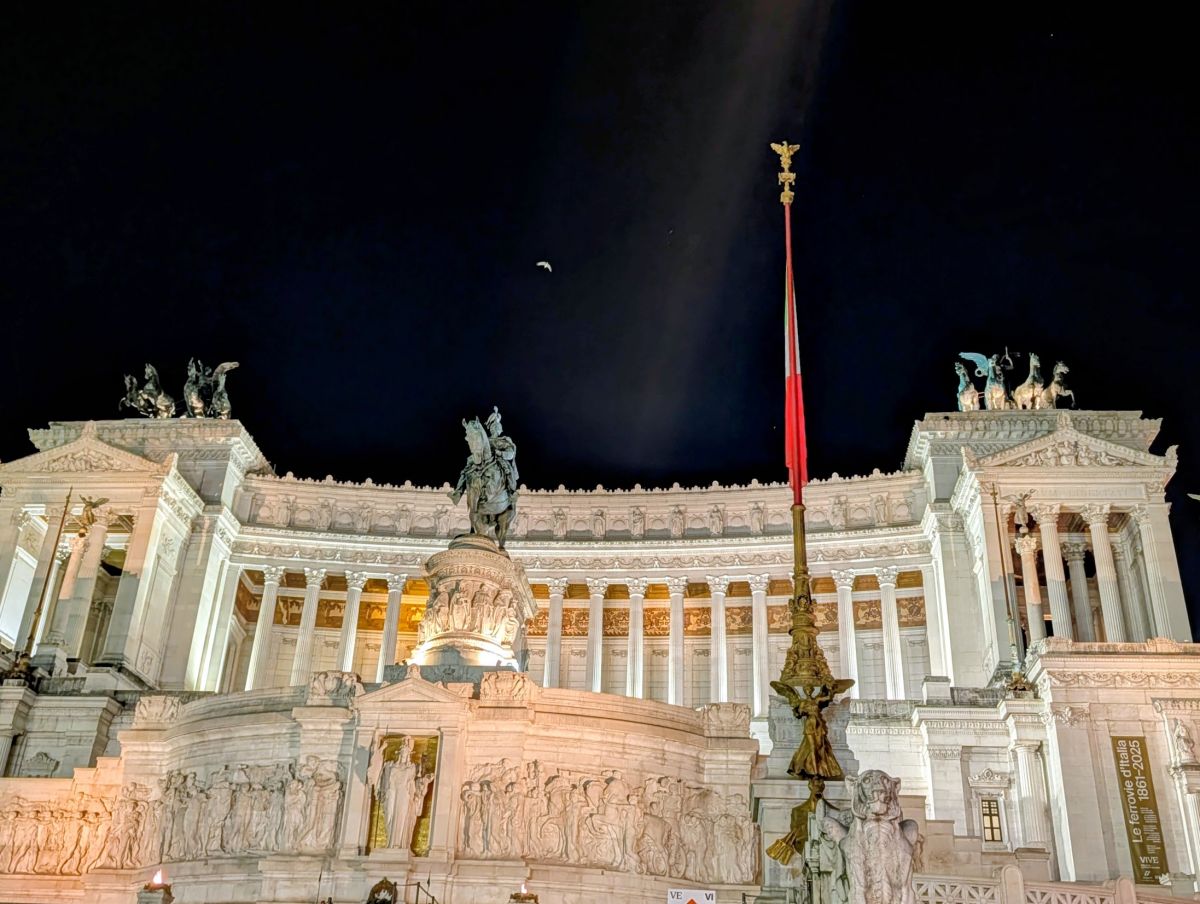
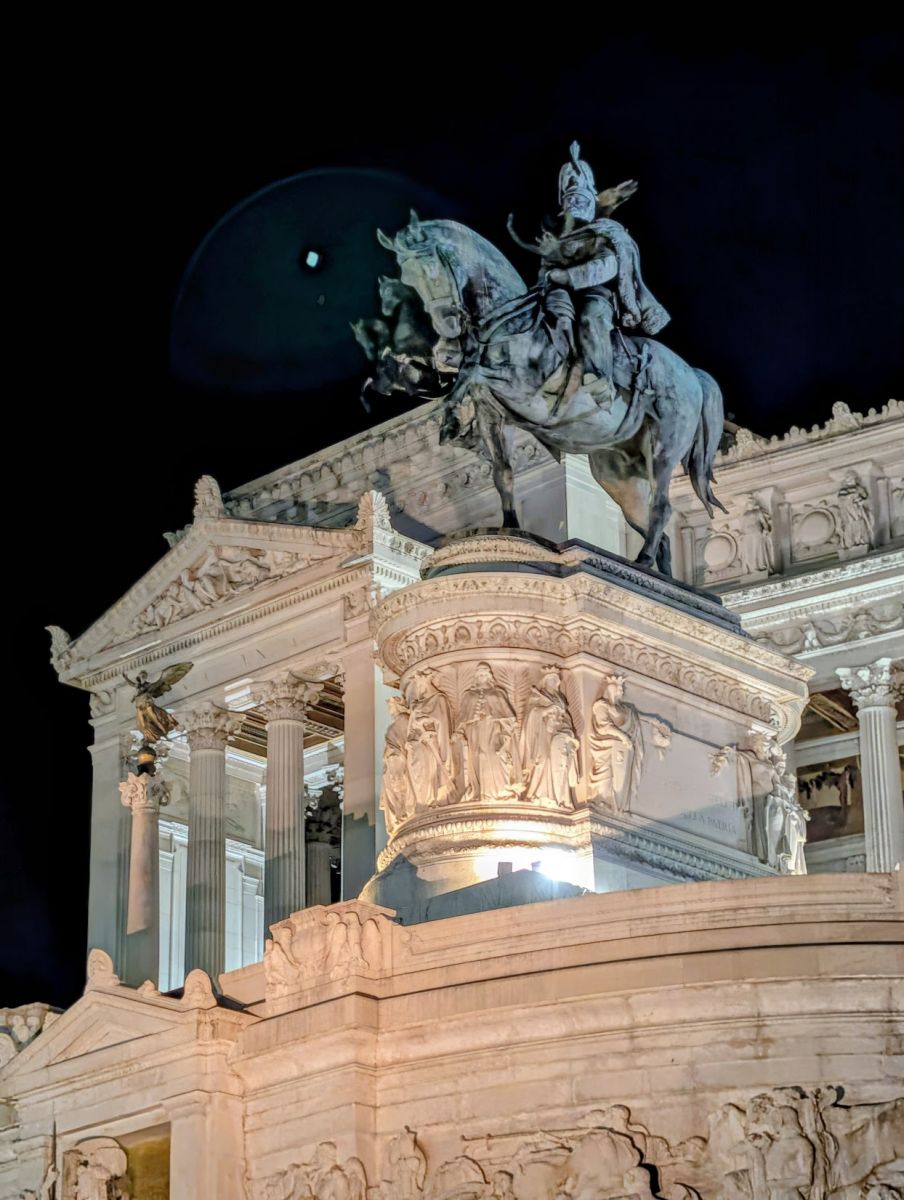
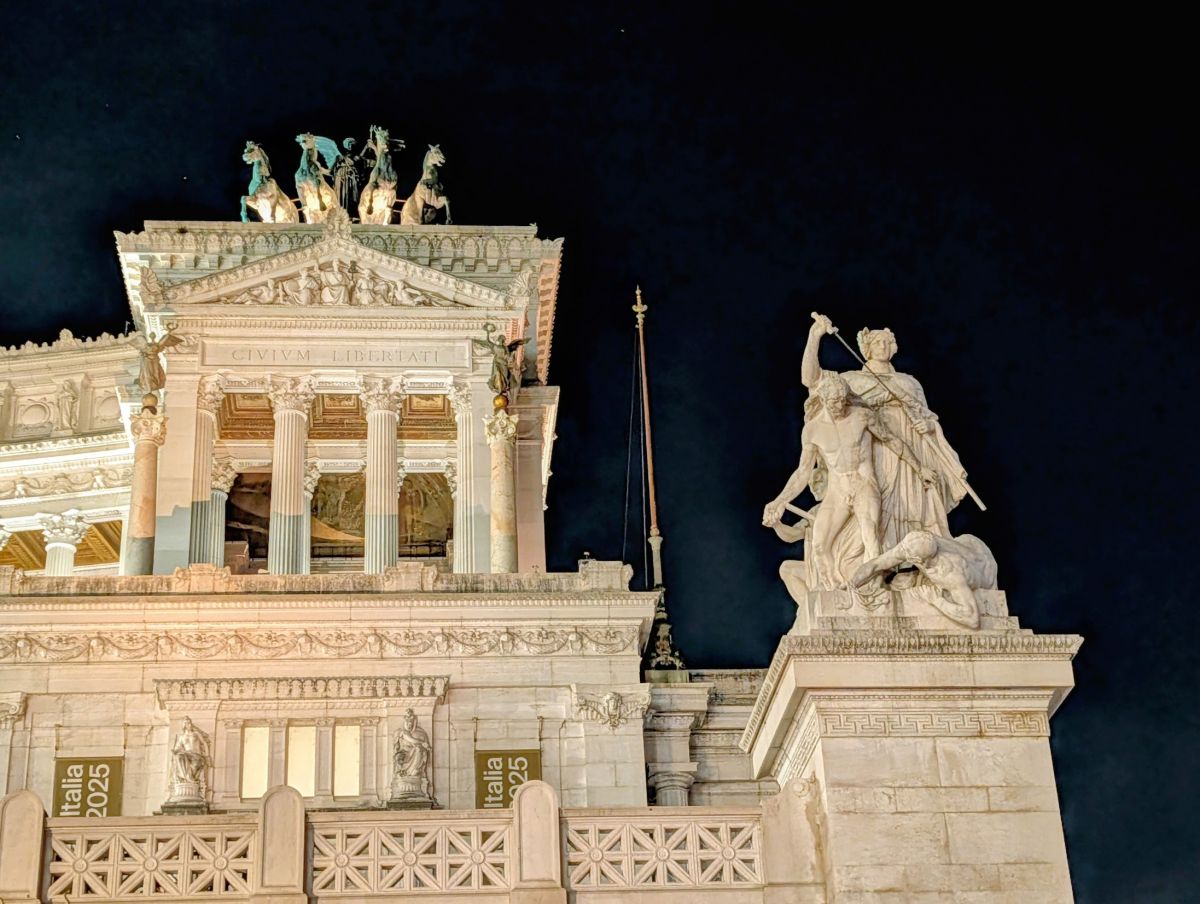
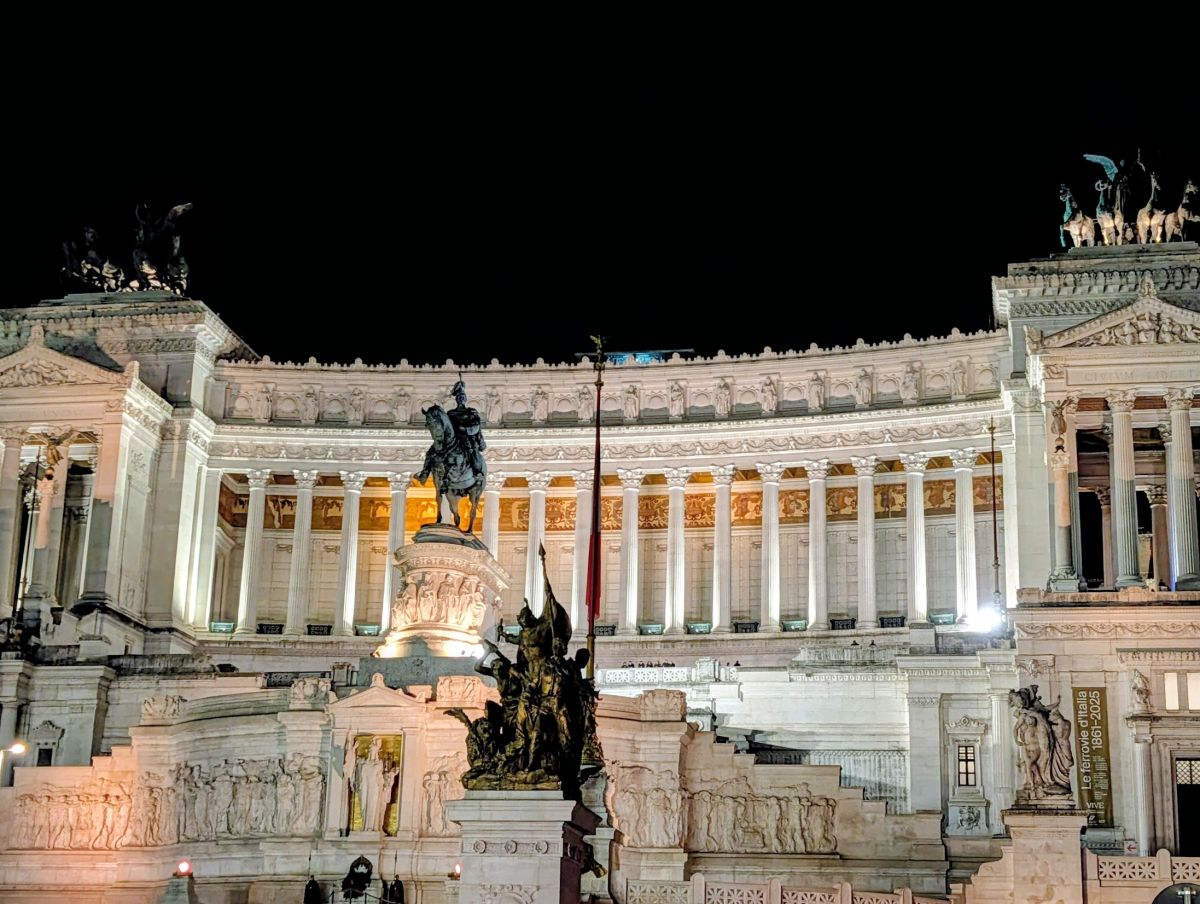
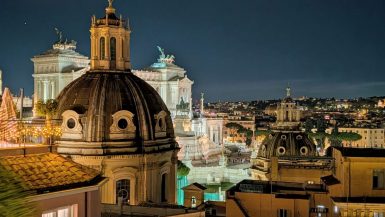
After our nap, we wandered the area a bit before getting dinner at La Cabana, hidden away in an alley across from Piazza Venezia (and the Altar of the Fatherland). Unless you knew it was there, you’d never come across it. The Bucatini all’Amatriciana, a classic Roman pasta dish, was good, as was the fettuccini with shrimp. We got the house wine (red), and it was very drinkable and a good value (8 Euro for 1/2 litre). The only minor negative was the crème brûlée. The top wasn’t fired enough, so there was no welcome cracking of the top—it just sort of melded around the spoon. I guess that’s what we get for ordering a French dessert in an Italian restaurant.
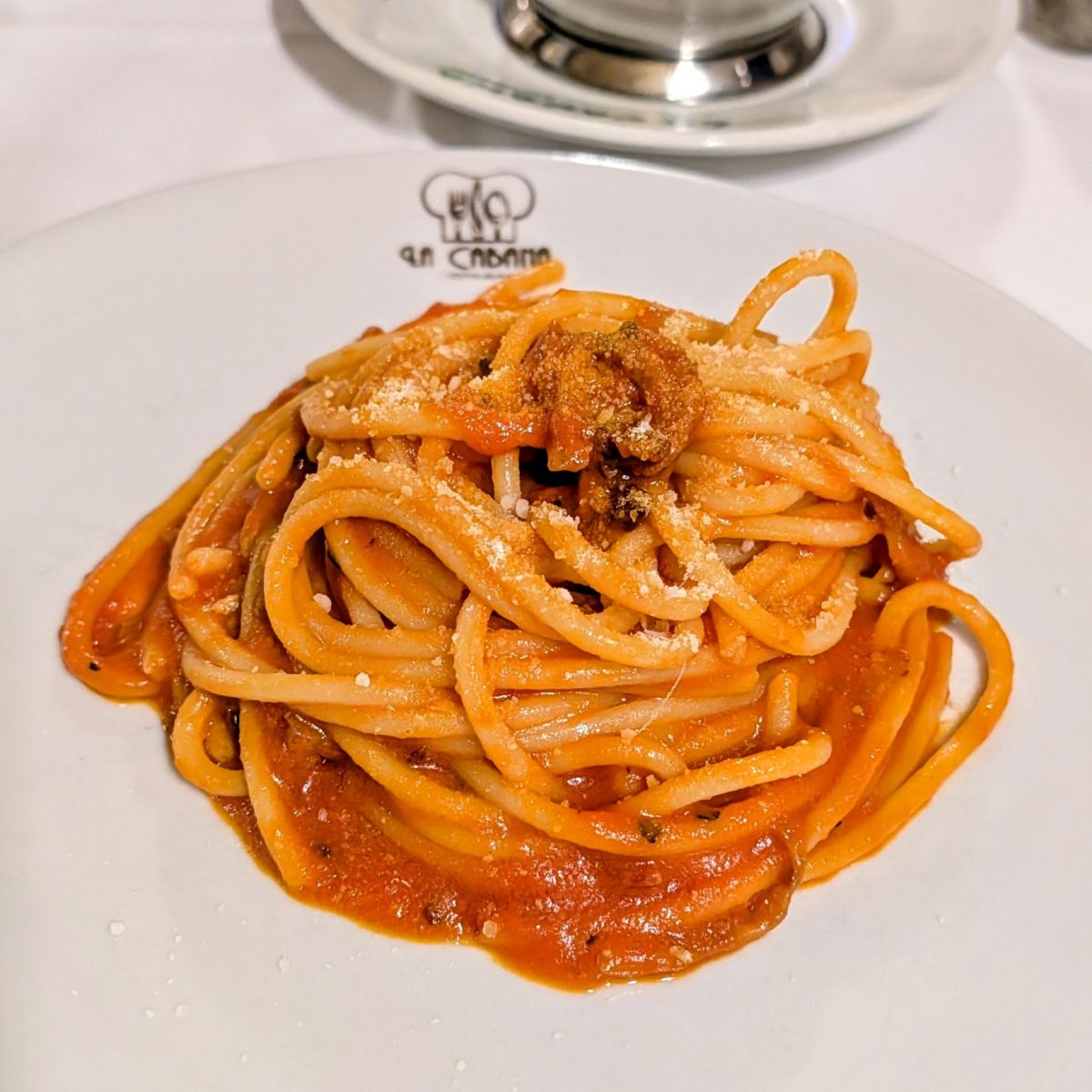
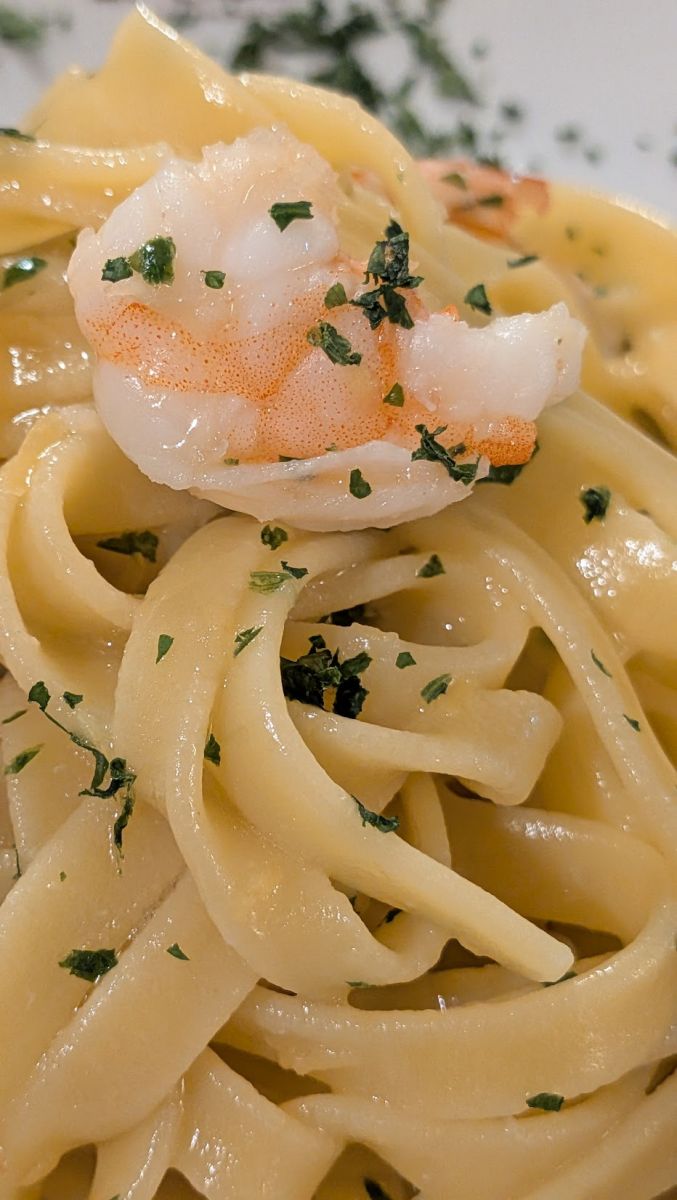
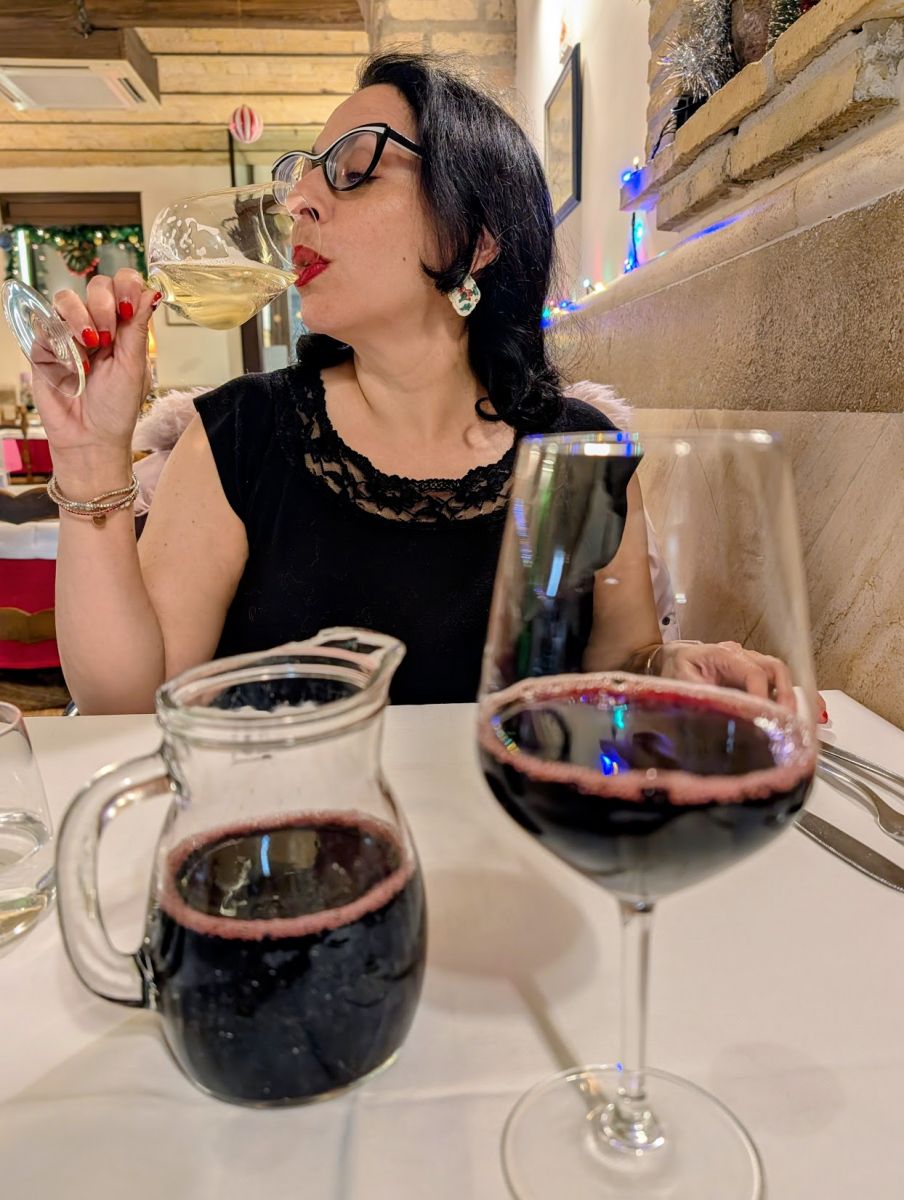
Photo Dumps
The Colosseum Photos
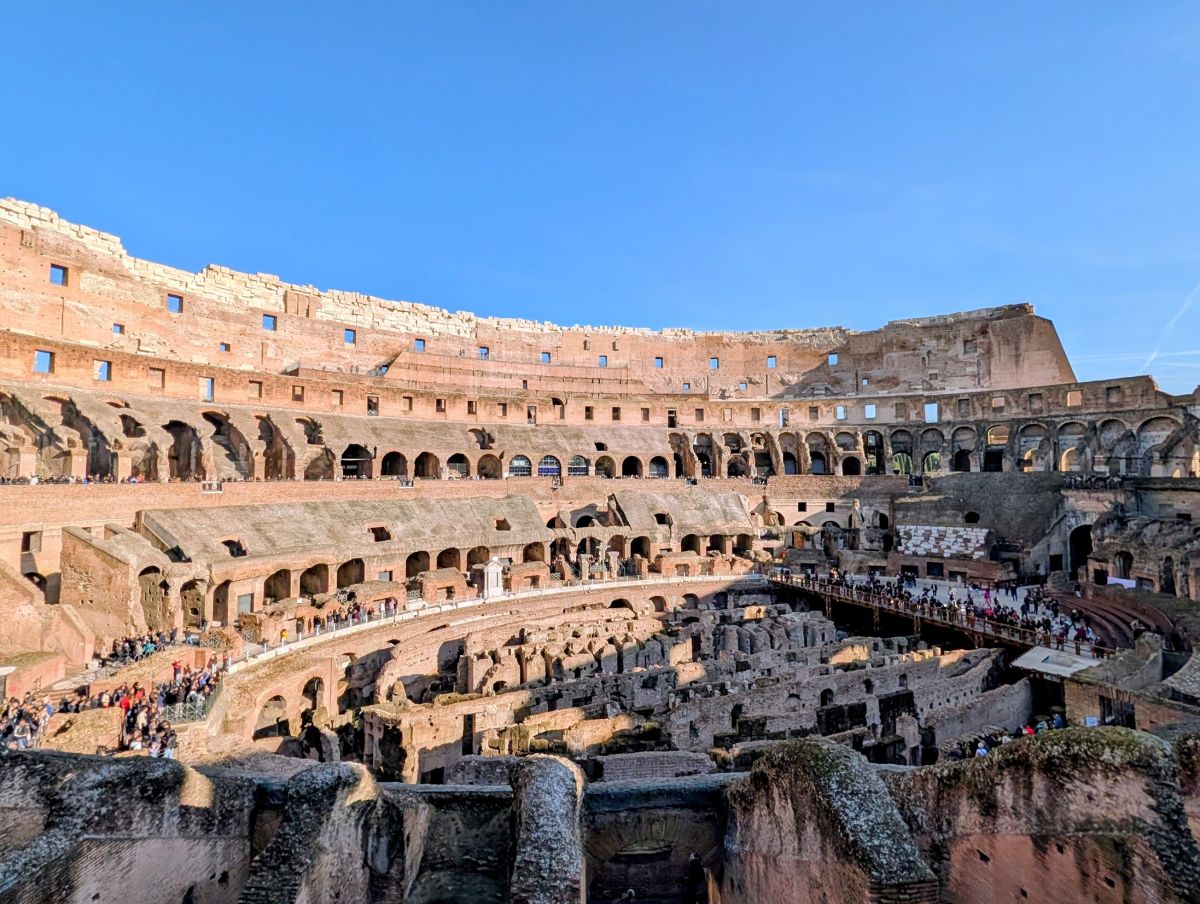
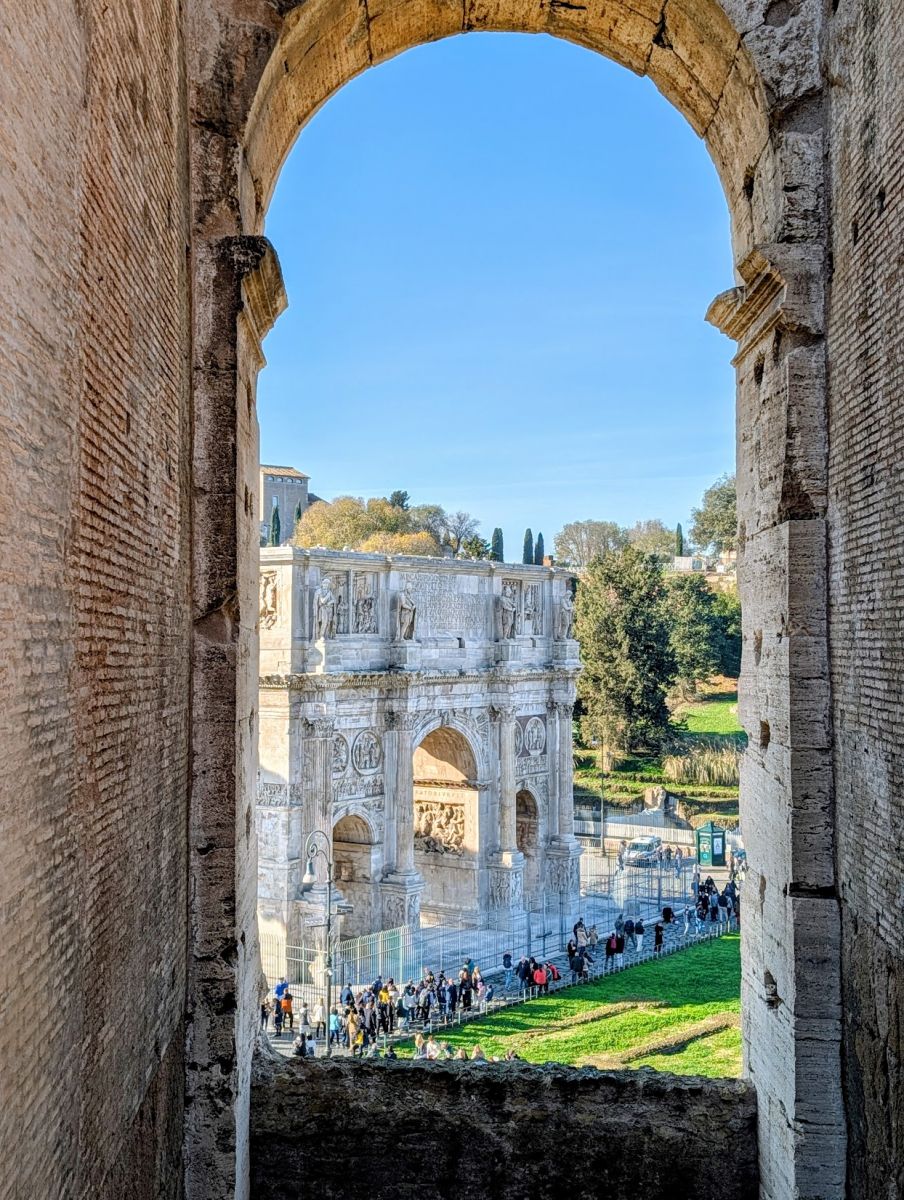
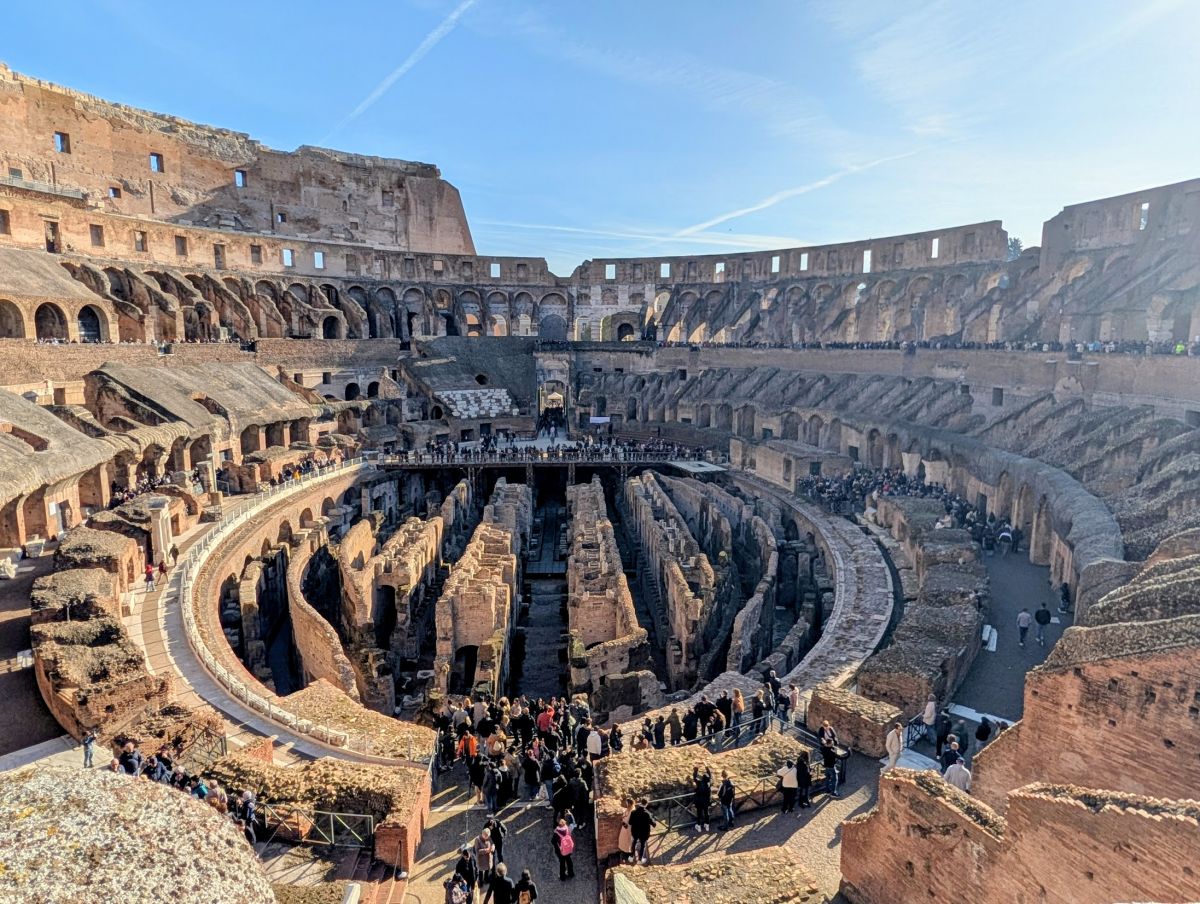
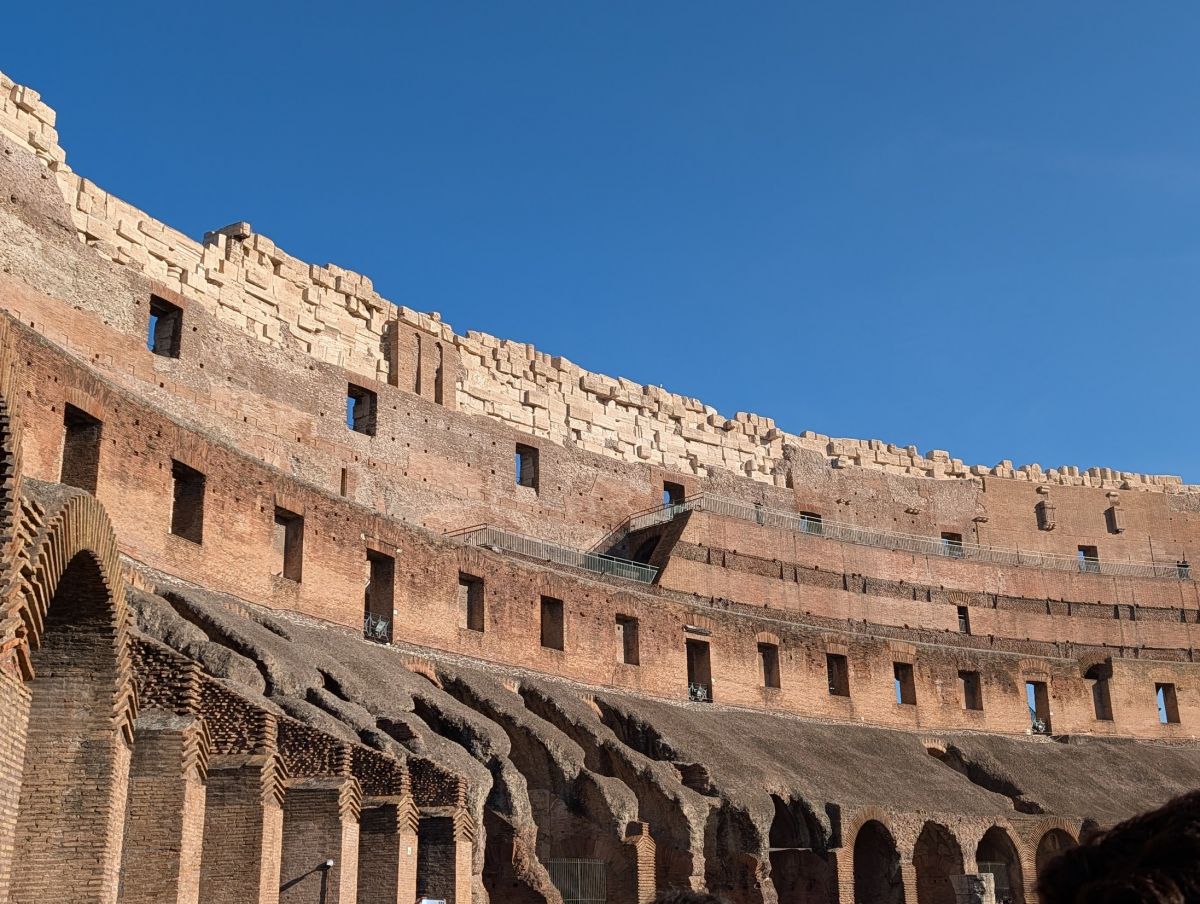
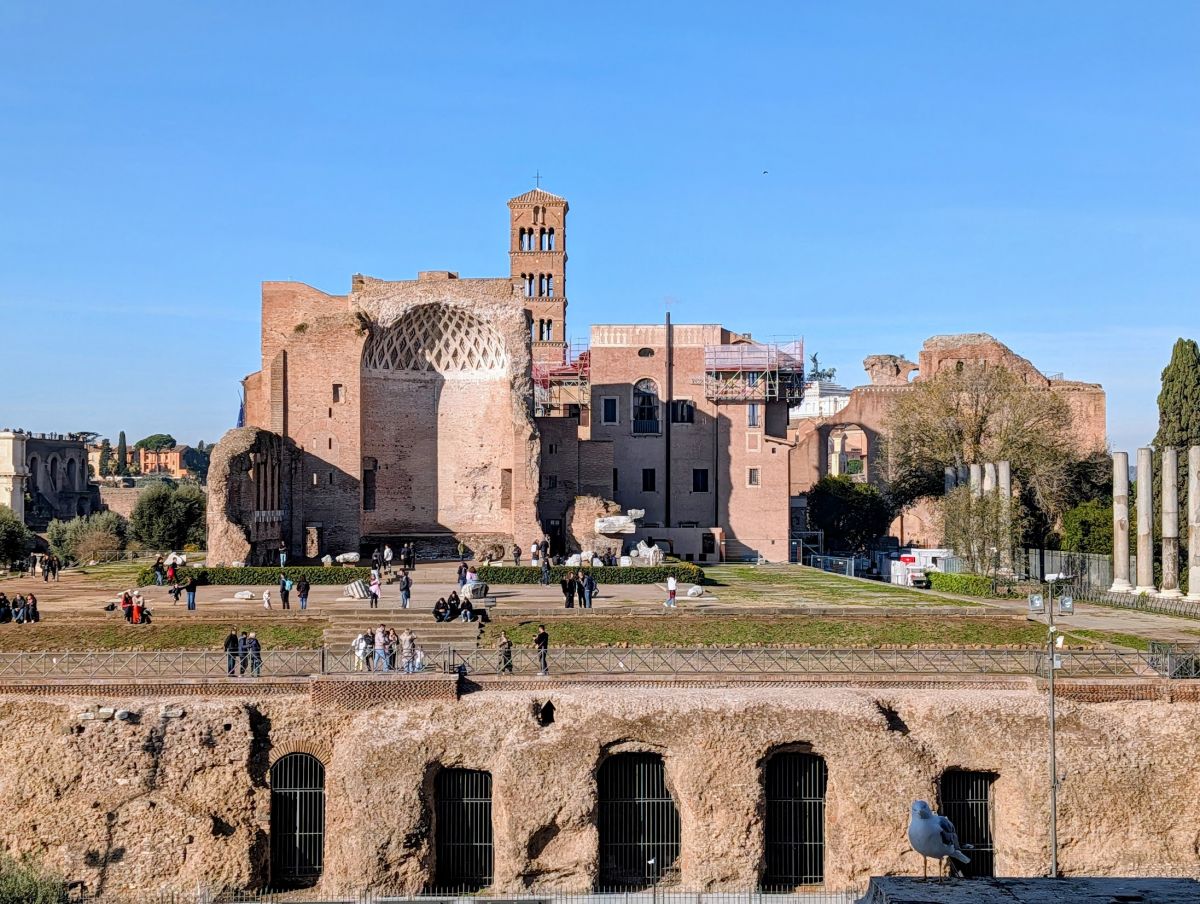
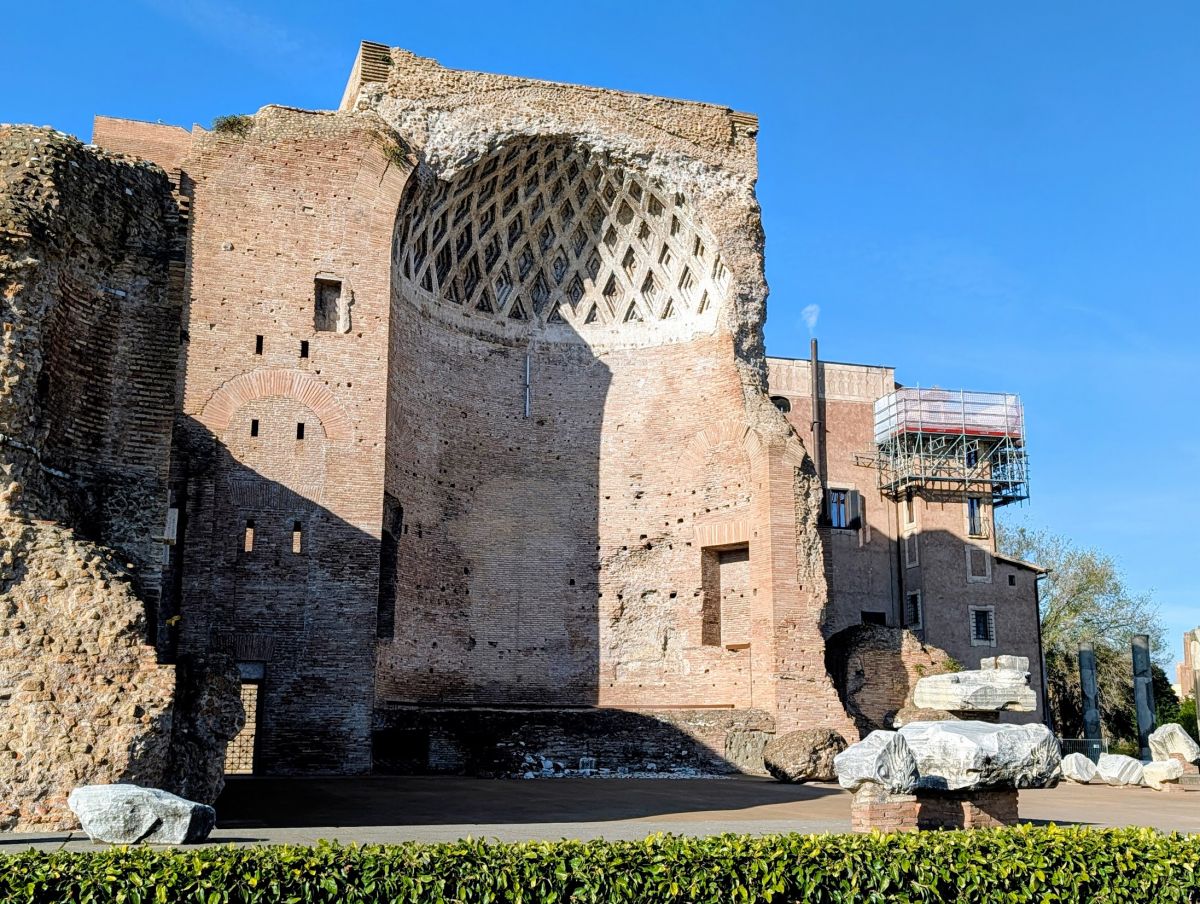
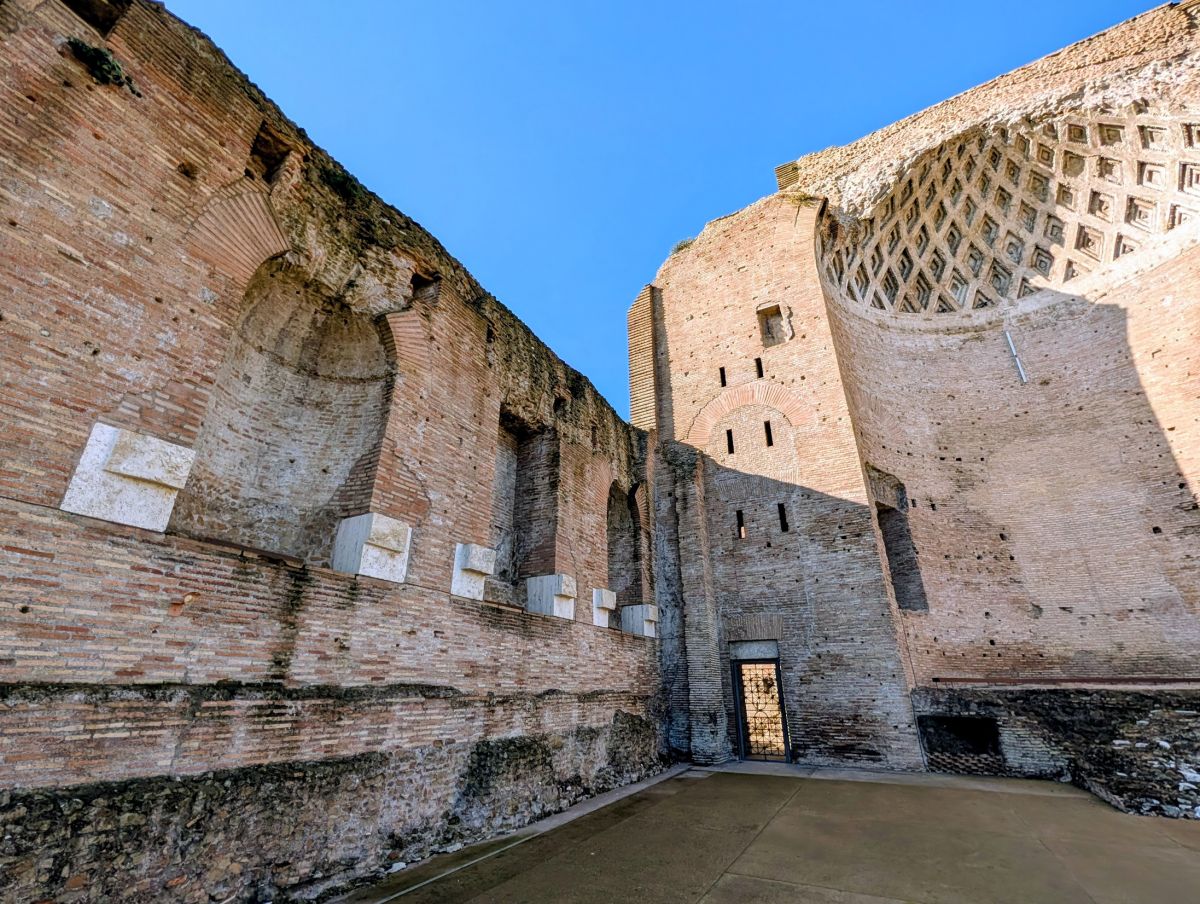
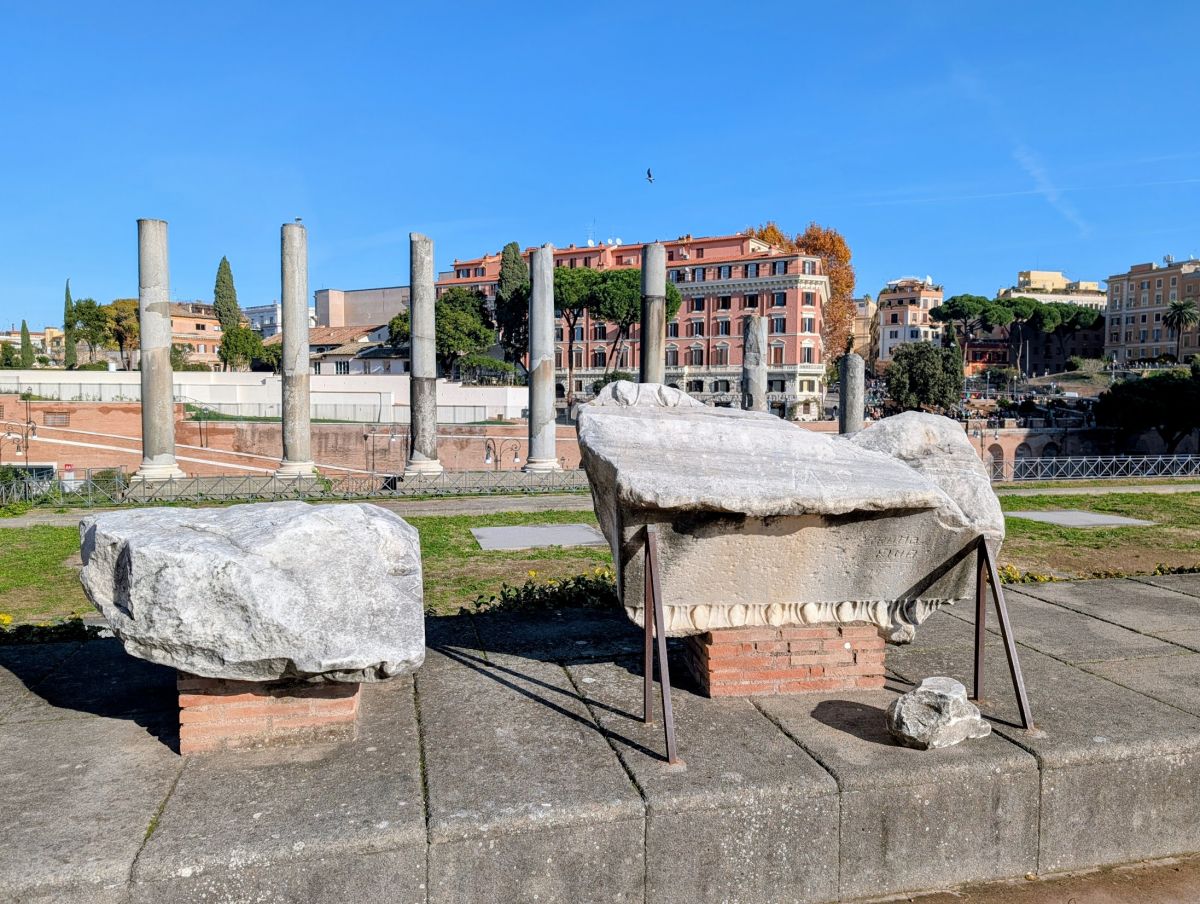
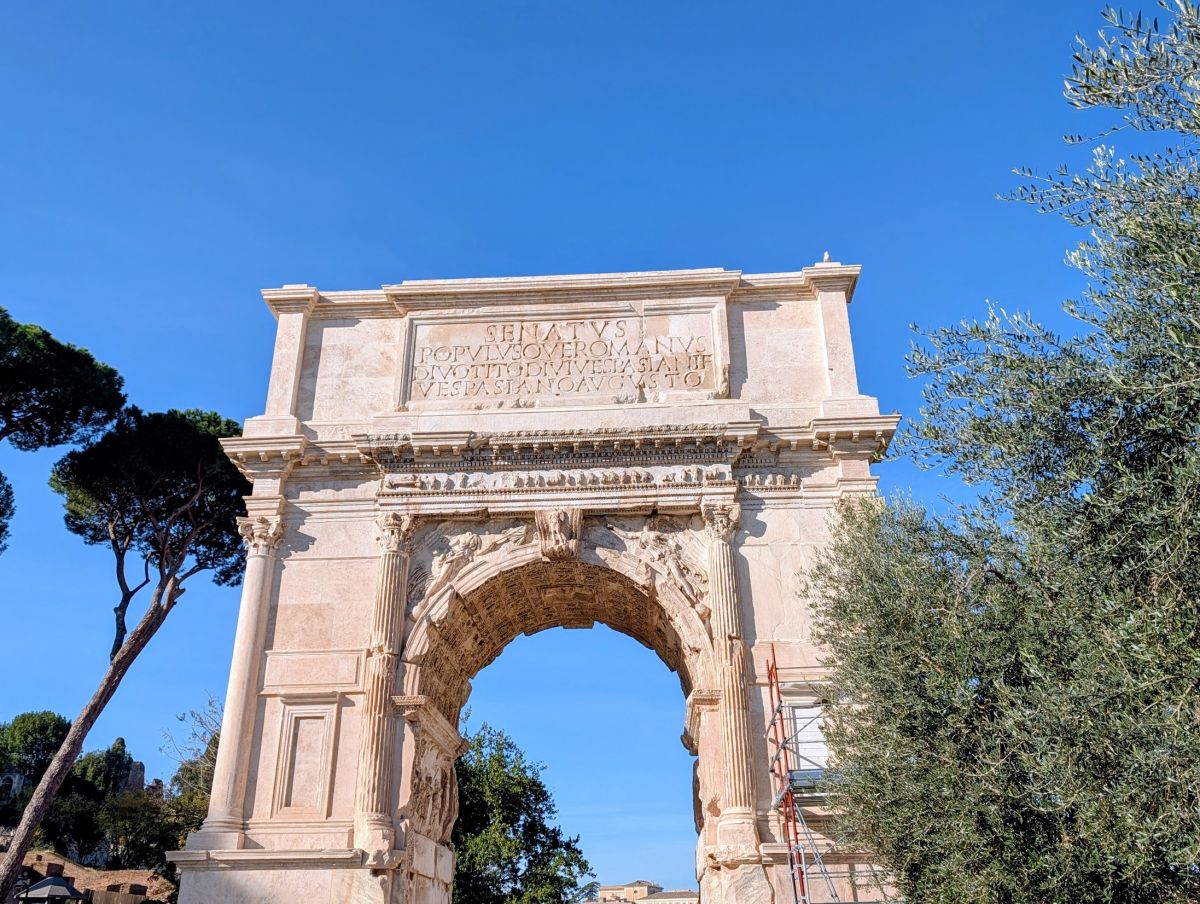
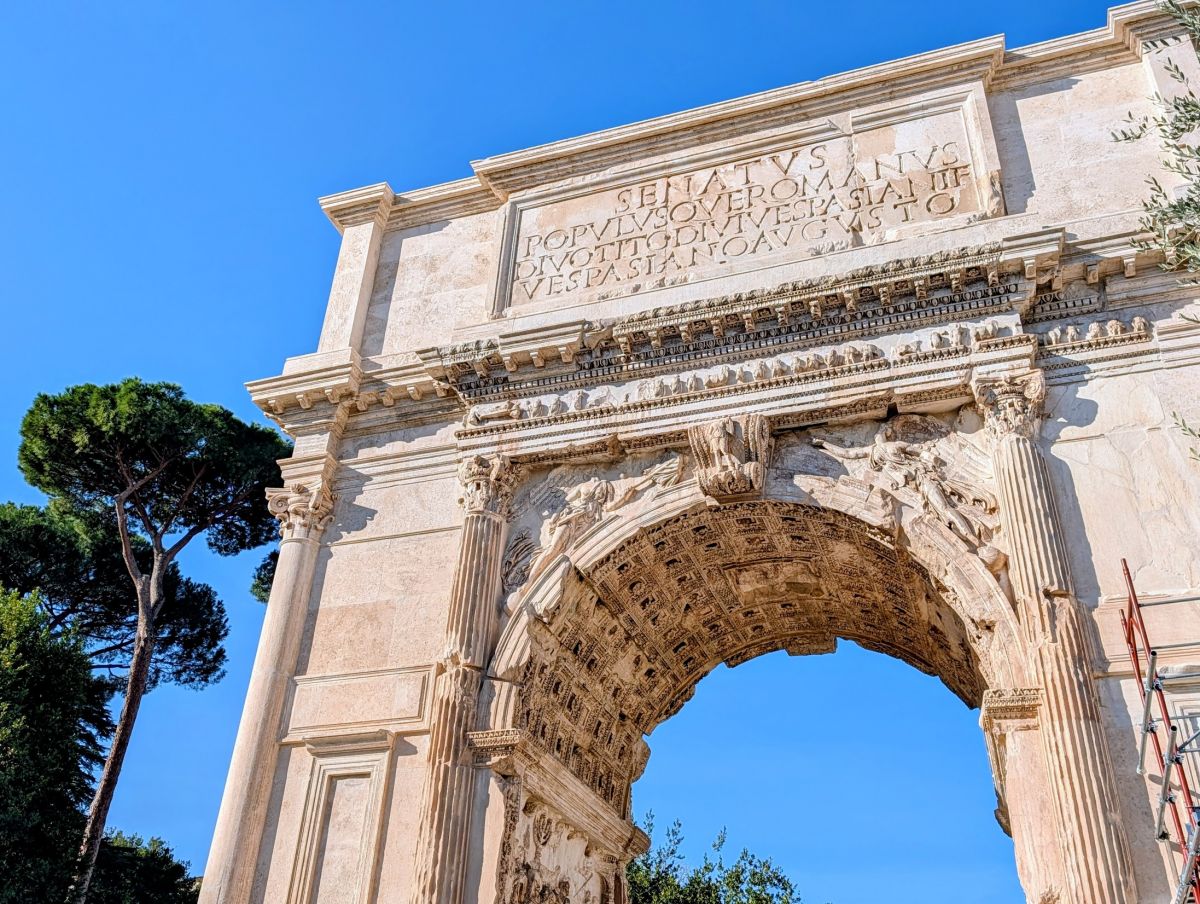
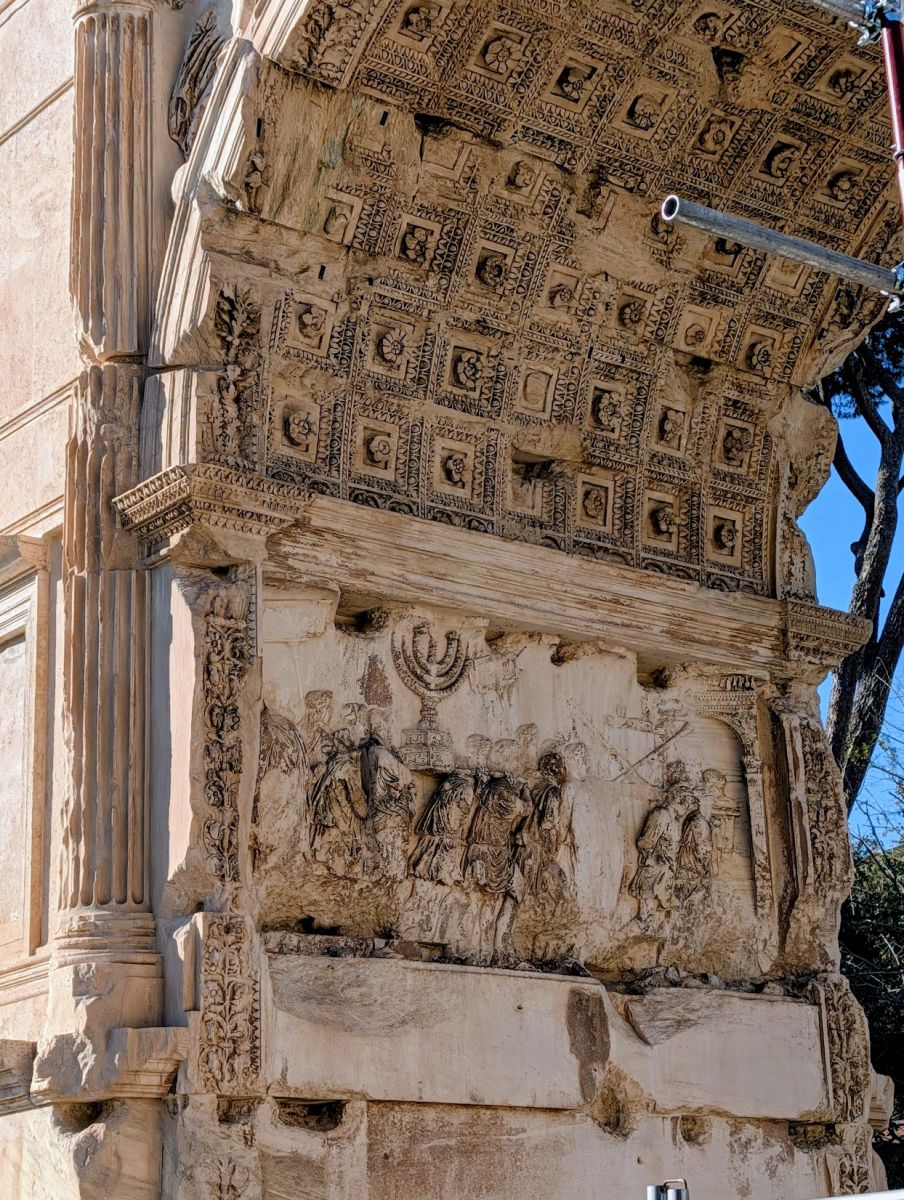
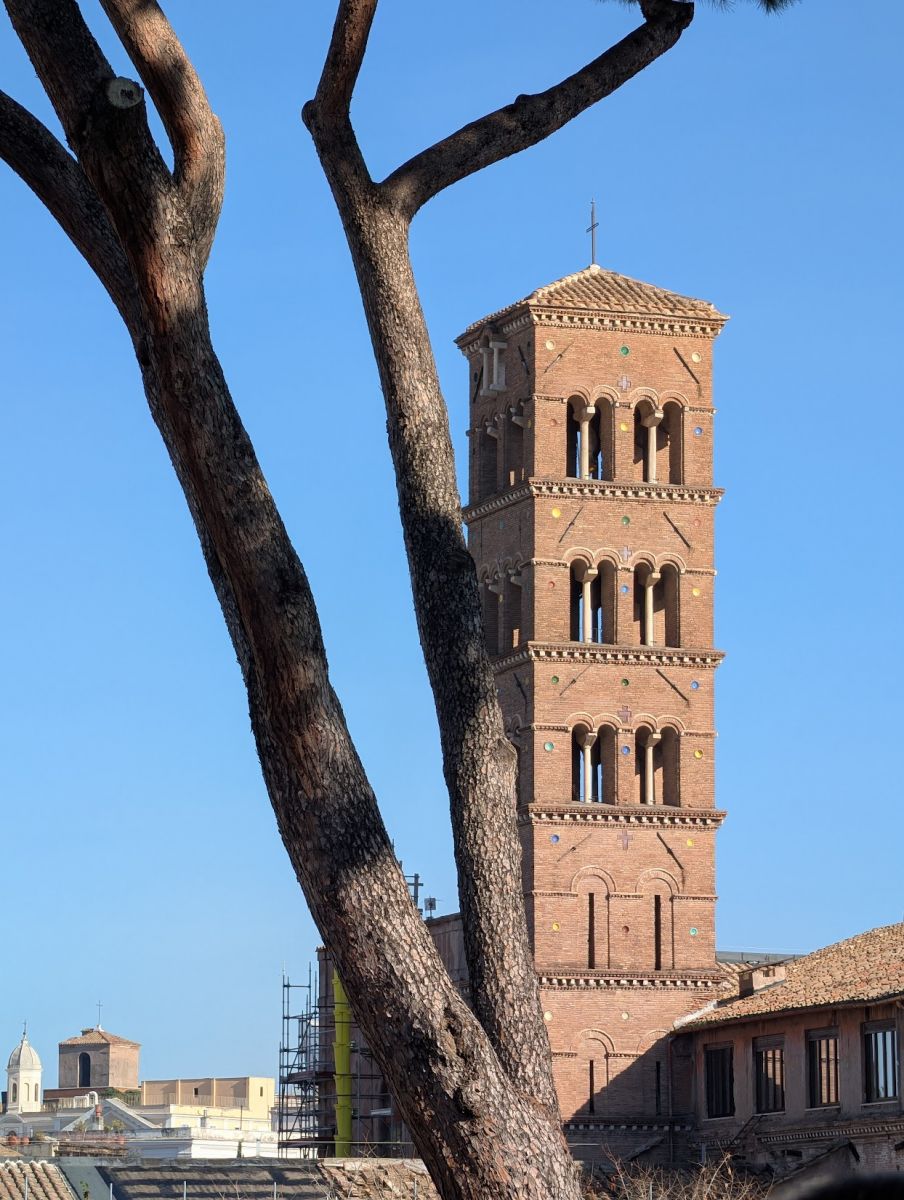
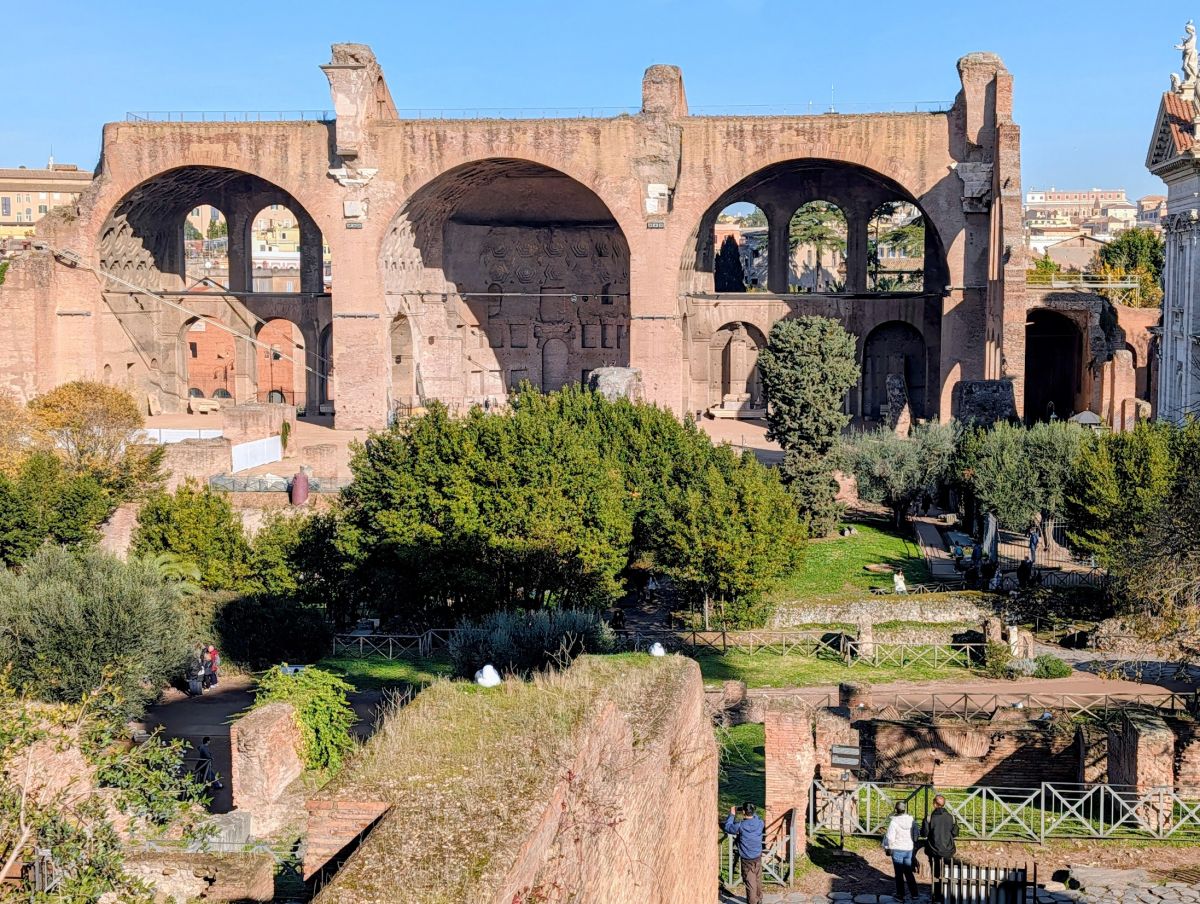
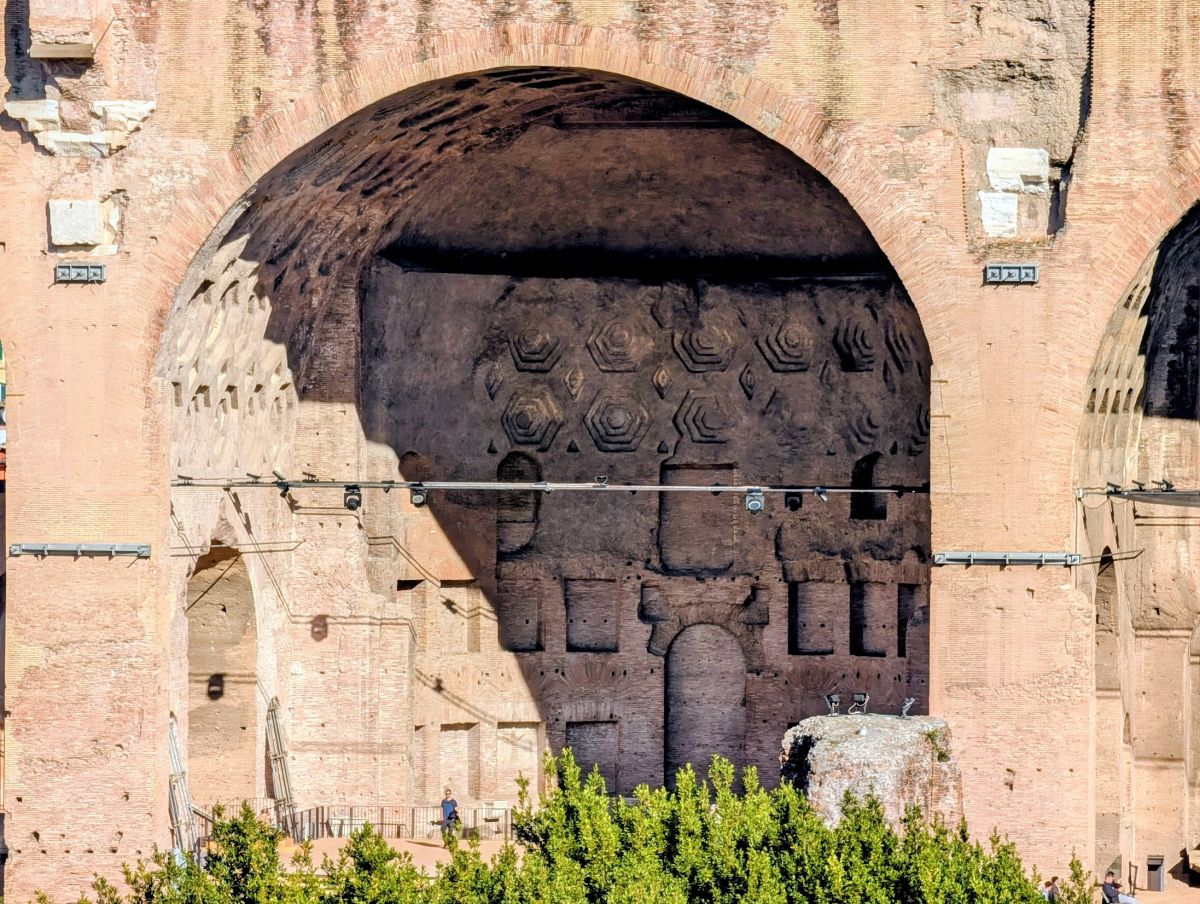
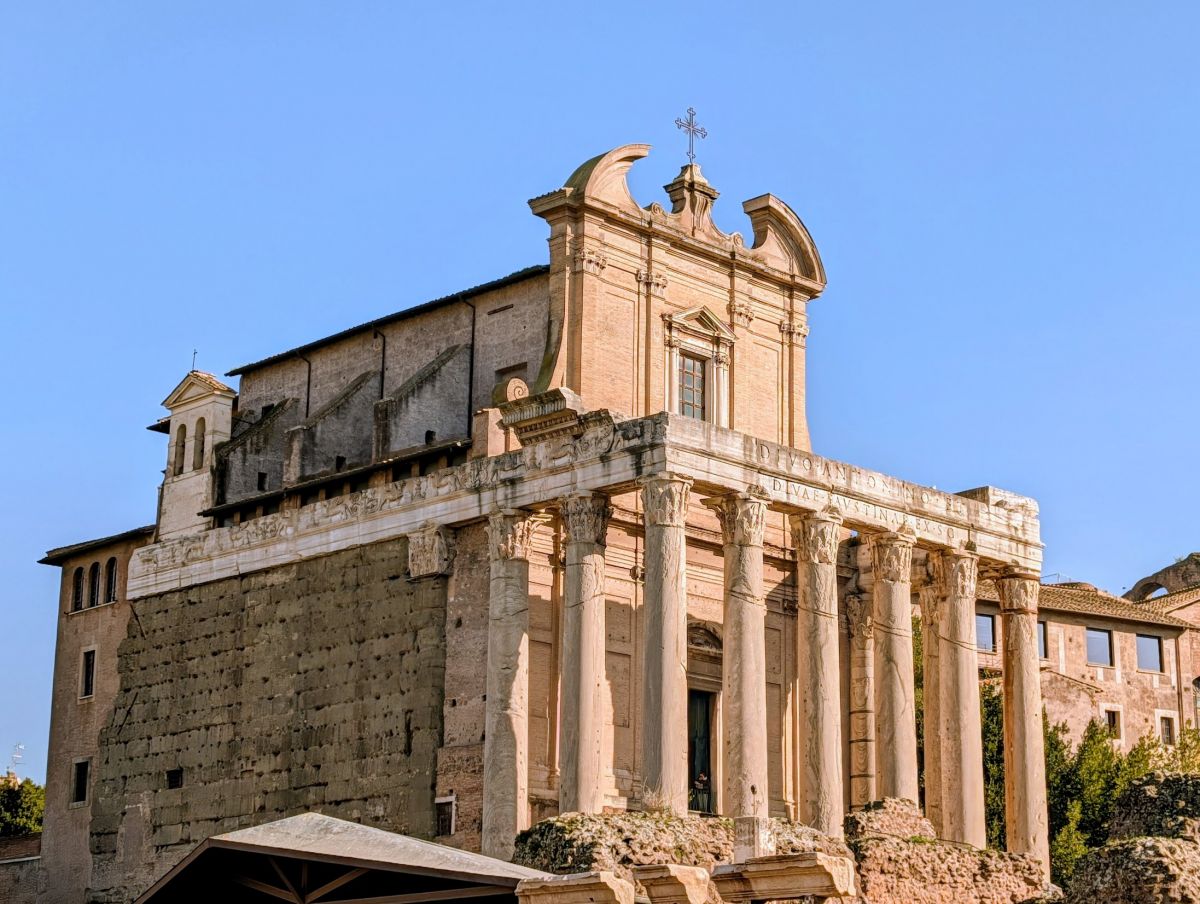
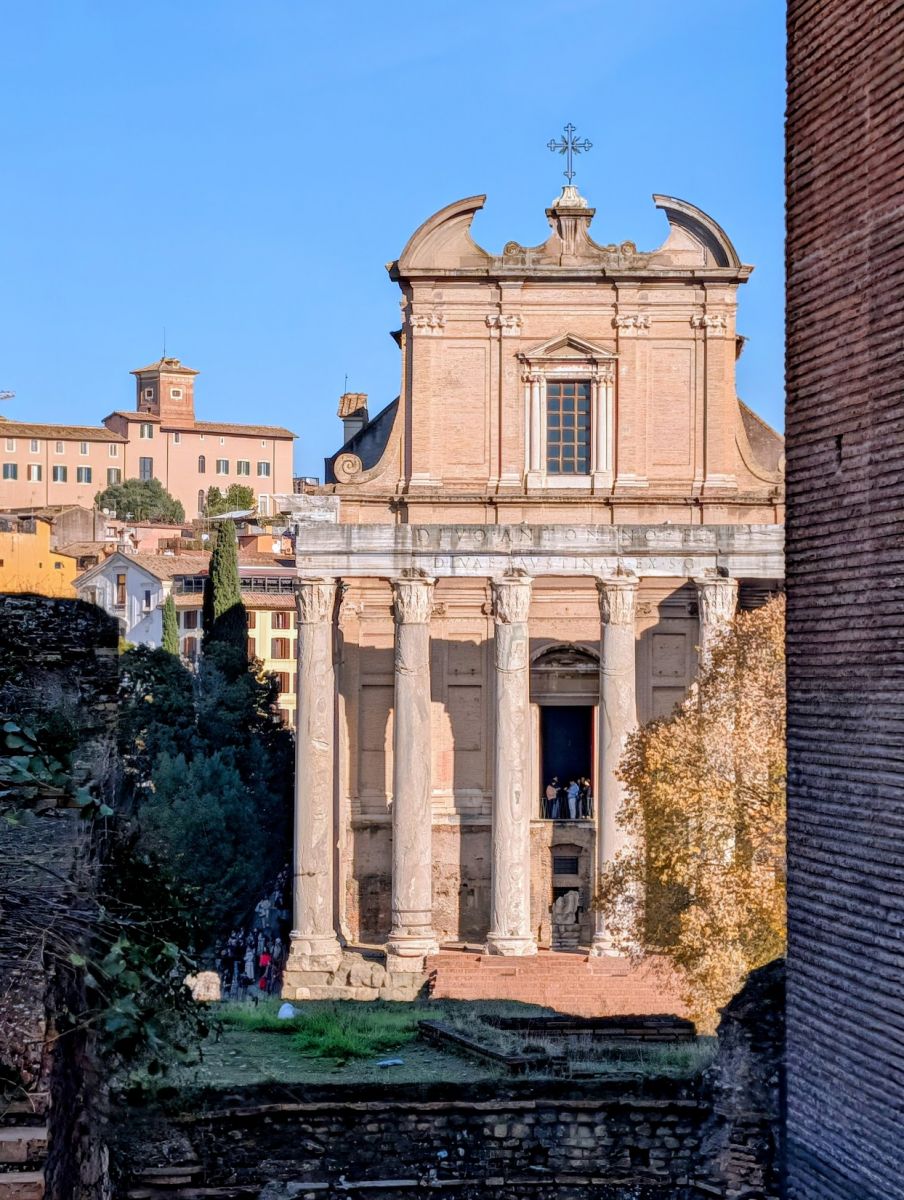
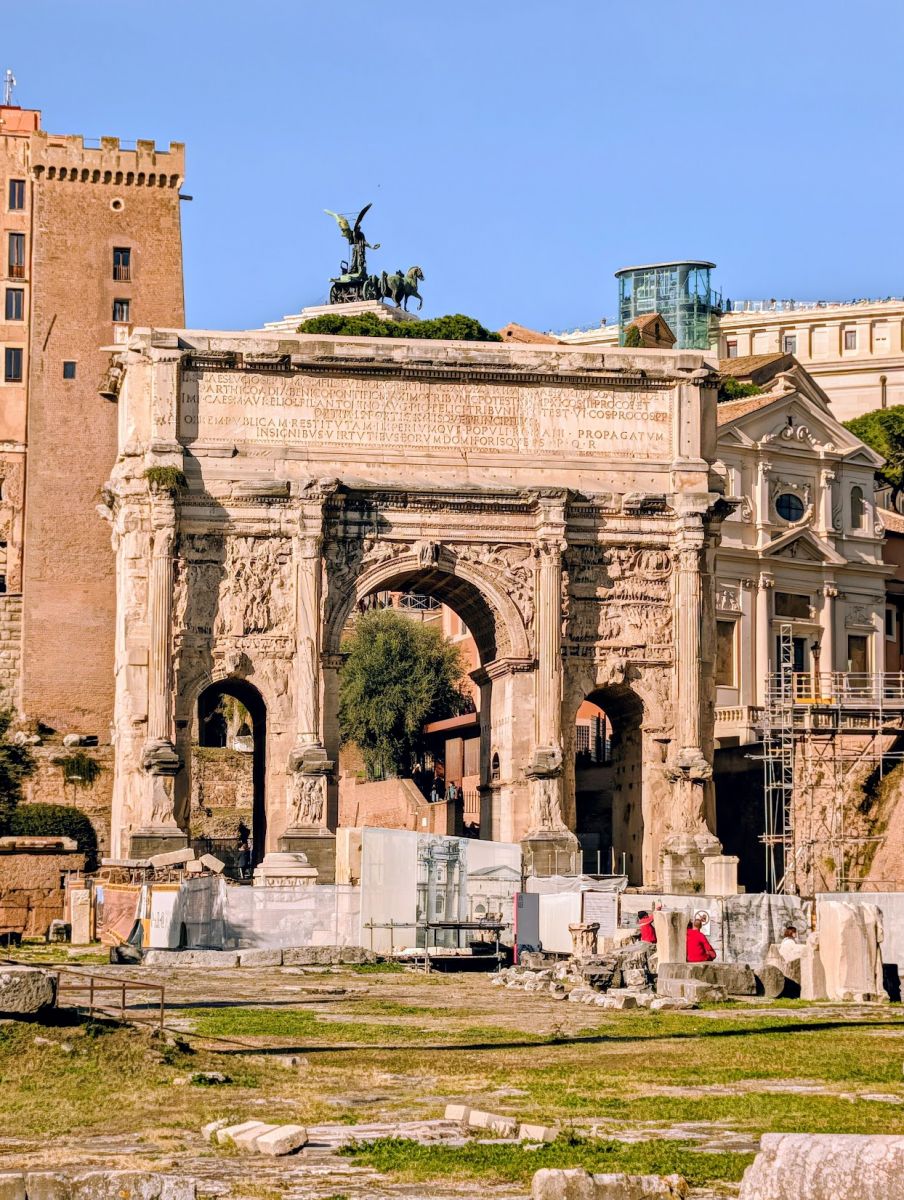
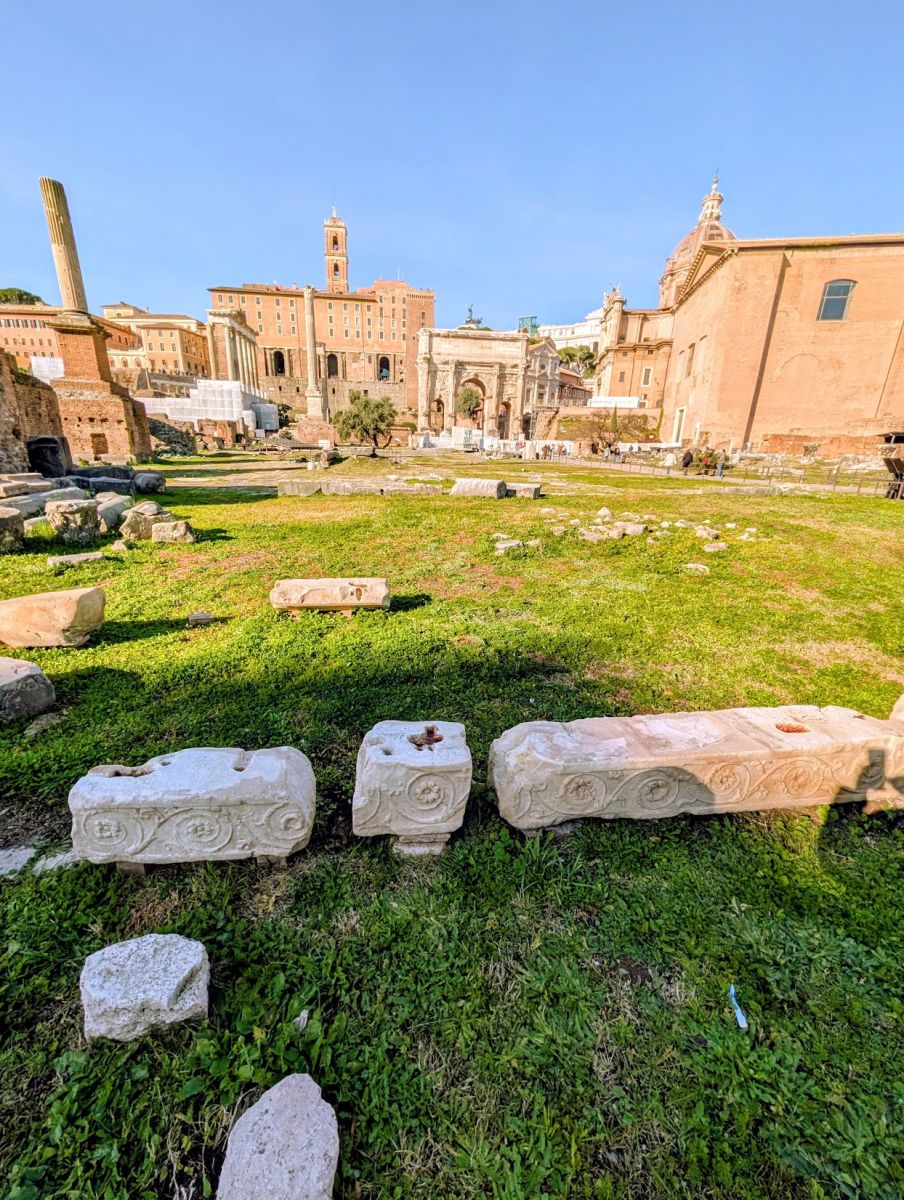
Palatine Hill/Roman Forum Photos
Everything Else From Throughout The Day


That cannelloni. Unforgettable!
Lovely place, Rome!