



Punta del Este is a resort town about 2 hours from Montevideo. It’s been called a lot of things: “The Hamptons of South America”, “The Monaco of the South”, “The Miami Beach of South America”, “The Pearl of the Atlantic”, and “The St. Tropez of South America”. During peak summer season, you’ll see plenty of Bugatis, Ferraris, and Lamborghinis, with license plates from all over the world, which their owners bring in via super yacht or private plane.
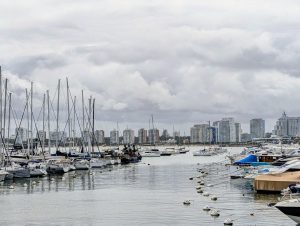
We didn’t want to rent a car, so looked into taking a bus. It’s about $10-$13 USD each way by bus, but the problem is, once we’d arrive, getting around would be more difficult (and, we wouldn’t be able to see Casapueblo, which is 8 miles outside of town). So, we booked a day trip via Viator, with pickup and drop-off at our hotel. It was $45 USD per person. It worked out perfectly, because they took us around via air conditioned mini bus to various locations throughout the city, and we stopped at Casapueblo on the way back to Montevideo.
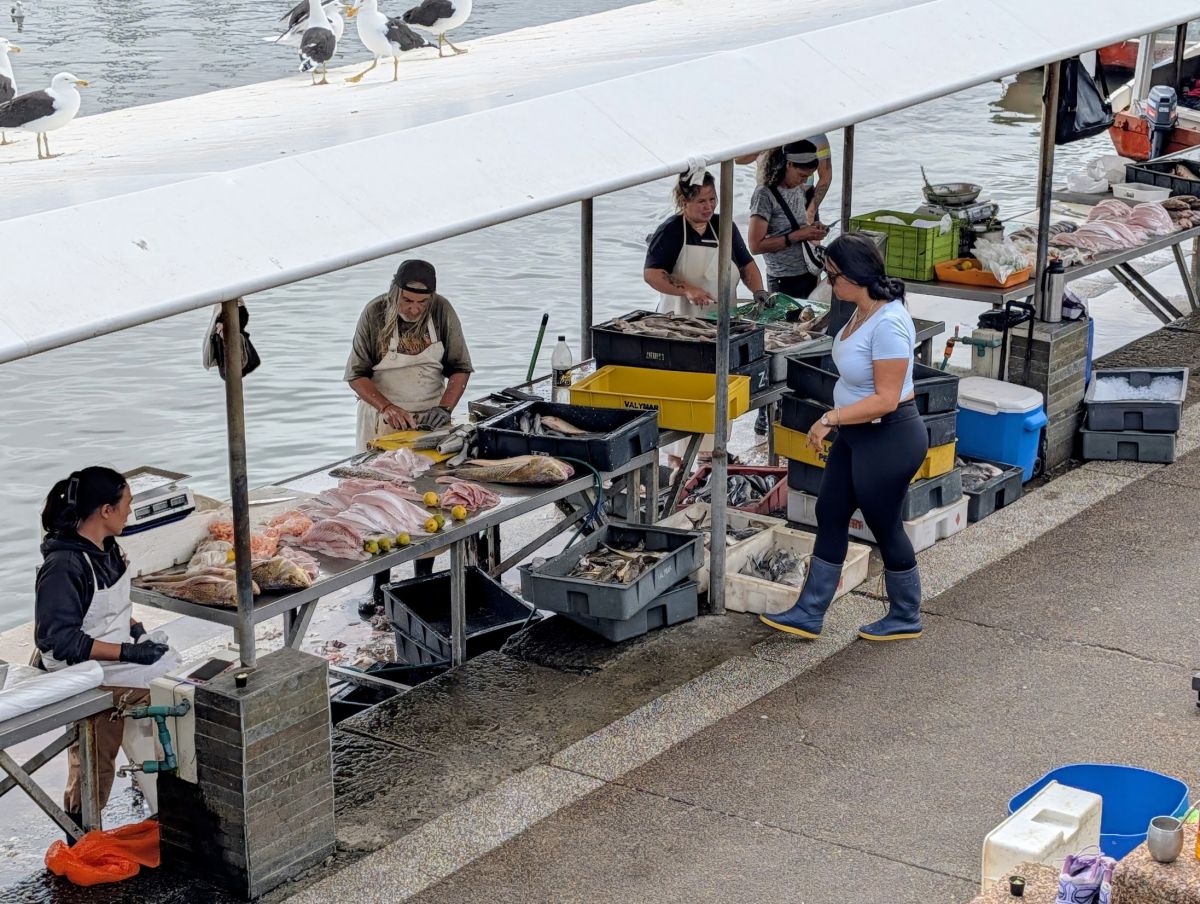
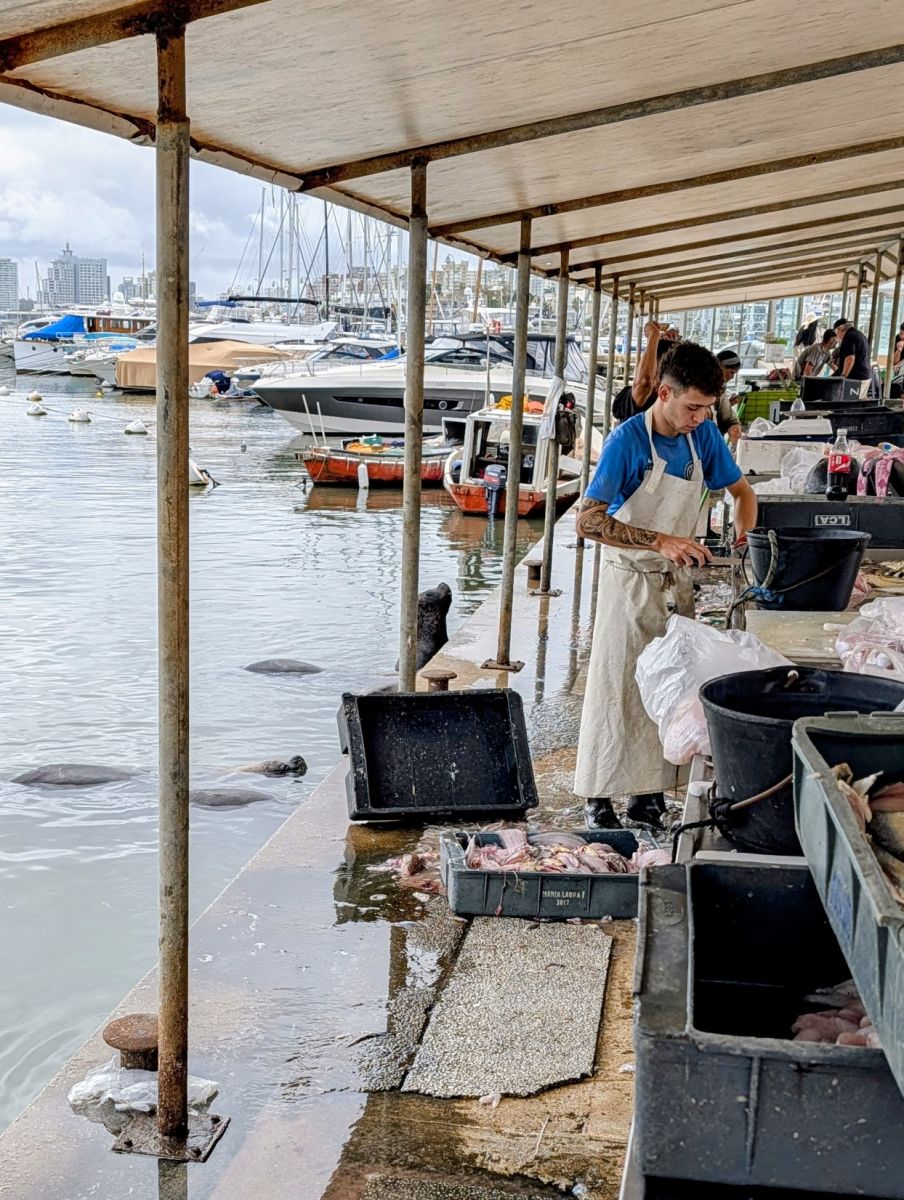
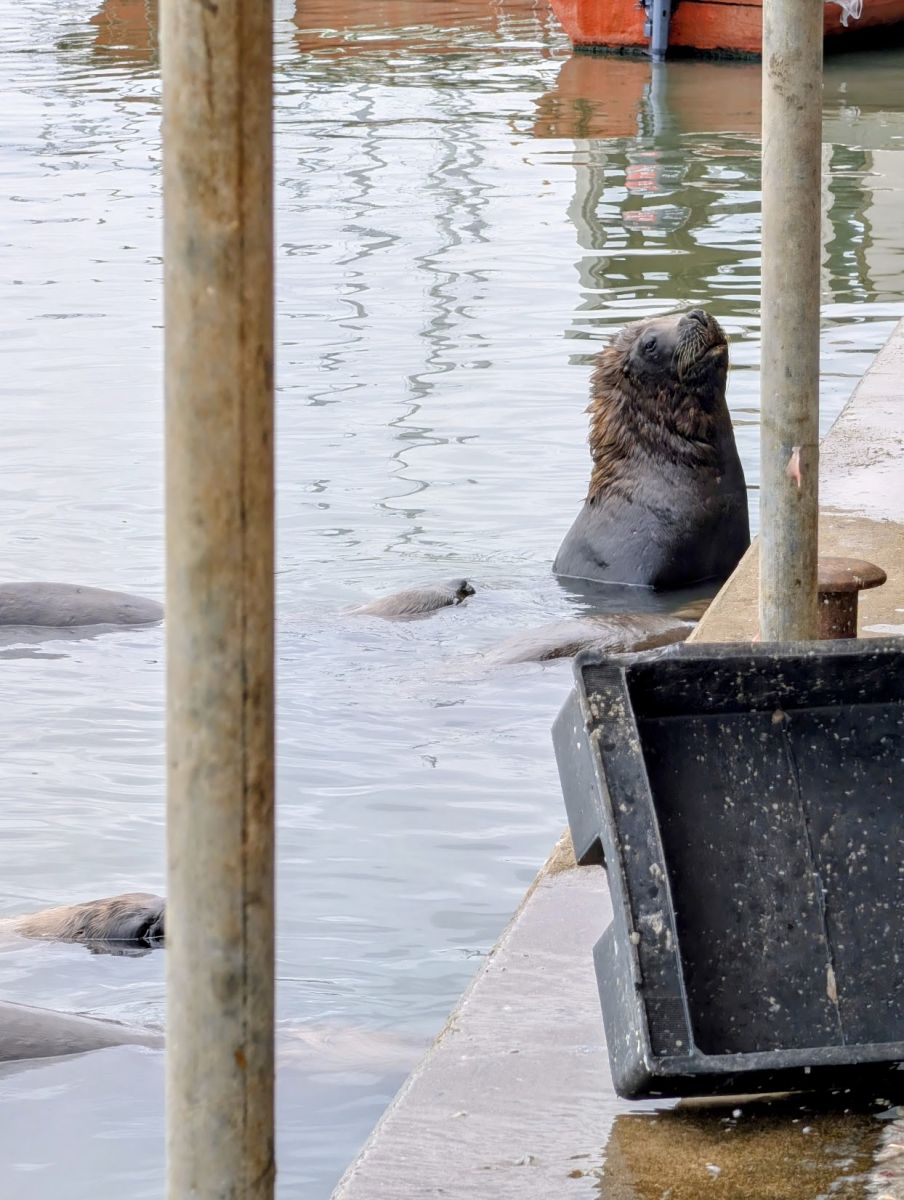
We went to a fish market in the harbor, where the vendors were cleaning fish and feeding the scraps to the waiting sea lions. While we were there, one of the workers who was carrying fish down from a truck to the cleaning table put a tray of fish down on the ground at the top of the steps. Just then, we hear a women from down below start yelling “Santiago, no! No, Santiago, NO!” as Santiago slid the fish down the steps. They slid across the walkway, under the table, and came to rest a couple inches from the edge of the dock, where the sea lions were waiting. The women, his boss, berated him afterward. It was clear he’d done this sort of thing before, and she was fed up. Poor Santiago may be looking for a new line of work soon.


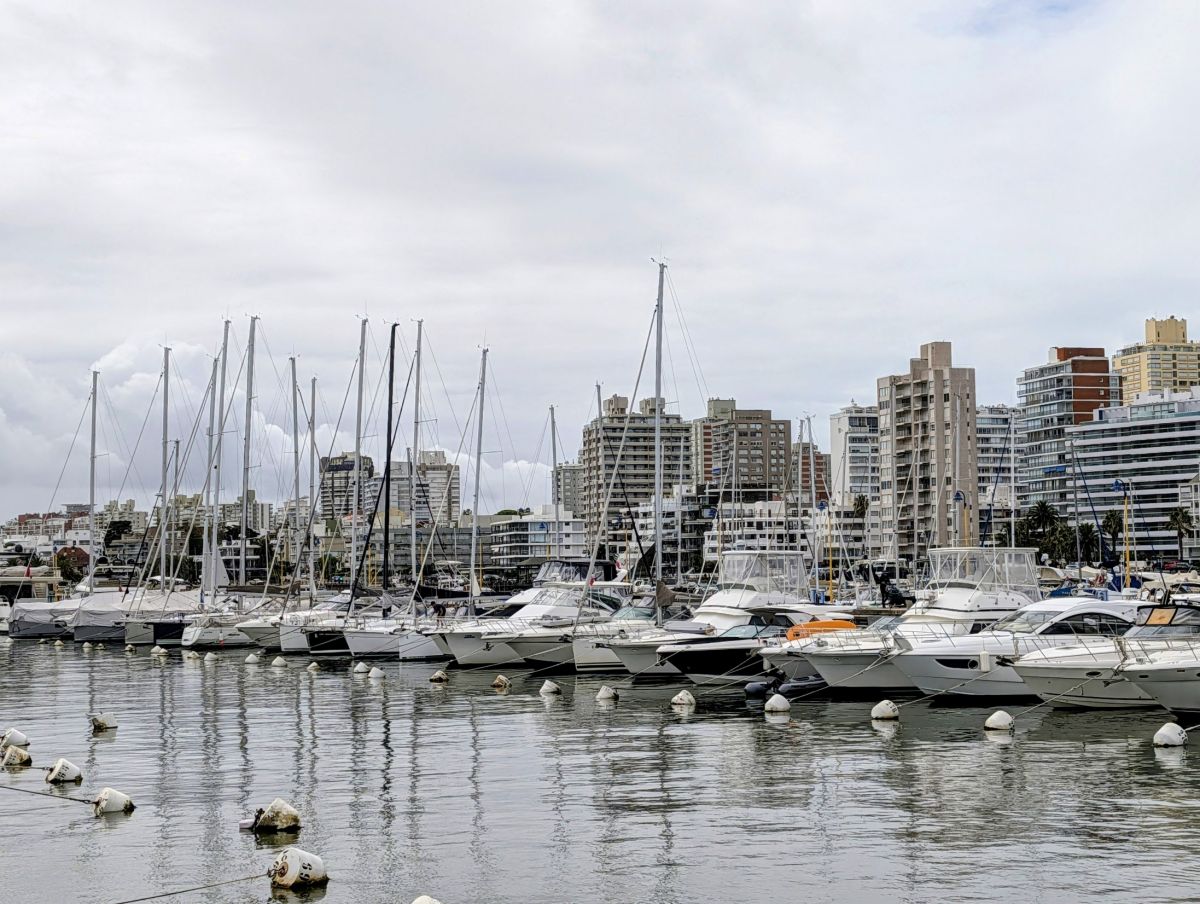
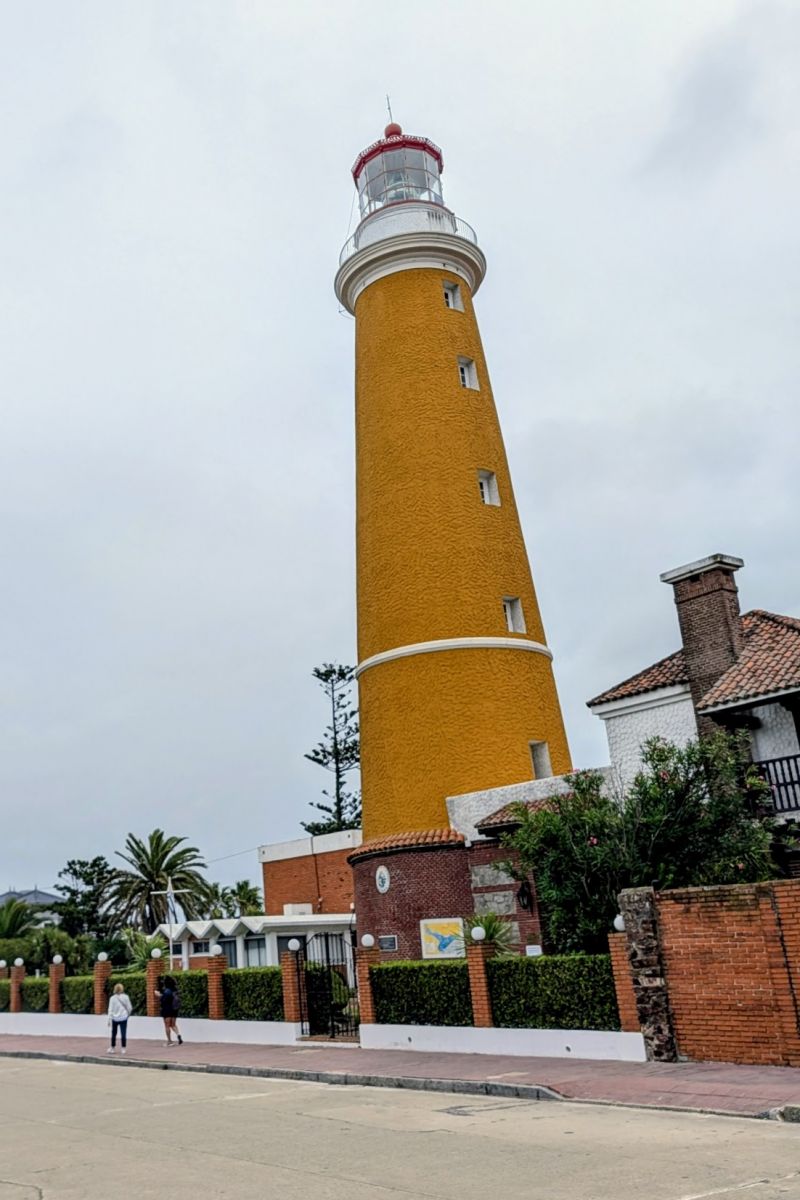
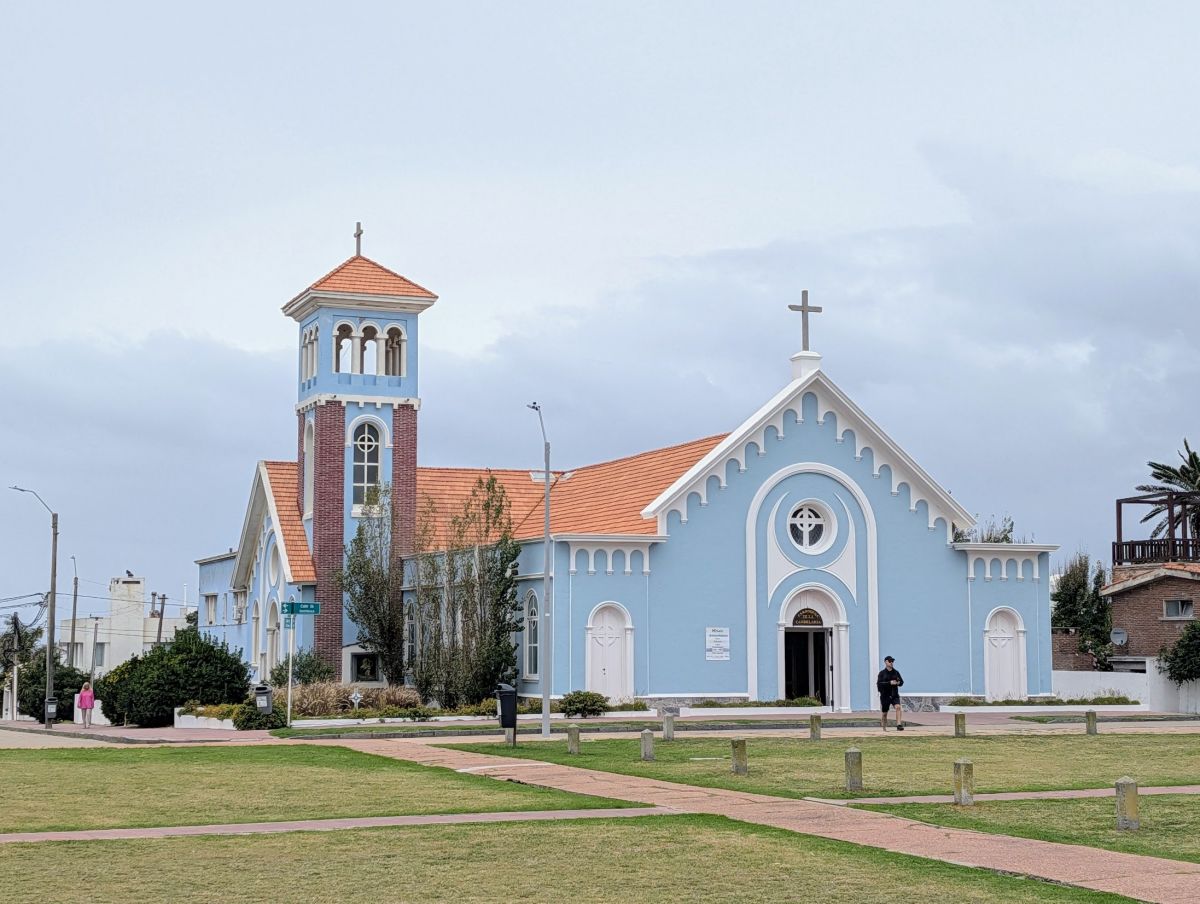
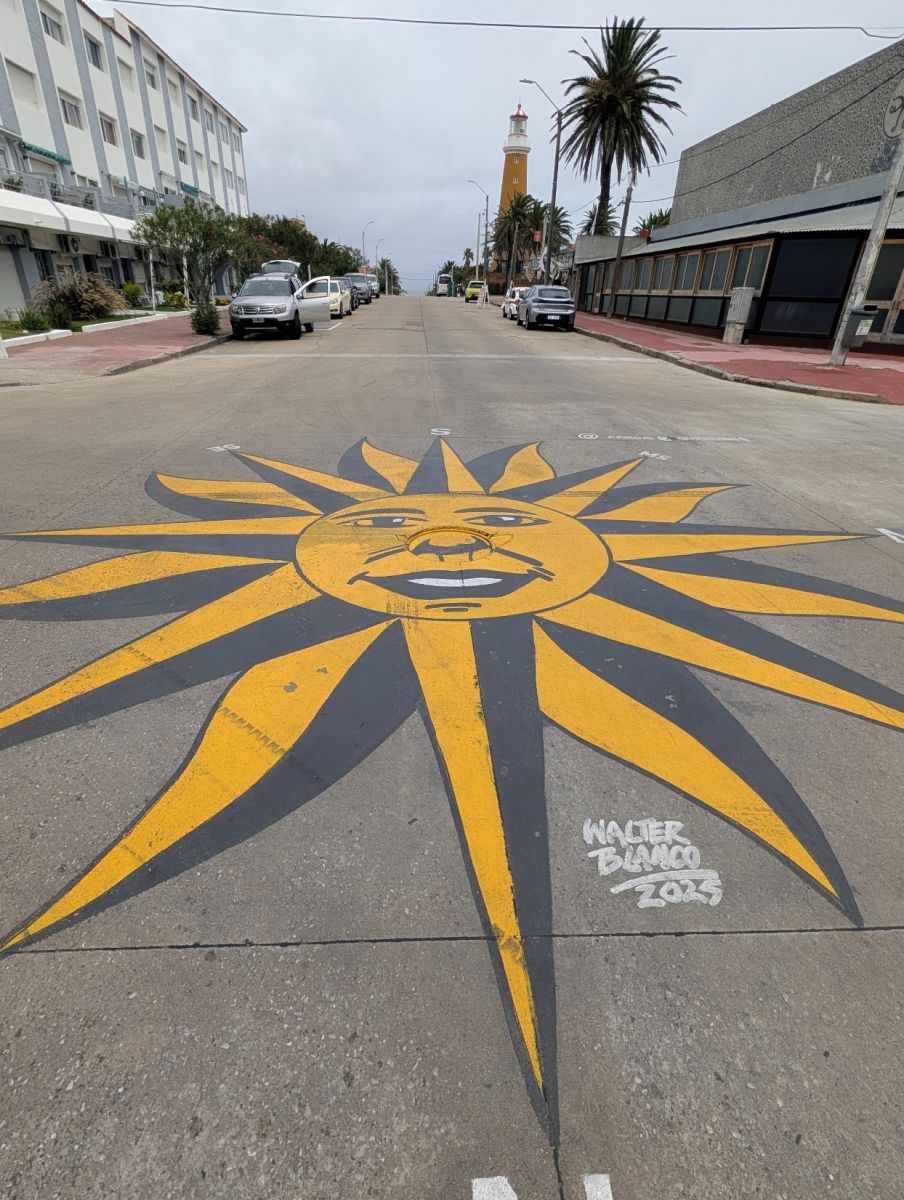
After the harbor, we were taken to the lighthouse, where the bus was parked, giving us a couple hours of free time. There was also a pretty blue church across the square from the lighthouse – Nuestra Señora de la Candelaria (Our Lady of the Candelaria). Near the lighthouse is a spot called Cuatro Mares. It’s an intersection where at the end of the street in all for cardinal directions you can see water. Ricardo, our guide, gave us a recommendation for lunch, and it turned out to be a good choice.
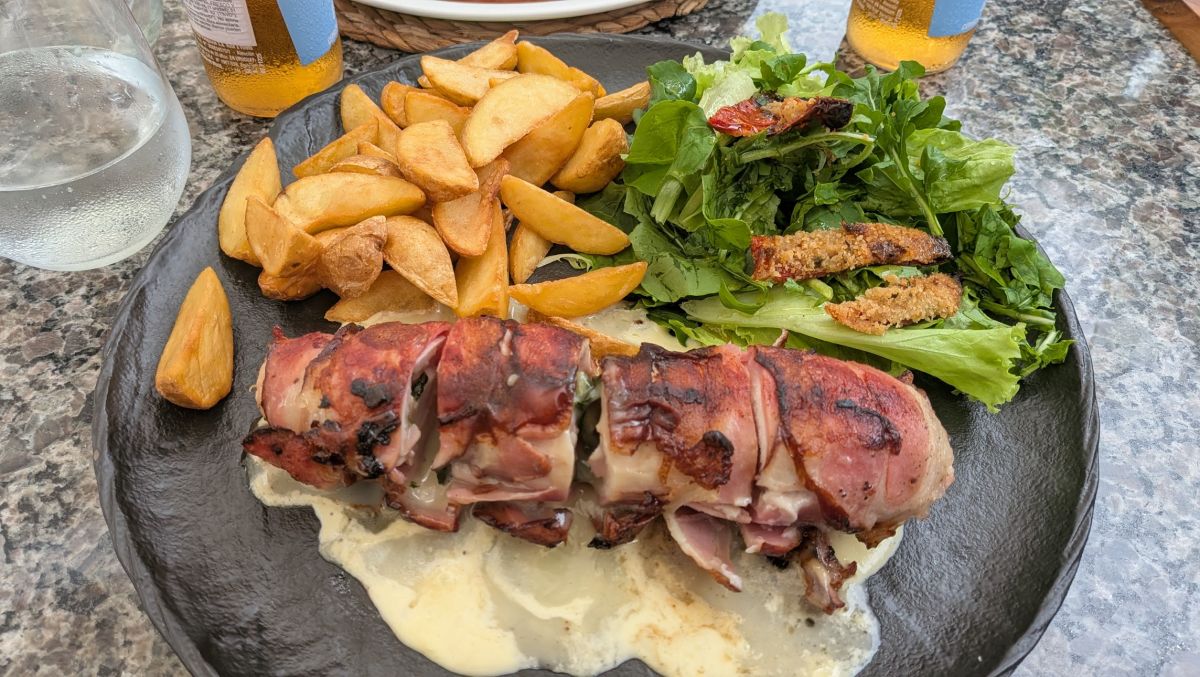
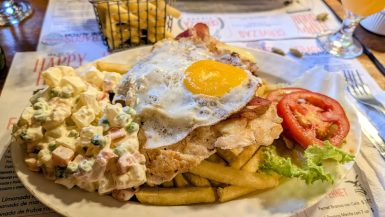
We ate at Zazú Puerto, which is on La Rambla, not far from the harbor. The menu was in Portuguese, we’re guessing because Punta del Este gets a lot of Brazilian tourists. I had the osso buco, and Teresa had chicken victoria (similar to chicken cordon bleu).

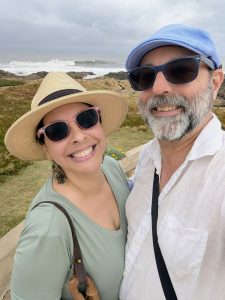
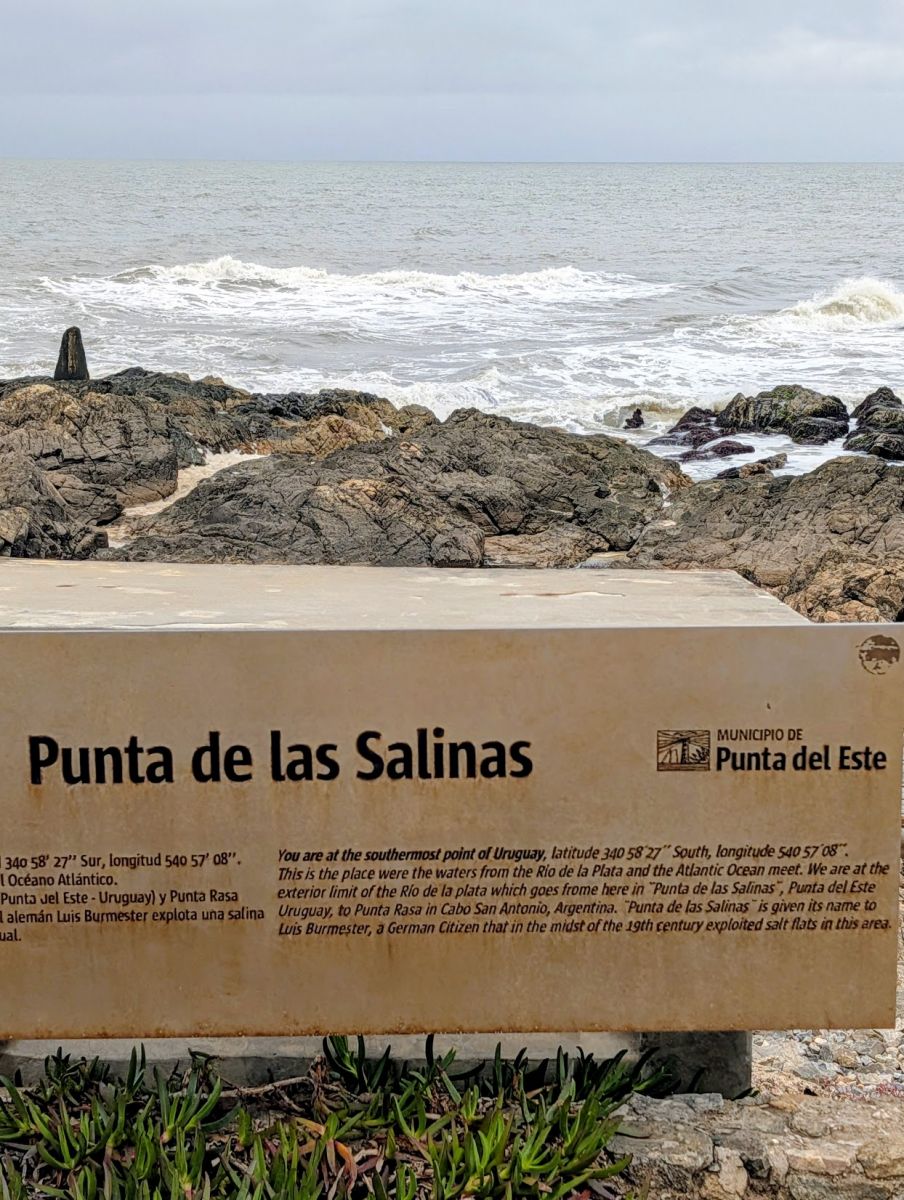
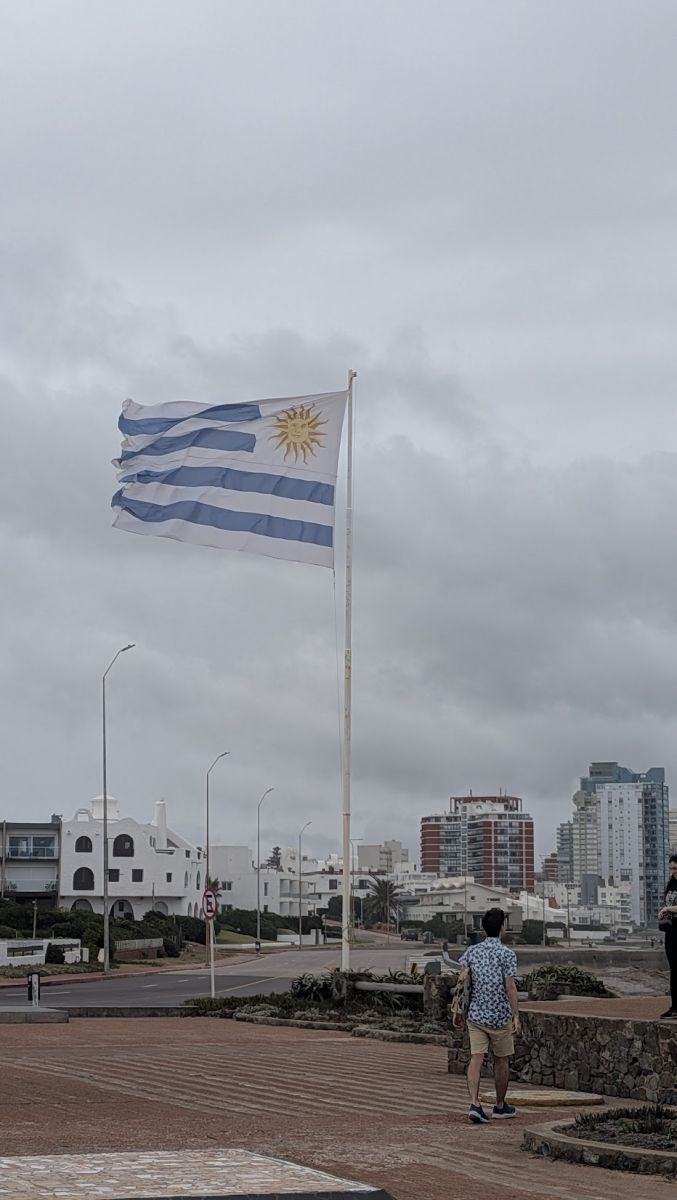
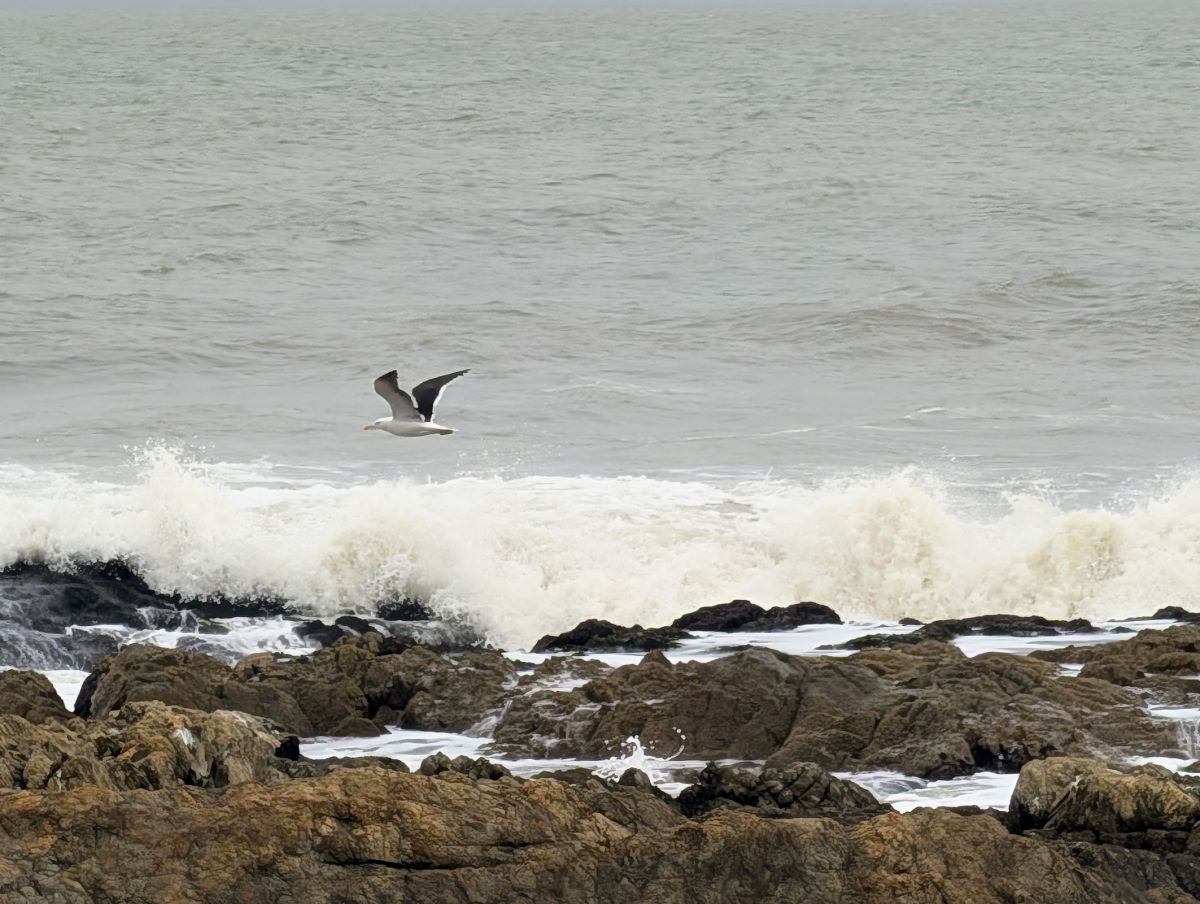
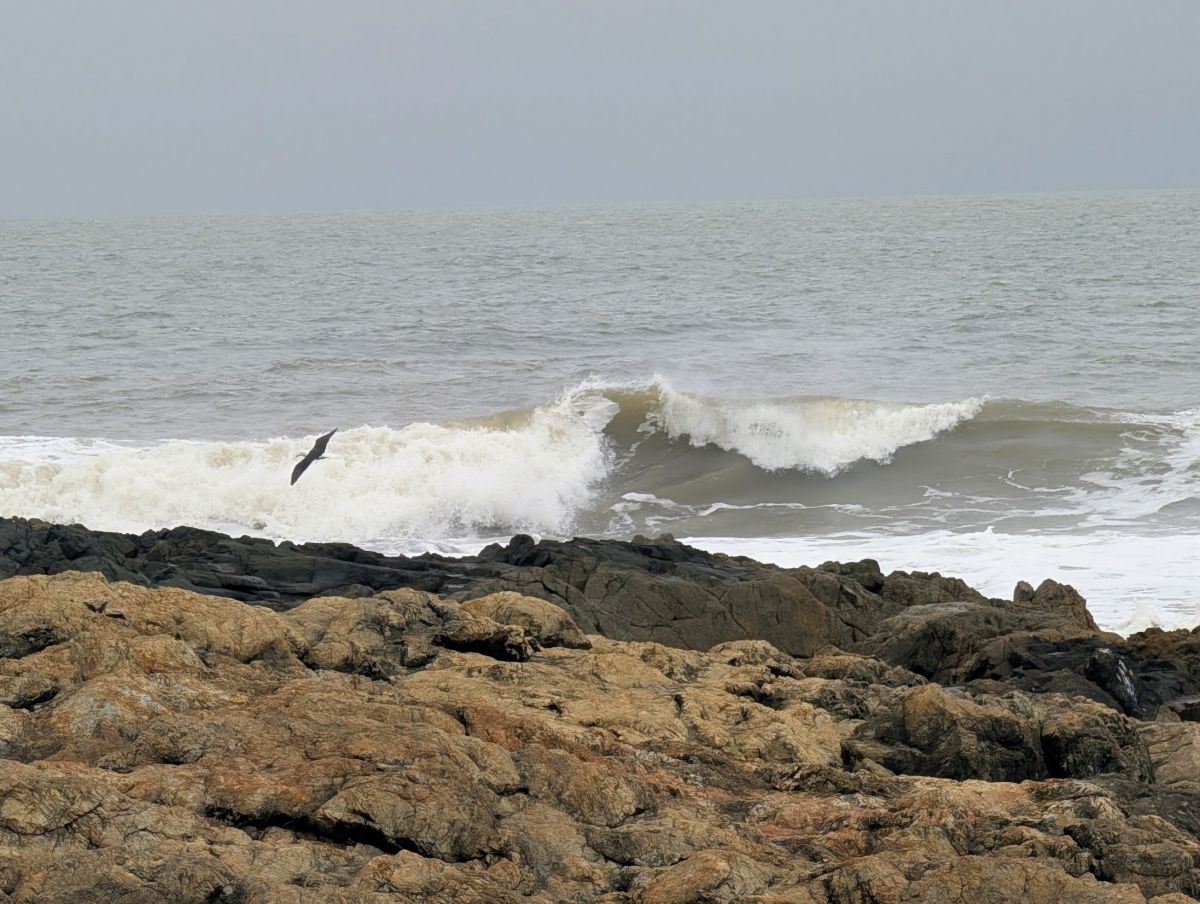
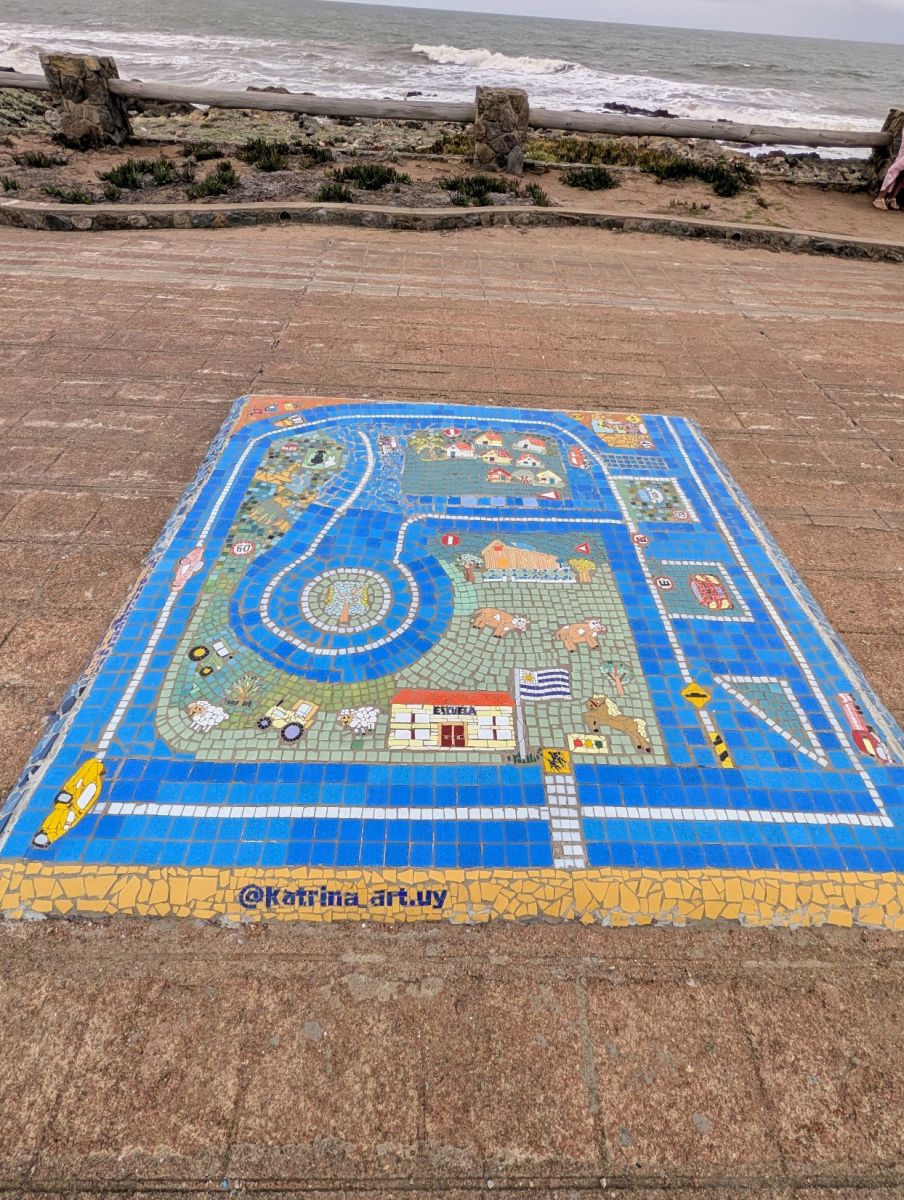
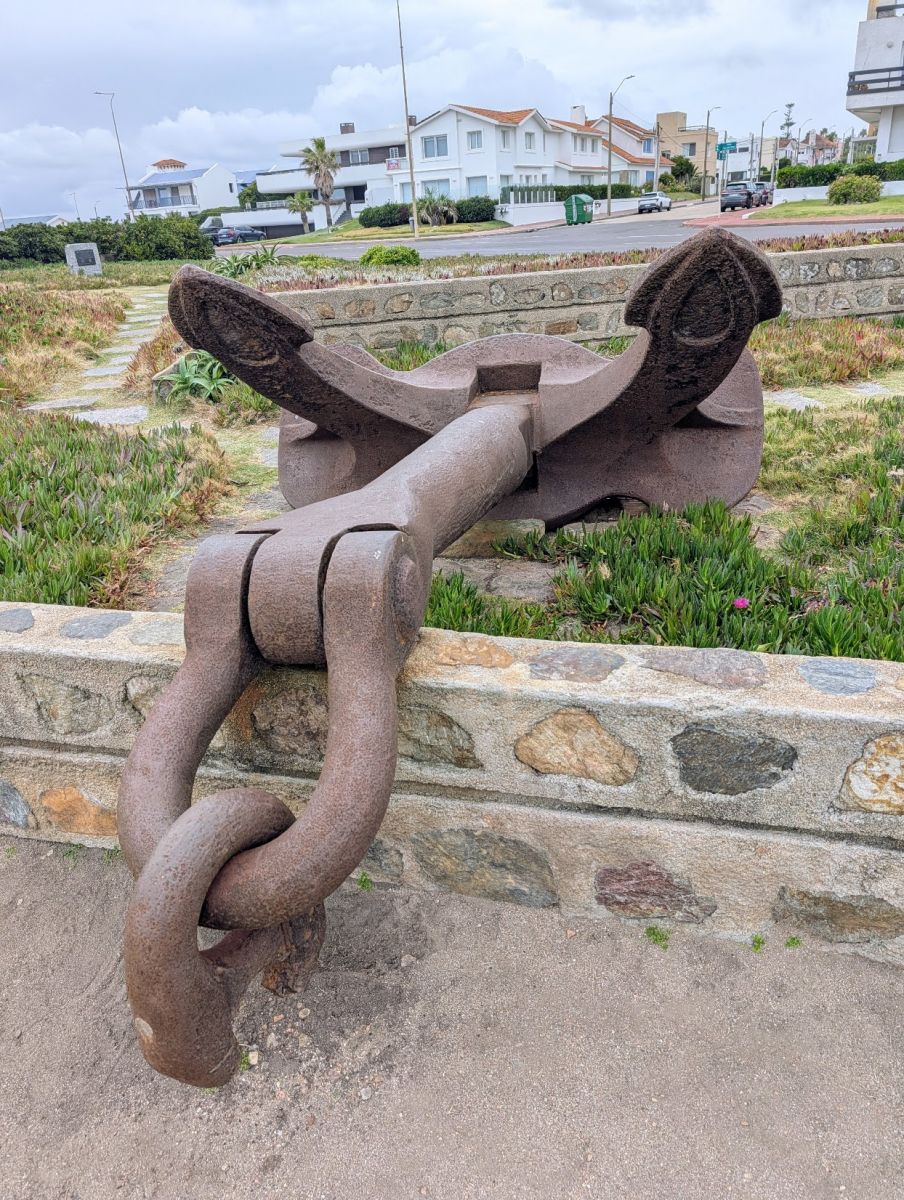
After lunch we went to Punta de las Salinas, the southernmost point in Uruguay, and where the waters of the Rio de la Plata and the Atlantic Ocean officially meet. In reality, the Atlantic waters push far up the Rio de la Plata, accounting for the brackish mix of salt and fresh water in Montevideo. Map makers have drawn an imaginary line from Punta de las Salinas to Punta Rasa in Cabo San Antonio, Argentina, as the dividing line between the river and the ocean. Also, depending on the cartographer, the Rio de la Plata could be considered a river, a gulf, or a marginal sea. The distance at the mouth (here to Punta Rasa) is 140 miles, which would make it the widest river in the world, to those who consider it a river.

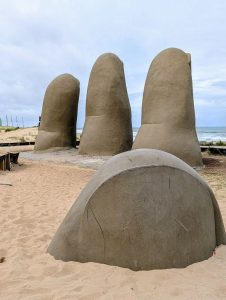
We then headed to Brava beach to see La Mano (The Hand), also known as Los Dedos (The Fingers) or Hombre Emergiendo a la Vida (Man Emerging Into Life). Whatever you call it, it’s a very cool sculpture by Chilean artist Mario Irarrázabal, depicting five human fingers partially emerging from the sand. There were quite a few people there to see the sculpture, so it was hard to get an unobstructed photo. But, patience, timing, and a few minor edits got me close enough (although I could only get 4 of the 5 fingers).
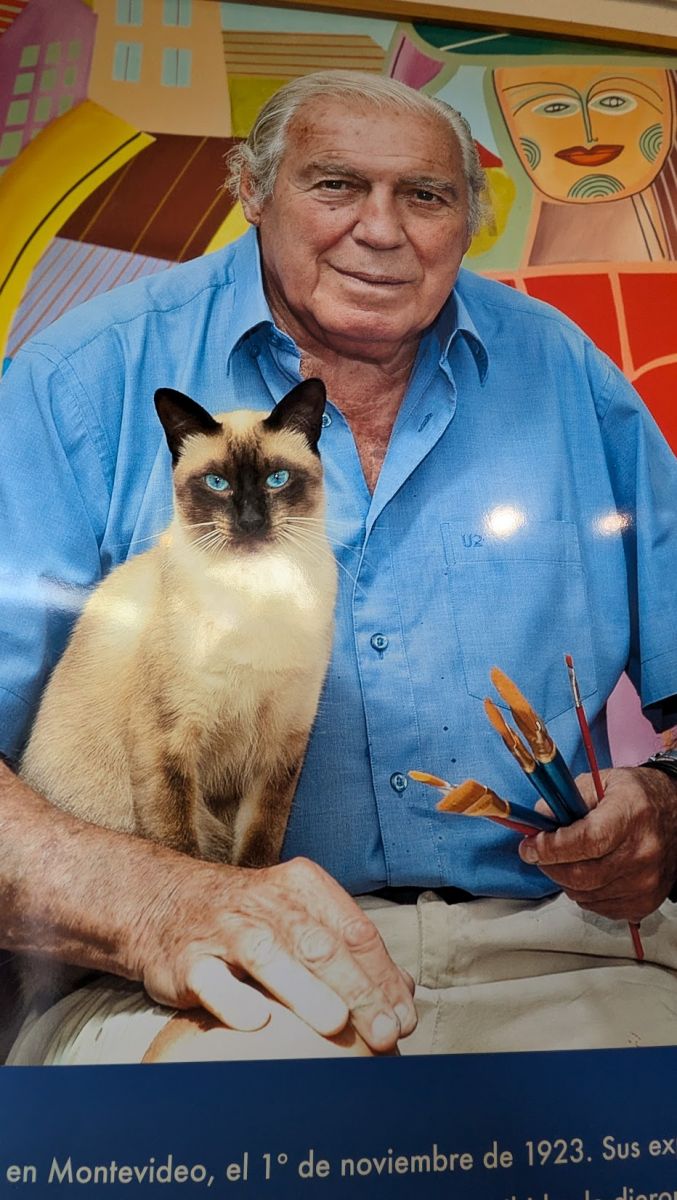
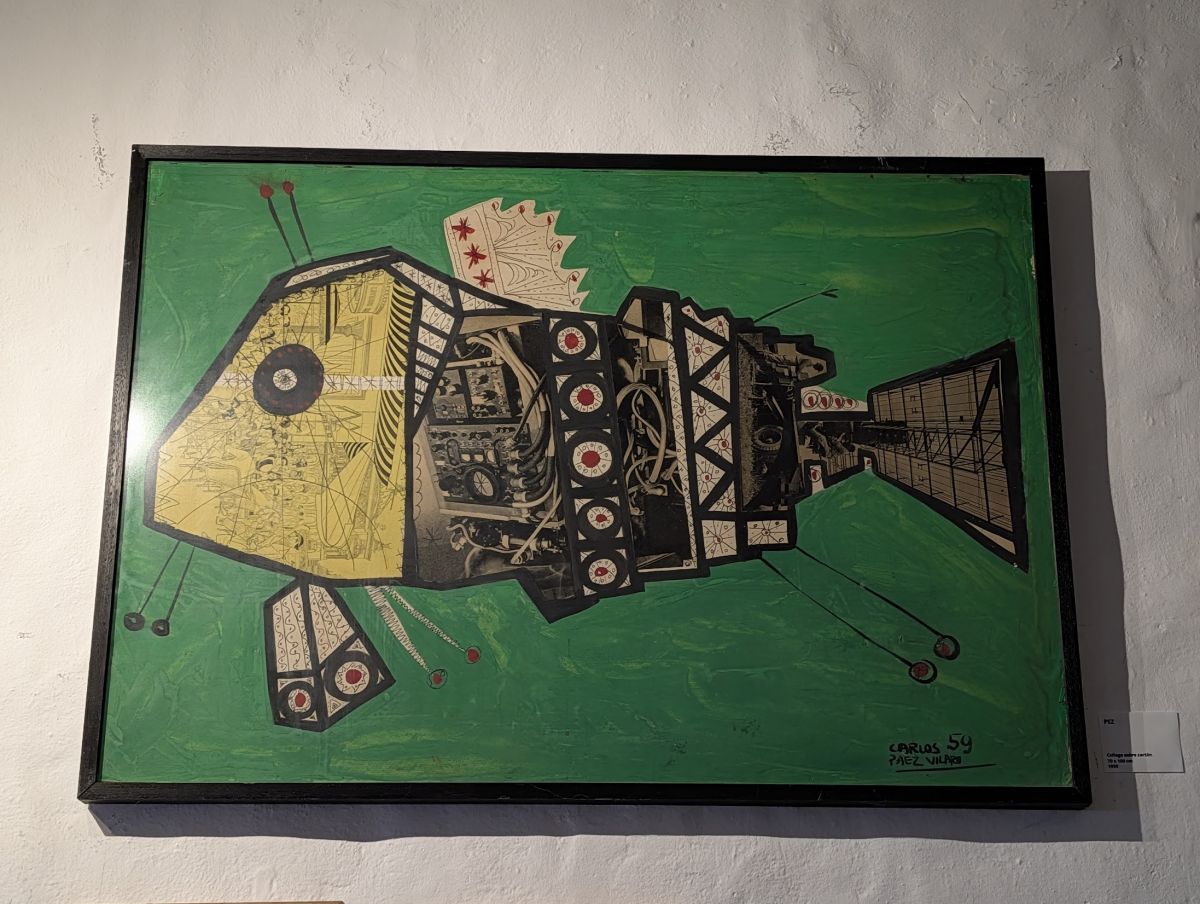
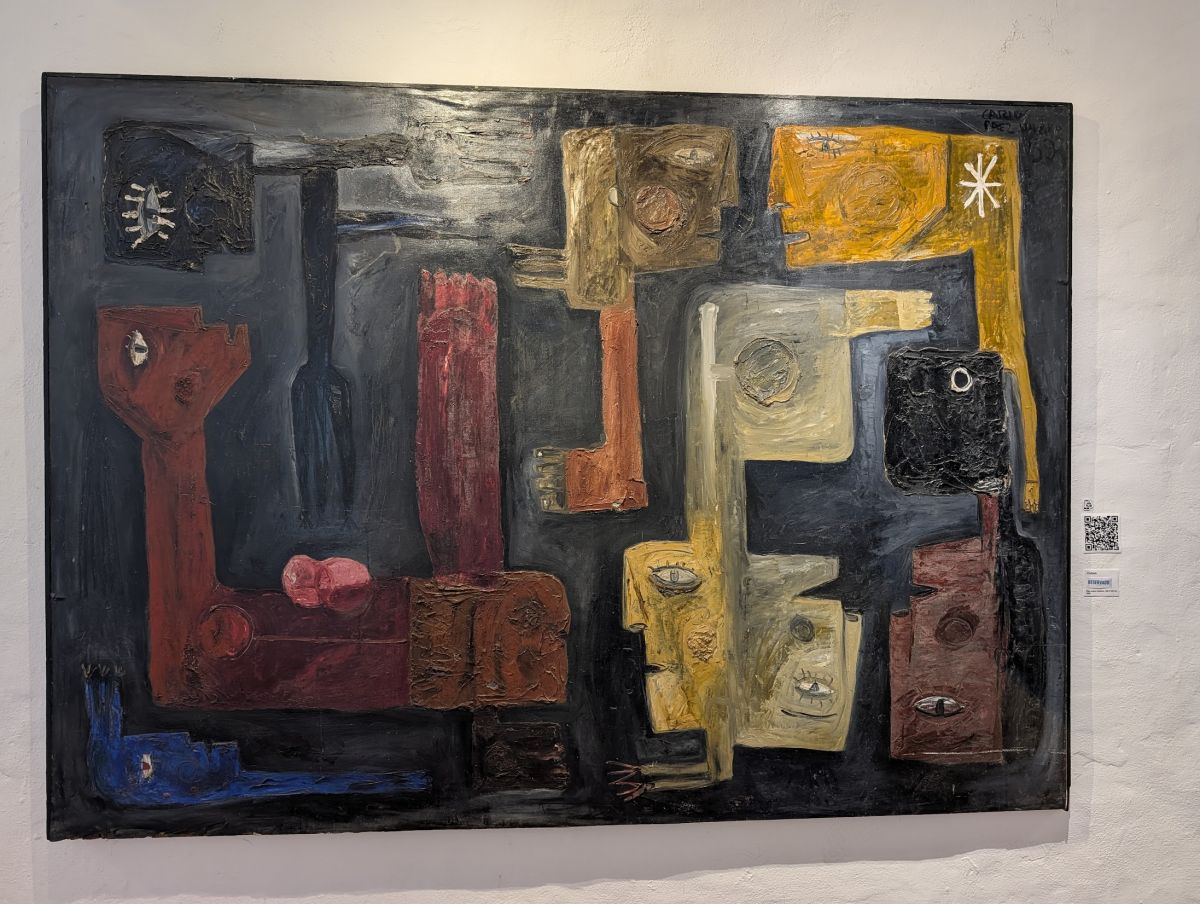
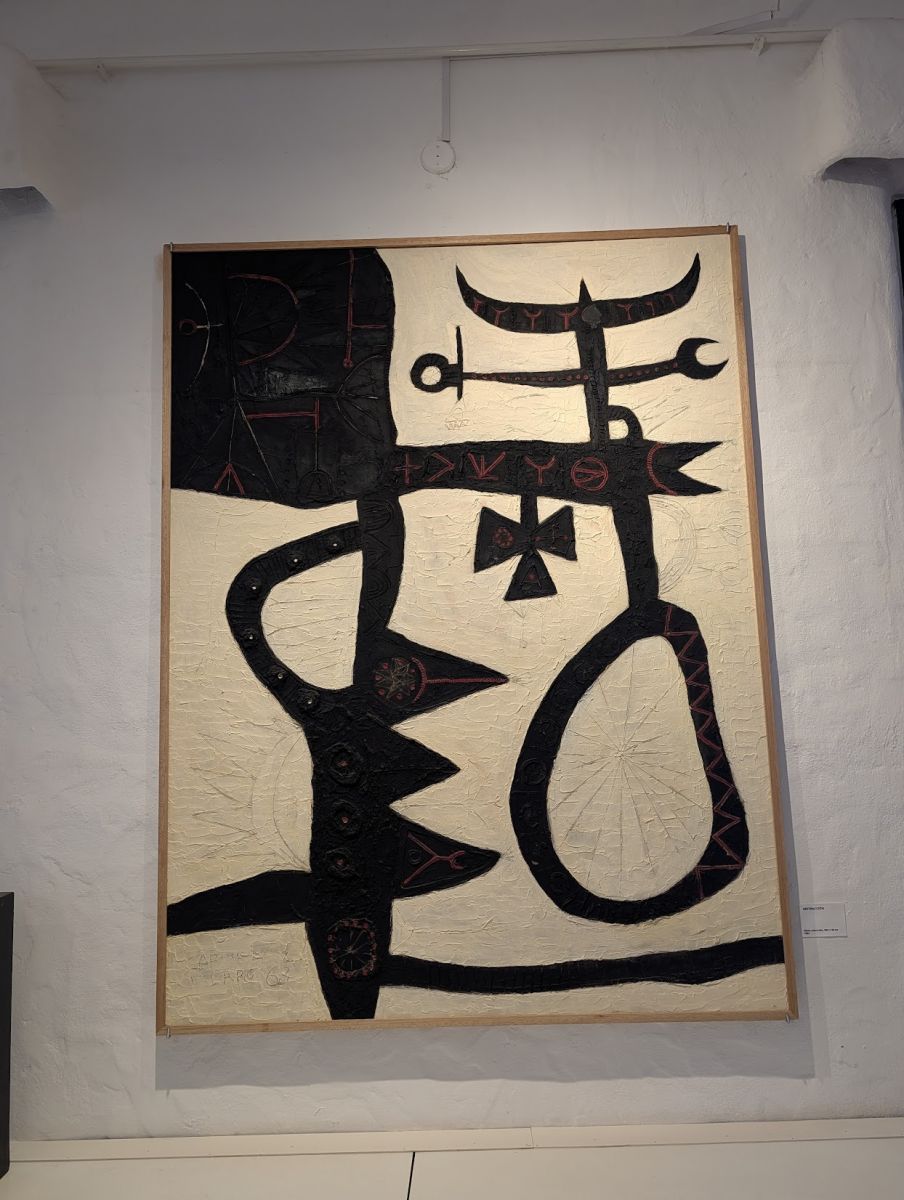
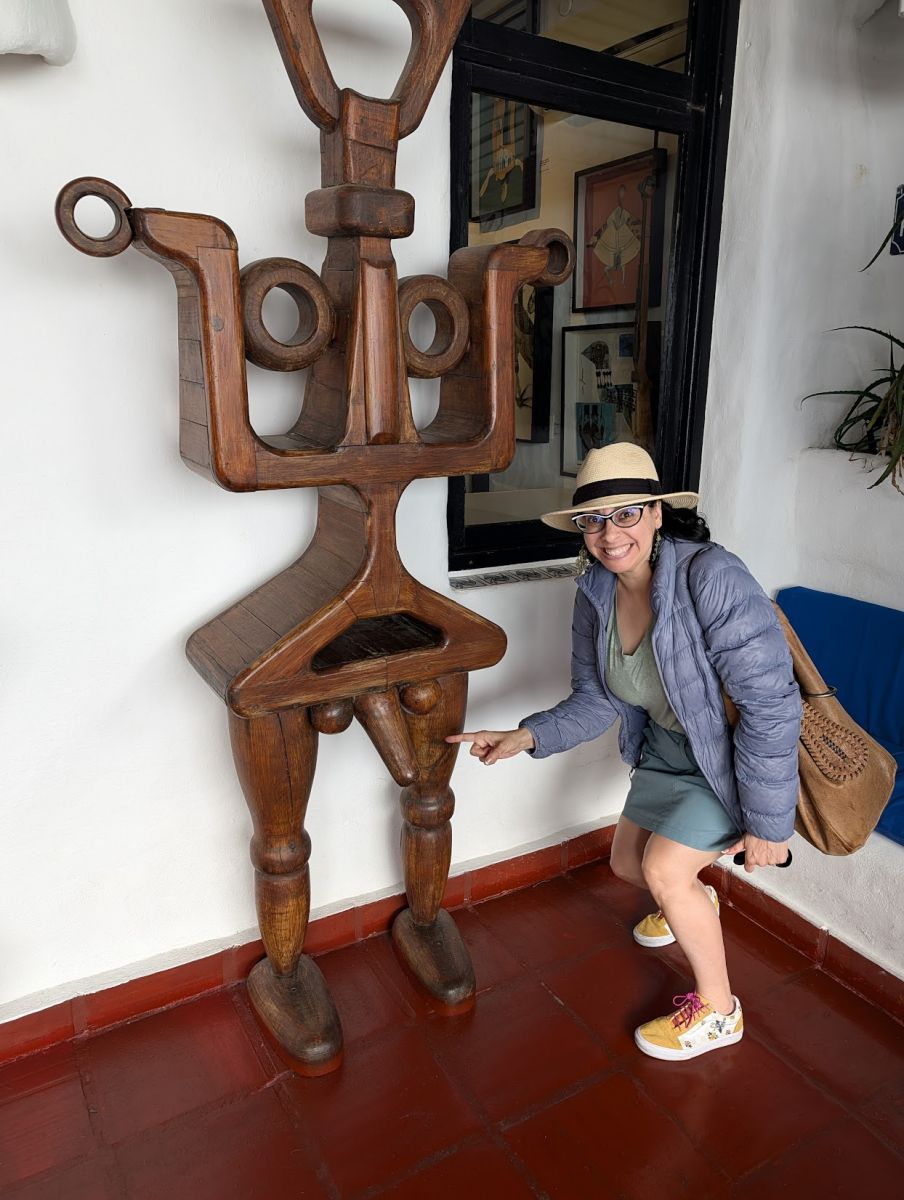
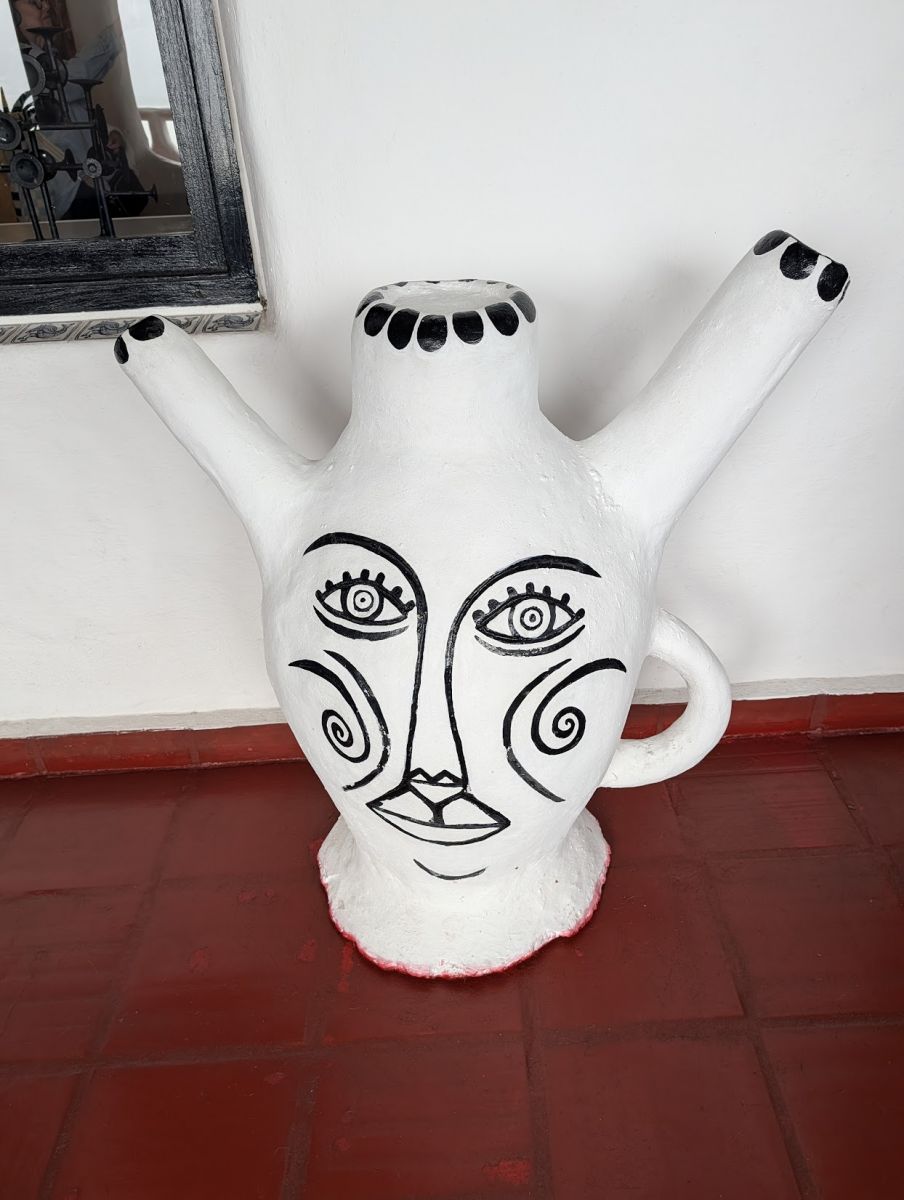
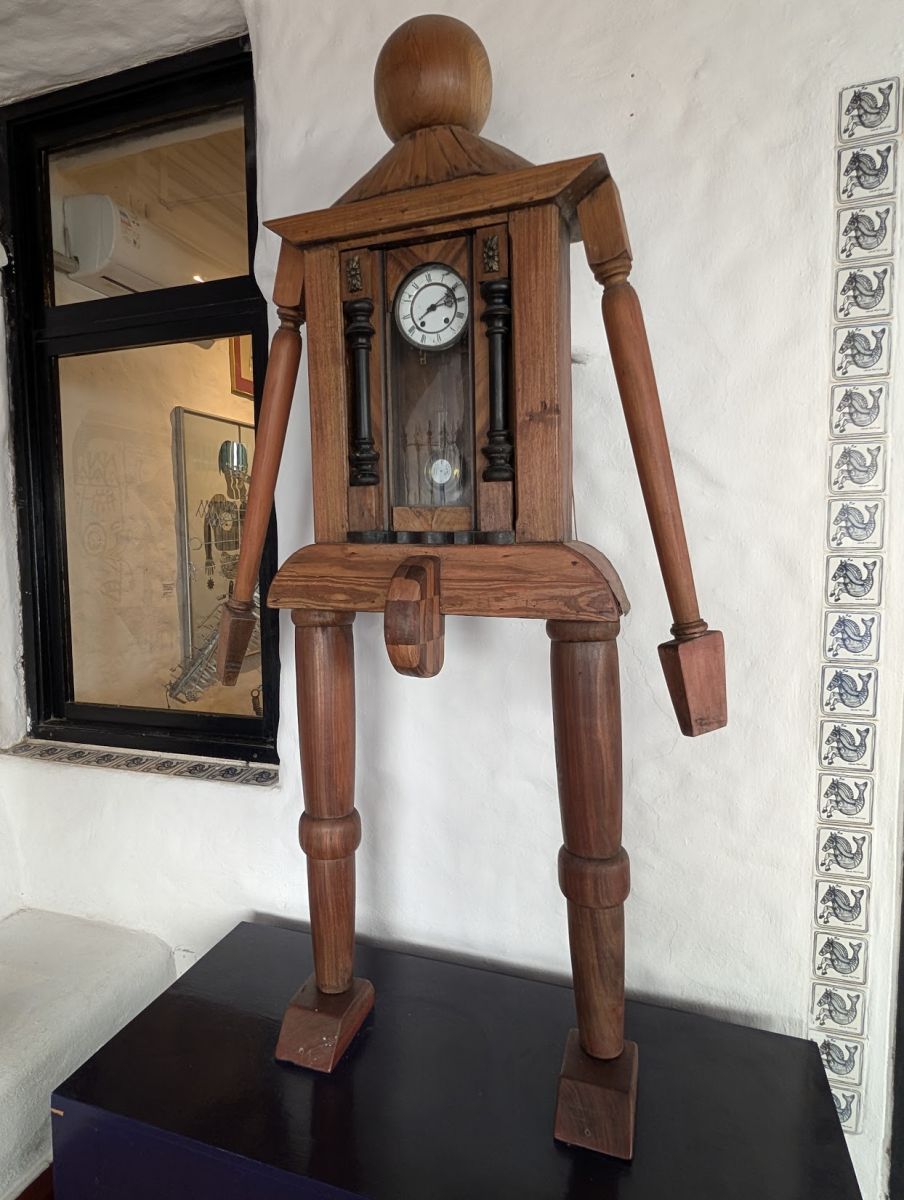
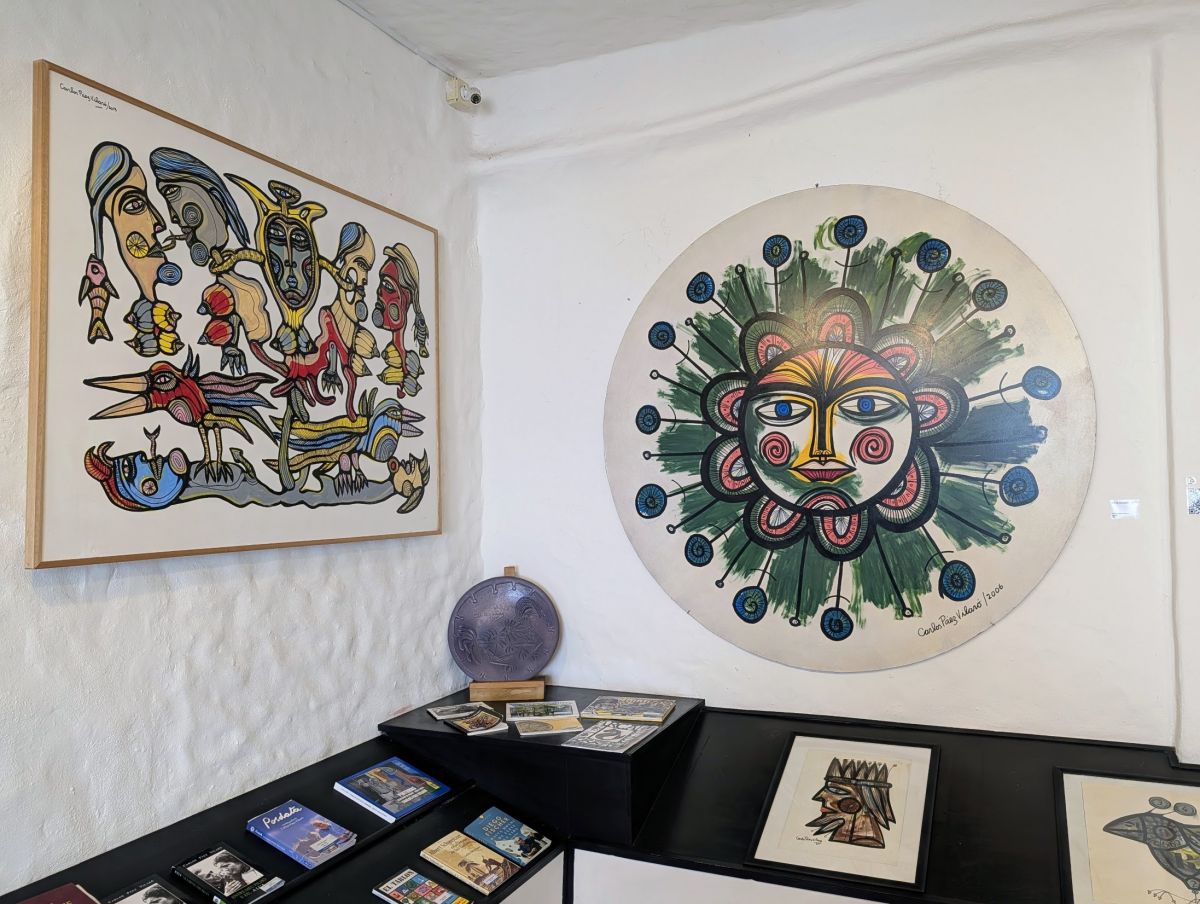
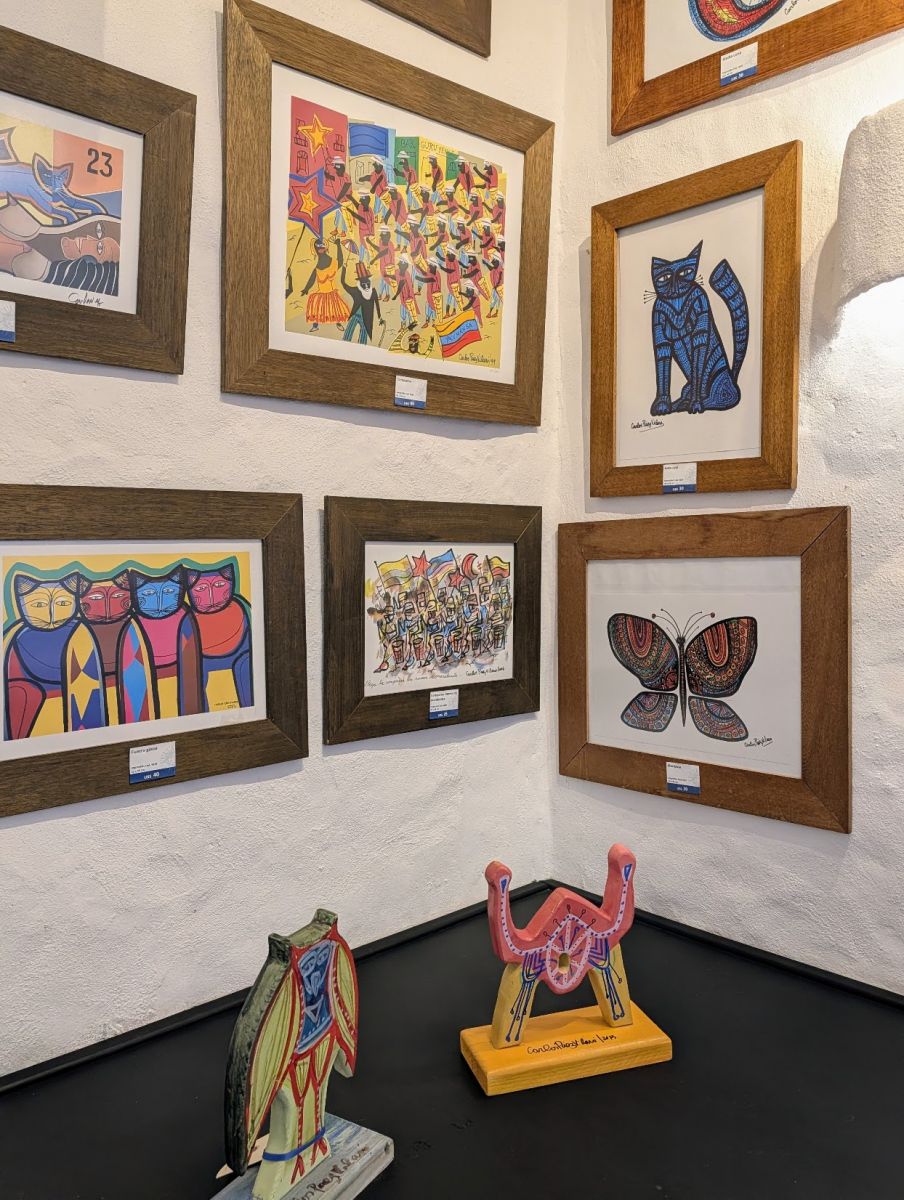
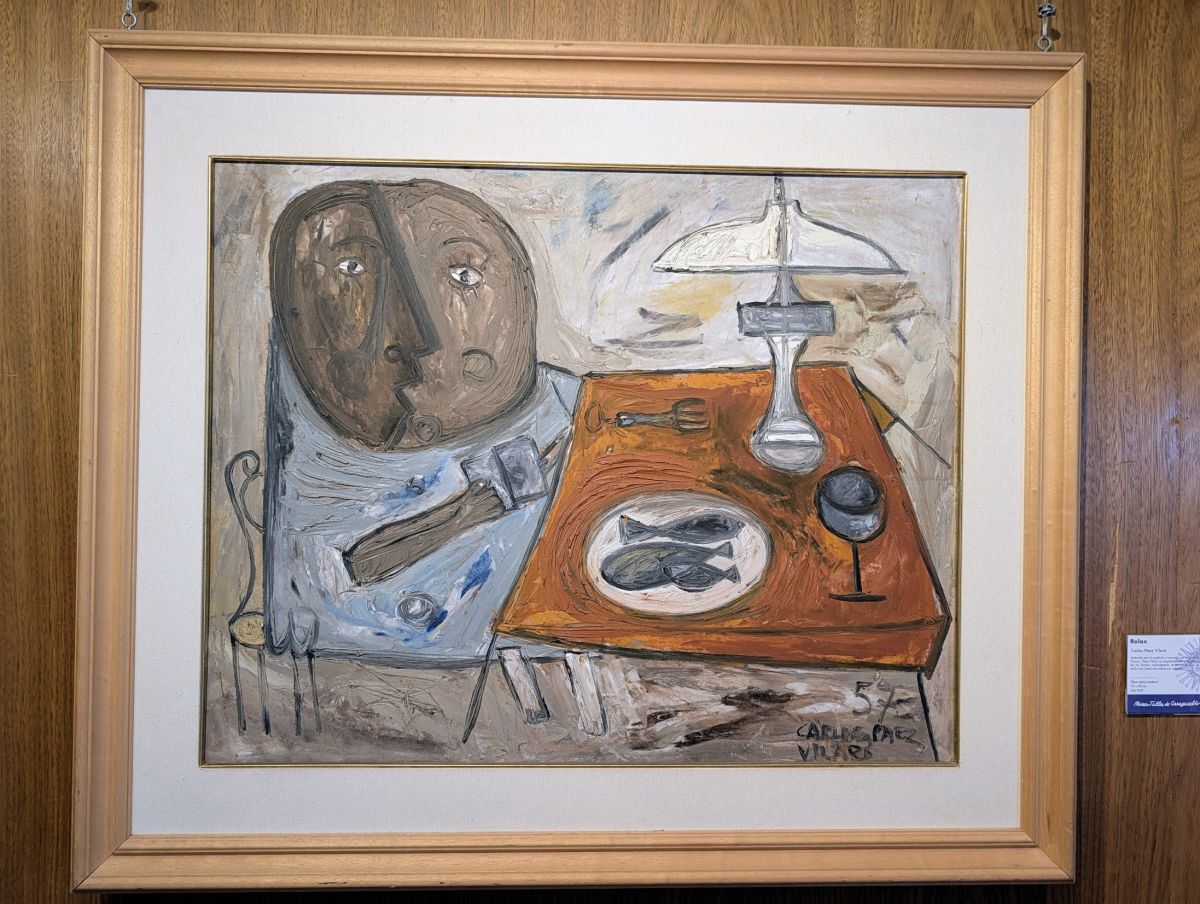
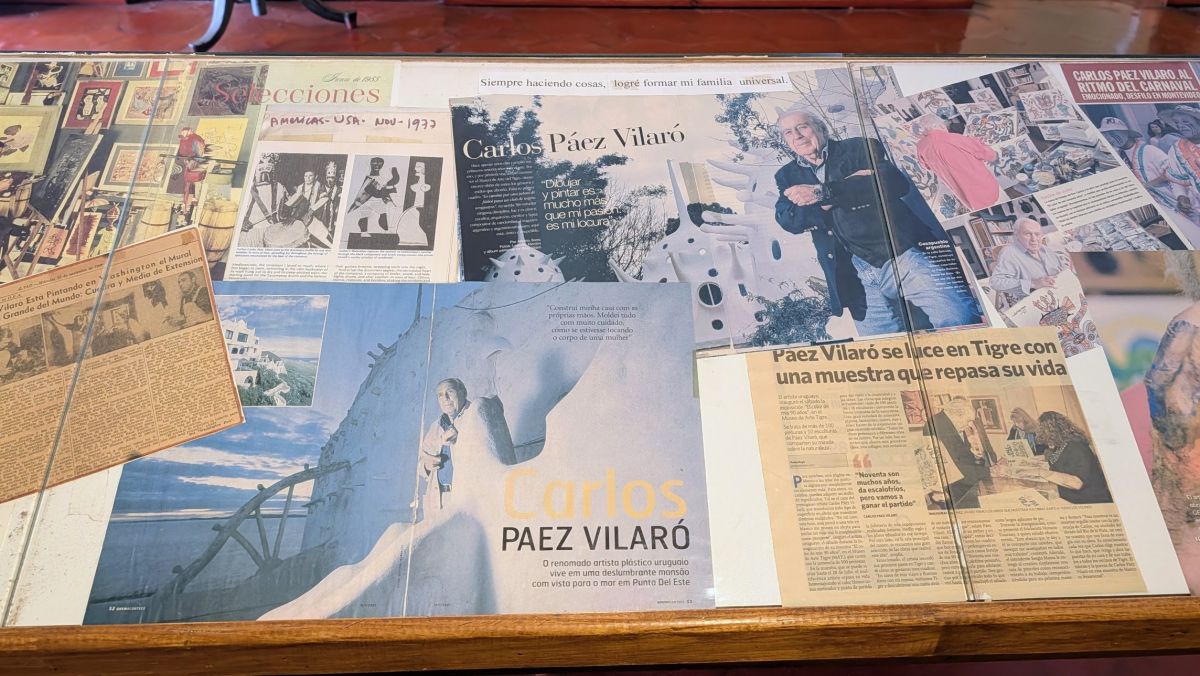
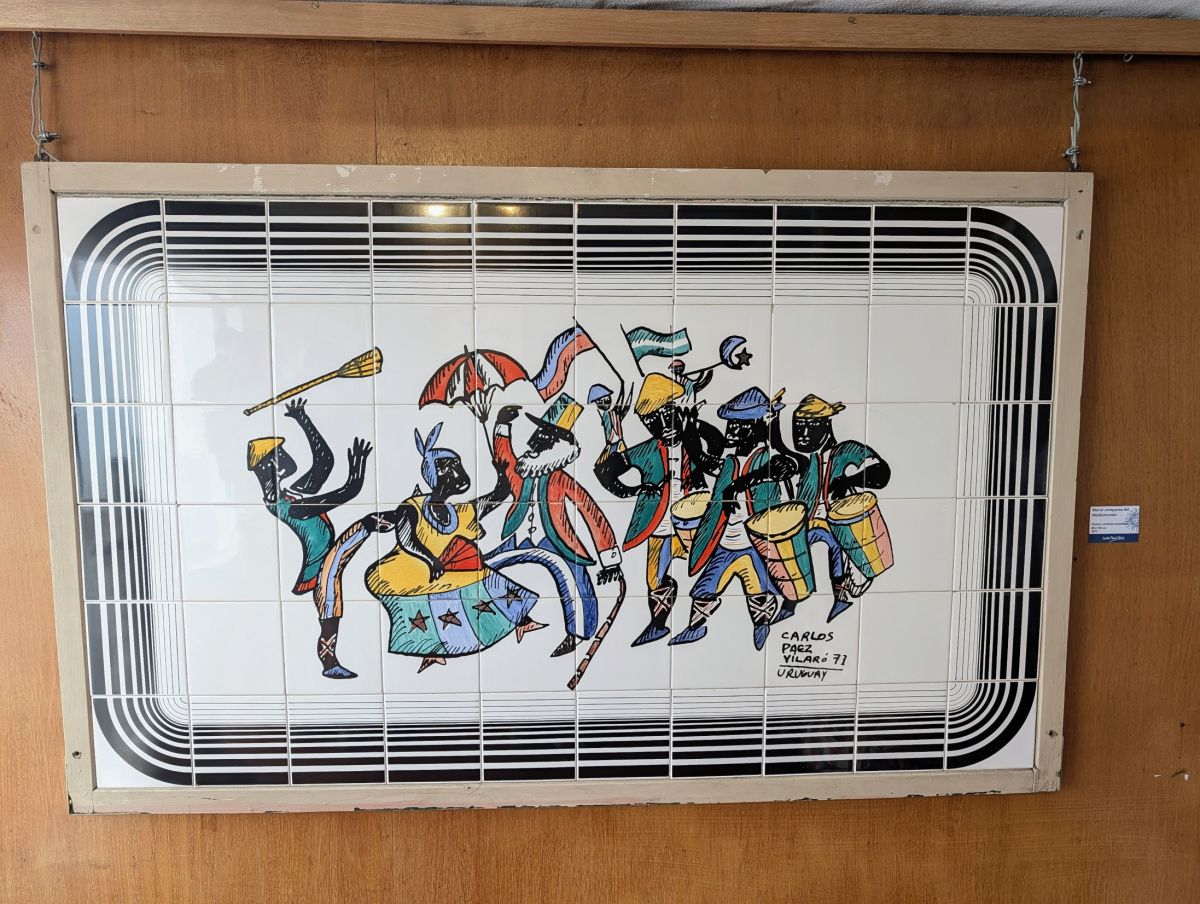
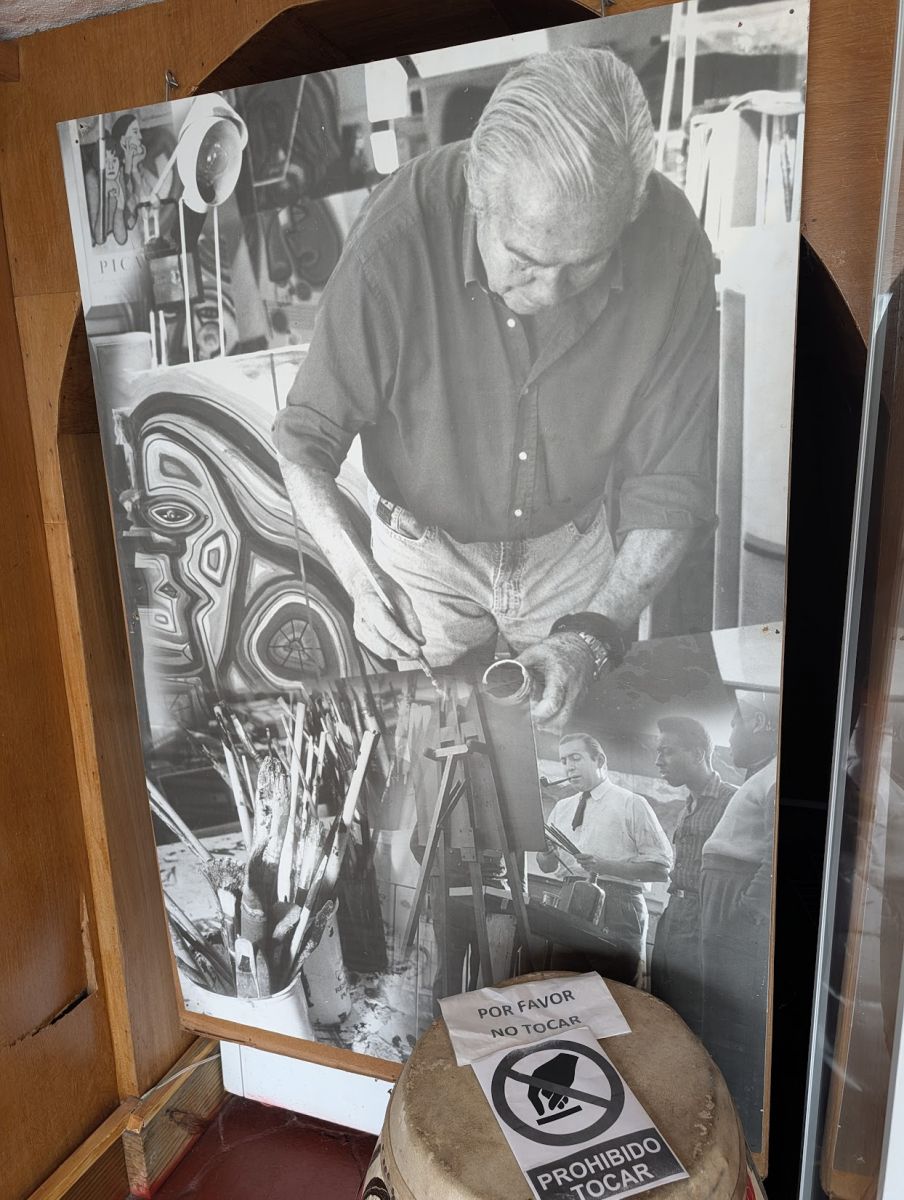
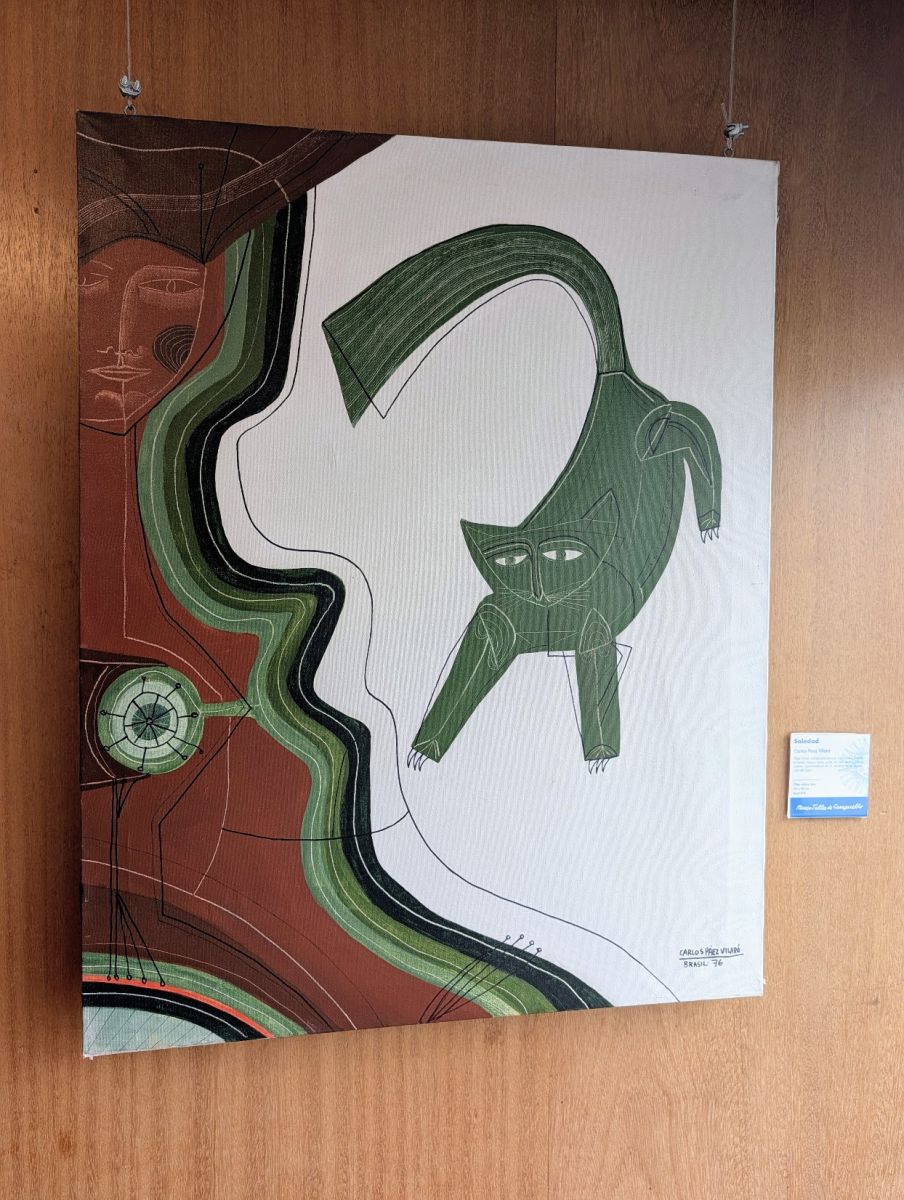
Finally, on our way back to Montevideo. we stopped at Casapueblo, the former home and workshop of Carlos Páez Vilaró. It’s about 8 miles outside of Punta del Este, in Punta Ballena. The artist had it built here because the geography of the coast at this point allowed him to orient the house facing west, where he could enjoy the sunsets over the water – something not always possible in eastern-facing Uruguay.


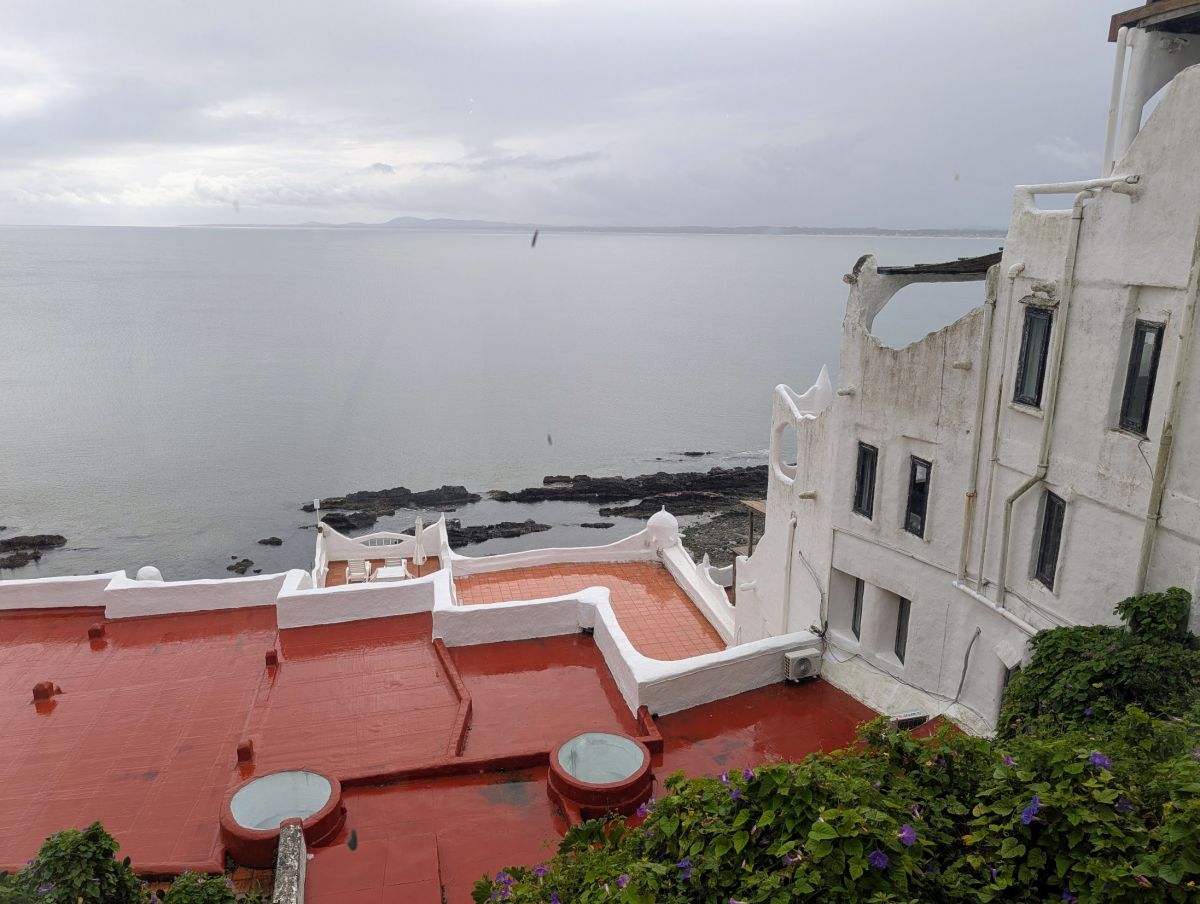


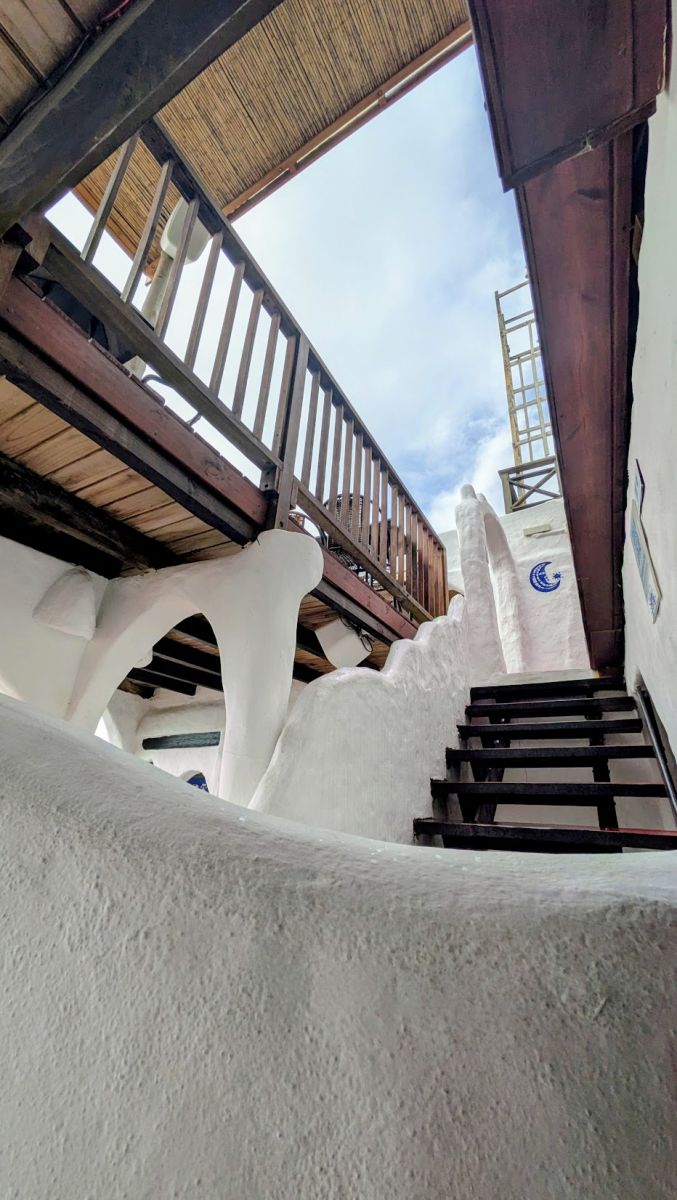
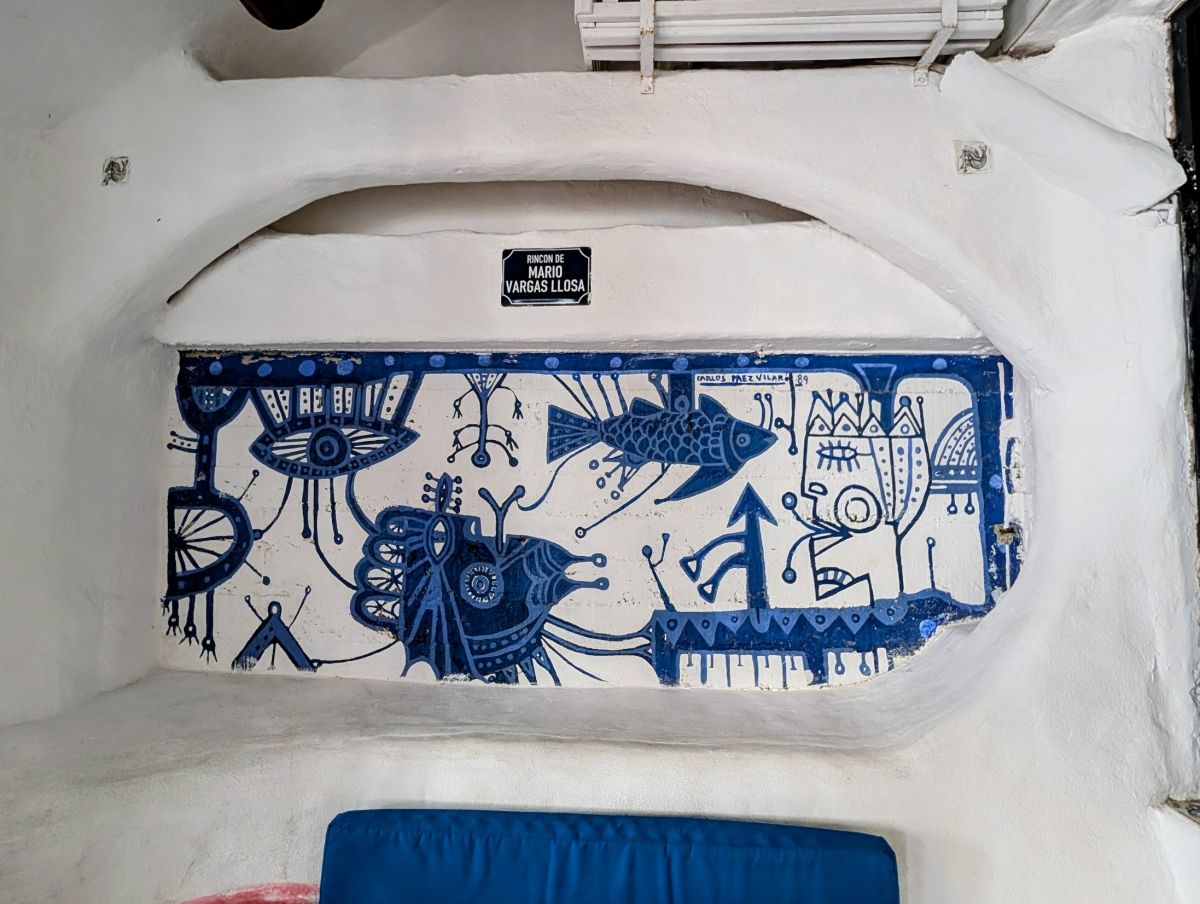
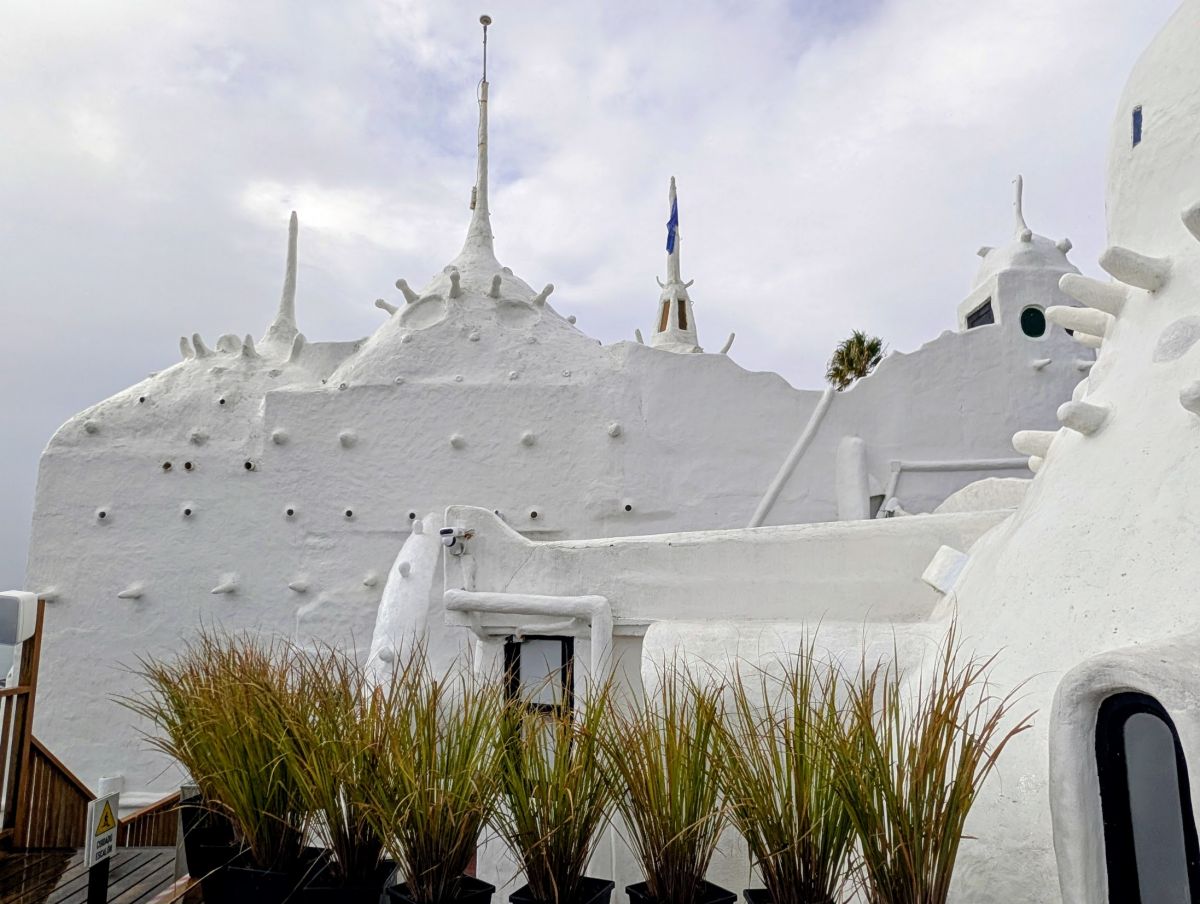
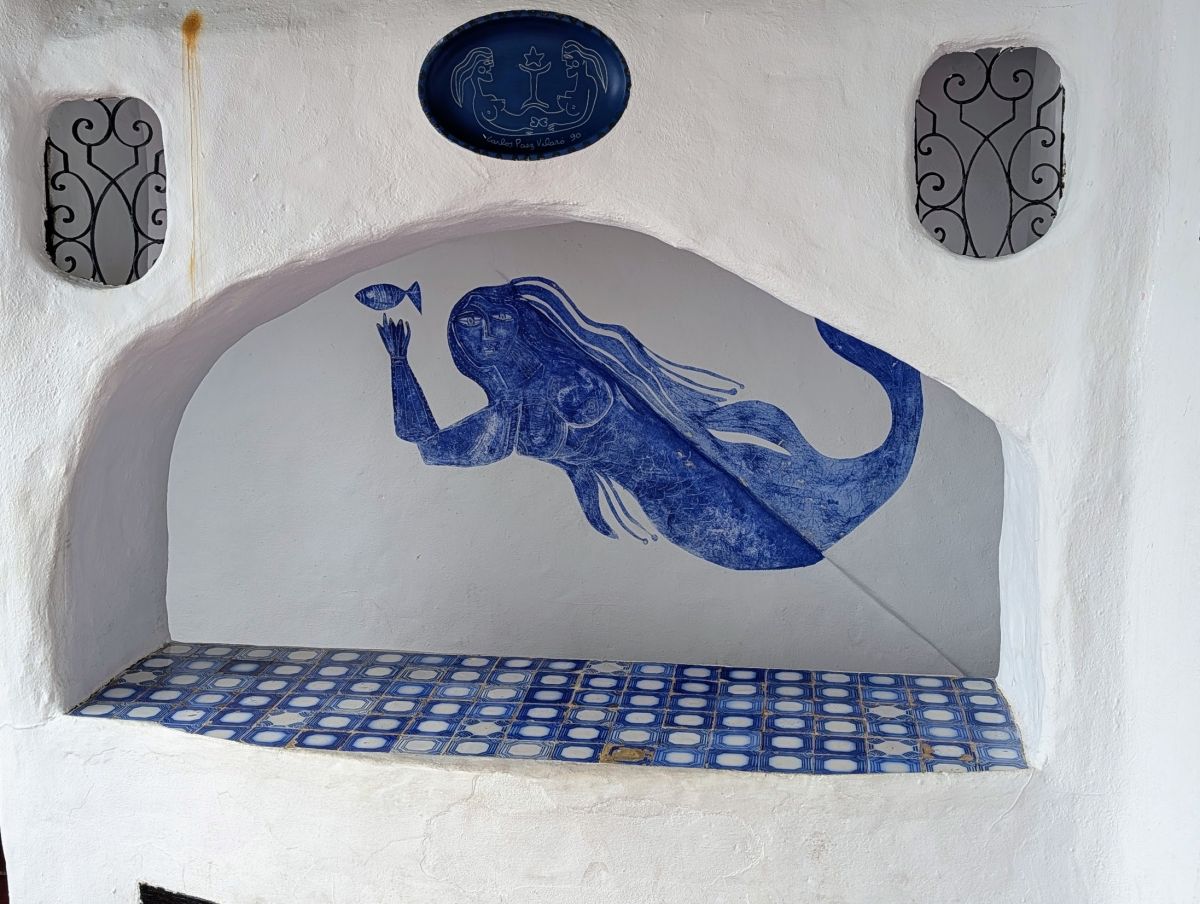
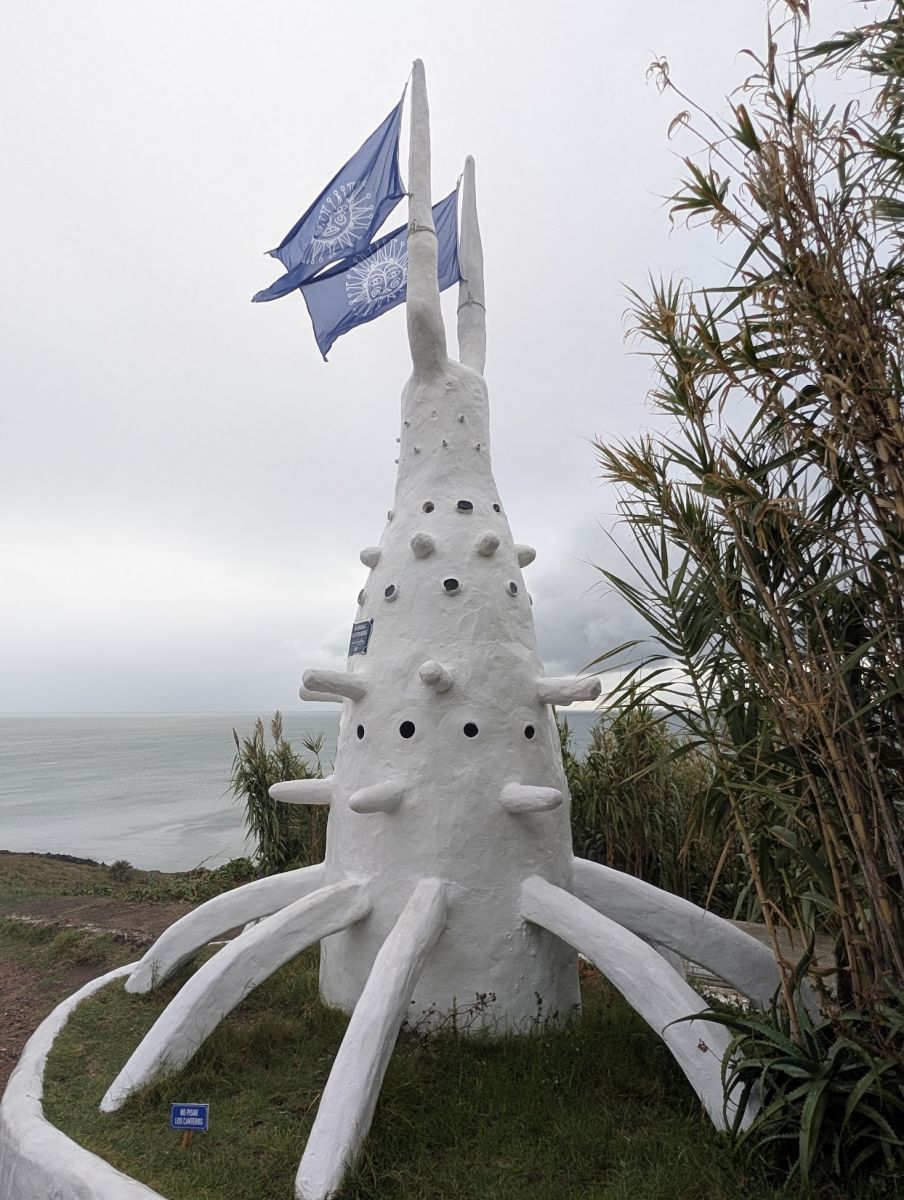
The house took 36 years to complete, and has 13 floors with terraces, each facing west. It’s now part museum, part hotel (which isn’t accessible to those visiting the museum), and part private residence – Vilaró’s widow still lives there. If you don’t know Vilaró, look him up. He was a contemporary of Picasso and Dalí (although he was younger than both – Vilaró lived until 2014), and was inspired by and met both artists. His son, Carlos Páez Rodriguez, was one of the 16 survivors of flight 571 that crashed in the Andes.







When we got back to Montevideo, it was 8pm, so we went across the street to Vittatime for dinner. They serve breakfast all day (but also have sandwiches and other non-breakfast items). They have gluten-free and vegetarian options as well. It was good!


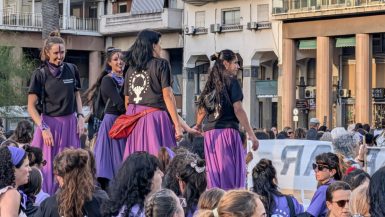
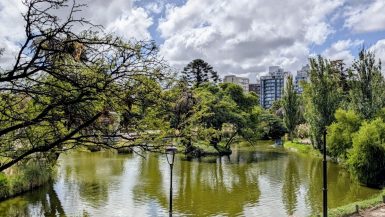
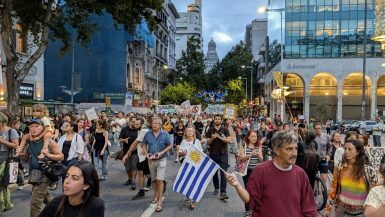
Random Photos From the Day



Steps for the Day: 9,045
Y’all looking good!
Loved every part of this day! 🇺🇾💋