


Cooking Class
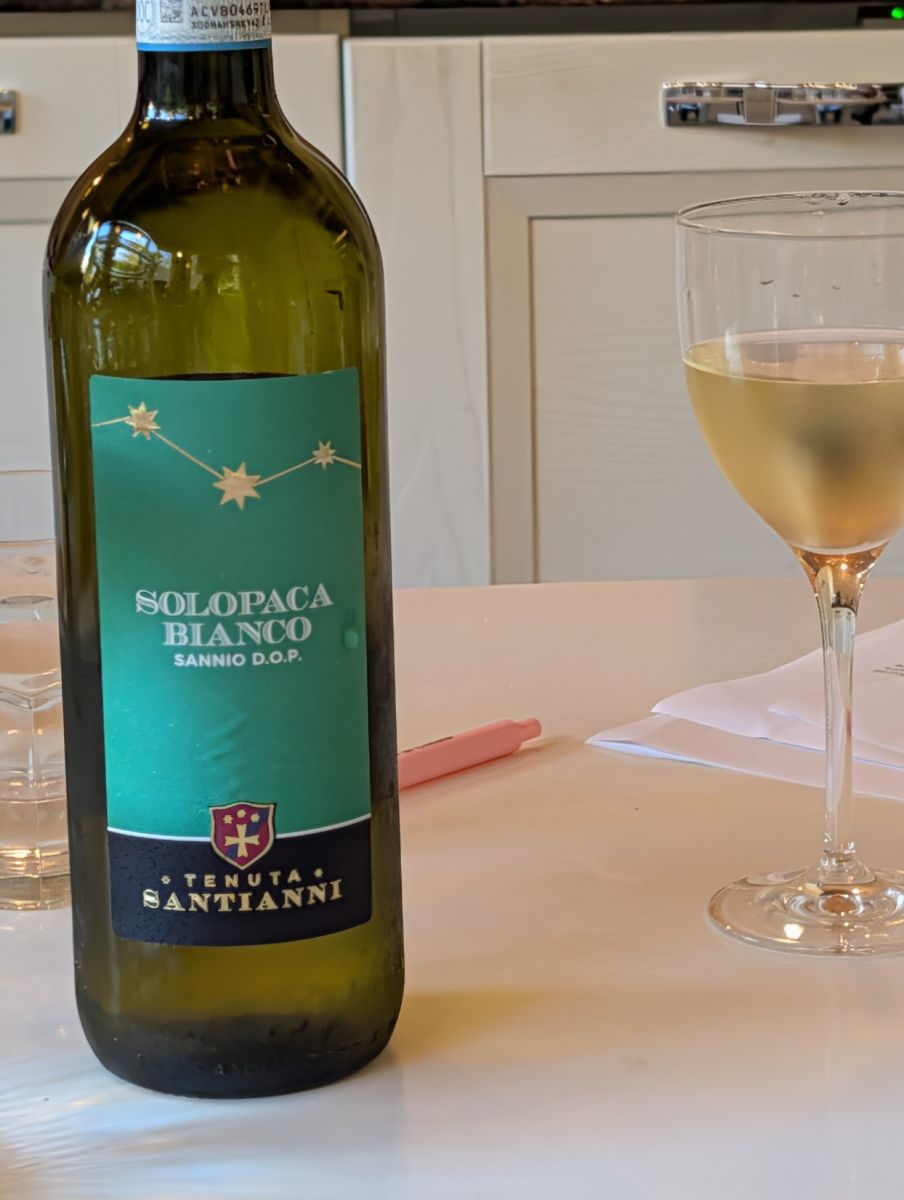
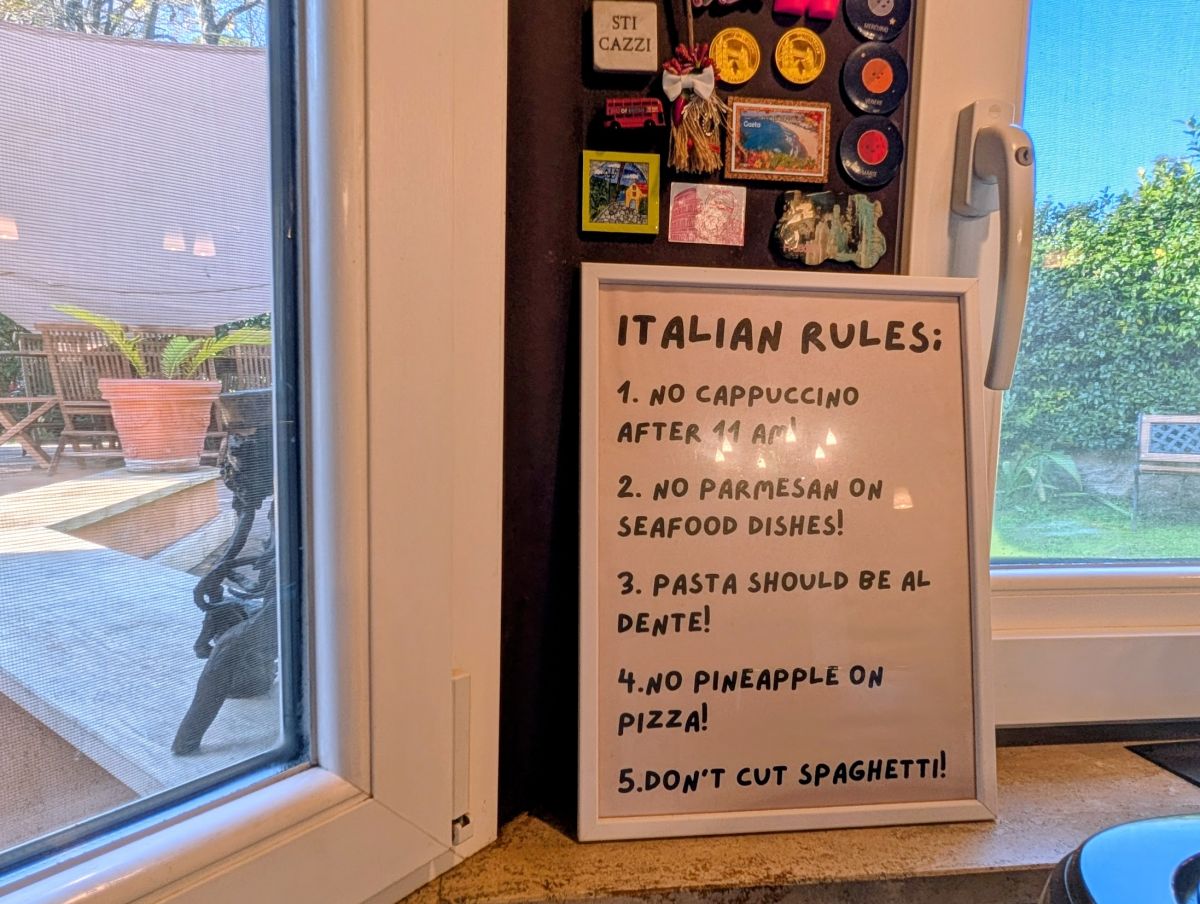
We began our final day in Rome taking a cooking class with Ilaria from Aria Laboratorio Di Cucina, which we booked through Get Your Guide. She teaches her cooking classes in her lovely Trastevere home.
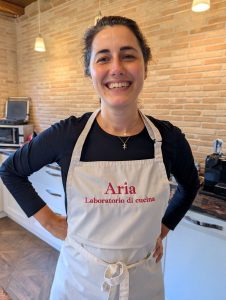
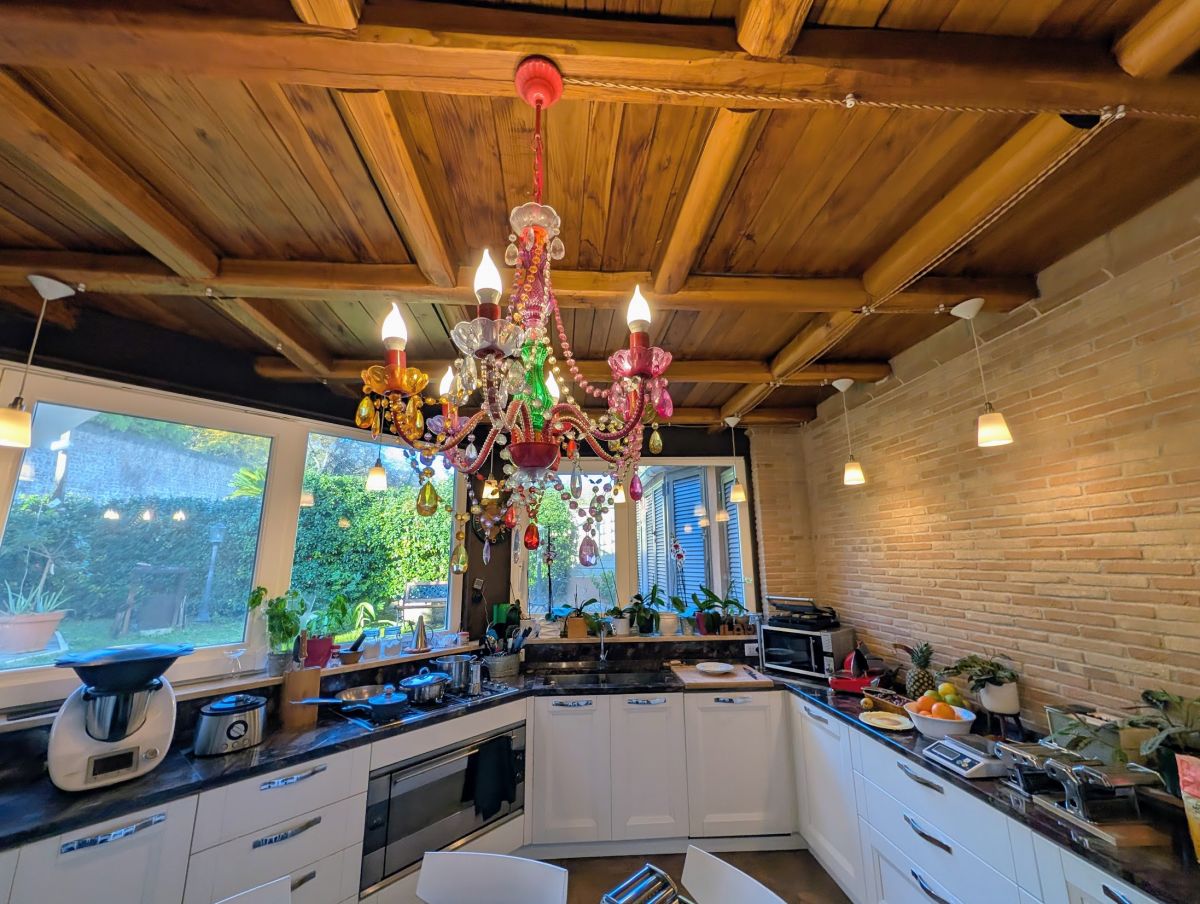
It’s normally a group class, but we were the only ones booked, so it became a personal class for just Teresa and I! The kitchen was very spacious, and we each had our own pasta roller and other tools.
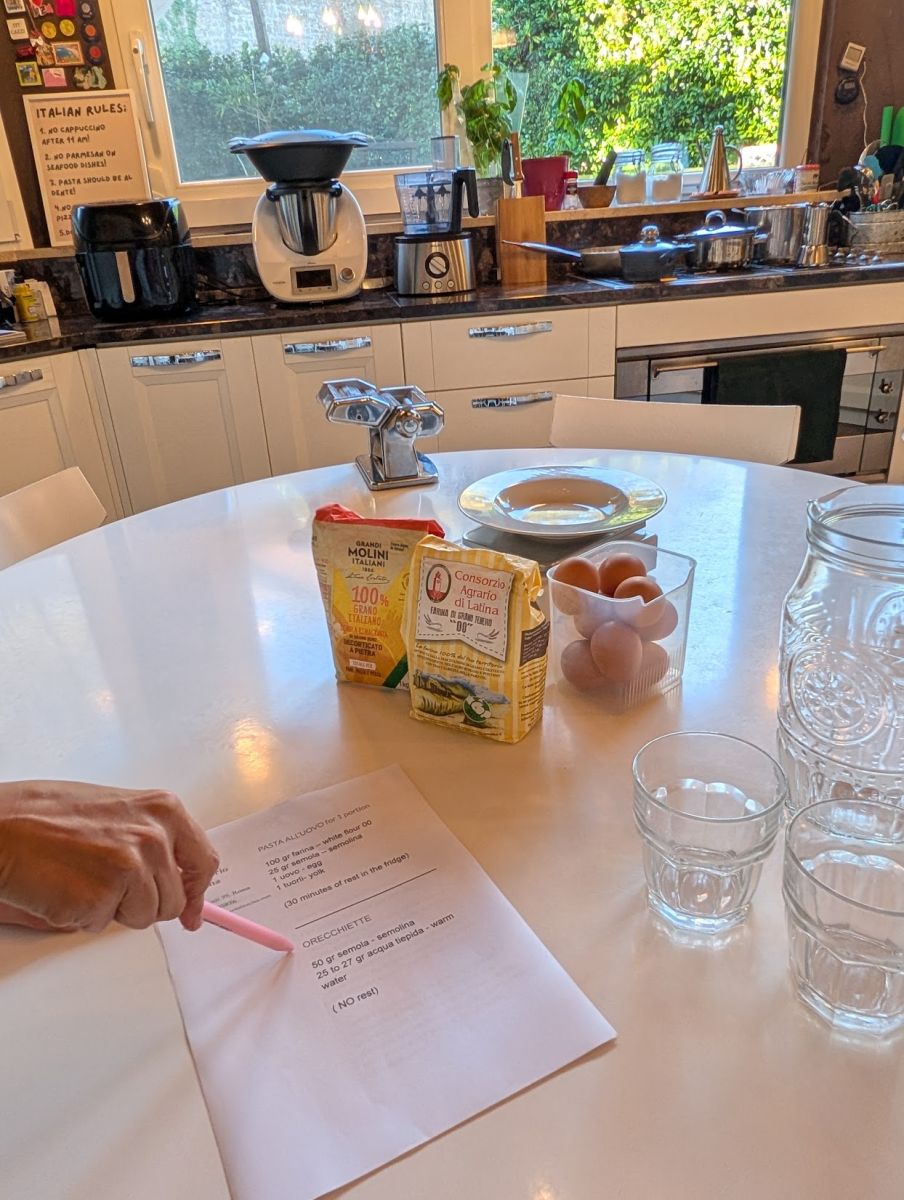
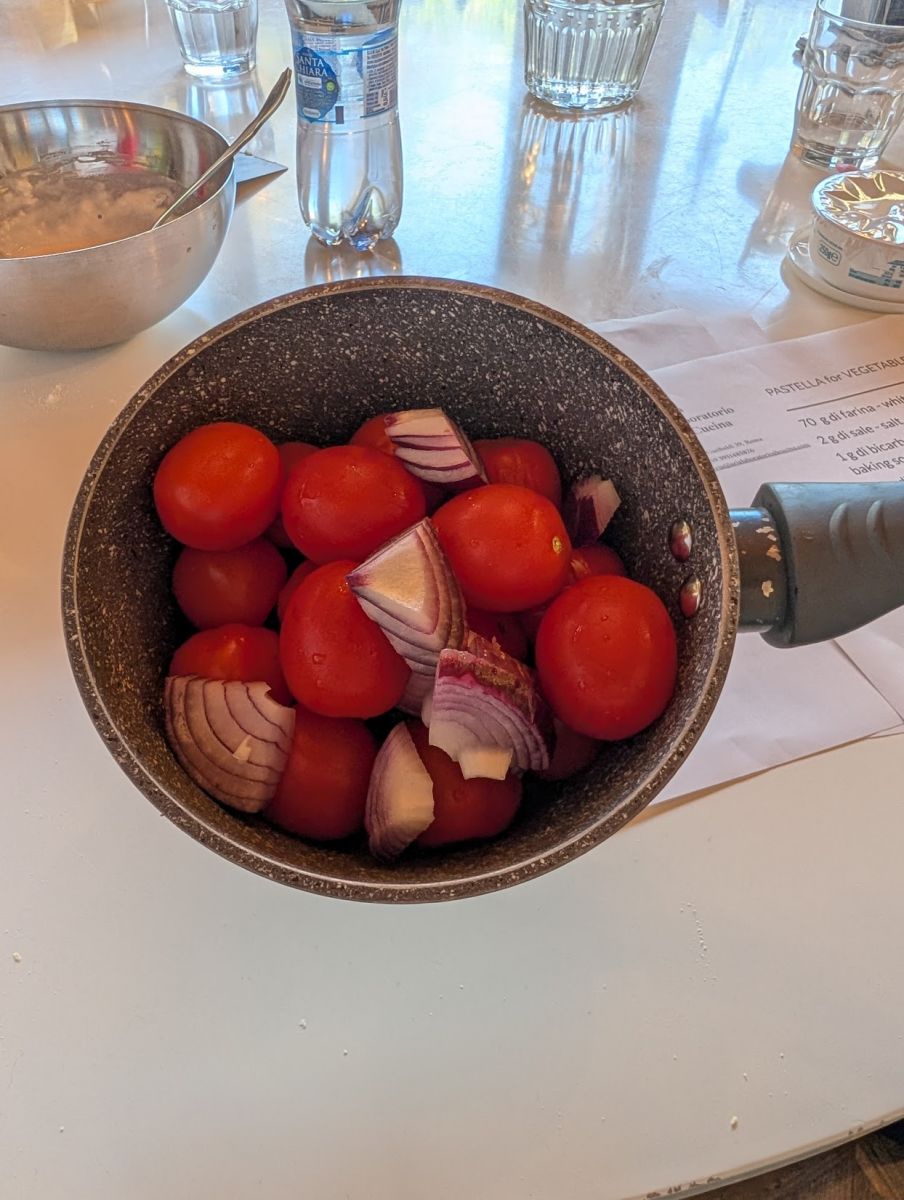
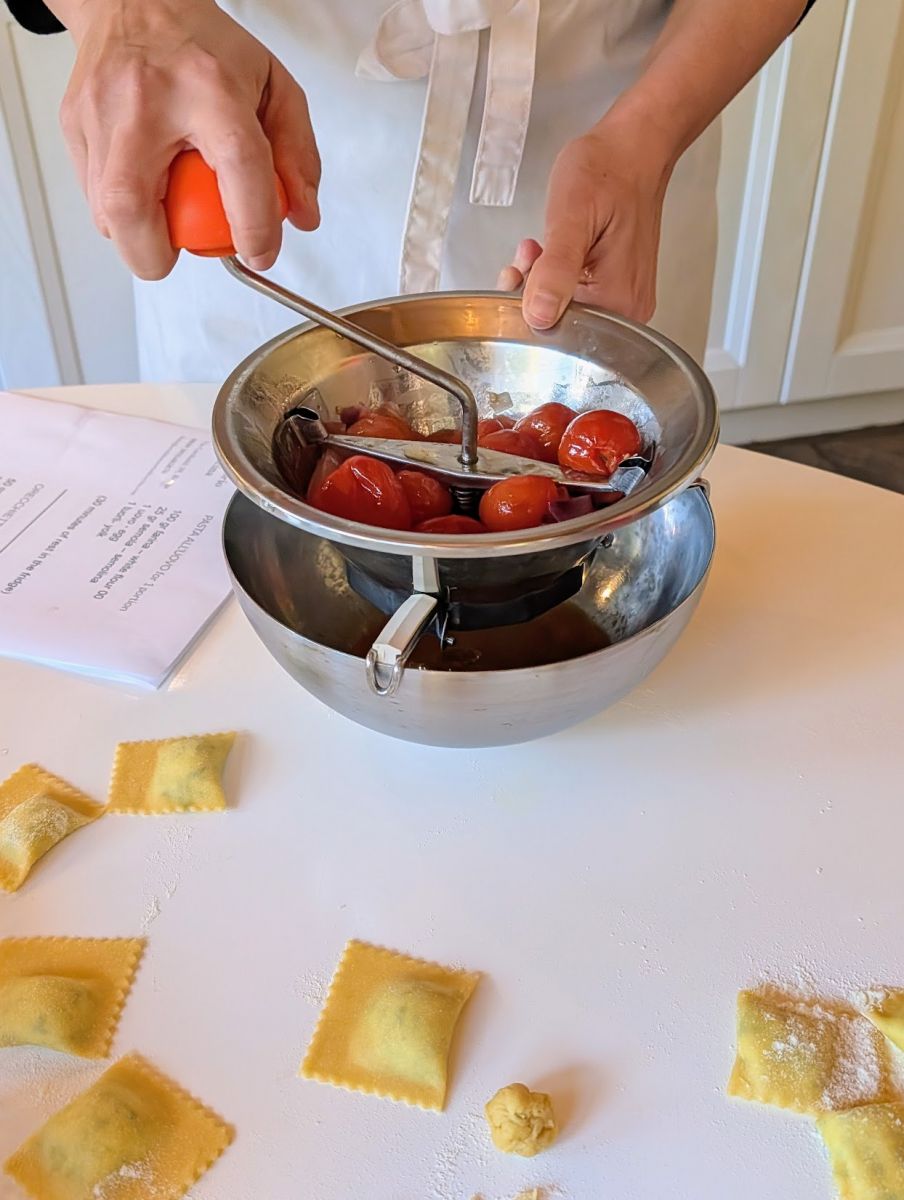
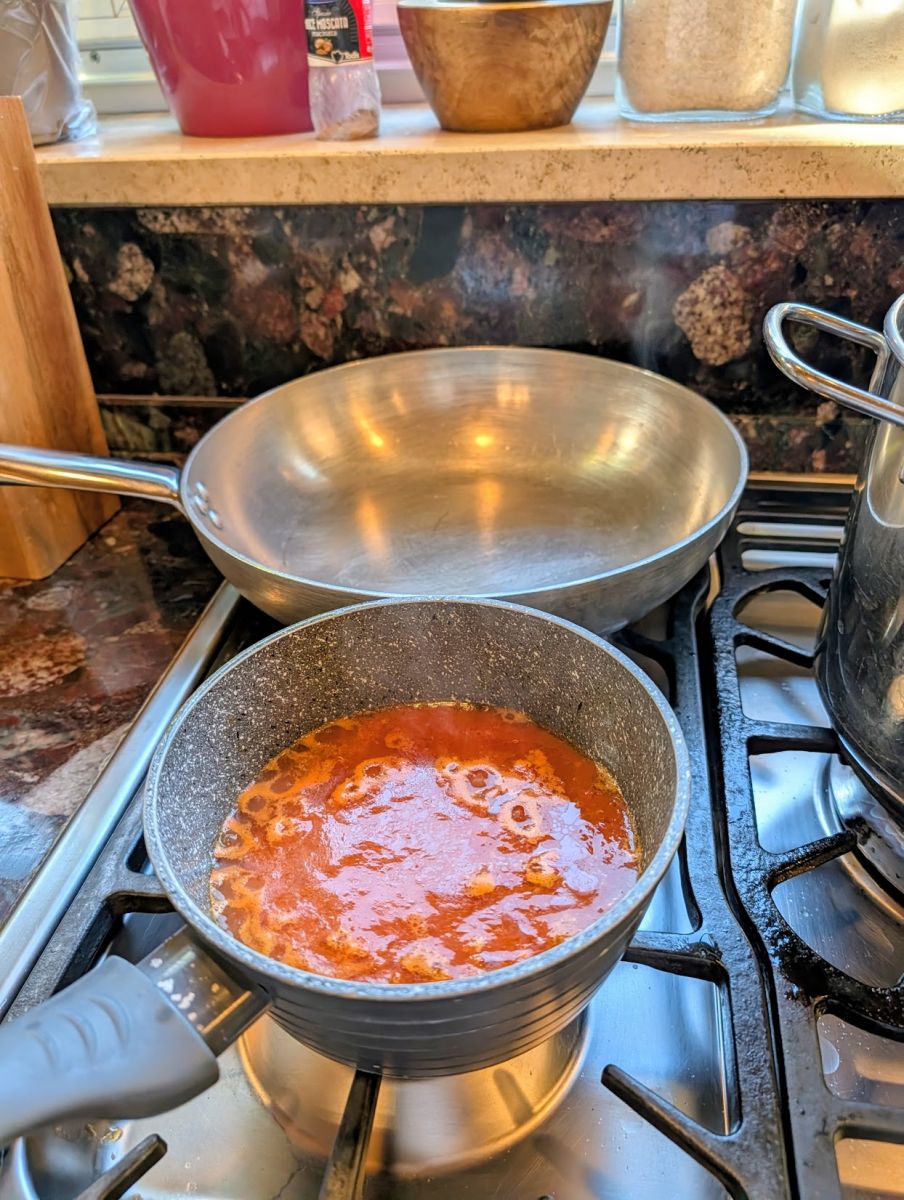
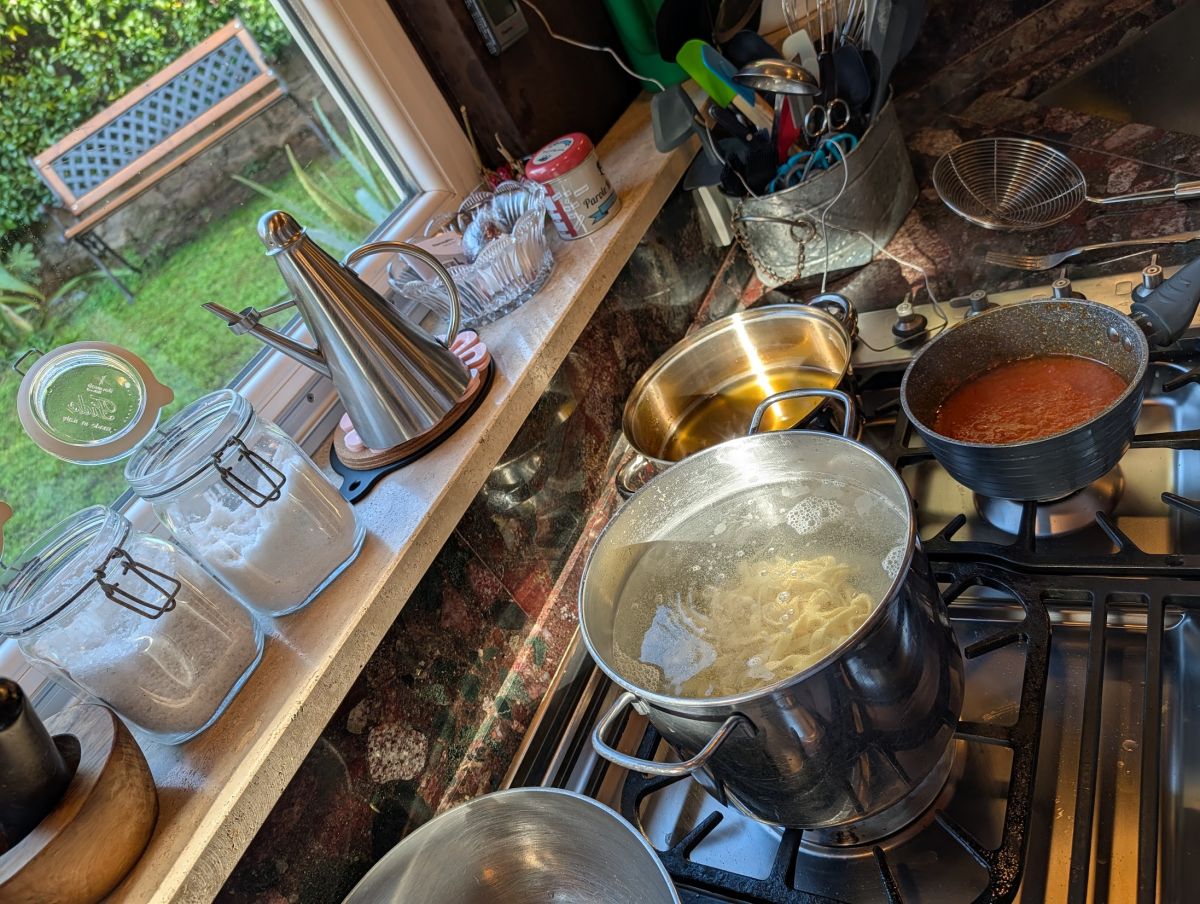
We began by making a dough we’d use for both fettuccini and ravioli, plus a second dough for orecchiette. While the dough rested in the fridge, we started a red sauce with large cherry tomatoes, red onion, and a little olive oil. (Were they Roma tomatoes? She called them cherry tomatoes, but they were bigger than what we call cherry tomatoes here in the U.S.) The sauce simmered for about 30-40 minutes, then passed everything through a food mill, and finally reduced further on the stove.
During the summer, when the tomato skins are thinner, there’s no need for a food mill—just hand-crush the tomatoes—although you’ll need to mince the onion.
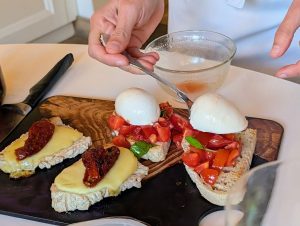
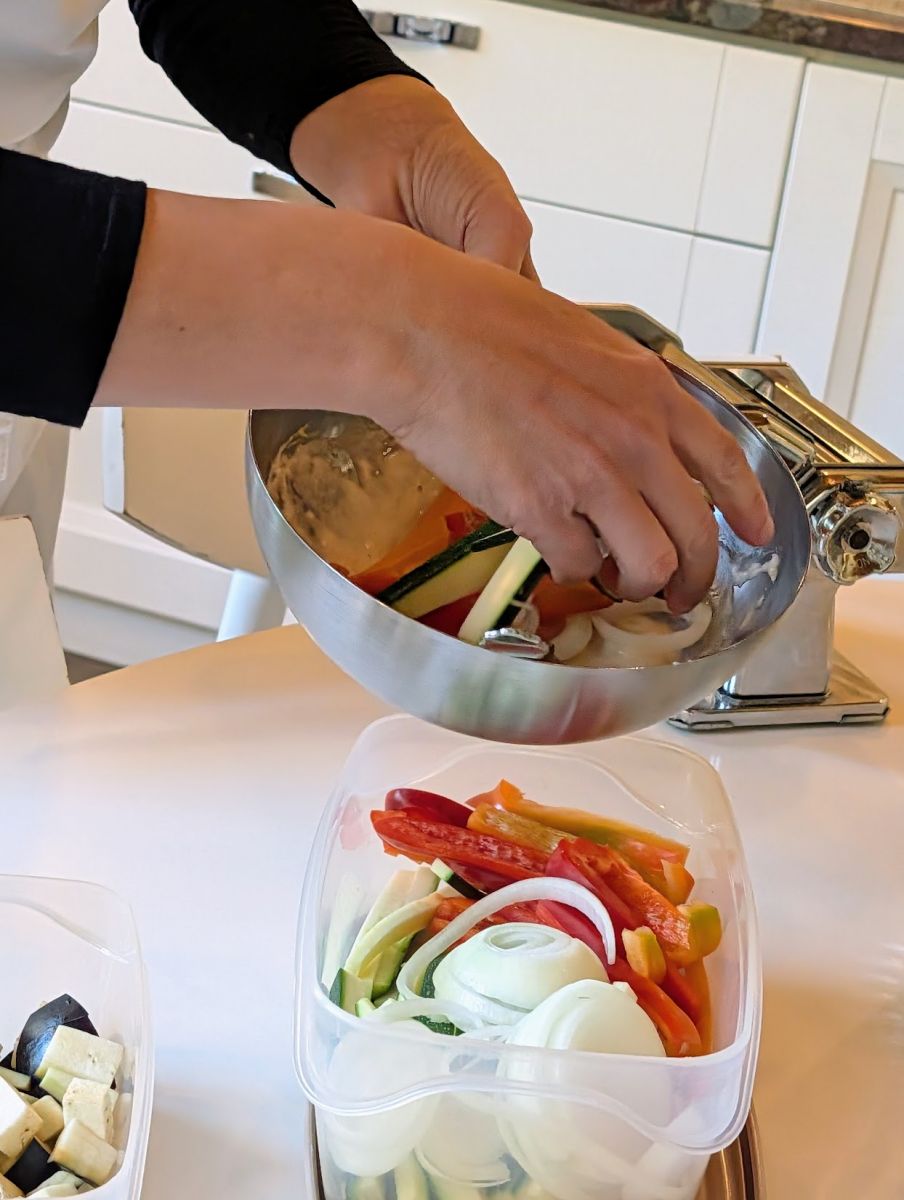
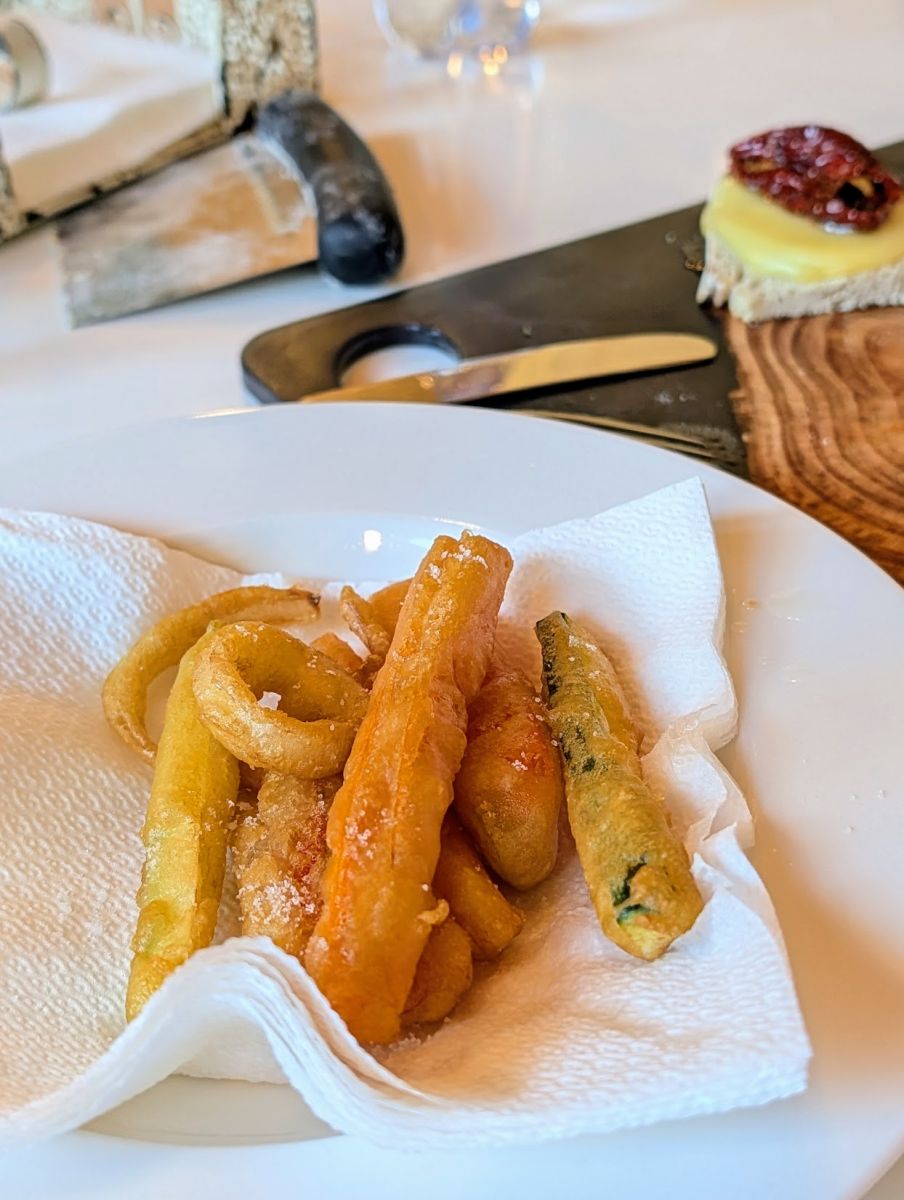
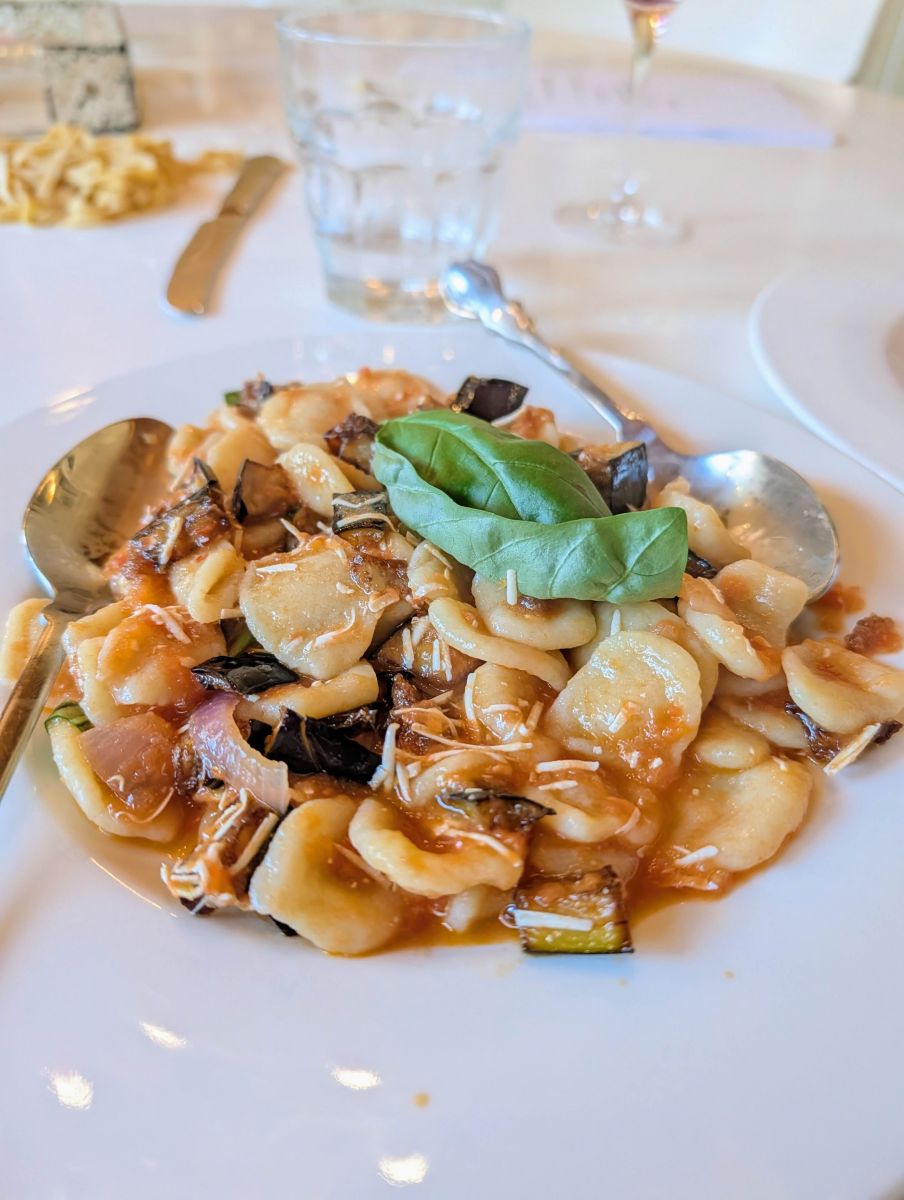
We also sautéed some eggplant to go with the orecchiette, and made a batter to fry some zucchini, carrot, and onion, which we had as a snack (after finishing the bruschetta Ilaria made for us).
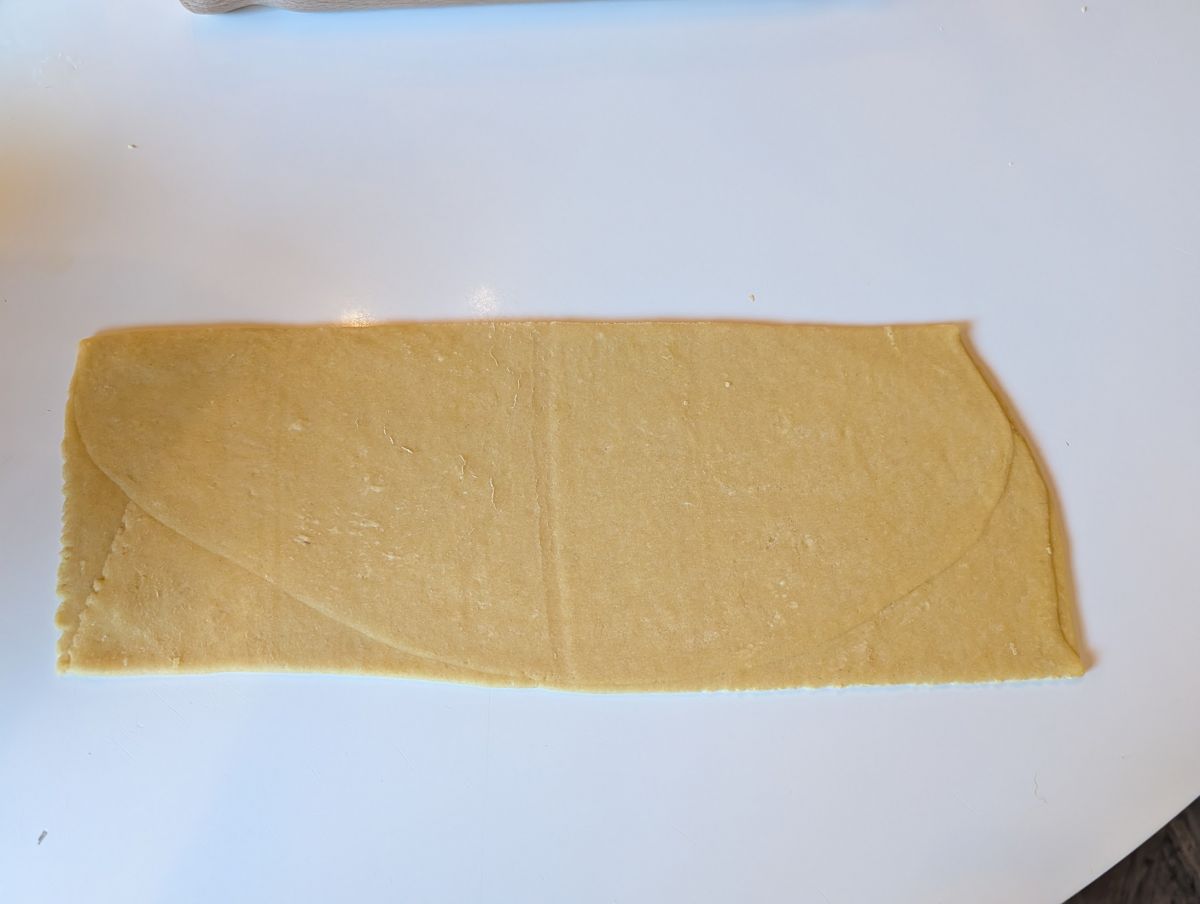
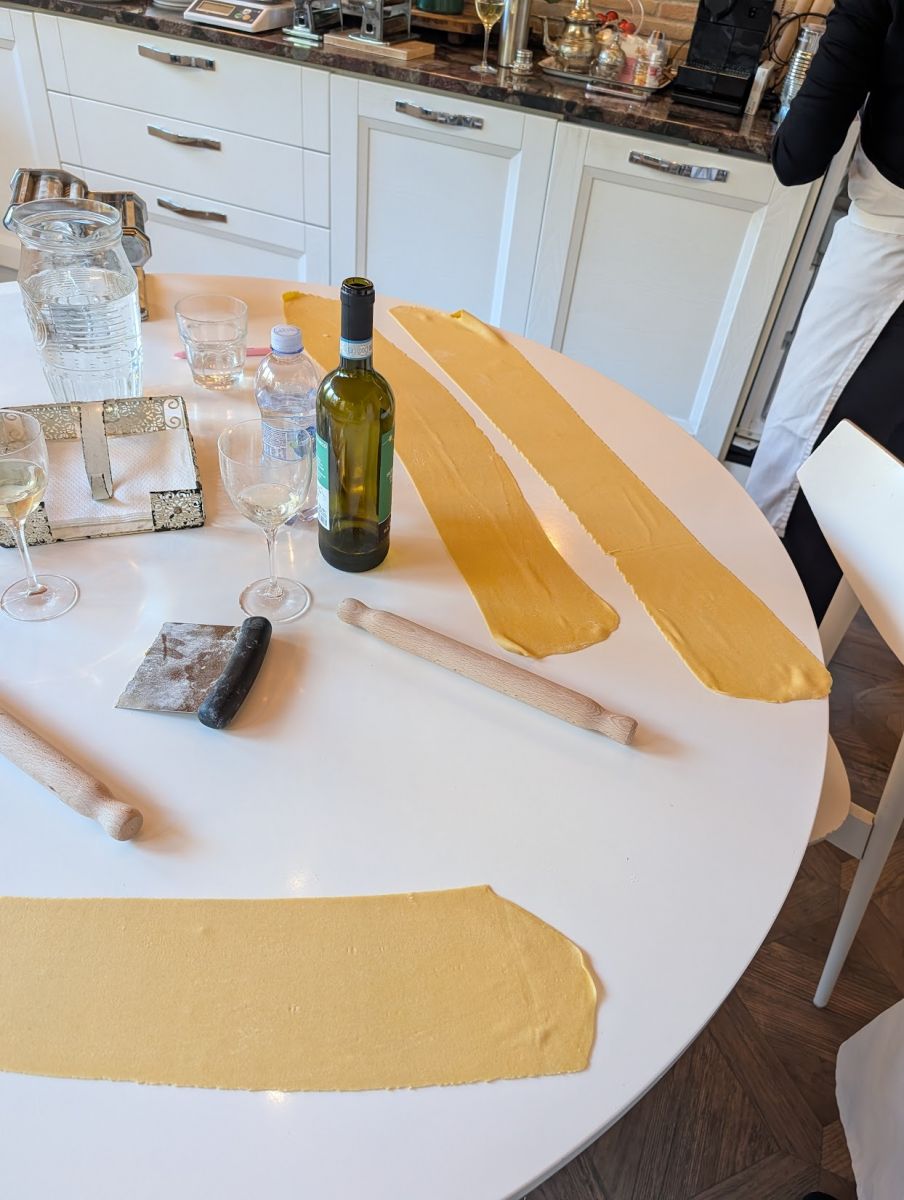
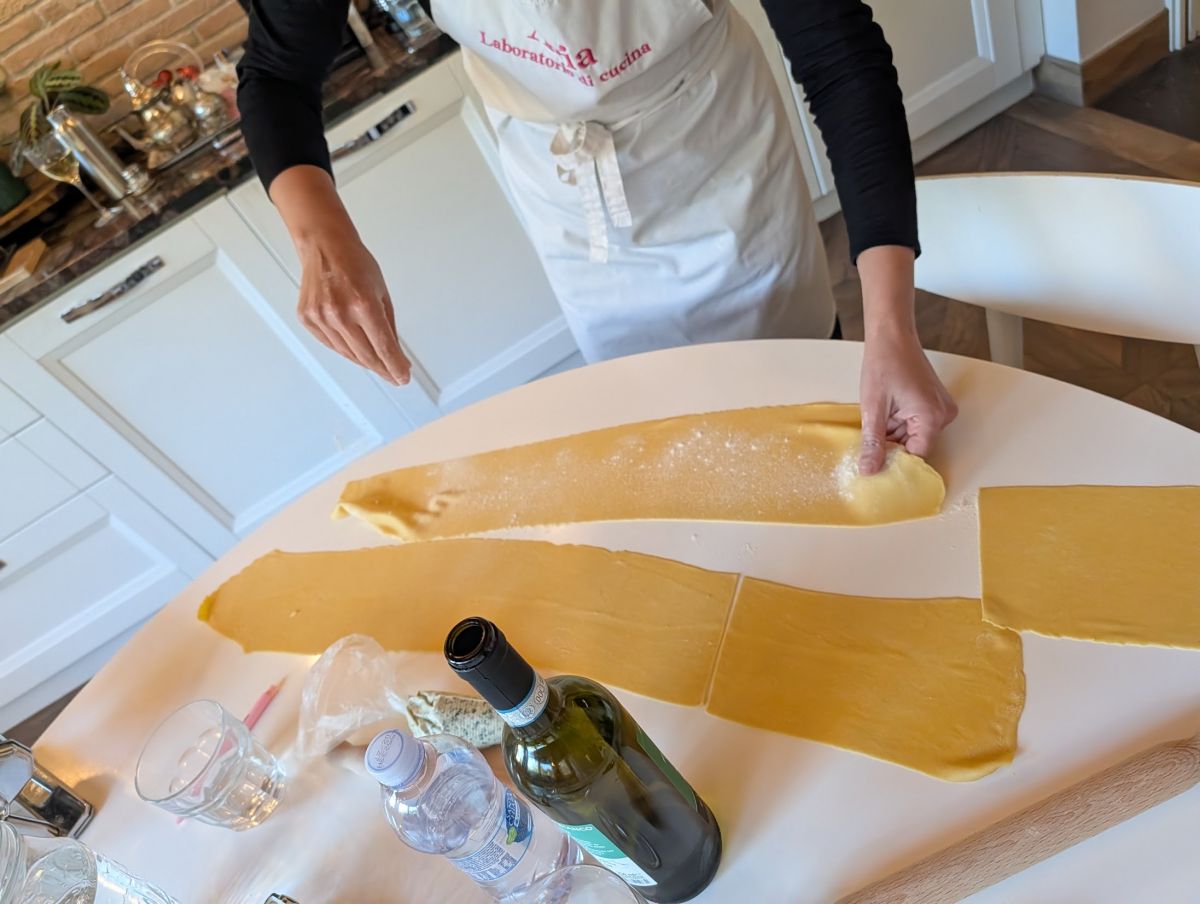
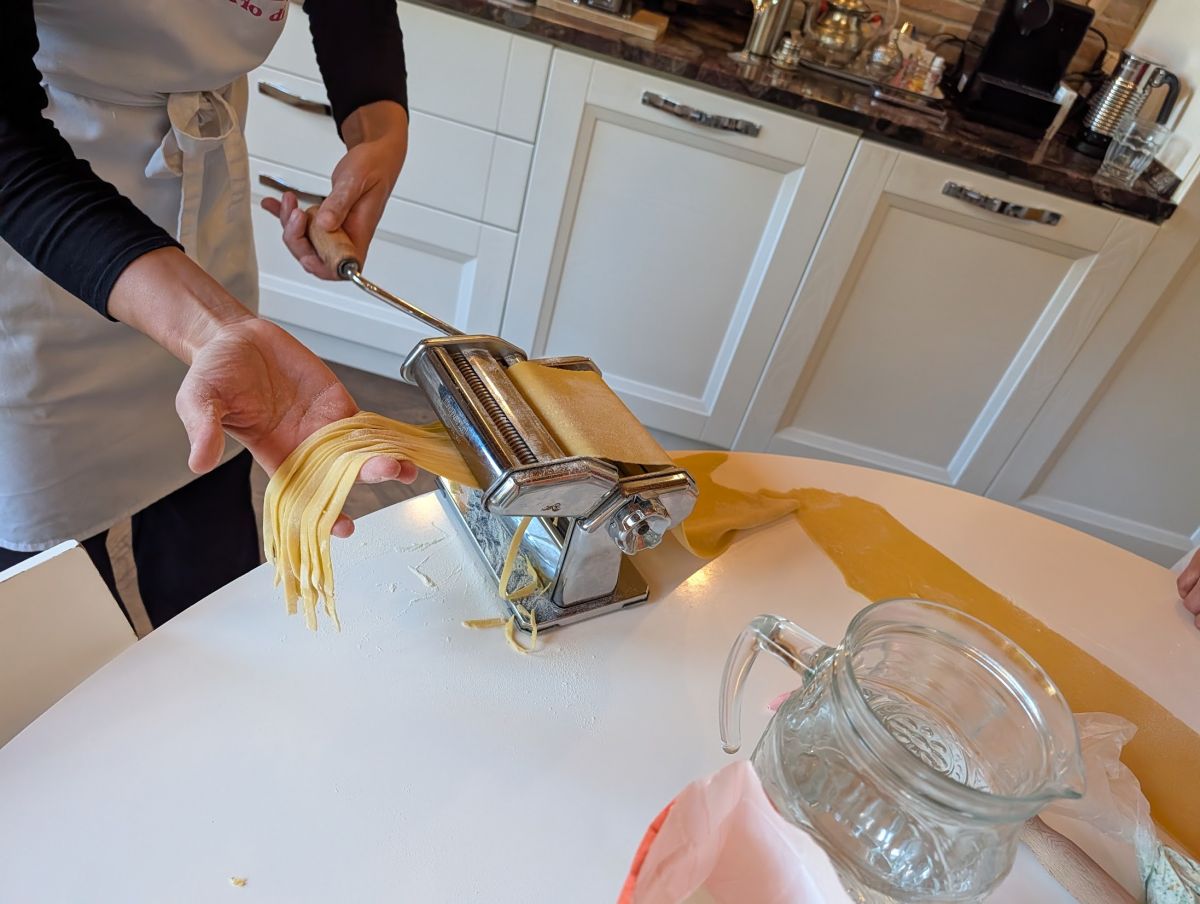
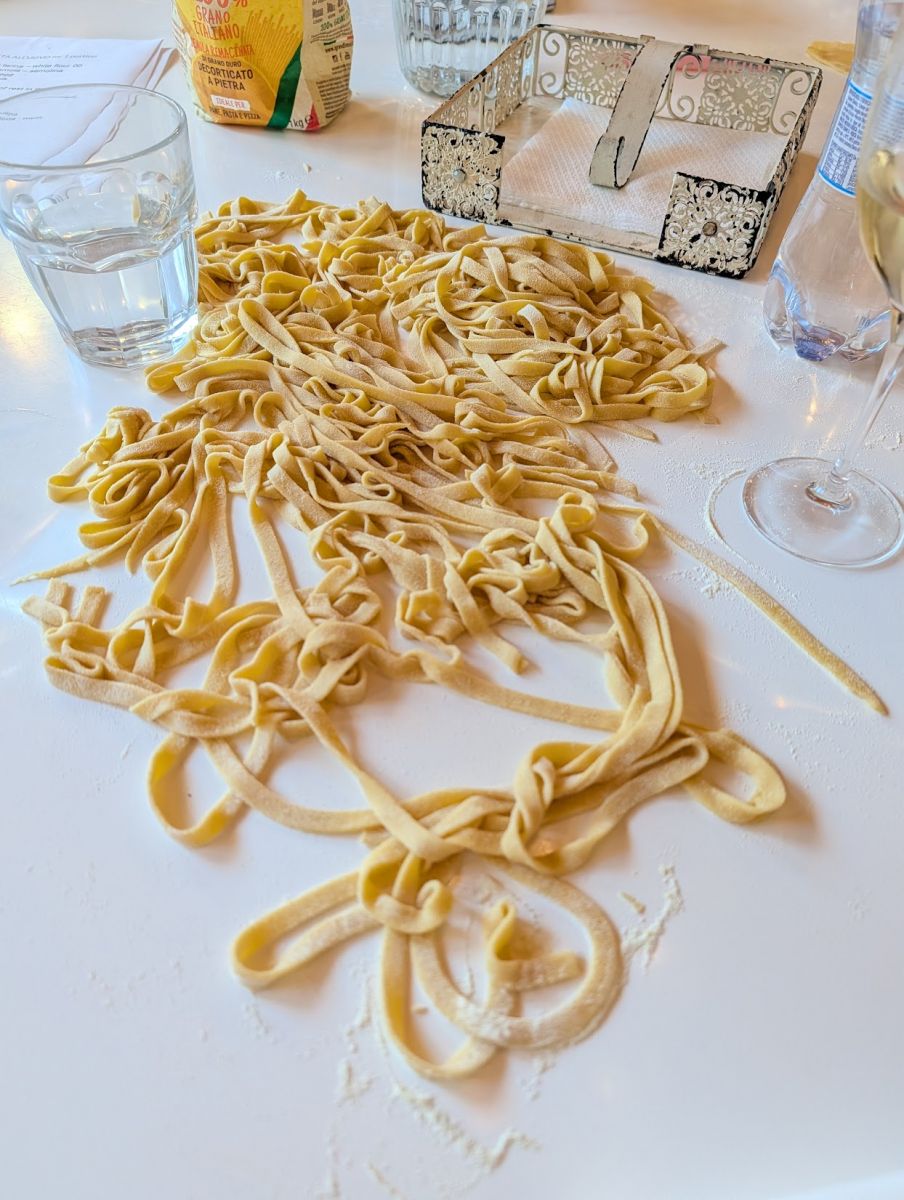
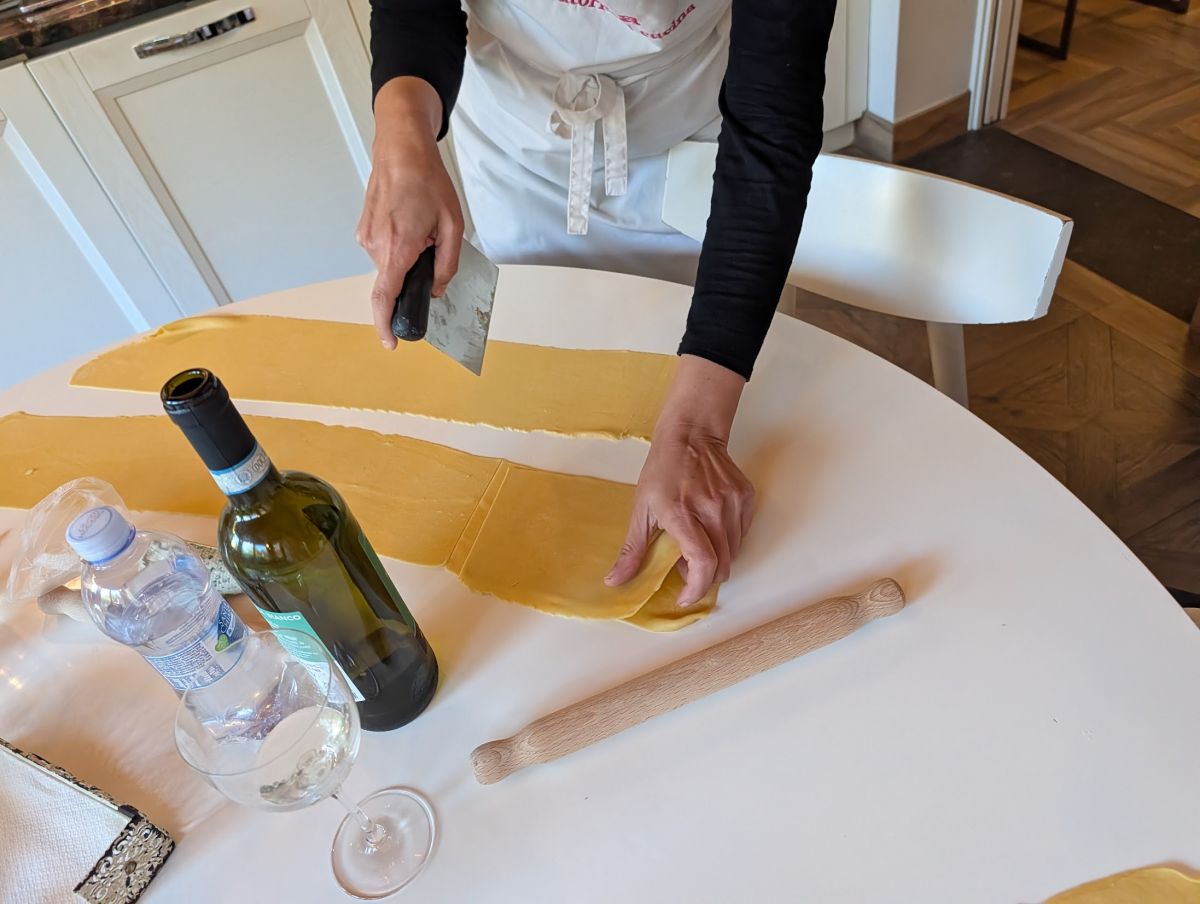
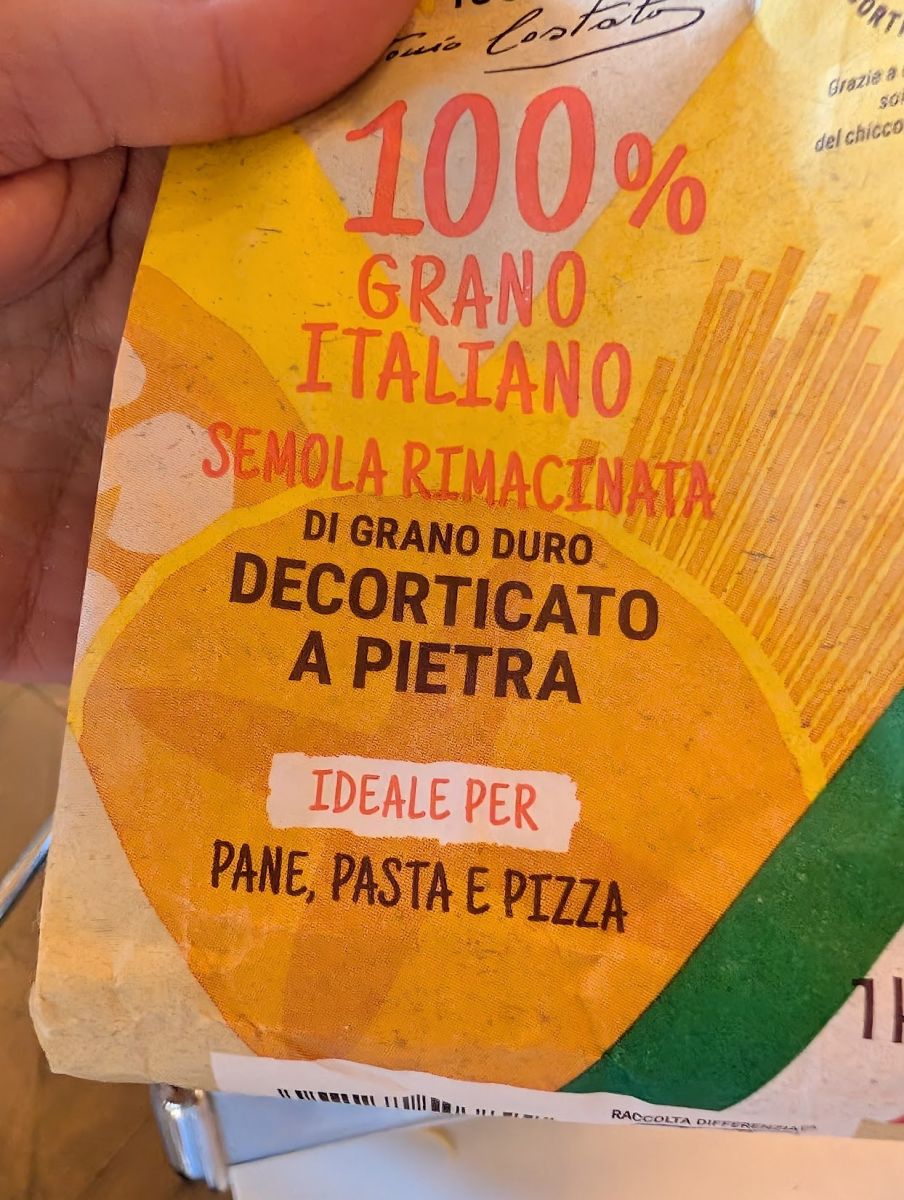
Once the pasta dough was done resting, we rolled it out a bit then passed through the pasta rollers, starting at position 0 and continuing through position 4. We used some of the rolled pieces for ravioli, and the rest went through the fettuccini attachment on the pasta rollers.
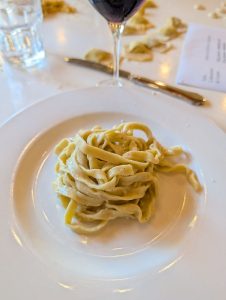
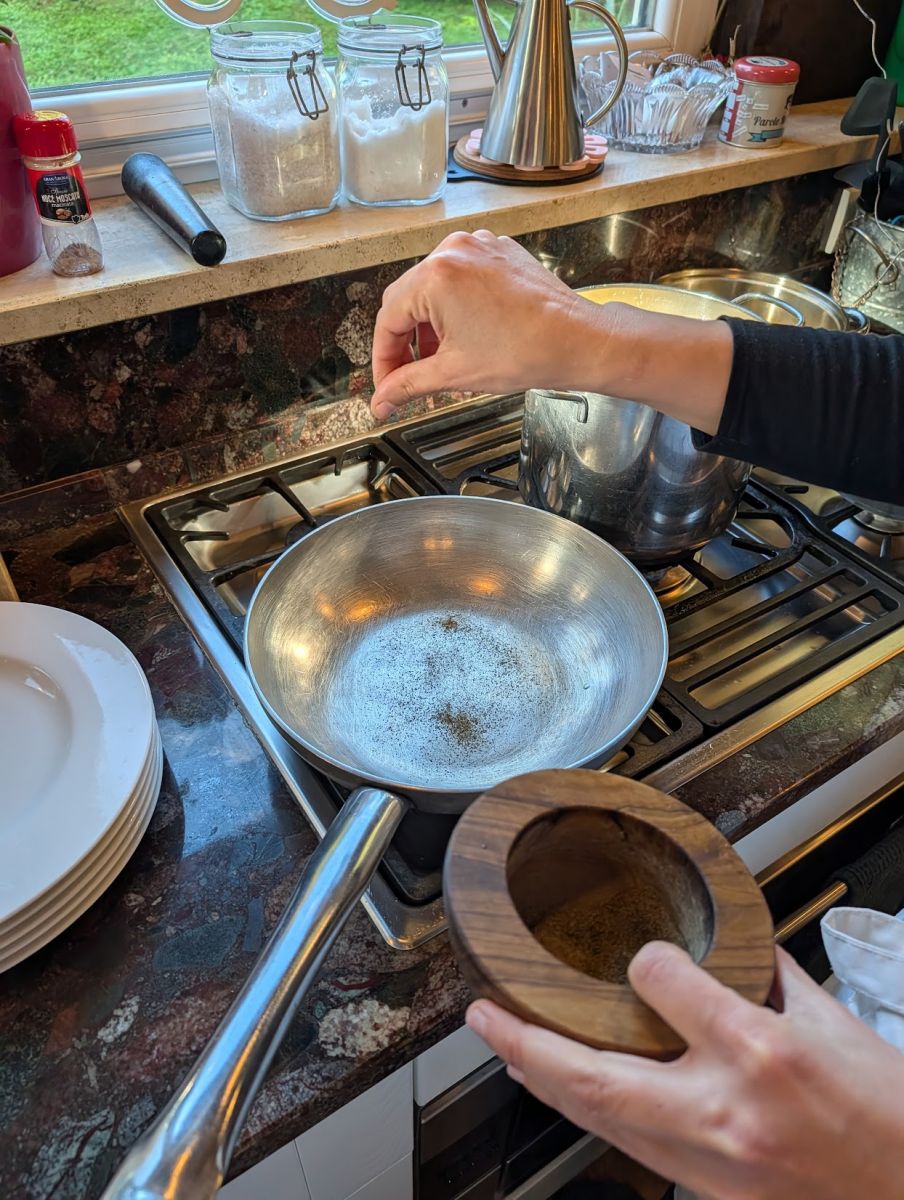
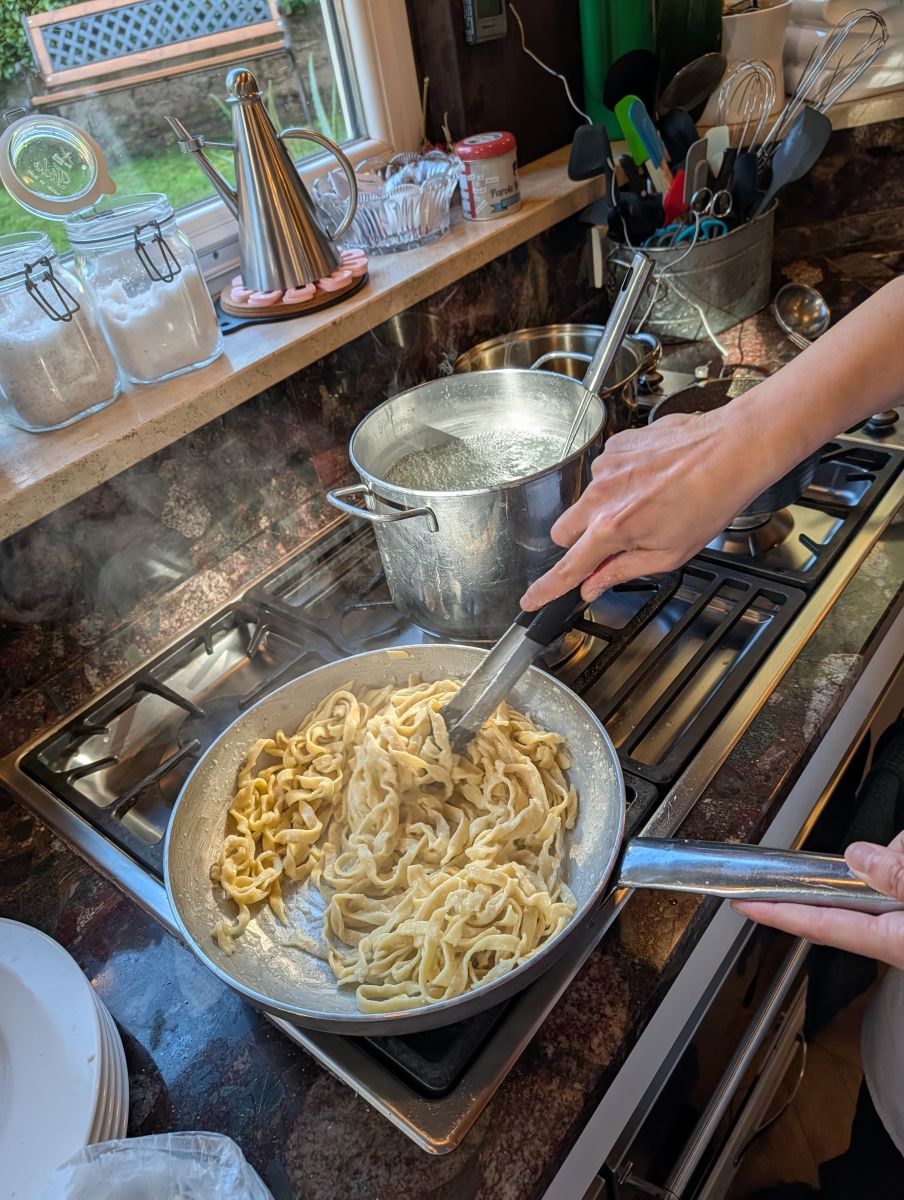
We used the fettuccini to make cacio e pepe, a famous Roman pasta dish that’s simple in theory, but tricky to pull off if you’re not careful. It turned out perfect, with a creamy sauce (that contains zero cream…if you see a recipe that includes cream, it’s not traditional and should be skipped!)
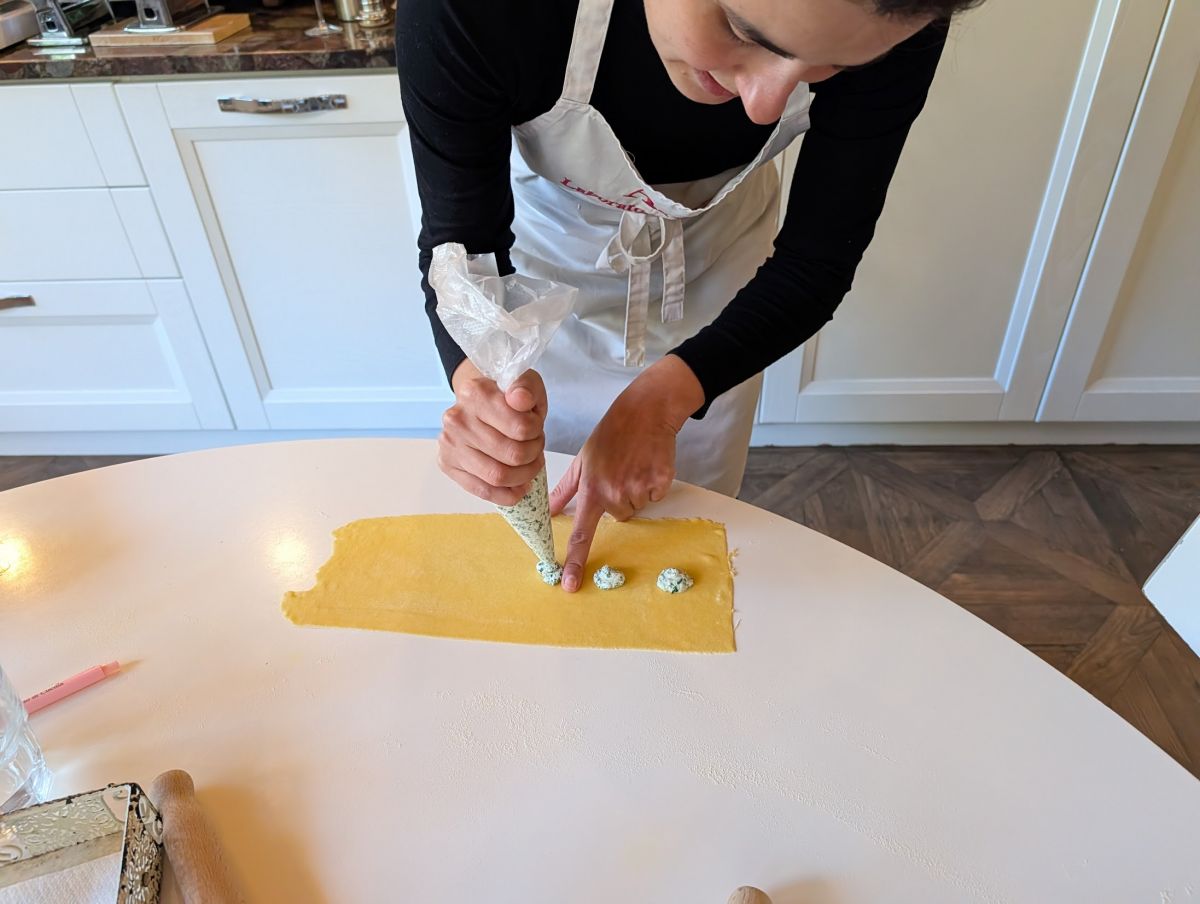
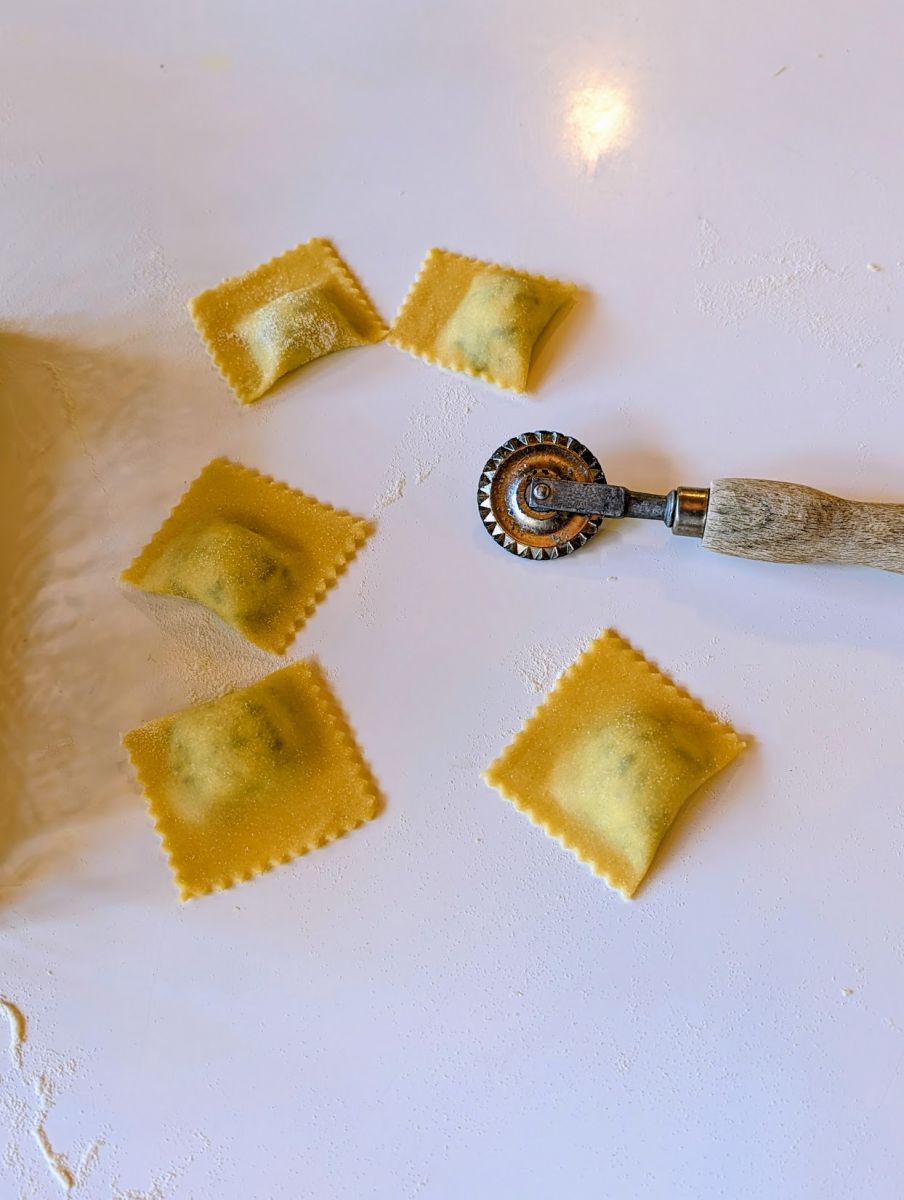
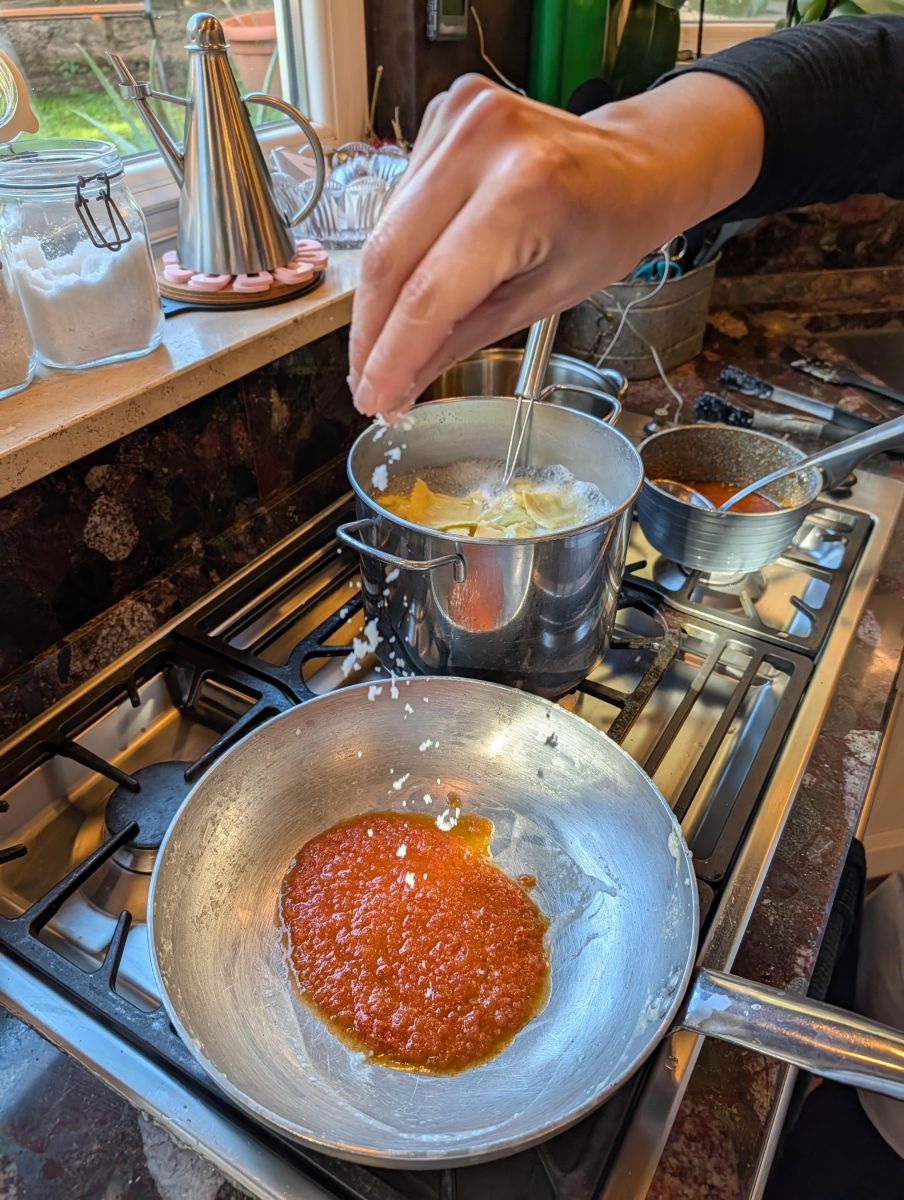
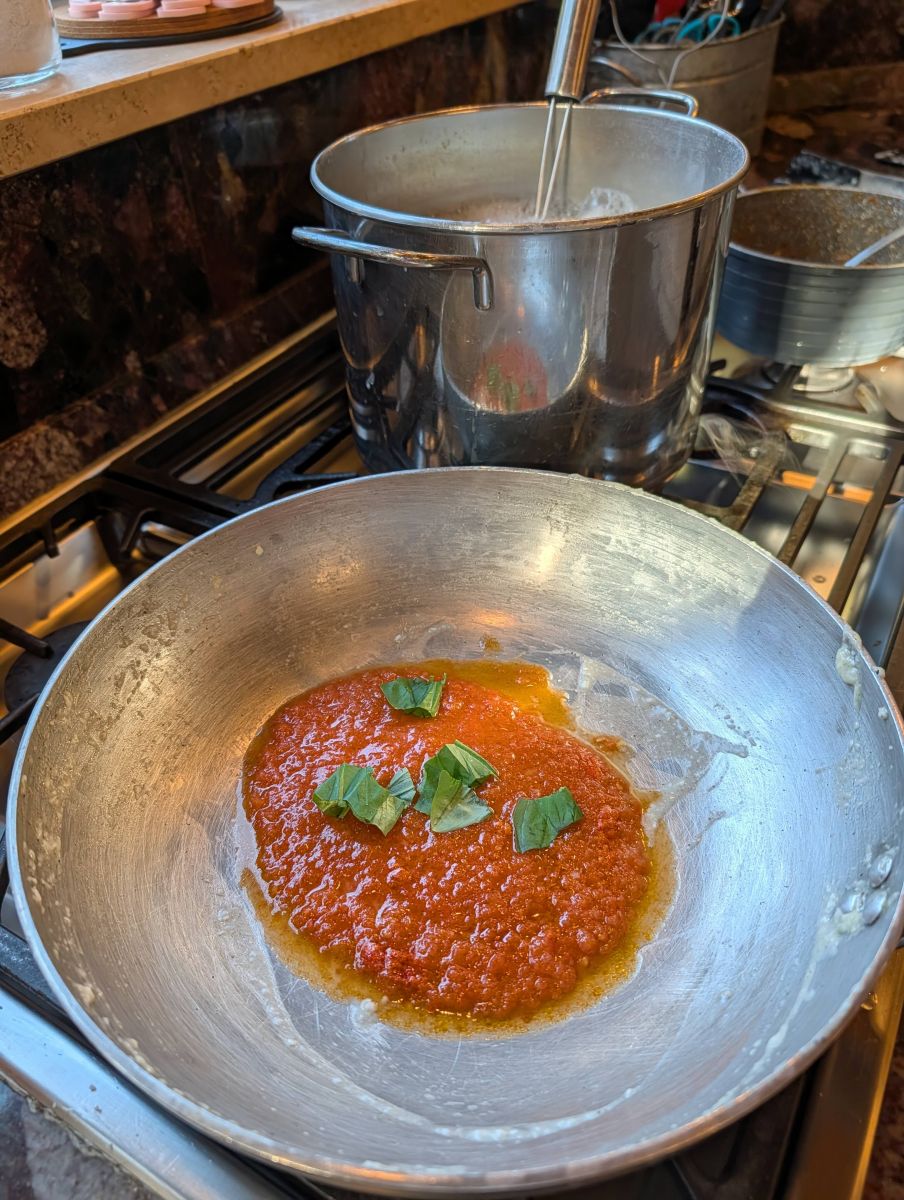
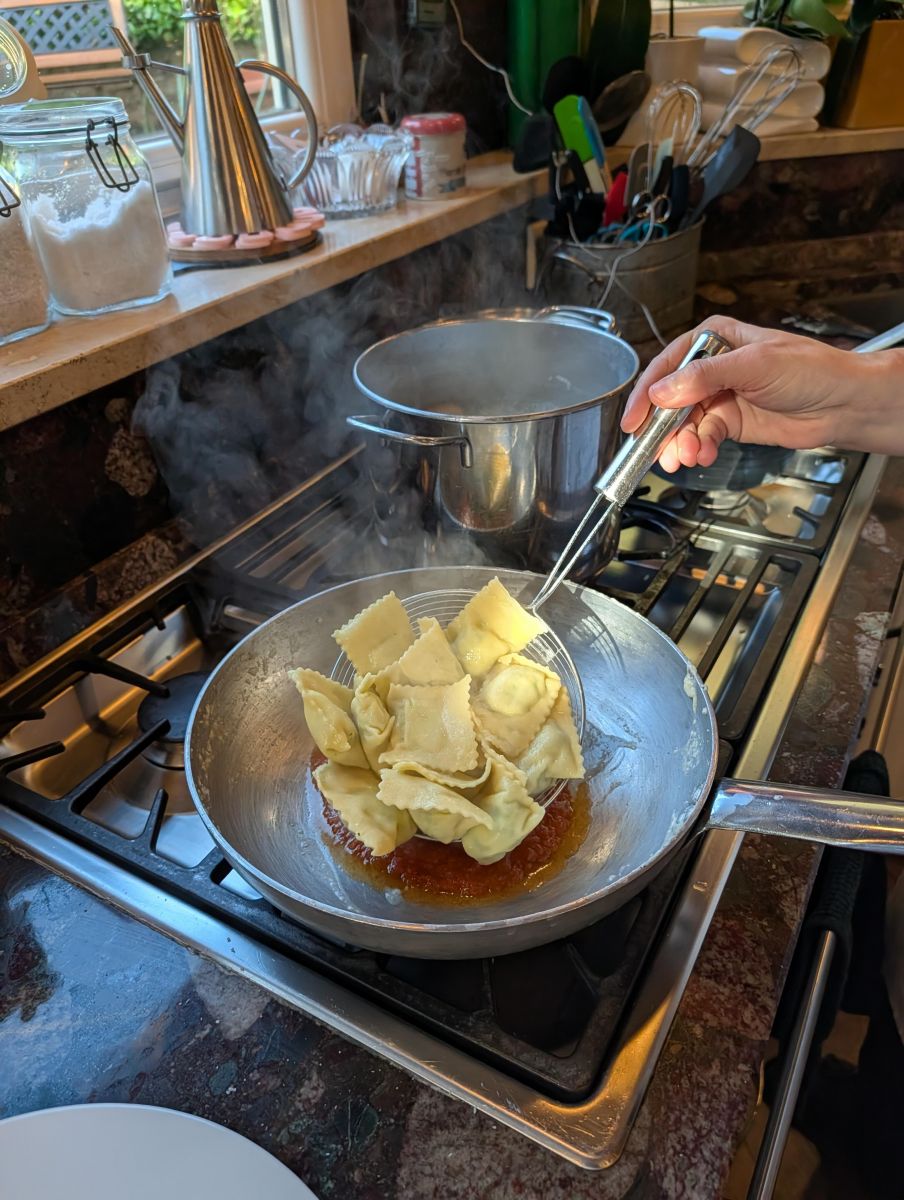
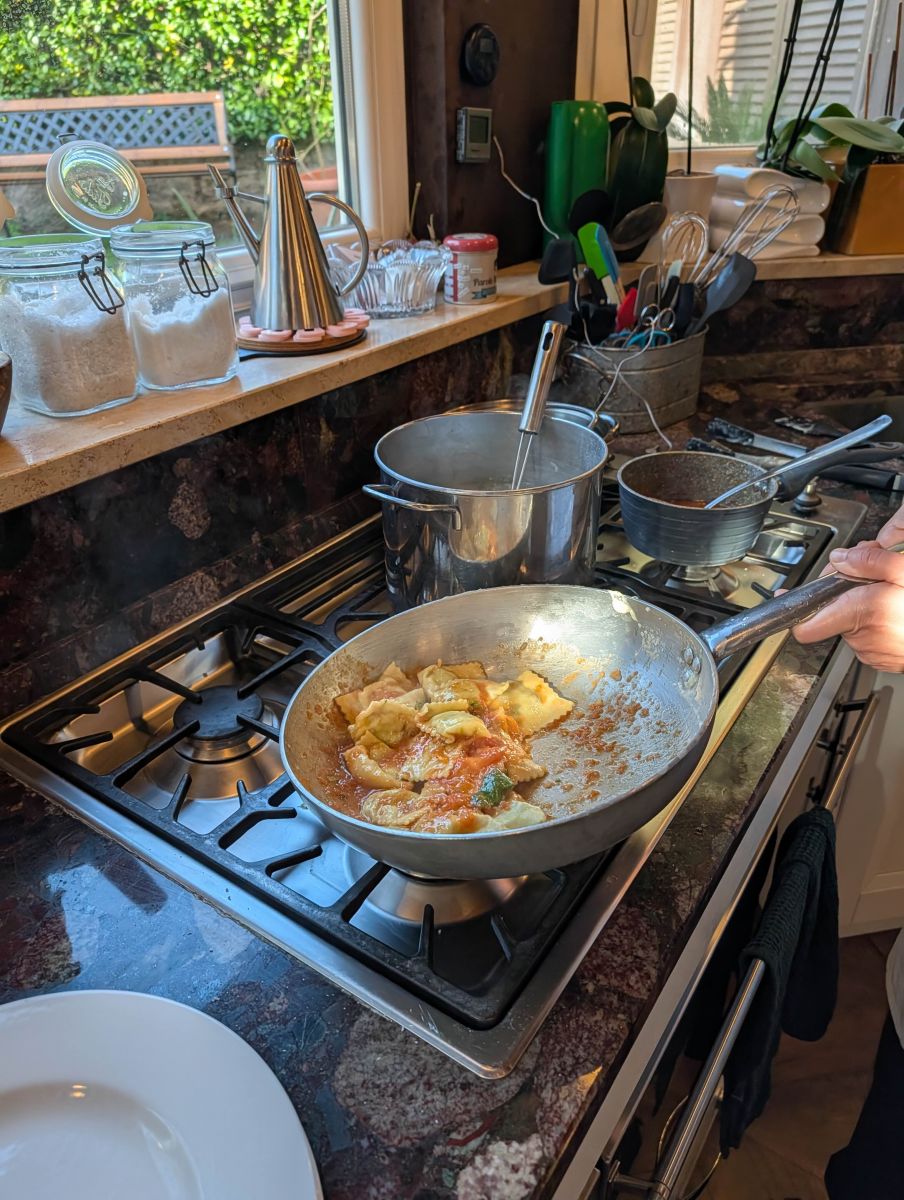
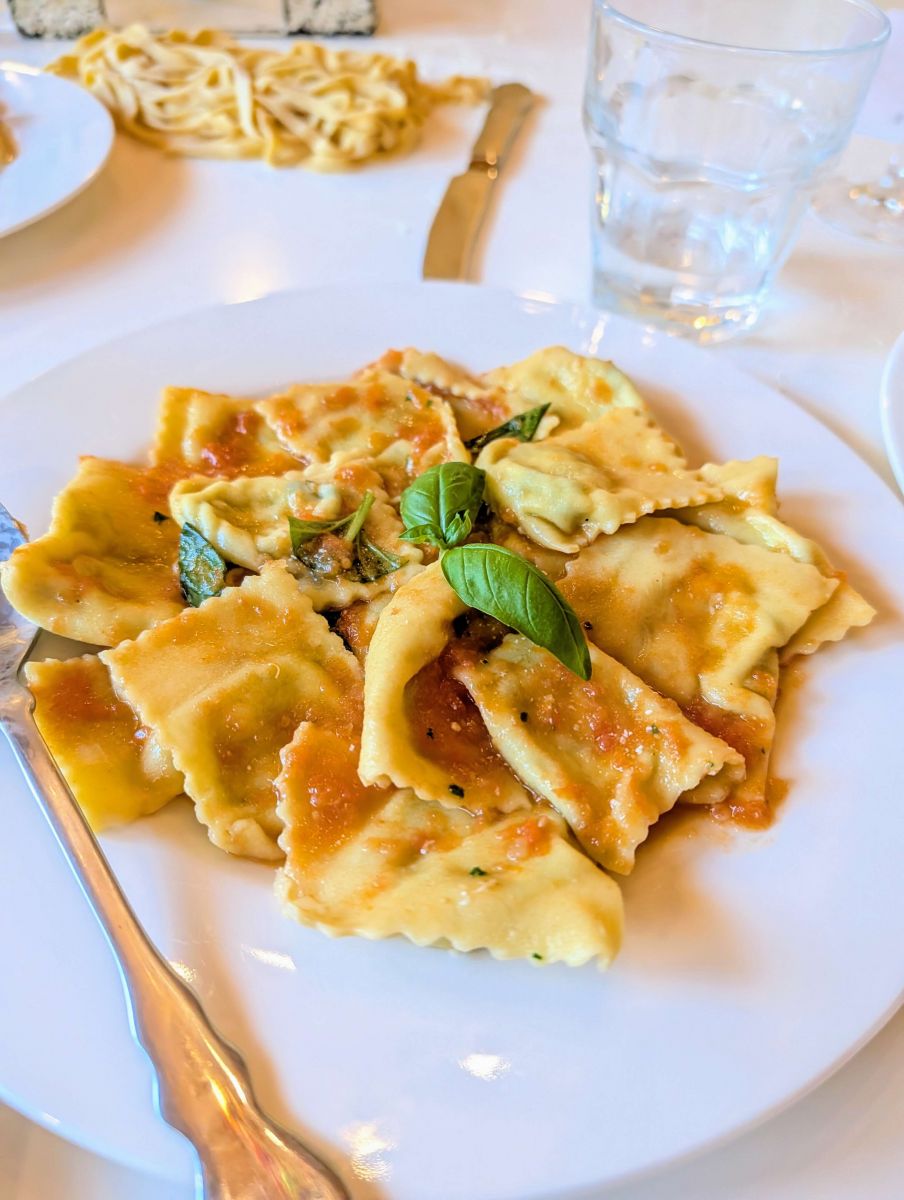
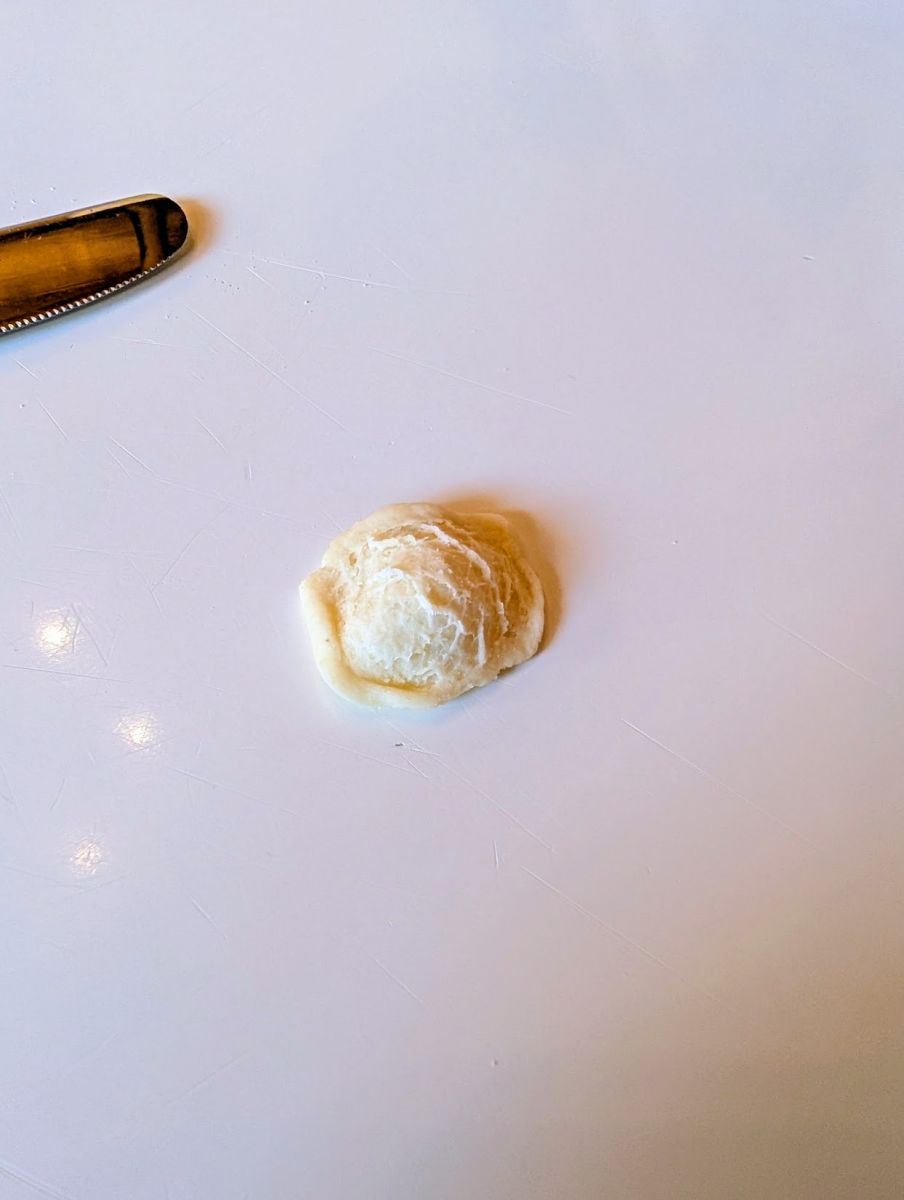
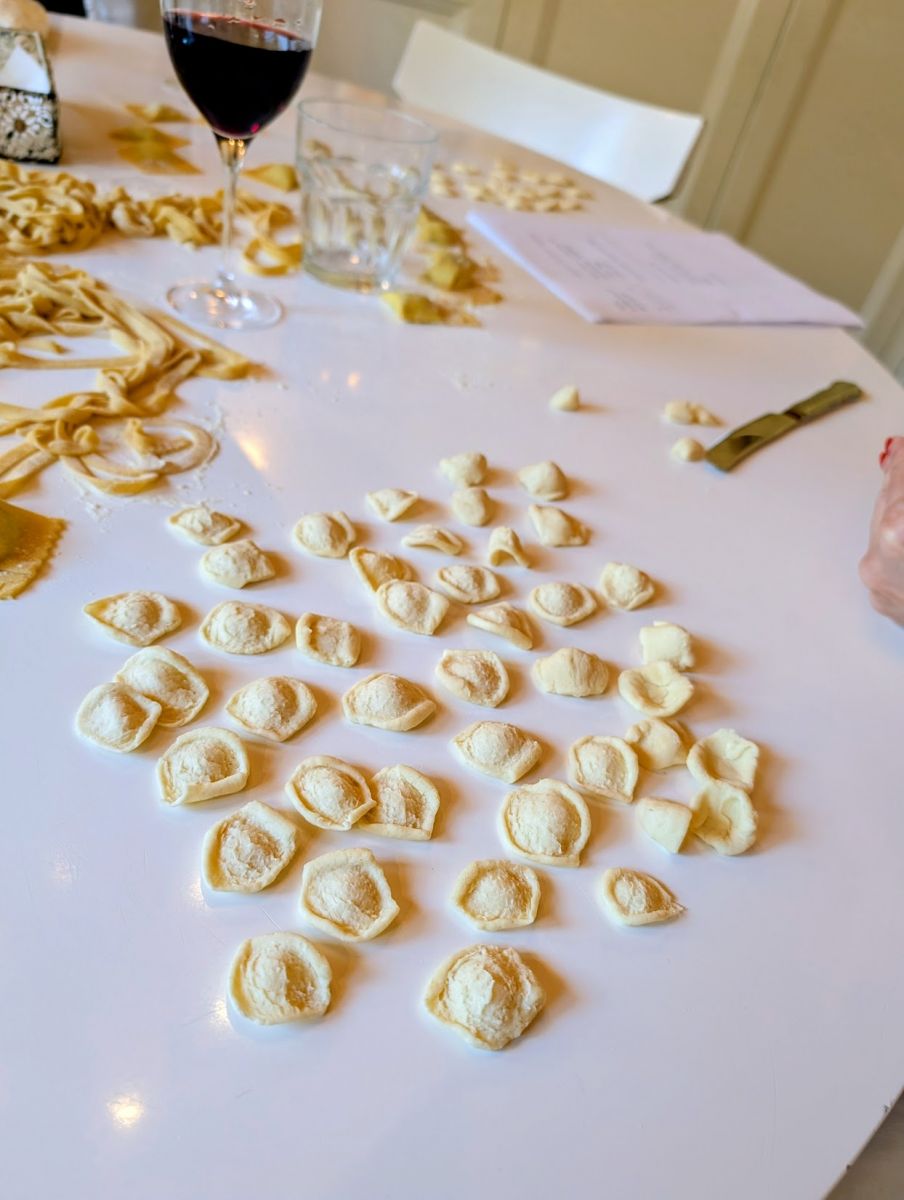
After the cacio e pepe, we finished cooked the spinach ravioli and finished it in the sauce with some basil. The ravioli was delicious. After the ravioli, we cooked the orecchiette, which was also fantastic.
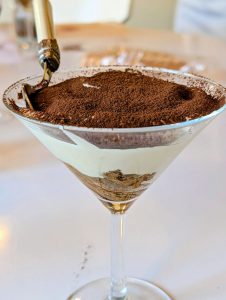
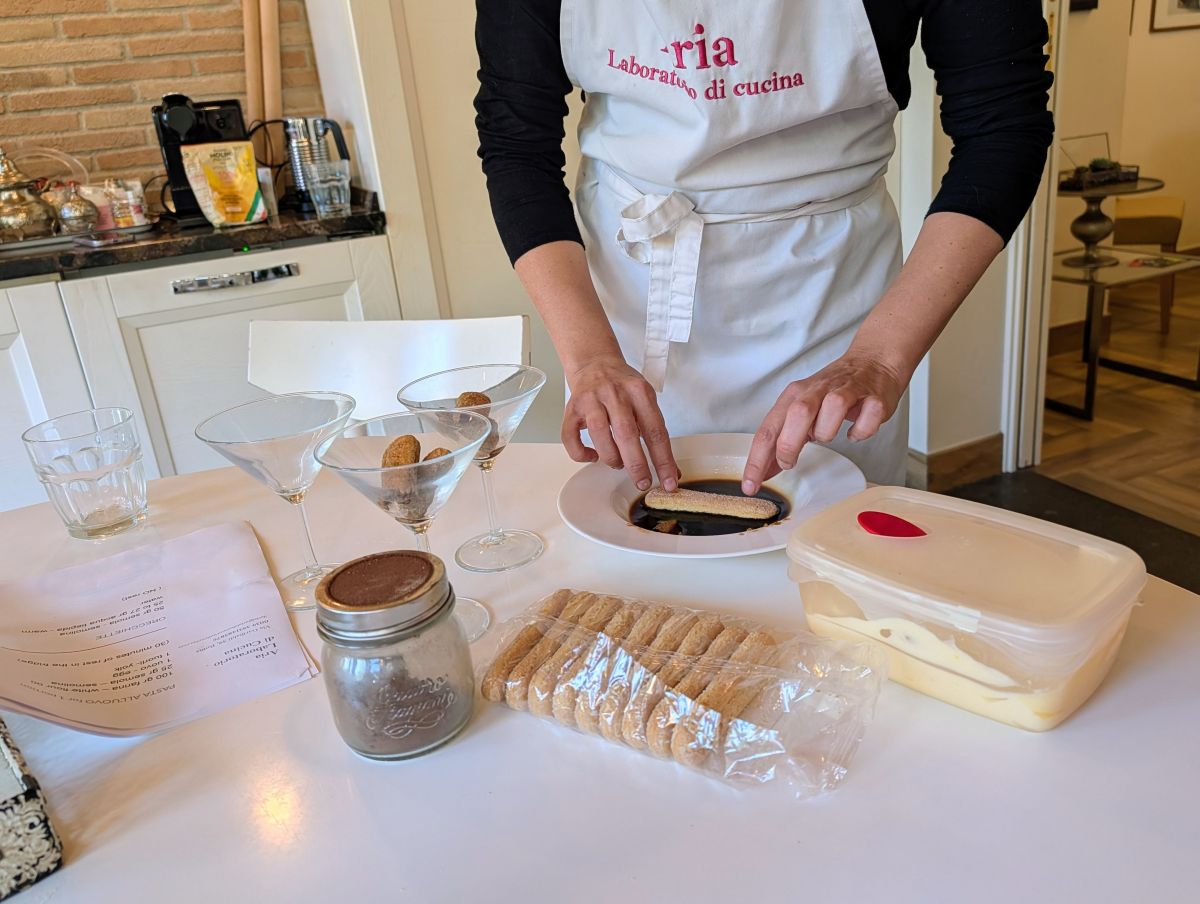
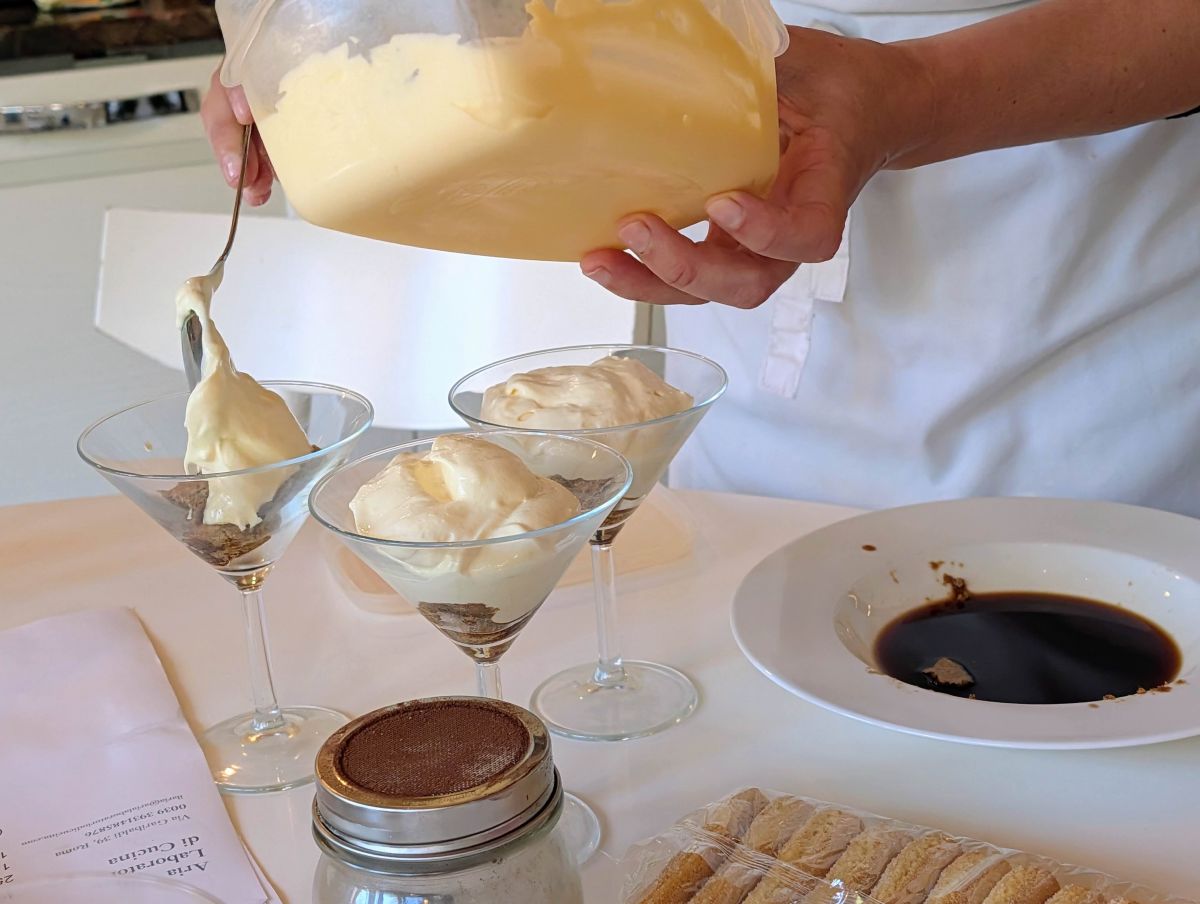
Finally, after eating three different pasta dishes (and wine, the entire time), we made tiramisu, which was a perfect finish to the morning/early afternoon.
Ilaria asked us where we’d eaten while in Rome, and was surprised that two of the restaurants were places her family enjoys and are not considered tourist spots. (Emma Pizzeria Restaurant and Sora Margherita). She also liked our choice of gelateria (Fatomorgana, which also has a location in Trastevere, but we had visited the Chiavari location.)
Making the Dough (Photos)
Making the Sauce (Photos)
Making the Fried Veggies (Photos)
Making the Cacio e Pepe (Photos)
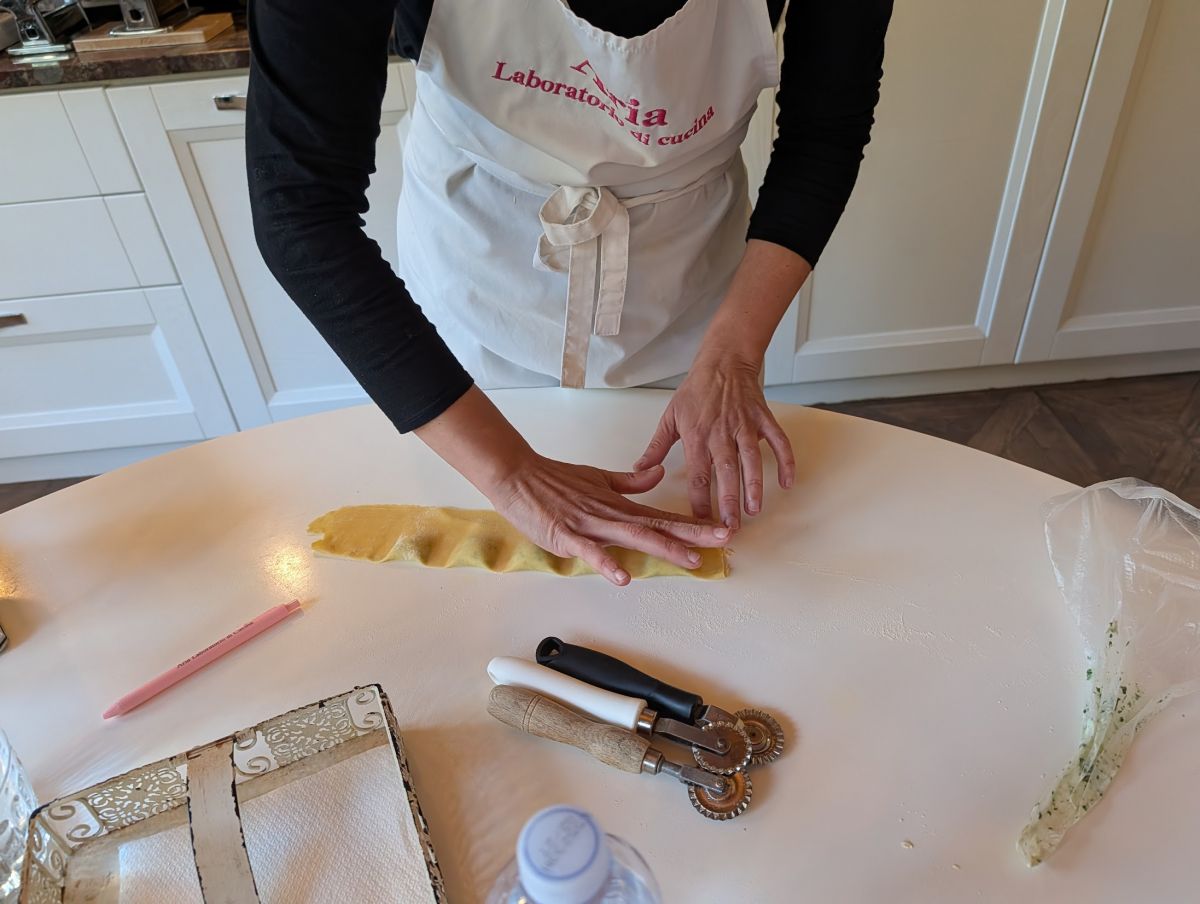
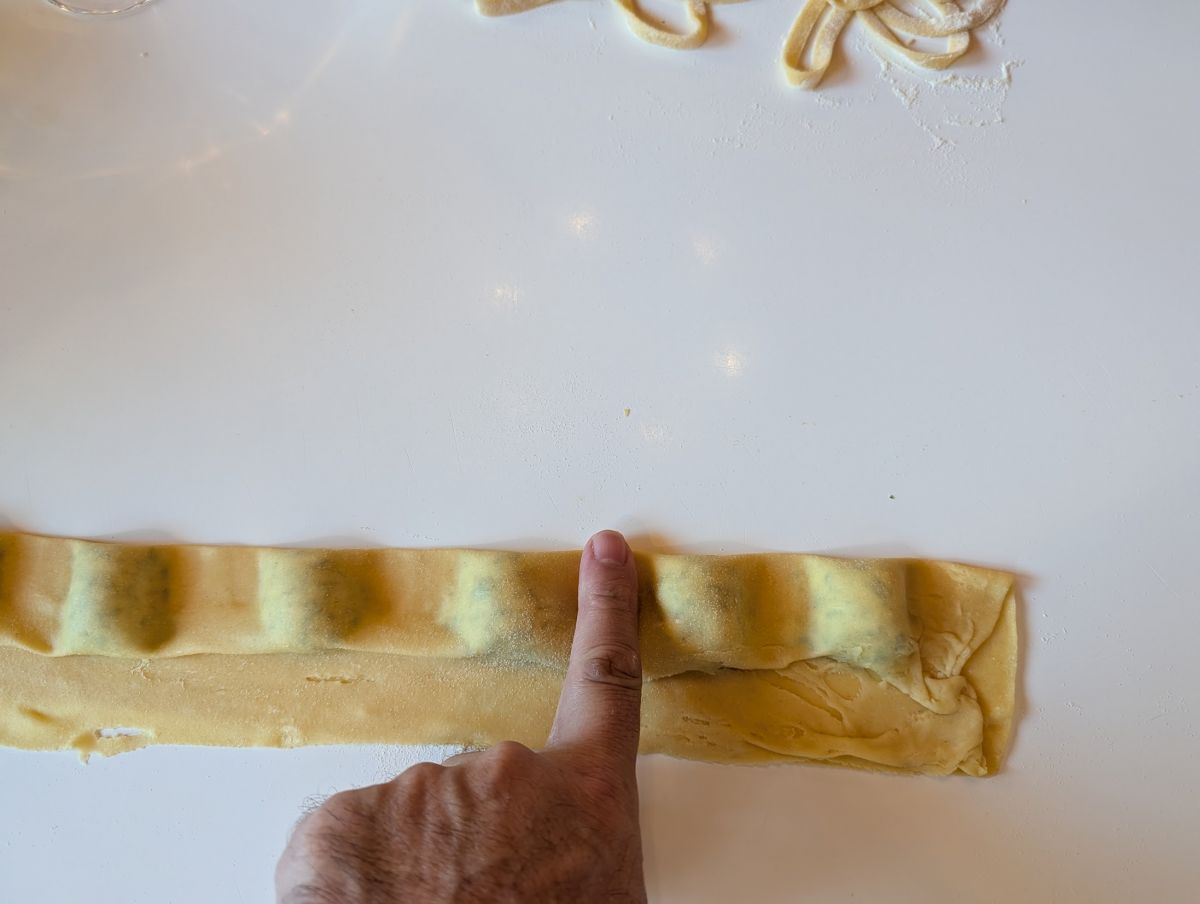
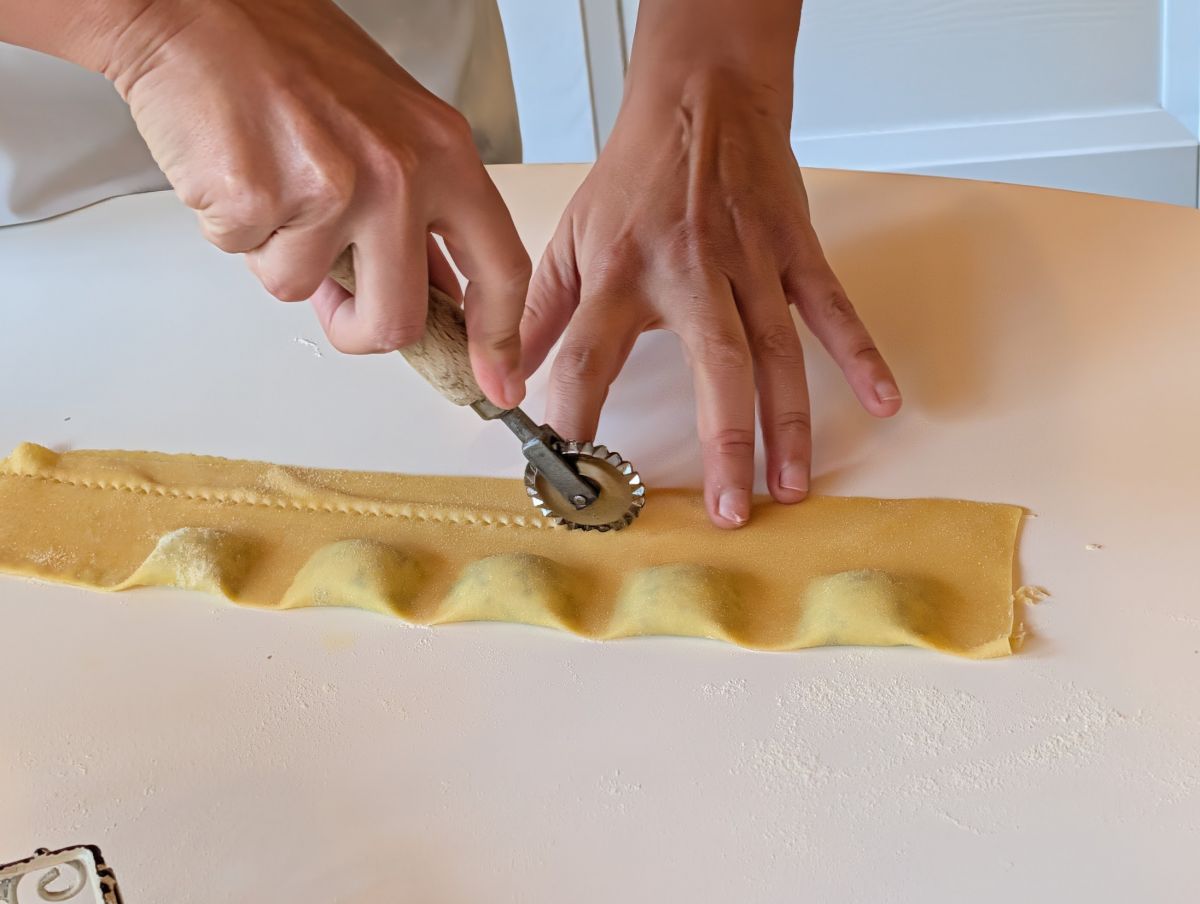
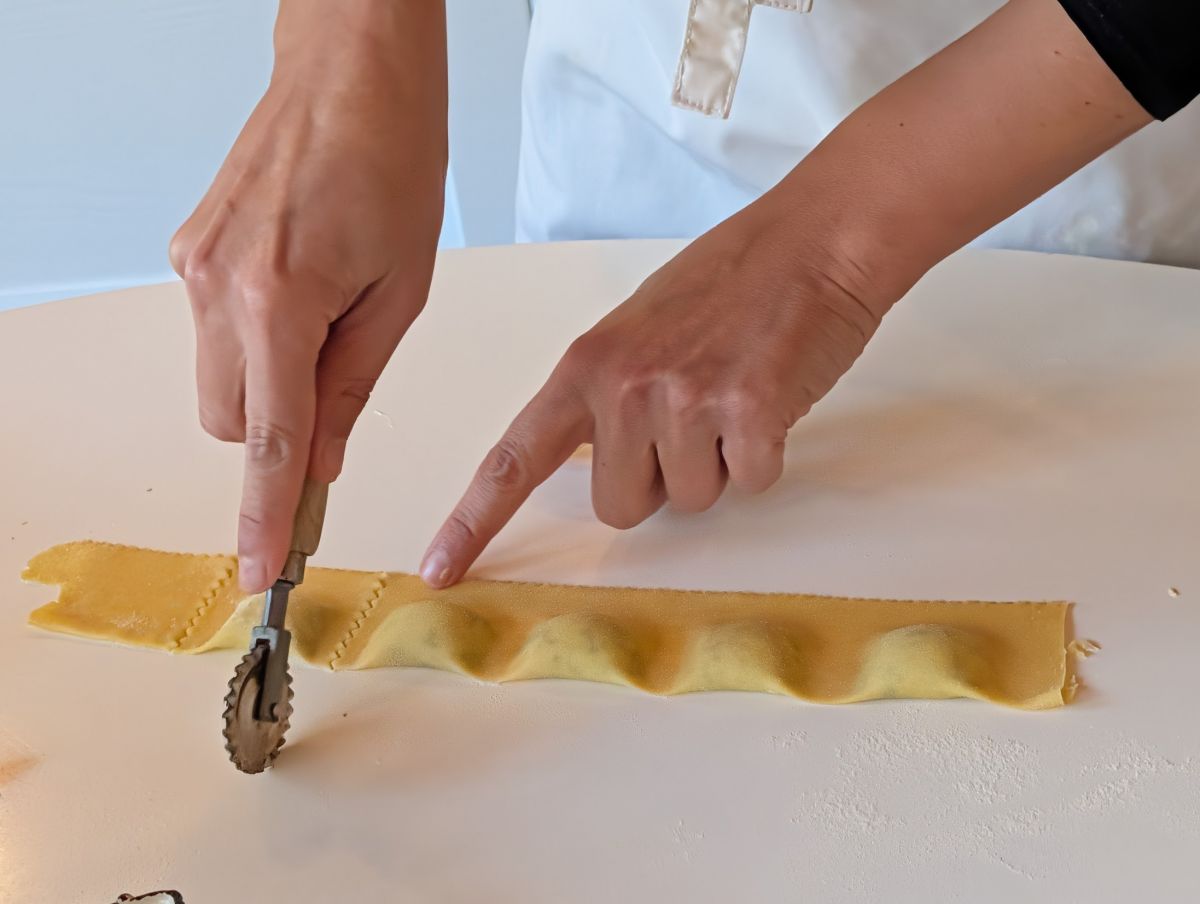
Making the Ravioli (Photos)
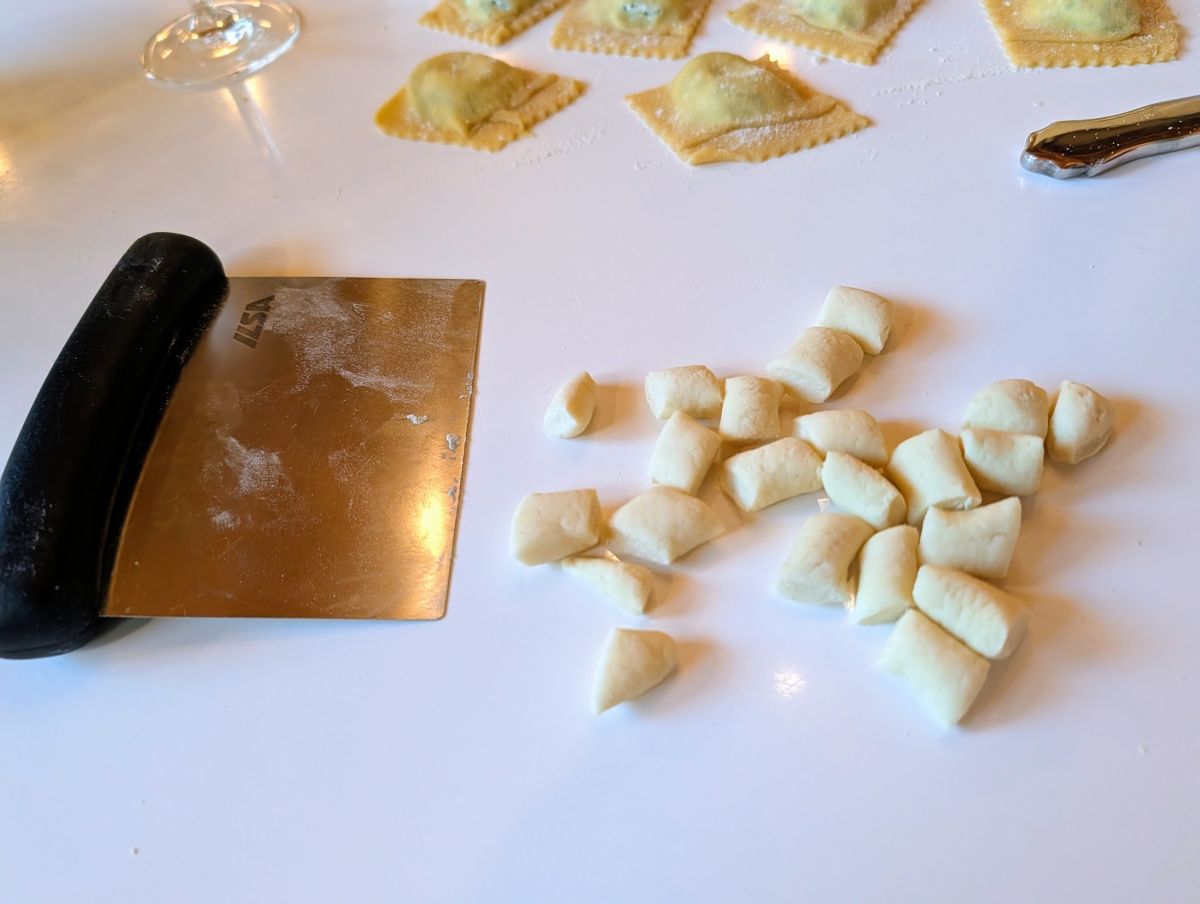
Making the Orecchiette (Photos)
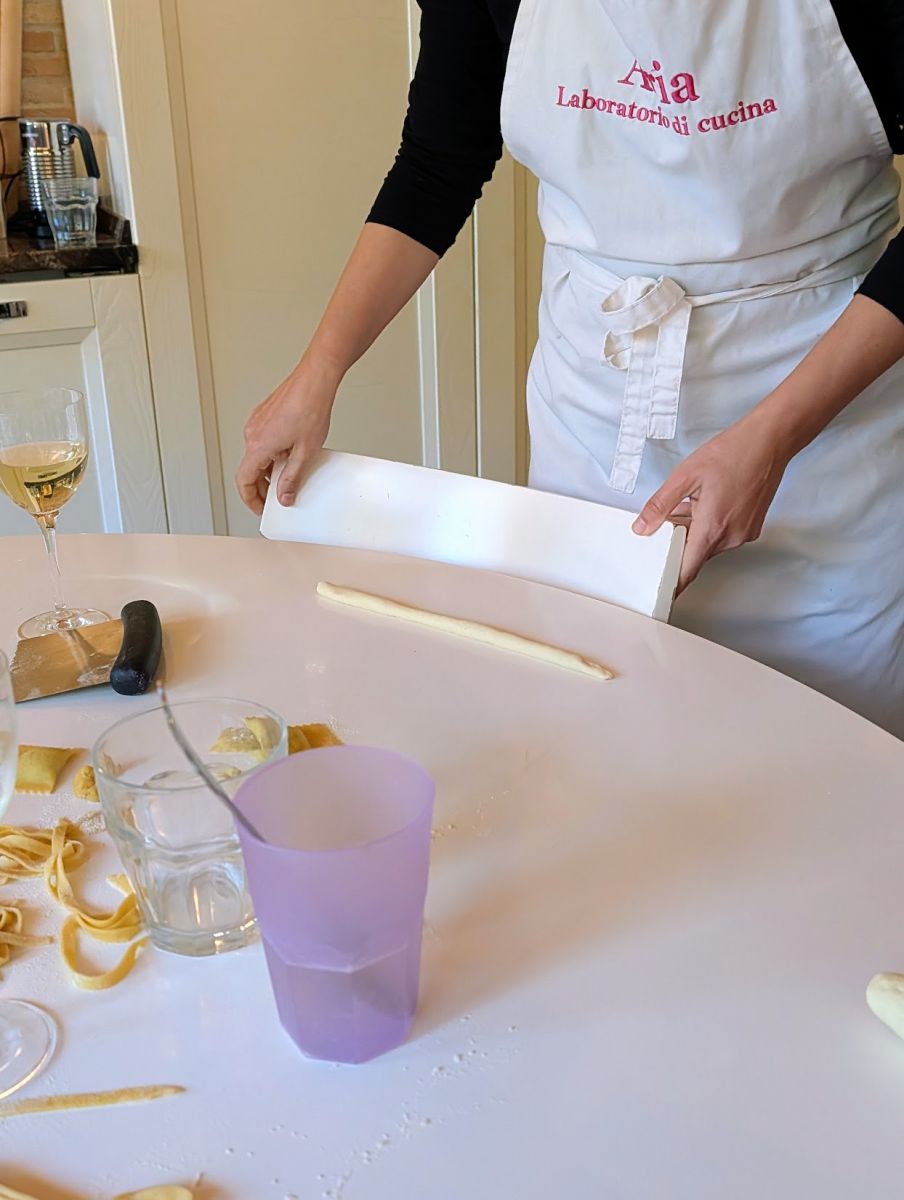
Video Showing How to Roll Out the Dough for Orecchiette
Video Showing How to Form the Orecchiette
Making the Tiramisu (Photos)
Video – Soaking the Lady Fingers for Tiramisu
Video – Adding the Whipped Cream to the Tiramisu
Remaining Photos from the Cooking Class
Largo di Torre Argentina
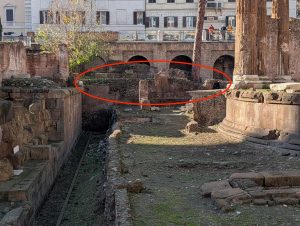
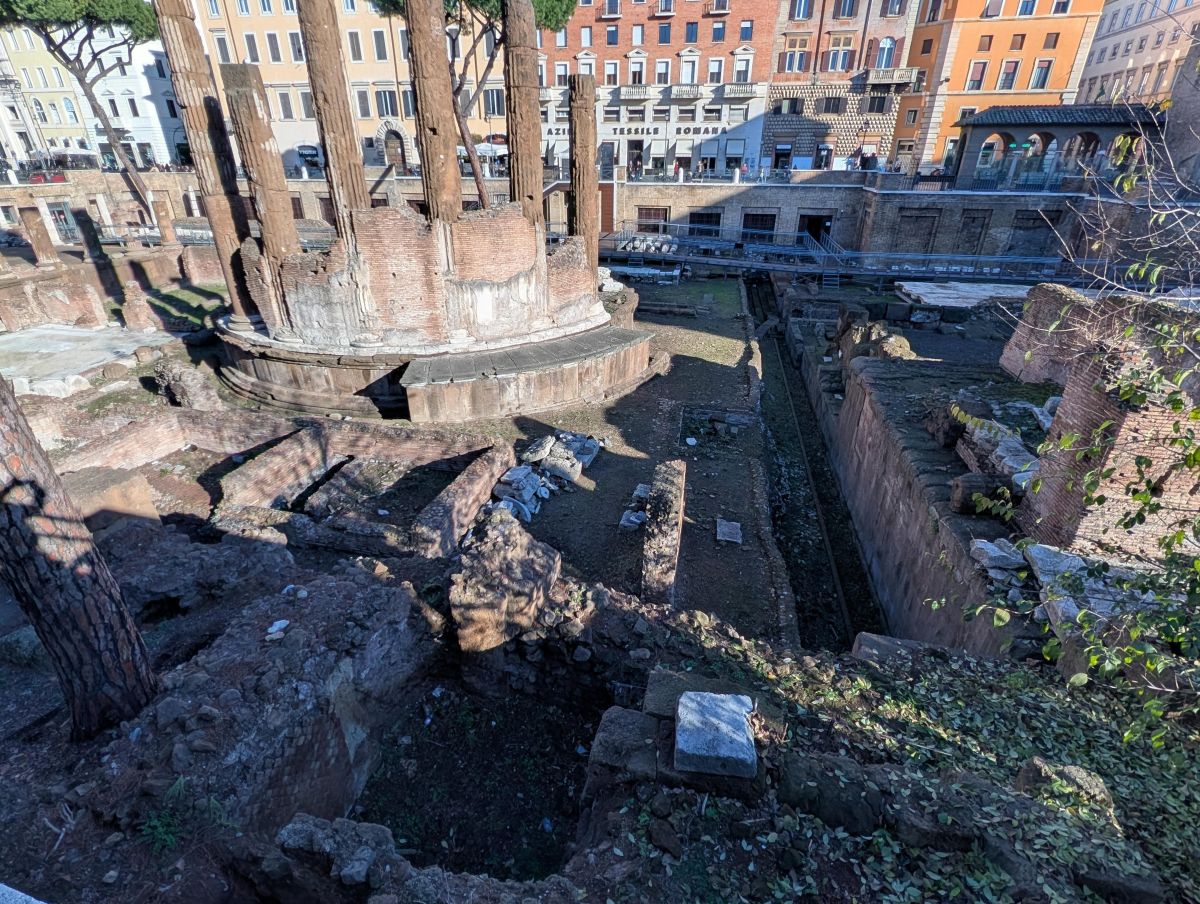
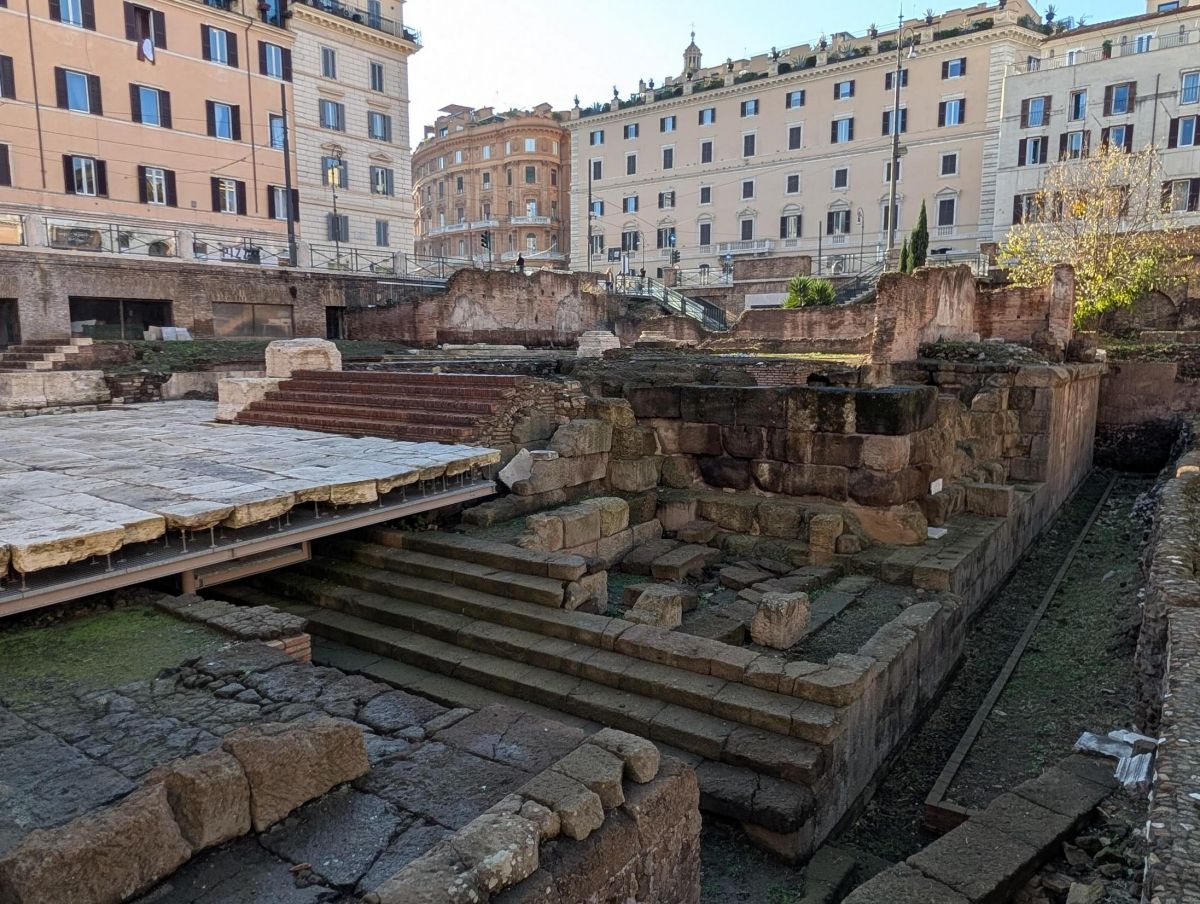
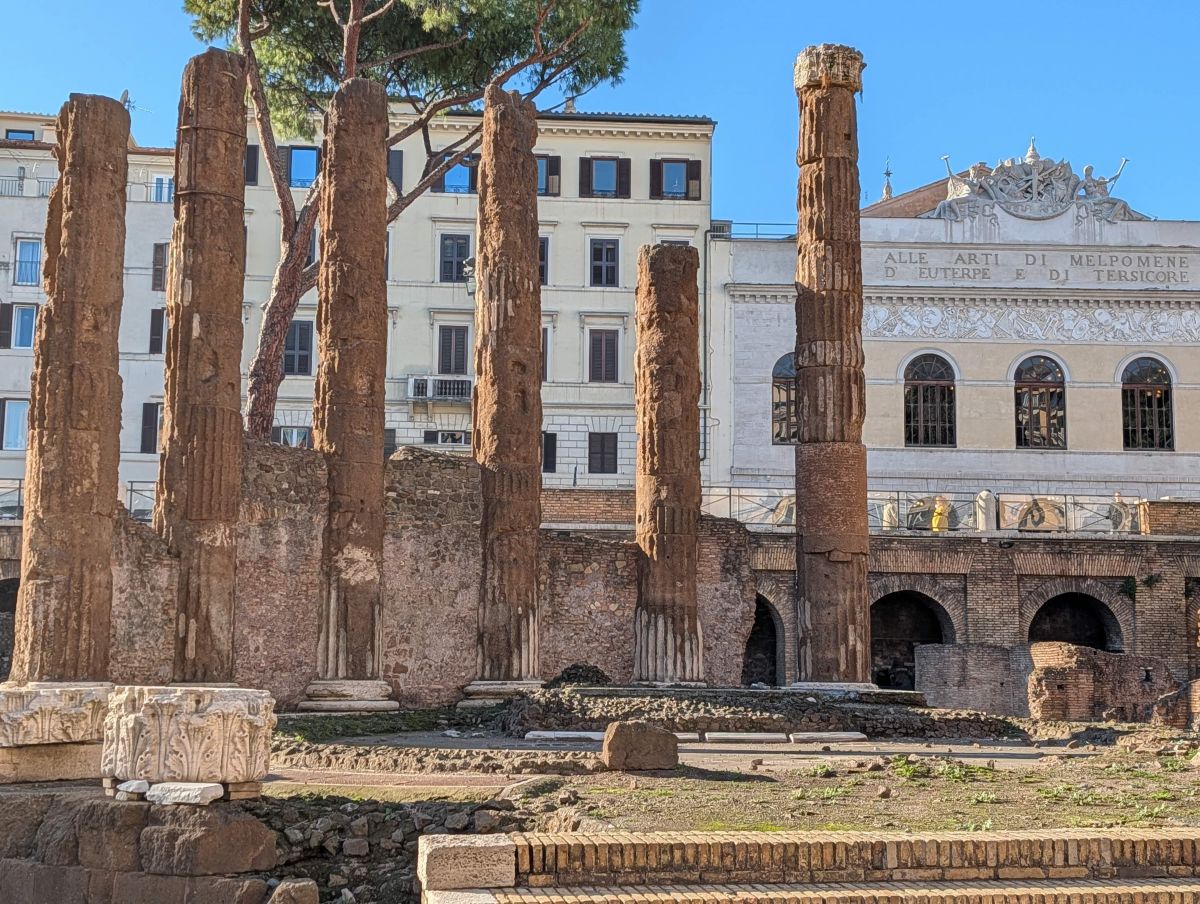
After wandering through Trastevere and stopping into a local jewelry maker to pick up a couple items, we headed for Largo di Torre Argentina, an archeological site containing ruins of several temples as well as part of the Curia di Pompeo (Curio of Pompey), which is the building in which Julius Caesar was stabbed 23 times, killing him, on the Ides of March.
The actual spot where Caesar was assassinated is underneath the square above the site. The back end of the building is visible in the site, but he was likely stabbed closer to the center of the building, which is covered by the square (and may no longer exist).
Fun fact: Julius Caesar never said “Et tu, Brute?” when he was stabbed. That line is an invention of William Shakespeare for his play Julius Caesar. There are conflicting reports whether Caesar said anything at all, with Suetonius mentioning a rumor that he said “ista quidem vis est!” (“Why, this is violence!”) when his toga was ripped off, signaling the start of the attack. Another account, attributed to Cassius Dio, claims Caesar said “καὶ σύ, τέκνον” (“You too, my child?”) in Greek. Plutarch, however, said Caesar said nothing.
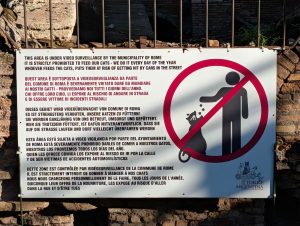
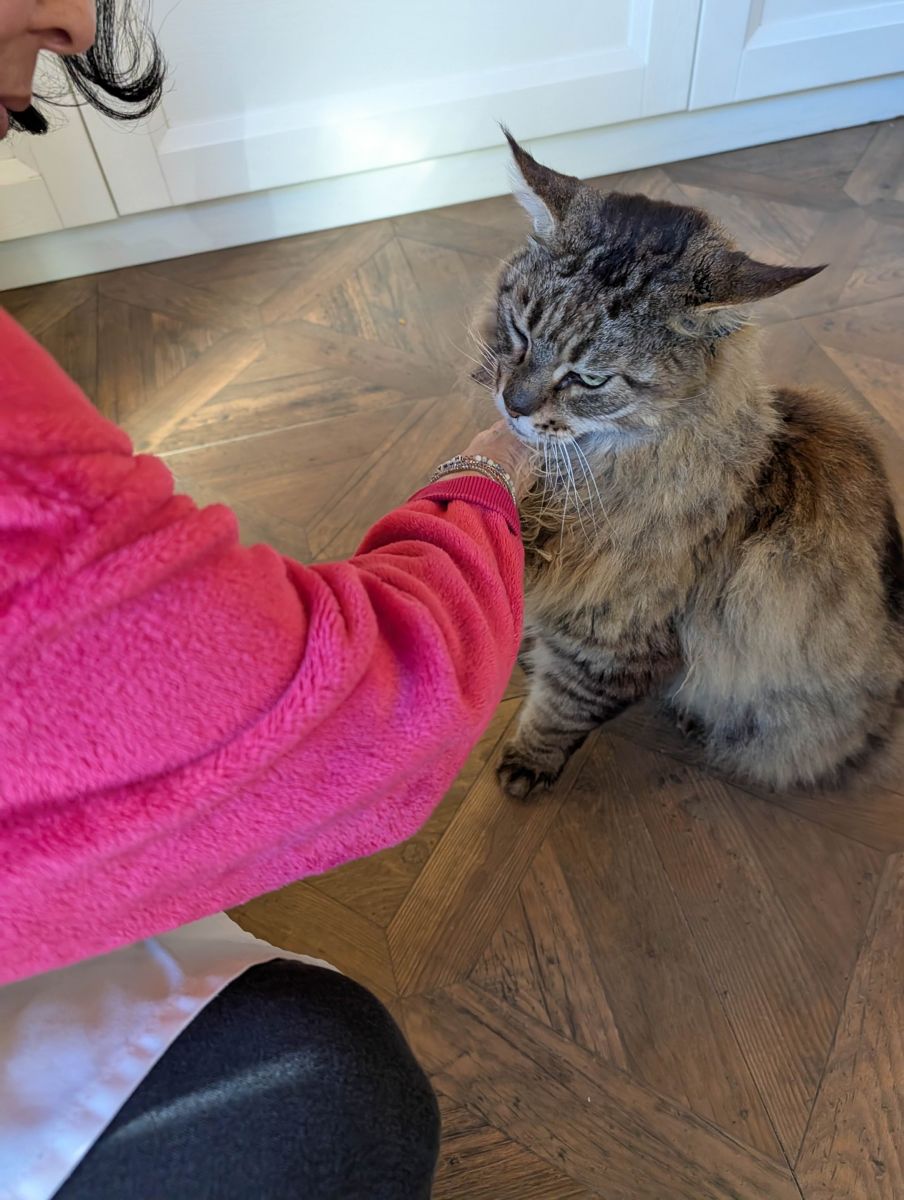
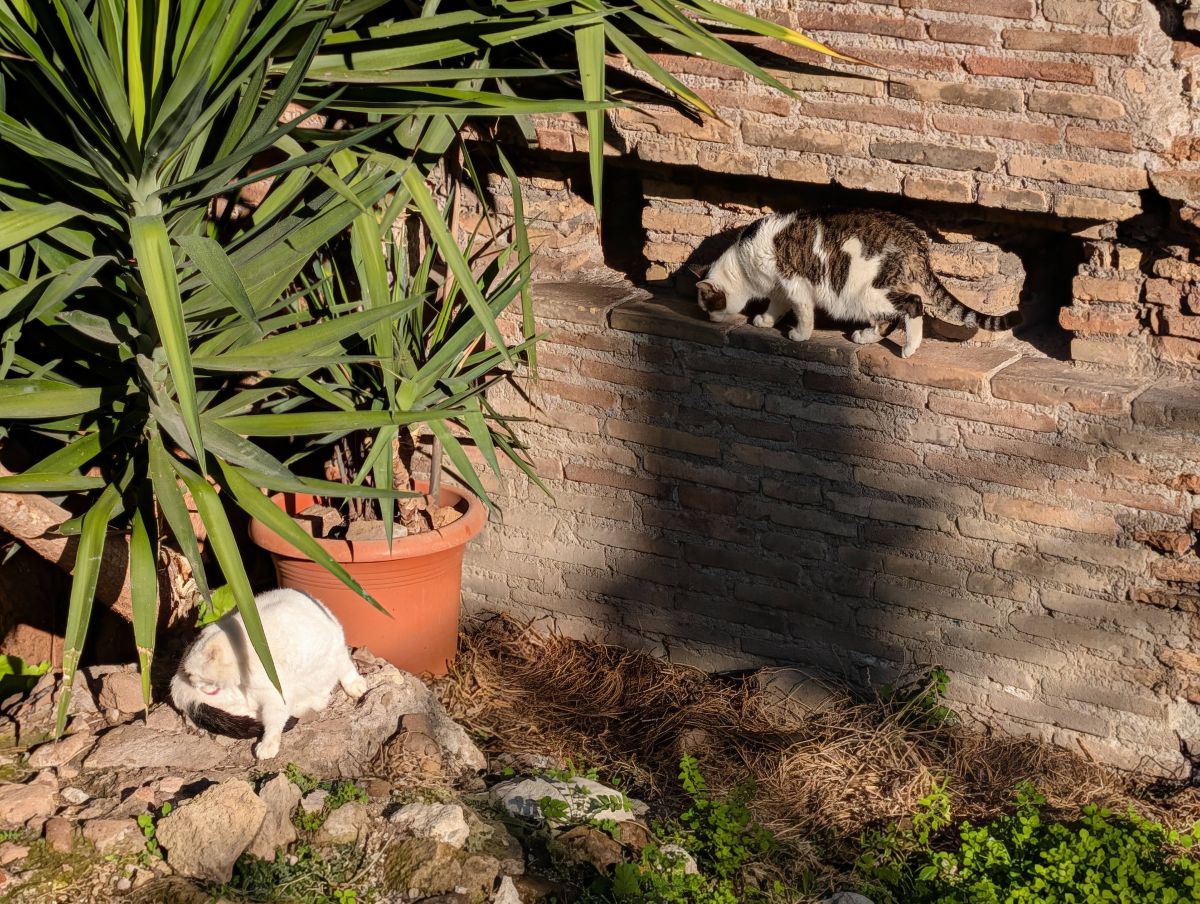
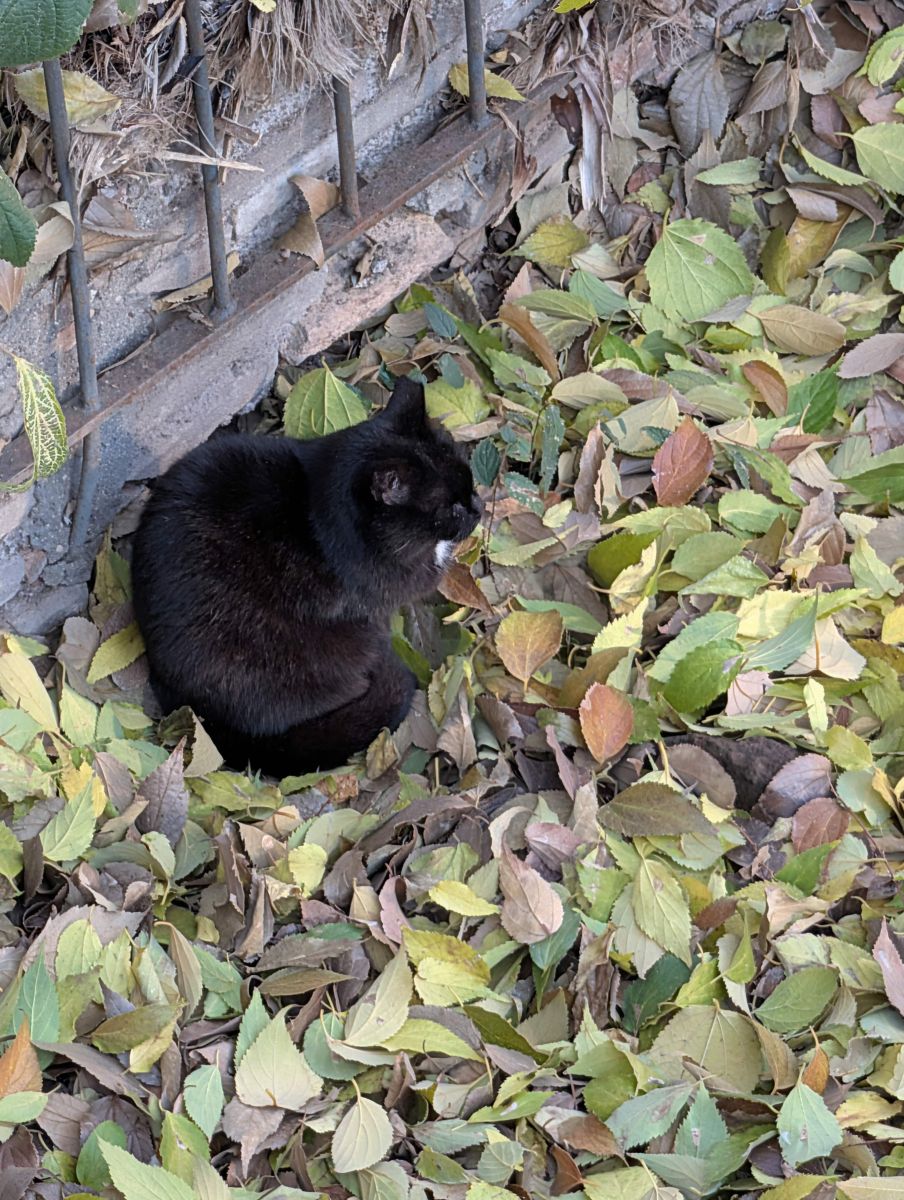
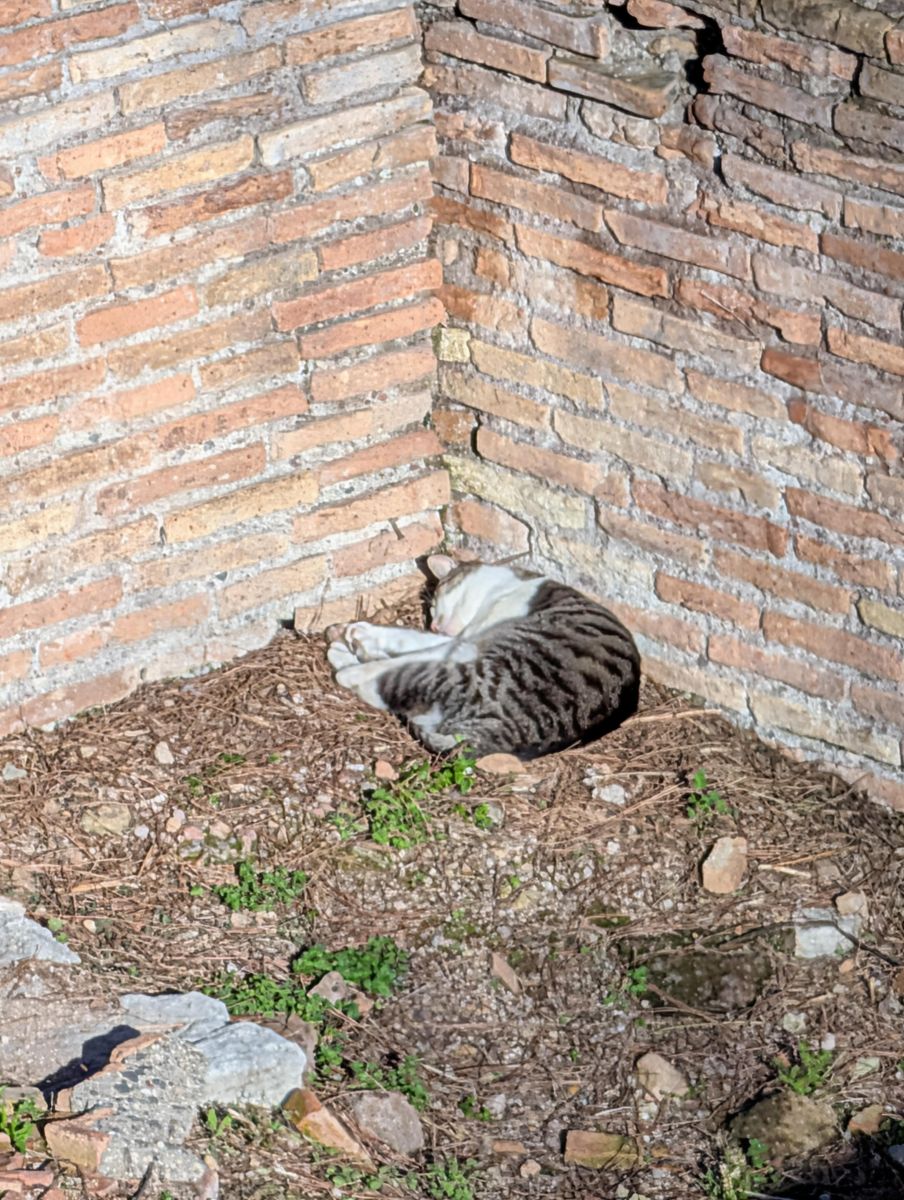
Inside the archeological site is also the Torre Argentina Cat Sanctuary, primarily in the left-most temple ruins (although the cats have free reign of the entire area.
The cat shelter was founded in 1993 and offers sterilization and adoption programs that house an estimated 350 cats. The cats are fed daily, and it’s prohibited for visitors to feed the cats.
Additional Largo di Torre Argentina Photos
Additional Photos From The Day






Best day ever!
Food looks absolutely scrumptious!